
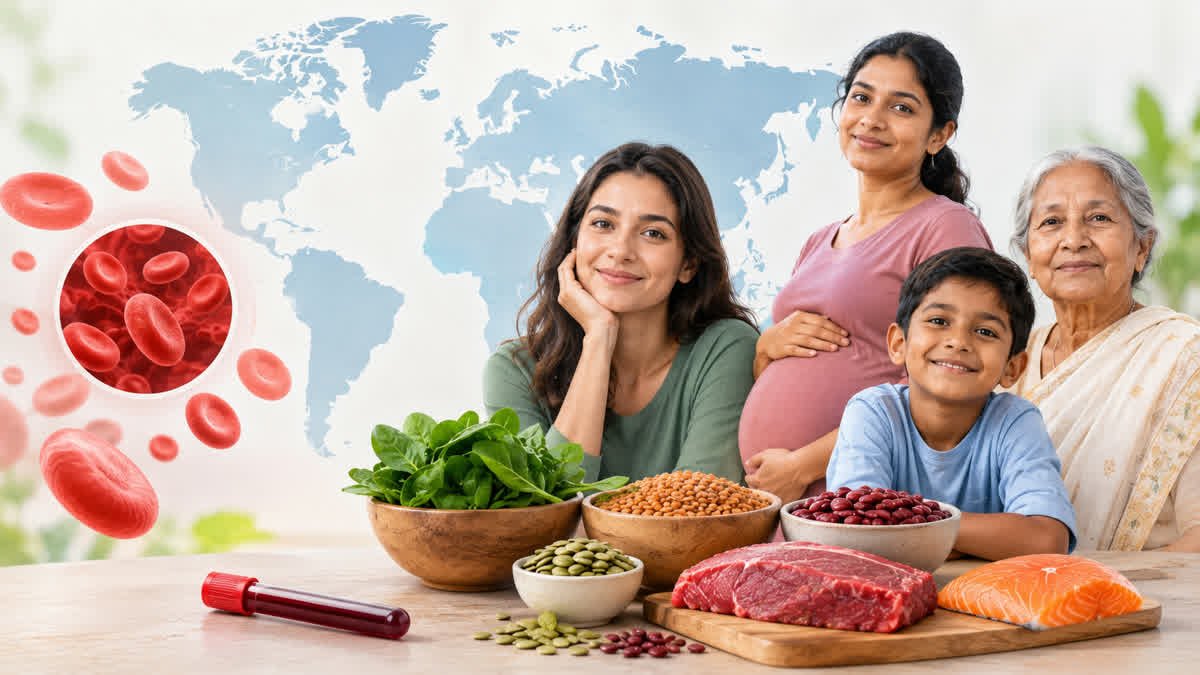

Iron deficiency is one of the most widespread nutritional problems in the world. Iron is essential for making hemoglobin, the protein in red blood cells that carries oxygen, and it also supports energy production, growth, and brain development. When the body does not have enough iron, many of these functions can be affected.
Iron deficiency affects people of every age, but some groups face a higher risk. These include women of reproductive age, pregnant women, infants, and young children. It also helps to know that iron deficiency and iron-deficiency anemia are not the same thing, since a person can have depleted iron stores without yet having anemia.
This article looks at how common iron deficiency is worldwide, how the numbers differ by sex, age, pregnancy, and region, and why different studies report different figures. It also covers the main causes, how doctors diagnose low iron, and when it makes sense to ask about testing.
Understanding Iron Deficiency and Its Global Impact
Before looking at statistics, it helps to be clear about what is being counted. Different studies use different definitions, and that shapes every number you will see.
What Is Iron Deficiency?
Iron deficiency means the body does not have enough iron stores or available iron to meet its needs. Iron is a core part of hemoglobin, and the body keeps a reserve of iron in a storage protein called ferritin.
When intake is too low or losses are too high, those reserves shrink first. Adequate iron matters throughout life, from fetal development and childhood growth to pregnancy and healthy aging. You can read about the main triggers in our guide to what causes iron deficiency.
Iron Deficiency vs. Iron-Deficiency Anemia
These terms are related, but they describe different things:
- Iron deficiency without anemia: iron stores are low, but hemoglobin may still be in the reference range.
- Iron-deficiency anemia: low iron has reduced hemoglobin enough to cause anemia.
- Anemia from other causes: low hemoglobin can also result from vitamin B12 or folate deficiency, chronic disease, inherited conditions, and other problems.
Anemia is not always caused by iron deficiency, and iron deficiency does not always cause anemia. This distinction matters when you compare statistics, because many global figures measure anemia rather than iron deficiency itself.
Why Is Iron Deficiency a Global Health Concern?
Low iron can affect energy, physical performance, and quality of life. In children, it has been linked to problems with growth and learning, as the CDC notes in its guidance on iron for young children.
During pregnancy, iron deficiency and anemia can also affect maternal health. Because these effects reach so many people, iron deficiency is treated as an important public health issue.
How Common Is Iron Deficiency Worldwide?
The most useful global estimate comes from the Global Burden of Disease (GBD) study. A 2025 analysis in Nature Medicine estimated the worldwide burden of dietary iron deficiency in 2021 across 204 countries.
Global Prevalence of Iron Deficiency
The study reported a global prevalence of dietary iron deficiency of about 16.7% in 2021. Its age-standardized prevalence rate was roughly 16,434 per 100,000 people.
There is an important caveat. This study modeled dietary iron deficiency, focusing on cases where inadequate dietary iron intake leads to clinical effects such as anemia. It does not represent every clinical definition of iron deficiency, and it is not the same as a ferritin-based count.
The age-standardized rate also differs slightly from the overall 16.7% figure, because age standardization adjusts for differences in population age structure.
How Many People Are Affected?
A prevalence of 16.7% points to a very large number of people worldwide. Still, this is a modeled estimate, not a head count from direct testing of every person.
Global estimates combine survey data, statistical modeling, and assumptions about populations where data are limited. They are best read as a measure of the overall scale rather than an exact number.
Why Do Prevalence Estimates Vary?
You may see very different figures for iron deficiency depending on the source. Common reasons include:
- Different diagnostic criteria: studies define deficiency in different ways.
- Different ferritin thresholds: a cutoff used in one study may not match another.
- Age and sex differences: needs and risks vary across groups.
- Dietary patterns: food availability and eating habits differ widely.
- Infection and inflammation: inflammation can raise ferritin and hide low iron stores.
- Access to care: testing is less available in some places.
- Study design: population-based surveys and clinical samples can give different answers.
When reading any statistic, check the year, the population, the measurement method, and the definition used. Iron deficiency and anemia figures should never be mixed together.
Is Iron Deficiency More Common in Women Than Men?
Yes, in general. Sex differences are among the clearest patterns in iron deficiency research.
Iron Deficiency in Women
Women of reproductive age lose iron through menstruation, and needs rise further during pregnancy. Common contributors include:
- Heavy or prolonged menstrual bleeding
- Increased iron demands during pregnancy
- Iron depletion after childbirth
- Dietary iron intake that does not meet needs
Our article on iron deficiency risk factors covers these in more detail.
Iron Deficiency in Men
Men generally need less iron than menstruating women, but they can still develop iron deficiency. Possible reasons include gastrointestinal bleeding, low dietary intake, digestive disorders, and chronic medical conditions.
Unexplained iron deficiency in an adult man calls for medical evaluation, because it can signal hidden blood loss.
What Does Research Say About Sex Differences?
The 2025 GBD study found a clearly higher burden in females. Its age-standardized prevalence estimates for dietary iron deficiency in 2021 were:
| Group | Age-standardized prevalence (per 100,000) | Approximate share |
|---|---|---|
| Females | About 21,335 | About 21% |
| Males | About 11,685 | About 12% |
| Global (all) | About 16,434 | About 16% |
These figures come from a modeled analysis of dietary iron deficiency in 2021. They should not be read as universal clinical prevalence rates for every country or every testing method.
Which Age Groups Are Most Affected by Iron Deficiency?
Iron needs change across the lifespan, so risk does too. The GBD study identified children as one of the groups with a higher burden, along with females and people in low-income settings.
Infants and Young Children
Babies and toddlers grow quickly, so their iron needs are high relative to their size. Some infants also start life with limited iron stores. Appropriate complementary feeding, including iron-rich foods, plays a key role in prevention.
In the United States, a CDC analysis of national survey data from 1999 to 2000 estimated that iron deficiency affected about 7% of toddlers aged 1 to 2 years. These data are older, so they show the pattern rather than a current rate. You can read the CDC report for details.
Adolescents
Growth spurts raise iron requirements during the teen years. Adolescent girls face added risk once menstruation begins, especially if periods are heavy.
The same CDC analysis estimated iron deficiency in roughly 9% to 16% of U.S. females aged 12 to 49, depending on the age group. Again, this reflects data from 1999 to 2000.
Adults
In adults, iron status depends on diet, menstrual blood loss, pregnancy, gastrointestinal conditions, and chronic disease. Risk varies widely from person to person.
Older Adults
Iron deficiency can also occur later in life. Causes include low dietary intake, gastrointestinal blood loss, chronic inflammation, and reduced absorption. Unexplained iron deficiency in older adults deserves medical evaluation, since a hidden source of bleeding is possible.
How Common Is Iron Deficiency During Pregnancy?
Pregnancy is a high-risk period. Blood volume expands, and the body must also supply iron for the placenta and the developing baby. Low iron before pregnancy makes it harder to keep up.
A 2025 systematic review and meta-analysis in Clinical Nutrition Open Science pooled data from studies published up to June 2023. It reported a pooled prevalence of iron-deficiency anemia among pregnant women of about 19%, with the highest regional figure, about 37%, in North Africa.
This statistic covers iron-deficiency anemia in pregnancy, not all iron deficiency. Rates of low iron stores without anemia can be higher. The review also noted differences across trimesters and regions, and it found that the burden appeared to decrease in the years after 2015.
For this reason, prenatal care often includes blood tests and guidance on iron. The right plan depends on the individual, so follow the advice of your care team.
Which Countries and Regions Have Higher Rates of Iron Deficiency?
Iron deficiency exists in every region, but the burden is not evenly shared.
Iron Deficiency in Developing Regions
The GBD study found a higher burden in low-income settings, based on the socio-demographic index. Several factors can contribute:
- Food insecurity and limited dietary diversity
- Poor access to fortified foods
- Maternal and child health challenges
- Limited access to diagnostic services
South Asia and Sub-Saharan Africa
The World Health Organization reports that anemia is especially widespread among young children, women of reproductive age, and pregnant women, with a heavy burden in parts of Africa and South Asia. WHO figures describe anemia in general, not iron deficiency alone.
Anemia in these regions has many causes, including nutritional deficiencies, infections such as malaria and parasitic disease, and inherited blood disorders. Not every case of anemia is due to low iron.
Iron Deficiency in Higher-Income Countries
Iron deficiency is not limited to lower-income countries. In places like the United States, it still occurs because of menstrual blood loss, pregnancy, restrictive diets, gastrointestinal disorders, and other sources of blood loss.
The GBD study also noted that high-income countries saw larger improvements over time than low-income countries. Between 1990 and 2021, the global age-standardized prevalence fell by about 9.8%.
Because definitions and methods differ, compare regions only when sources measure the same condition in the same way.
Why Is Iron Deficiency So Common?
Iron deficiency is a multifactorial problem. It cannot be explained by diet alone.
Inadequate Dietary Iron Intake
Diets low in iron-rich foods can lead to deficiency over time. This can happen with any eating pattern, including poorly planned vegetarian or vegan diets. See our guide to iron-rich foods for options.
Increased Iron Requirements
Pregnancy, infancy, adolescence, and other periods of rapid growth raise iron needs. If intake does not rise to match, stores can fall.
Blood Loss
Heavy menstrual bleeding, gastrointestinal bleeding, and other sources of chronic blood loss can drain iron faster than the body can replace it.
Poor Iron Absorption
Conditions such as celiac disease and inflammatory bowel disease can interfere with iron absorption. Some stomach and intestinal surgeries can do the same.
Food Insecurity and Nutritional Inequality
Economic and social conditions can limit access to varied, nutritious food. The Nature Medicine authors called for supplementation, food security measures, and fortification initiatives to address the burden, especially in lower-income settings.
How Is Iron Deficiency Diagnosed?
Doctors diagnose iron deficiency using symptoms, medical history, and blood tests. The NIH Office of Dietary Supplements offers a detailed overview of how iron status is assessed.
Blood Tests Used to Identify Iron Deficiency
Common tests include:
- Serum ferritin: helps assess the body’s stored iron and is commonly used to identify depleted stores.
- Complete blood count (CBC): helps identify anemia and changes in red blood cells.
- Serum iron: measures circulating iron, though it can fluctuate.
- Transferrin saturation: helps show how much iron is available to the body.
Why Testing Matters
Symptoms alone cannot confirm iron deficiency, because fatigue, dizziness, and weakness have many possible causes. Our article on the early signs of iron deficiency explains what to watch for.
Ferritin can also rise with inflammation or infection, which may hide low iron. Clinicians therefore interpret results alongside other tests and your clinical picture. If you have persistent symptoms or risk factors, ask a healthcare professional about testing.
Can Iron Deficiency Be Prevented or Reduced?
Many cases can be reduced with practical steps, although not every case can be prevented. Helpful measures include:
- Eating iron-rich foods
- Pairing plant-based iron sources with vitamin C-rich foods
- Improving overall dietary variety
- Using fortified foods where appropriate
- Following pregnancy-related screening and supplementation advice
- Addressing conditions that cause blood loss or poor absorption
Supplements are not right for everyone and should be based on individual needs and medical guidance. For more detail, see our guide on whether iron deficiency can be prevented, and our overview of iron deficiency treatment options.
Frequently Asked Questions About Iron Deficiency
How common is iron deficiency worldwide?
Estimates depend on how iron deficiency is defined and measured. A 2025 Global Burden of Disease study published in Nature Medicine estimated a global prevalence of about 16.7% for dietary iron deficiency in 2021.
Is iron deficiency more common in women?
Yes. Women of reproductive age are especially vulnerable because of menstrual blood loss and higher iron needs during pregnancy. The same GBD study reported a higher burden in females than in males.
Which age group is most likely to have iron deficiency?
Infants, young children, adolescents, and women of reproductive age are important higher-risk groups. Exact rates vary by population and by the criteria used.
Is iron deficiency more common than anemia?
Iron deficiency can exist without anemia, so the two should not be treated as equivalent. Their prevalence estimates also rely on different criteria. The WHO notes that anemia has several causes besides low iron.
Can you have iron deficiency without symptoms?
Yes. Some people have depleted iron stores without noticeable symptoms, especially in the early stages. Blood tests are the way to find out.
How do I know if I have iron deficiency?
Only a healthcare professional can confirm it. They will review your symptoms and history and may order blood tests such as ferritin and a complete blood count.
Final Thoughts: Understanding the Prevalence of Iron Deficiency
Iron deficiency remains a widespread nutritional concern that touches people across countries, ages, and backgrounds. Women, pregnant individuals, infants, and children are important higher-risk groups.
Understanding how common it is highlights the value of good nutrition, early diagnosis, public health programs, and appropriate medical care. Symptoms alone cannot confirm iron deficiency, so seek professional assessment if you suspect it.
Sources
- GBD 2021 Dietary Iron Deficiency Collaborators. Global, regional and national burden of dietary iron deficiency from 1990 to 2021: a Global Burden of Disease study. Nature Medicine, 2025.
- Kebede SS, et al. Global prevalence of iron deficiency anemia and its variation with different gestational age: systematic review and meta-analysis. Clinical Nutrition Open Science, 2025.
- Centers for Disease Control and Prevention. Iron Deficiency, United States, 1999 to 2000 (MMWR)
- Centers for Disease Control and Prevention. Iron for Infants and Toddlers
- World Health Organization. Anaemia
- National Institutes of Health, Office of Dietary Supplements. Iron: Fact Sheet for Health Professionals
Medical Disclaimer: This article is for general educational purposes only and is not medical advice. It cannot diagnose any condition or replace the guidance of a qualified healthcare professional. Statistics are estimates and may change as new research appears. Please talk with your doctor about your symptoms and test results, and seek urgent care right away if you have severe symptoms such as chest pain, fainting, or heavy bleeding.
1 thought on “How Common Is Iron Deficiency? Global Statistics, Risk Groups, and Causes”
Comments are closed.