
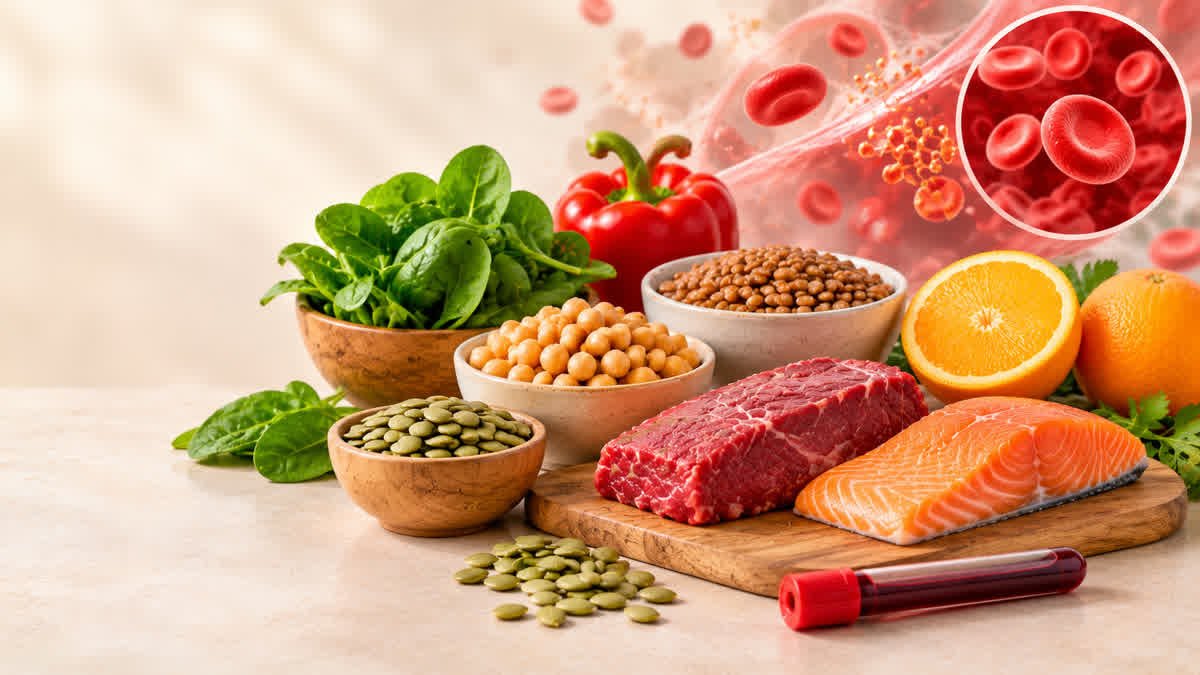

Iron deficiency can sometimes improve on its own, but it does not reliably go away without attention. If the cause was temporary and you now get enough iron from food, your levels may recover slowly. If the cause is ongoing, such as blood loss or poor absorption, iron deficiency can persist or get worse.
Iron is a mineral your body uses to make hemoglobin, the protein in red blood cells that carries oxygen. Low iron can occur with or without anemia, and it may cause fatigue, weakness, reduced exercise tolerance, and trouble concentrating. These symptoms are common and have many causes, so they cannot confirm low iron by themselves.
This article explains when iron deficiency may improve without treatment, why it often needs more than time, and how recovery is monitored. It also covers treatment options and when to see a healthcare professional. The goal is general education, not a diagnosis, so use it to prepare for a conversation with your own clinician.
Can Iron Deficiency Go Away on Its Own?
Sometimes, but not dependably. Whether iron deficiency improves without treatment depends on its severity, its cause, and whether that cause has stopped.
The body can absorb iron from food and use it to rebuild its stores. If a short-term shortfall in your diet is corrected, iron levels may rise gradually over time. A short-term increase in iron needs that has passed can have a similar effect.
However, the body cannot make iron. It also cannot reliably replace substantial losses without enough iron intake and absorption. Ongoing blood loss, poor absorption, or high iron requirements can all stand in the way of natural recovery.
It is also worth knowing that iron deficiency can exist before anemia develops. A normal hemoglobin result does not always rule it out, and feeling better does not prove that your iron stores have recovered.
If you want the broader picture first, see our guide on how common iron deficiency is.
What Happens When Iron Levels Are Low?
Understanding the stages of low iron helps explain why “going away” is not a simple yes or no.
Your body uses iron to produce hemoglobin. It stores extra iron, mainly as a protein called ferritin, and draws on that reserve when intake falls short. Iron stores can be used up before hemoglobin drops, which is why iron deficiency can exist without anemia.
If the deficiency continues, hemoglobin may eventually fall, and iron-deficiency anemia can develop. The National Heart, Lung, and Blood Institute offers a clear overview of this progression.
Some people notice symptoms even before they are anemic. Others notice nothing at all. Blood tests are the only way to know where you stand. Our article on the early signs of iron deficiency explains what may prompt testing.
When Might Iron Deficiency Improve Without Treatment?
In limited situations, iron levels may recover without prescribed supplements. These situations usually share one feature: the reason for low iron has gone away.
Examples include:
- A temporary period of low dietary iron intake that has been corrected
- A short-term rise in iron needs that has passed
- A temporary source of blood loss that has stopped
- A diet that now consistently supplies enough absorbable iron
- Normal absorption from the digestive tract
Even then, improvement is not guaranteed. It depends on how depleted your stores became and how much iron you take in each day. Rebuilding stores through food alone can be slow.
Do not assume your iron has recovered just because the original cause is gone or because your symptoms have eased. Testing is the only reliable way to confirm it.
Why Iron Deficiency Often Does Not Resolve on Its Own
Several factors can keep iron low even when you are trying to eat well. Our guide to what causes iron deficiency goes deeper on each of these.
Ongoing Blood Loss
Blood contains iron, so continued bleeding steadily drains your stores. Common sources include:
- Heavy or prolonged menstrual bleeding
- Gastrointestinal bleeding, including from ulcers or other digestive conditions
- Frequent blood donation or repeated blood loss
Digestive bleeding can happen without obvious symptoms, which is one reason unexplained iron deficiency deserves attention.
Not Getting Enough Iron From Food
Restrictive diets or limited variety can leave iron intake too low. Eating few iron sources, such as meat, seafood, legumes, and fortified grains, can make it hard to meet your needs.
Some eating patterns simply do not provide enough iron for an individual’s requirements. Our list of iron-rich foods can help you plan.
Poor Iron Absorption
Iron is absorbed in the upper small intestine, so conditions that affect this area can limit how much your body takes in. Examples include celiac disease and inflammatory bowel disease. Previous stomach or intestinal surgery and some medications can also reduce absorption.
Increased Iron Requirements
Pregnancy, rapid growth in childhood and adolescence, and other periods of high demand raise iron needs. If intake does not rise to match, stores can fall.
Finding the cause matters. Eating more iron without addressing ongoing bleeding or malabsorption may not fix the problem. You can read more in our article on iron deficiency risk factors.
Signs Iron Deficiency May Still Be Present
Symptoms can hint that iron is still low, though they vary widely. Possible signs include:
- Persistent tiredness or low energy
- Weakness or reduced stamina
- Shortness of breath during activity
- Dizziness or lightheadedness
- Headaches
- Pale skin
- Difficulty concentrating
- Restless legs
- Brittle or spoon-shaped nails in some cases
These symptoms can come from many other conditions, including thyroid problems, poor sleep, and other nutritional deficiencies. Some people with low iron have few noticeable symptoms.
For this reason, symptoms alone cannot tell you whether your iron levels have recovered. Only blood tests ordered by a healthcare professional can do that. For related reading, see our overview of what causes fatigue.
How Long Does It Take to Recover From Iron Deficiency?
There is no single timeline. Recovery depends on how severe the deficiency is, what caused it, and how it is treated.
Here are some general principles:
- Dietary changes can take a long time to rebuild depleted stores.
- Hemoglobin can improve before iron stores are fully restored.
- With oral iron treatment, hemoglobin may begin to respond within the first few weeks.
- Treatment is often continued after hemoglobin returns to normal, so that iron stores can refill.
- Follow-up blood tests show whether treatment is working.
The British Society of Gastroenterology guideline recommends checking the hemoglobin response within about four weeks of starting oral iron. It also advises continuing treatment for around three months after hemoglobin normalizes to replenish stores.
These are clinical principles, not a promise for any individual. Your clinician will decide what monitoring and duration fit your situation.
How Is Iron Deficiency Treated?
Treatment depends on the cause and severity. It often combines several approaches.
Eating More Iron-Rich Foods
Dietary iron comes in two forms, as the NIH Office of Dietary Supplements explains. Heme iron is found in animal foods and is generally absorbed more efficiently. Non-heme iron is found in plant foods and fortified products.
Useful sources include:
- Meat, poultry, and seafood
- Lentils, beans, and chickpeas
- Tofu and other soy foods
- Dark leafy greens
- Iron-fortified cereals and grains
- Pumpkin seeds and nuts
Vitamin C-rich foods, such as citrus fruits, tomatoes, and peppers, can help the body absorb non-heme iron. Our list of foods high in vitamin C offers ideas for pairing.
Taking Iron Supplements When Recommended
A healthcare professional may recommend oral iron when food alone is not enough. The right product and dose depend on your needs, so avoid choosing a high dose on your own.
Side effects can include constipation, nausea, and stomach discomfort. If constipation is a problem, see our tips on managing constipation at home. Keep all iron supplements out of children’s reach, because accidental ingestion can cause serious poisoning.
Treating the Underlying Cause
Correcting low iron without fixing its cause may lead to a repeat. Depending on your situation, care may involve:
- Evaluating and managing heavy menstrual bleeding
- Looking for gastrointestinal blood loss
- Addressing conditions that interfere with absorption
- Adjusting care during pregnancy or other times of higher need
Intravenous Iron
Iron given through a vein may be considered when oral iron does not work, is not suitable, or is poorly tolerated. It may also be used when faster replacement is needed. The BSG guideline discusses when this option may apply.
For a broader overview, see our guide to iron deficiency treatment options.
When Should You See a Healthcare Professional?
Consider seeking medical advice if you:
- Have persistent or unexplained fatigue
- Have heavy menstrual bleeding
- Notice blood in your stool or black, tarry stools
- Have ongoing digestive symptoms or unexplained weight loss
- Are pregnant and concerned about low iron
- Have had iron deficiency before and think it may have returned
- Do not improve despite dietary changes or prescribed treatment
Unexplained iron deficiency, particularly in adult men and postmenopausal women, may need investigation for gastrointestinal blood loss or another underlying cause.
Get urgent medical help for severe shortness of breath, chest pain, fainting, or significant active bleeding.
Can Iron Deficiency Come Back?
Yes. Iron deficiency can return if the original cause continues or comes back. Some common reasons include:
- Heavy periods that cause repeated iron loss
- Digestive conditions that keep interfering with absorption
- Dietary intake that stays too low
- Pregnancy or other periods of higher iron needs
If you have recurring deficiency or ongoing risk factors, your clinician may recommend follow-up blood tests. Our article on whether iron deficiency can be prevented offers practical steps for lowering your risk.
Frequently Asked Questions
Can mild iron deficiency correct itself?
It may improve if the cause is temporary and your iron intake becomes adequate. Testing and medical advice can help determine whether treatment is needed, since mild deficiency can still progress.
How long can iron deficiency last without treatment?
There is no fixed answer. Deficiency may last for months or longer if the cause continues, and it can progress to anemia, as described by the NHLBI.
Can eating iron-rich foods alone fix iron deficiency?
Diet can help prevent and improve some cases. Food alone may not be enough when iron stores are substantially depleted, or when blood loss or absorption problems continue.
Can you have iron deficiency without anemia?
Yes. Iron stores can be low even when hemoglobin remains in the normal range. The WHO ferritin guideline describes how ferritin is used to assess iron status, including how inflammation affects interpretation.
Should I take iron supplements without a blood test?
It is better to get testing and medical advice first. Unnecessary iron can cause side effects and may be harmful in some circumstances, such as conditions that cause iron overload.
Conclusion
Iron deficiency can sometimes improve when a temporary cause disappears and dietary intake is sufficient. It does not reliably go away on its own, especially when blood loss, poor absorption, or increased iron needs are involved.
How you feel is not a dependable measure of your iron stores. Testing and finding the cause are important steps toward recovery, so seek professional advice rather than relying on supplements or diet alone.
Sources
- British Society of Gastroenterology. Guidelines for the Management of Iron Deficiency Anaemia in Adults
- National Heart, Lung, and Blood Institute. Iron-Deficiency Anemia
- National Institutes of Health, Office of Dietary Supplements. Iron: Fact Sheet for Health Professionals
- World Health Organization. WHO guideline on use of ferritin concentrations to assess iron status in individuals and populations
Medical Disclaimer: This article is for general educational purposes only and is not medical advice. It cannot diagnose any condition or replace the guidance of a qualified healthcare professional. Please talk with your doctor before starting iron supplements, and seek urgent care right away if you have severe symptoms such as chest pain, fainting, or heavy bleeding.