
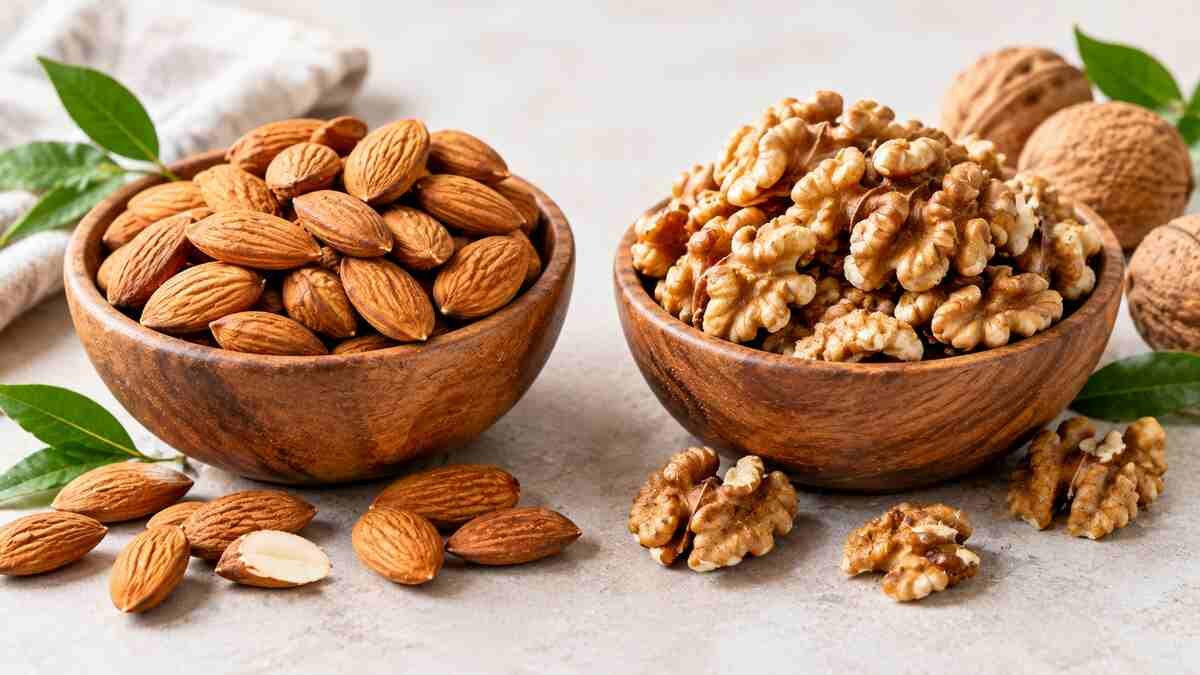

When people compare almonds vs. walnuts, they usually want a simple winner. Both are nutrient-dense tree nuts that supply unsaturated fats, fiber, minerals, and plant compounds, so the honest answer is more useful than a single pick. Each nut has a different nutritional strength, and the better choice depends on what you want from your snack.
The comparison tends to focus on a few questions. Which has fewer calories, more protein, or more omega-3 fat? Which is better for the heart, the brain, or weight management? This article looks at each of these using food composition data and published research, and it separates well-supported findings from preliminary ones.
You will also find a quick decision guide, portion advice, and safety notes. If you want a broader overview first, start with our guide to the health benefits of nuts. Then return here to see how these two popular nuts compare.
Quick Answer: Which Is Healthier?
Neither nut is healthier for everyone. Almonds provide more protein, fiber, and vitamin E per ounce, while walnuts provide far more of the plant-based omega-3 fat alpha-linolenic acid (ALA). Both can support a heart-healthy eating pattern, and eating both gives you a wider range of nutrients.
Almonds vs. Walnuts Nutrition Comparison
The table below compares plain, unsalted nuts in a 1-ounce (28-gram) serving. That is about 23 almonds or 14 walnut halves. Values are approximate and drawn from USDA data, and they can vary slightly by variety, source, and preparation. You can check current entries in the USDA FoodData Central database.
| Nutrient (1 oz / 28 g) | Almonds (about 23) | Walnuts (about 14 halves) |
|---|---|---|
| Calories | ~164 kcal | ~185 kcal |
| Protein | ~6 g | ~4.3 g |
| Total fat | ~14 g | ~18.5 g |
| Polyunsaturated fat | ~3.5 g | ~13 g |
| Monounsaturated fat | ~9 g | ~2.5 g |
| Saturated fat | ~1 g | ~1.7 g |
| Carbohydrates | ~6 g | ~4 g |
| Fiber | ~3.5 g | ~2 g |
| Omega-3 ALA | Very little | ~2.5 g |
| Vitamin E | ~7 mg | Under 1 mg |
| Magnesium | ~76 mg | ~44 mg |
Walnuts contain more total fat, and most of it is polyunsaturated. Almonds contain more protein and fiber and relatively more monounsaturated fat. Higher calories do not automatically make a food less healthy, since the nutrients that come with those calories matter too.
Key Nutritional Differences
Almonds are especially rich in:
- Vitamin E: a fat-soluble antioxidant nutrient. One ounce provides roughly half of the 15 mg daily recommendation for adults, according to the NIH Office of Dietary Supplements.
- Fiber: supports digestive health and regularity.
- Plant-based protein: helpful for meals and snacks.
- Magnesium and other minerals: involved in muscle, nerve, and bone function.
Walnuts are especially rich in:
- Alpha-linolenic acid (ALA): an essential plant-based omega-3 fatty acid. The NIH Office of Dietary Supplements notes that ALA is found in walnuts, flaxseed, chia seeds, and some plant oils.
- Polyunsaturated fats: a type of fat linked with healthier cholesterol when it replaces saturated fat.
- Polyphenols: plant compounds with antioxidant activity.
ALA is not the same as EPA and DHA, the omega-3s found in fish. The body converts only a small amount of ALA into those forms. For more on this topic, see our guides to omega-3 fatty acids and healthy fats.
Both nuts supply beneficial unsaturated fats and a range of micronutrients. The differences are most useful for choosing between them based on your goals, not for naming an overall winner.
Health Benefits of Almonds
Almonds have a strong nutritional profile and a solid research base for blood lipids. Here are the main benefits supported by evidence.
Heart health. Almonds can be part of a heart-healthy dietary pattern. A 2025 meta-analysis in Nutrients of 36 publications and 2,485 participants found that almond intake lowered LDL cholesterol, total cholesterol, and non-HDL cholesterol. The Almond Board of California funded that review, so it is worth reading alongside independent research. Earlier, smaller analyses found weaker effects, which is a reminder that results can vary.
Antioxidant protection. Vitamin E helps protect cells from oxidative damage. Getting vitamin E from food is generally preferred, as high-dose supplements carry their own risks and can interact with some medicines.
Digestive health. Fiber supports regular bowel movements and gut function. See our list of high-fiber foods for digestive health for other options.
Satiety. Protein, fiber, and fat can make snacks more satisfying and may help you feel full longer.
Bone and muscle function. Almonds provide magnesium, along with calcium and phosphorus, which contribute to normal body functions.
Almonds do not prevent or cure specific diseases. For more detail, read our full guide to the health benefits of almonds.
Health Benefits of Walnuts
Walnuts are distinctive because of their omega-3 content and the volume of research on their effects on blood lipids.
Omega-3 intake. Walnuts are a particularly useful plant source of ALA. People who eat little or no fish may find them helpful for meeting ALA needs, though they do not supply EPA or DHA.
Heart health. A February 2026 meta-analysis of 49 randomized controlled trials found that walnut intake lowered total cholesterol and triglycerides, with LDL cholesterol also improving. Effects on HDL cholesterol and apolipoproteins were inconclusive.
Brain health research. Walnuts have been studied for links to healthy aging and cognition. The findings are preliminary and should not be presented as proof of benefit.
Gut health. A randomized trial of 194 adults found that eating about 43 grams of walnuts daily for eight weeks shifted gut microbiome composition. The clinical meaning of these changes is still being studied.
Antioxidant compounds. Walnuts contain polyphenols and other plant compounds that act as antioxidants in the lab.
Evidence for blood lipid outcomes is consistent, while evidence for several other outcomes is less conclusive. Our dedicated guide to the health benefits of walnuts goes into more depth.
Almonds vs. Walnuts for Heart Health
Both nuts offer unsaturated fats that can support healthy cholesterol when they replace saturated fats. Walnuts add ALA, while almonds add vitamin E, fiber, and magnesium. Each nut also contains plant sterols and polyphenols that may play a role.
A large meta-analysis of 61 controlled trials in the American Journal of Clinical Nutrition concluded that tree nut intake lowers total cholesterol, LDL cholesterol, apolipoprotein B, and triglycerides. The authors found that the dose of nuts appeared more important than the type of nut. A 2023 review in Advances in Nutrition pooling 129 randomized trials of tree nuts and peanuts also supports benefits for cardiovascular risk factors.
The USDA-supported 2010 Dietary Guidelines Advisory Committee review rated the evidence as moderate. It found that walnuts, almonds, pistachios, and peanuts favorably affect cardiovascular risk factors, particularly blood lipids, when they are part of an adequate diet and calories are held constant. This review is older, but its conclusion matches newer research.
Key message: Choosing either nut is reasonable. The overall diet and what the nuts replace matter just as much. Swapping chips or pastries for a handful of nuts is more meaningful than adding nuts to an unchanged diet.
For more on building a heart-friendly diet, see our guides to heart-healthy foods, LDL vs. HDL cholesterol, and the Mediterranean diet.
Which Is Better for Brain Health?
The brain is rich in fat, and the fats you eat can influence cell membranes and inflammation. Walnuts attract research interest because they supply ALA and polyphenols. Almonds provide vitamin E, an antioxidant that helps protect cells from oxidative stress.
These are nutrient functions, not proof that either nut improves memory. The largest walnut trial to date, the Walnuts and Healthy Aging (WAHA) study, followed 708 cognitively healthy older adults for two years. It found no difference in the global cognitive score between the walnut and control groups, although some subgroup findings suggested possible benefits that need further study.
Takeaway: Walnuts have a distinctive omega-3 advantage, but current evidence does not show that eating walnuts is a reliable way to improve memory or prevent dementia. Almonds also lack that proof. A varied diet, regular physical activity, and good sleep matter for brain health, as covered in our guide to sleep and mental health.
Which Is Better for Weight Management?
Both nuts are calorie-dense, so portion size matters. A one-ounce serving of almonds has about 164 calories, compared with about 185 for walnuts. Almonds also provide more protein and fiber per ounce, which gives them a modest edge when you want more satisfaction per calorie.
The fat, protein, and fiber in both nuts can support fullness. Research on walnuts has not found that adding them to the diet leads to weight gain in trials. A meta-analysis in the American Journal of Clinical Nutrition found no significant difference in body weight between walnut-enriched and control diets.
Eating nuts in place of less nutritious snacks is different from simply adding extra calories. If you add a daily handful on top of everything else you eat, total calories rise.
Takeaway: Almonds have a small advantage for protein and fiber per serving, but either nut can fit into a weight-management plan. See our guide to weight management for broader strategies.
Which Is Better for Blood Sugar and Digestion?
Blood sugar. Both nuts are relatively low in digestible carbohydrates. Their fat, protein, and fiber can make them useful additions to balanced meals and may help moderate blood sugar responses. Neither nut treats diabetes, and results from studies vary. People managing diabetes can learn more in our guide to the diabetes diet and talk with their care team.
Digestion. Almonds provide more fiber per typical serving. Walnuts also provide fiber and plant compounds that may influence gut bacteria. See how to improve gut health for more ideas.
If you are increasing your fiber intake, do it gradually and drink enough fluids. A sudden jump can cause gas, bloating, or discomfort.
How Much Should You Eat?
A practical portion is about 1 ounce (28 grams) per day, adjusted to your energy needs and dietary preferences. That equals:
- About 23 almonds
- About 14 walnut halves
Choose plain, unsalted varieties most often. You can eat them as a snack or add them to oatmeal, yogurt, salads, or other meals. For ideas on nutritious snacking, see our guide to nutrient-dense foods.
A serving is a guide, not a mandatory daily target. Some people eat less, some eat more, and your ideal amount depends on your calorie needs, health conditions, and overall diet. A registered dietitian can help you tailor portions.
Can You Eat Almonds and Walnuts Together?
Yes. Combining them gives you a broader mix of nutrients:
- Protein and vitamin E from almonds
- ALA omega-3 fats from walnuts
- Fiber and unsaturated fats from both
If calories are a concern, keep to a small mixed portion instead of eating a full serving of each. For example, about 12 almonds and 7 walnut halves together make roughly one ounce.
Possible Side Effects and Precautions
Nuts are safe for most people, but a few points deserve attention.
- Allergies: Tree nut allergy can cause serious, even life-threatening reactions. People with a known allergy to almonds, walnuts, or other tree nuts should avoid the relevant nut and follow their clinician’s advice.
- Digestive discomfort: Large portions may cause bloating or stomach upset, especially if you are not used to the fiber and fat.
- Added ingredients: Flavored varieties often contain added salt, sugar, honey, or coatings. Plain nuts are usually the better choice.
- Choking risk: Whole nuts are a choking hazard for young children. Ask a pediatrician about age-appropriate forms.
- Storage: Nuts can turn rancid, especially with heat, light, and air. Walnuts are particularly prone because of their polyunsaturated fat. Store them in airtight containers in a cool, dark place, or refrigerate or freeze them.
If you have a food allergy or a medical condition that affects your diet, talk with a healthcare professional before making changes.
Final Verdict: Which Is Healthier?
Use this decision guide to match a nut to your goal. These are nutritional comparisons, not medical recommendations.
| Your goal | Suggested choice |
|---|---|
| More protein per serving | Almonds |
| More fiber per serving | Almonds |
| More vitamin E | Almonds |
| More plant-based omega-3 ALA | Walnuts |
| More polyunsaturated fat | Walnuts |
| A broader range of nutrients | Both |
In short, choose almonds if you want more protein, fiber, and vitamin E in a typical serving. Choose walnuts if you want more plant-based omega-3 ALA. Choose both if you enjoy them and want variety.
What matters most is your overall dietary quality, portion size, and consistency. Neither nut is a universal winner, and both can fit into a balanced, heart-healthy pattern. For wider context, see our guide to what a healthy diet looks like.
Frequently Asked Questions
Are almonds healthier than walnuts?
Not universally. Almonds offer more protein, fiber, and vitamin E, while walnuts offer far more ALA omega-3. Both can support a healthy diet, and the better choice depends on your nutritional goals.
Which has more protein, almonds or walnuts?
Almonds. A one-ounce serving provides about 6 grams of protein, compared with about 4.3 grams in walnuts, based on USDA data available through FoodData Central.
Which has more omega-3, almonds or walnuts?
Walnuts. They provide about 2.5 grams of ALA per ounce, while almonds contain very little. ALA is a plant-based omega-3, which the body converts to EPA and DHA only in small amounts, according to the NIH.
Are walnuts better for your brain?
Walnuts contain nutrients relevant to brain function, but trials have not shown that they improve memory or prevent cognitive decline. The two-year WAHA trial found no overall cognitive effect in healthy older adults.
Which is better for heart health?
Both can support heart health, and research shows benefits for cholesterol and other risk factors from tree nuts in general. A large meta-analysis found that nut dose mattered more than nut type.
Which nut has fewer calories?
Almonds have fewer calories per ounce, at about 164 compared with about 185 for walnuts. Both are calorie-dense, so portion size still matters.
Can I eat almonds and walnuts every day?
For most people without a tree nut allergy, a small daily serving of either or both fits into a balanced diet. Keep the total near one ounce, and adjust for your calorie needs.
Is it better to eat almonds raw or roasted?
Both are nutritious. Choose plain raw or dry-roasted almonds without added salt, sugar, or coatings, since those extras matter more than the roasting method.
Can almonds and walnuts help with weight management?
They may help you feel full, and trials have not linked walnut intake to weight gain when it replaces other foods. They are still energy-dense, so they work best as swaps instead of extras.
Sources
- Musa-Veloso K, et al. Blood lipid levels in response to almond consumption: a systematic review and meta-analysis of randomized controlled trials. Nutrients. 2025;17(17):2791. Full text.
- Effects of walnut consumption on blood lipid profile and apolipoproteins in adults: a systematic review and dose-response meta-analysis of 49 randomized controlled trials. Food Science & Nutrition. 2026. Full text.
- Del Gobbo LC, et al. Effects of tree nuts on blood lipids, apolipoproteins, and blood pressure: systematic review, meta-analysis, and dose-response of 61 controlled intervention trials. American Journal of Clinical Nutrition. 2015;102(6):1347-1356. Full text.
- Houston L, et al. Tree nut and peanut consumption and risk of cardiovascular disease: a systematic review and meta-analysis of randomized controlled trials. Advances in Nutrition. 2023;14(5):1029-1049. PubMed.
- USDA Nutrition Evidence Systematic Review. 2010 Dietary Guidelines Advisory Committee review: health effects of nut consumption.
- Effects of walnut consumption on blood lipids and other cardiovascular risk factors: an updated meta-analysis and systematic review of controlled trials. American Journal of Clinical Nutrition. 2018;108(1):174-187. PubMed.
- Sala-Vila A, et al. Effect of a 2-year diet intervention with walnuts on cognitive decline: the Walnuts and Healthy Aging (WAHA) study. American Journal of Clinical Nutrition. 2020. DOI link.
- Bamberger C, et al. A walnut-enriched diet affects gut microbiome in healthy Caucasian subjects: a randomized, controlled trial. Nutrients. 2018;10(2):244. PubMed.
- National Institutes of Health, Office of Dietary Supplements. Vitamin E: fact sheet for consumers.
- National Institutes of Health, Office of Dietary Supplements. Omega-3 fatty acids: fact sheet for consumers.
- U.S. Department of Agriculture. FoodData Central.
Medical Disclaimer: This article is for general educational purposes only and does not replace professional medical advice, diagnosis, or treatment. Nutrition needs vary from person to person. Talk with your doctor or a registered dietitian before making major changes to your diet, especially if you have a food allergy, a chronic condition, or take medication. If you think you are having a medical emergency, call your local emergency number right away.
2 thoughts on “Almonds vs. Walnuts: Which Is Healthier? Nutrition Compared”
Comments are closed.