
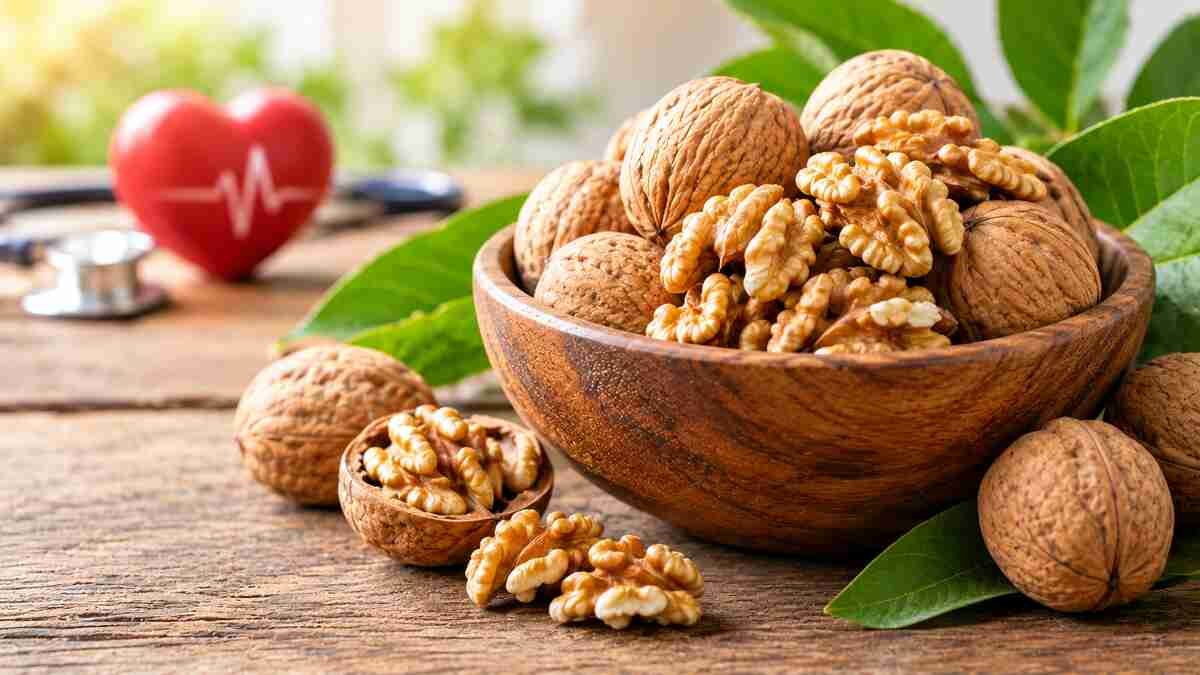

Walnuts are one of the most popular nuts in heart-conscious eating patterns, and for good reason. They are rich in polyunsaturated fats, they supply plant-based omega-3 fatty acids, and they add fiber and antioxidant compounds to meals. Many people wonder whether these nutrients translate into real benefits for cholesterol, blood vessels, and overall cardiovascular health.
Research gives a fairly encouraging answer, with some caveats. The strongest evidence shows modest improvements in blood lipid measurements, while findings on blood pressure and blood vessel function are less consistent. For a broader look at daily nutrition benefits, see our guide to the benefits of eating walnuts every day.
Walnuts are one part of a balanced lifestyle, not a treatment for heart disease. This article explains what is in walnuts, seven ways they may support heart health, what the cholesterol research shows, how much to eat, and who should be careful.
What Makes Walnuts Good for Heart Health?
Walnuts stand out among tree nuts because most of their fat is polyunsaturated, and they are one of the richest nut sources of alpha-linolenic acid (ALA), a plant-based omega-3 fat. They also contain fiber, minerals, and polyphenols.
Nutritional Value of Walnuts
A typical one-ounce (28-gram) serving of English walnuts, about 14 halves, provides approximately:
| Nutrient | Approximate amount |
|---|---|
| Calories | 185 kcal |
| Protein | 4.3 g |
| Total fat | 18.5 g |
| Carbohydrates | 3.9 g |
| Dietary fiber | 1.9 g |
| ALA omega-3 | 2.5 g |
| Magnesium | 45 mg |
| Potassium | 125 mg |
| Phosphorus | 98 mg |
| Copper | 0.45 mg |
Values are approximate and based on USDA data for English walnuts. They vary by product.
Important Heart-Healthy Nutrients in Walnuts
- Alpha-linolenic acid (ALA): An essential omega-3 fat your body cannot make. One ounce provides more than the adequate daily intake of 1.6 grams for men and 1.1 grams for women.
- Polyunsaturated fats: These make walnuts a useful replacement for foods rich in saturated fat. Our guide to healthy fats explains the differences.
- Dietary fiber: Contributes to overall diet quality and digestive health.
- Polyphenols: Plant compounds with antioxidant properties.
- Magnesium: Supports normal muscle and nerve function, including the heart muscle.
7 Potential Heart Health Benefits of Eating Walnuts
Most walnut studies measure risk markers such as cholesterol and blood vessel function, not heart attacks or strokes. That distinction matters throughout this section. The benefits below describe what research suggests, not guaranteed outcomes.
1. May Help Lower LDL Cholesterol
LDL cholesterol is often called “bad” cholesterol because high levels contribute to plaque buildup in the arteries. Our guide to LDL vs. HDL cholesterol explains the difference.
Randomized trials suggest walnuts can modestly lower LDL, especially when they replace foods high in saturated fat. A 2026 meta-analysis of 49 randomized trials found that walnut consumption significantly lowered LDL cholesterol. Polyunsaturated fats and other walnut compounds likely contribute to this effect.
2. May Help Reduce Total Cholesterol
Total cholesterol is the sum of LDL, HDL, and a portion of triglycerides. It is a broader measure than LDL alone, and doctors usually look at the full lipid panel.
The same 2026 meta-analysis found lower total cholesterol with walnut intake. An earlier meta-analysis in the American Journal of Clinical Nutrition reported similar results and found larger reductions when walnut diets were compared with typical Western diets. This suggests the overall dietary pattern shapes how much benefit you see.
3. Provides Plant-Based Omega-3 Fatty Acids
Walnuts are an important plant source of ALA. This is different from the omega-3 fats EPA and DHA found in fatty fish, which are the forms most closely tied to heart research.
The NIH Office of Dietary Supplements notes that the body converts only small amounts of ALA into EPA and DHA. Walnuts are a valuable omega-3 source, particularly for people who eat little fish, but they do not fully replace it. See our guides to omega-3 fatty acids and fatty fish.
4. May Support Healthy Blood Vessel Function
The endothelium is the thin inner lining of blood vessels. When it works well, vessels can widen and narrow as needed to regulate blood flow. Researchers often measure this using flow-mediated dilation (FMD).
A meta-analysis of randomized trials suggests walnuts may improve FMD, although other vascular markers did not change and the authors called for more research. One crossover trial found that daily walnuts improved endothelial function in overweight adults without causing weight gain. These findings are promising, but they do not show that walnuts prevent blocked arteries.
5. Provides Antioxidants That Support Cardiovascular Health
Oxidative stress occurs when unstable molecules called free radicals outpace the body’s natural defenses. Researchers study oxidative processes as one factor in cardiovascular disease.
Walnuts contain polyphenols and other antioxidant compounds. No single food provides complete antioxidant protection, so variety matters. Our list of antioxidant-rich foods shows how to build that variety.
6. May Help Improve Triglyceride Levels
Triglycerides are a type of fat in the blood, and high levels are linked with cardiovascular risk. They are measured on a standard lipid panel.
The 2026 meta-analysis found modest triglyceride reductions with walnut consumption. Results vary from person to person. Replacing less nutritious foods with walnuts, instead of simply adding more calories, is the most sensible approach.
7. May Contribute to an Overall Heart-Healthy Eating Pattern
Walnuts fit naturally into diets that emphasize vegetables, fruits, legumes, whole grains, and unsaturated fats. They work best as a replacement for foods high in saturated fat, such as processed snacks or fatty meats.
Overall habits matter more than any single food. See our guides to heart-healthy foods, vegetables for heart health, and the Mediterranean diet.
How Do Walnuts Affect Cholesterol Levels?
Cholesterol is the best-supported area of walnut research. The effects are modest on average, but the findings are consistent across several reviews.
Walnuts and LDL Cholesterol
High LDL cholesterol is a recognized risk factor for cardiovascular disease. A 2026 meta-analysis of 49 randomized trials with 4,611 participants found walnuts lowered LDL by roughly 6 mg/dL on average.
That number is small compared with cholesterol medication. Still, substituting walnuts for foods high in saturated fat may help improve the whole picture. Learn more in our guides to cholesterol and heart health and high cholesterol.
Walnuts and HDL Cholesterol
HDL is often called “good” cholesterol. The 2026 meta-analysis found no significant overall change in HDL with walnut intake, so walnuts should not be expected to raise it.
A single number rarely tells the whole story. Doctors consider LDL, HDL, triglycerides, and other risk factors together.
Walnuts and Triglycerides
Triglycerides are measured in a fasting blood test. The 2026 meta-analysis found modest reductions with walnut consumption, similar in size to the LDL changes.
Walnuts cannot replace prescribed cholesterol treatment. If your doctor recommends medication, take it as directed and ask how diet can support your plan.
How Many Walnuts Should You Eat for Heart Health?
About one ounce (28 grams), or roughly 14 walnut halves, is a commonly studied serving. This is a small handful for most people. For context, the FDA allows a qualified health claim for 1.5 ounces of walnuts per day, noting that research is supportive but not conclusive.
Individual needs vary. Your calorie goals, health conditions, and overall diet all affect what makes sense. Eating more does not automatically provide more heart benefits, and walnuts are calorie-dense at about 185 calories per ounce. They should replace other foods where possible. Our article on whether nuts are good for weight management covers this in more detail.
Plain, unsalted walnuts are a practical choice. For comparisons across nut types, see how many nuts you should eat every day.
Is It Better to Eat Walnuts Every Day?
Regular consumption fits easily into a balanced diet, and consistency may help because lipid changes in trials appeared during sustained intake. Still, you do not need to eat walnuts daily to have a nutritious diet.
Many people do well eating them a few times a week, mixed with other nuts and plant foods. What you replace matters as much as how often you eat them.
Easy Ways to Add Walnuts to a Heart-Healthy Diet
Breakfast Ideas
- Stir chopped walnuts into oatmeal.
- Sprinkle walnuts over plain yogurt and fruit.
- Mix them into whole-grain cereal.
Lunch and Dinner Ideas
- Toss walnuts into vegetable salads.
- Add crushed walnuts to whole-grain dishes such as brown rice or quinoa.
- Blend finely chopped walnuts into homemade sauces.
Healthy Snack Ideas
- Pair walnuts with fresh fruit.
- Combine them with other unsalted nuts.
- Enjoy plain walnut halves on their own.
Possible Side Effects and Precautions of Eating Walnuts
Walnut Allergies
Walnuts are tree nuts, and tree nut allergies can be serious. The FDA lists tree nuts among the major food allergens. People with a known walnut allergy should avoid them.
Seek urgent medical help for signs of a severe allergic reaction, such as trouble breathing, swelling of the lips or throat, or fainting.
Digestive Discomfort
Increasing fiber or fat intake quickly can cause bloating or discomfort for some people. Add walnuts gradually and drink enough water.
Salted and Flavored Walnuts
Salted, candied, or flavored walnuts can add sodium, sugar, and oils that work against heart-healthy goals. Check ingredient and nutrition labels, and choose plain or unsalted walnuts most of the time.
Individual Dietary Needs
People with specific health conditions, dietary restrictions, or medications may benefit from personalized nutrition advice. If you are managing heart disease or high cholesterol, talk with your doctor or a registered dietitian.
Frequently Asked Questions About Walnuts and Heart Health
1. Are walnuts good for heart health?
Walnuts contain unsaturated fats, ALA omega-3, fiber, and plant compounds. Research suggests they can modestly improve certain blood lipid measurements when eaten as part of a balanced diet. They are one useful part of a heart-healthy eating pattern, not a standalone solution.
2. Can walnuts help lower LDL cholesterol?
Yes, clinical research supports modest reductions in LDL cholesterol with walnut-enriched diets. A 2026 meta-analysis of 49 trials found significant LDL reductions on average. The effect is small and does not replace medication your doctor prescribes.
3. How many walnuts should you eat daily for heart health?
About one ounce (28 grams), or roughly 14 halves, is a commonly studied serving. Individual needs vary with calorie goals and health conditions. A healthcare professional can help you decide what fits your situation.
4. Do walnuts help lower blood pressure?
Research has not consistently shown an overall blood pressure reduction. An American Journal of Clinical Nutrition meta-analysis found no significant change in blood pressure with walnut-enriched diets. Walnuts may still offer other cardiovascular benefits, and our guide to how to lower blood pressure covers proven strategies.
5. Are walnuts better than almonds for heart health?
Both nuts offer beneficial nutrients and can fit into a heart-healthy diet. Walnuts provide more ALA omega-3, while almonds provide more fiber and vitamin E. Neither is universally superior, and our almonds vs. walnuts comparison explains the differences.
6. Are raw or roasted walnuts better for your heart?
Both can be nutritious. The main difference is what gets added, so choose unsalted walnuts without unnecessary sugar or oils. Dry-roasted or raw plain walnuts are practical options.
7. Can eating walnuts prevent heart disease?
No food can guarantee prevention of heart disease. The FDA’s qualified health claim describes the supporting research as “supportive but not conclusive.” Walnuts may contribute to cardiovascular health, but lifestyle, genetics, and medical care all matter. See our guide on how to prevent heart disease.
Conclusion: Should You Include Walnuts in a Heart-Healthy Diet?
The health benefits of walnuts for the heart come mainly from their ALA omega-3 fats, polyunsaturated fats, fiber, and antioxidant compounds. Their best-supported cardiovascular benefit is modest improvement in cholesterol and triglyceride measurements. They may also support blood vessel function, although evidence is still developing, and they have not been shown to lower blood pressure consistently.
A small handful of plain walnuts fits easily into everyday meals. Keep the bigger picture in mind: a heart-healthy lifestyle depends on your overall diet, physical activity, sleep, and medical care, not on one food. To keep learning, explore more guides on heart health and nutrition at CollectedMed.
Sources
- Effects of Walnut Consumption on Blood Lipid Profile and Apolipoproteins in Adults: A GRADE-Assessed Systematic Review and Dose-Response Meta-Analysis of 49 Randomized Controlled Trials. Food Science & Nutrition. 2026.
- Guasch-Ferré M, et al. Effects of walnut consumption on blood lipids and other cardiovascular risk factors: an updated meta-analysis and systematic review of controlled trials. American Journal of Clinical Nutrition. 2018.
- Effect of walnut consumption on markers of endothelial function in adults: a systematic review and meta-analysis of randomized controlled trials.
- Katz DL, et al. Effects of walnuts on endothelial function in overweight adults with visceral obesity: a randomized, controlled, crossover trial. Journal of the American College of Nutrition. 2012.
- NIH Office of Dietary Supplements. Omega-3 Fatty Acids: Fact Sheet for Consumers.
- U.S. Food and Drug Administration. Qualified health claim for walnuts and coronary heart disease (archived announcement). 2004.
- U.S. Food and Drug Administration. Food Allergies.
Medical Disclaimer: This article is for general educational purposes only and is not a substitute for professional medical advice, diagnosis, or treatment. Nutrition needs vary from person to person, so talk with your doctor or a registered dietitian before making major changes to your diet, especially if you have heart disease, high cholesterol, a food allergy, or take medication. Never ignore professional advice or delay seeking care because of something you read here.