
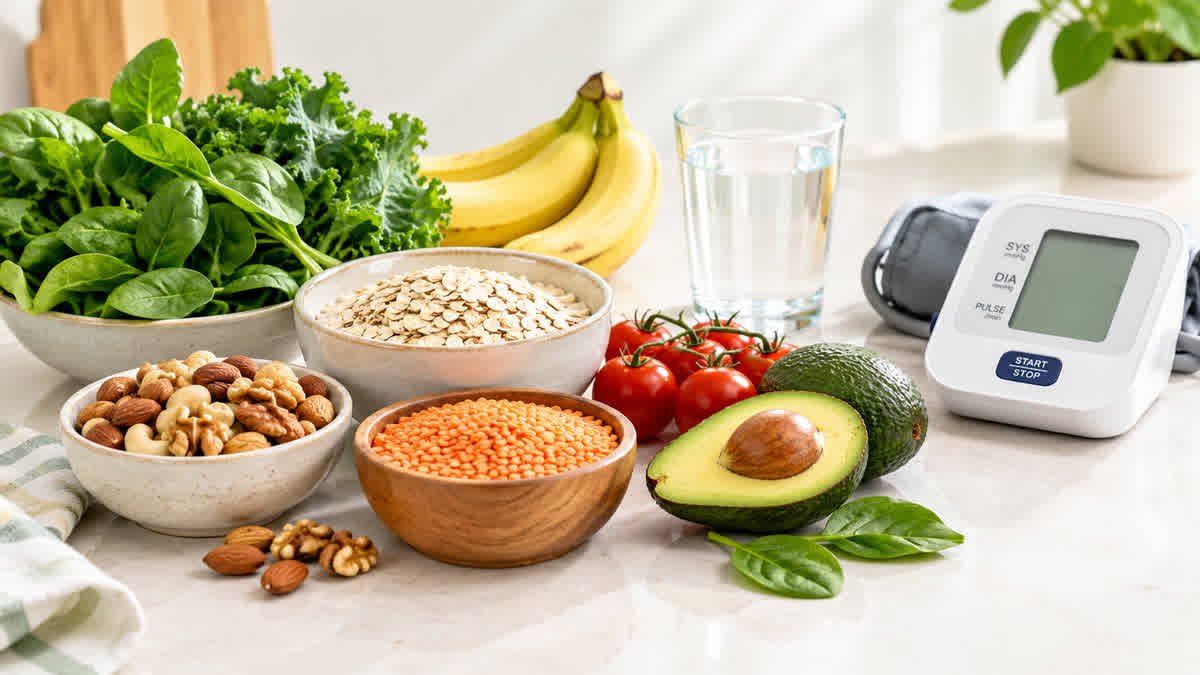

High blood pressure (hypertension) is one of the most common health conditions in the United States, and it usually causes no obvious symptoms. You can feel completely fine and still have readings that strain your heart, brain, and kidneys over time. That is why many people search for natural home remedies for high blood pressure, and why accurate measurement matters more than how you feel.
The good news is that everyday habits can make a real difference. Cutting back on sodium, following a DASH-style eating pattern, staying active, sleeping well, and limiting alcohol are the cornerstones of safe ways to lower blood pressure. These habits work best alongside your treatment plan, and they do not replace prescribed medicine unless your clinician says so.
This guide covers 10 evidence-based home strategies, what the research says about popular remedies such as garlic and hibiscus tea, a sample day of eating, and when high readings need urgent care.
What Is High Blood Pressure?
Understanding Blood Pressure Readings
Blood pressure is the force of blood against the walls of your arteries. Two numbers describe it: systolic pressure (the top number, measured when the heart beats) and diastolic pressure (the bottom number, measured between beats). The American Heart Association (AHA) uses these categories:
- Normal: below 120/80 mm Hg
- Elevated: 120 to 129 systolic and below 80 diastolic
- Stage 1 hypertension: 130 to 139 systolic or 80 to 89 diastolic
- Stage 2 hypertension: 140/90 mm Hg or higher
Repeated high readings increase the risk of heart disease, stroke, and kidney problems. Since high blood pressure often has no symptoms, only a measurement can tell you where you stand.
Our guide to blood pressure and heart health explains the connection further.
Can You Lower High Blood Pressure Naturally?
Consistent lifestyle changes can improve blood pressure over time. The 2025 AHA/ACC high blood pressure guideline emphasizes lifestyle measures as a foundation of care. The National Center for Complementary and Integrative Health (NCCIH) likewise lists healthy eating, physical activity, a healthy weight, limited alcohol, and stress management as core strategies.
Results vary, and changes take weeks to months rather than days. Some people also need prescription medication, even with excellent habits. How much lifestyle change helps depends on your starting point, your risk factors, and your medical history.
10 Natural Home Remedies for High Blood Pressure
The measures below are habits that support blood pressure control. They are not substitutes for prescribed treatment.
1. Reduce Salt and Sodium Intake
Sodium makes the body hold extra fluid, which raises the pressure inside blood vessels. The AHA recommends no more than 2,300 mg of sodium a day, with an ideal limit of 1,500 mg for most adults, especially those with high blood pressure. Some people are more salt-sensitive than others, but most adults eat more than they need.
- Add less salt when cooking and at the table.
- Limit salty snacks, instant noodles, processed meats, pickles, and packaged foods.
- Compare sodium on nutrition labels. Our guide to reading nutrition facts can help.
- Season with garlic, ginger, lemon, herbs, and spices.
If you eat South Asian foods, watch for salty achar (pickles), packaged savory snacks, instant noodles, and heavily salted curries. Even small cuts add up: the AHA notes that reducing sodium by 1,000 mg a day can improve blood pressure.
2. Follow a DASH-Style Eating Plan
The Dietary Approaches to Stop Hypertension (DASH) plan is the best-studied eating pattern for blood pressure. According to the National Heart, Lung, and Blood Institute (NHLBI), it emphasizes vegetables, fruits, and whole grains, plus low-fat dairy, fish, poultry, beans, nuts, and vegetable oils. It limits saturated fat, sugary drinks, and sweets.
You can adapt it to familiar foods: lentil dal with less salt, vegetable-heavy meals, beans, oats, and whole-grain roti. For more ideas, see our guides to heart-healthy foods and the Mediterranean diet.
3. Eat More Potassium-Rich Foods When Appropriate
Potassium helps counter some of sodium’s effects on blood pressure, according to Mayo Clinic. Food sources include bananas, oranges, beans, lentils, leafy greens, potatoes, sweet potatoes, and yogurt. You can read more about bananas and Greek yogurt and blood pressure.
A safety note: potassium is not right for everyone. People with kidney disease, high blood potassium, or certain medicines (such as ACE inhibitors or potassium-sparing diuretics) can develop dangerous potassium levels from salt substitutes. Ask your clinician before deliberately increasing potassium or using potassium-based salt substitutes.
4. Exercise Regularly
Regular activity helps the heart and blood vessels work more efficiently. Adults are generally advised to work toward 150 minutes of moderate-intensity aerobic activity a week, as health and ability allow.
- Brisk walking, cycling, swimming, or dancing all count.
- Start gradually if you are inactive and build up.
- Talk to your clinician before strenuous exercise if your blood pressure is very high or uncontrolled, or if you have symptoms.
Our guides to walking for health and exercise and heart health can help you get started.
5. Maintain a Healthy Weight
Excess body weight can raise blood pressure, and modest weight loss may lower it in people who would benefit. The 2025 guideline recommends losing at least 5% of body weight for people with overweight or obesity, according to AHA summaries. Gradual dietary changes combined with regular movement work better than crash diets or unproven weight-loss supplements.
People at a healthy weight do not need to lose weight to benefit from the other strategies here. See our guide to weight management for sustainable approaches.
6. Manage Stress With Relaxation Techniques
Long-term stress may play a part in high blood pressure, and stress can also push people toward habits that raise it. Options include slow, comfortable breathing, mindfulness, gentle yoga (with your clinician’s guidance), short outdoor walks, and regular breaks.
NCCIH notes that relaxation techniques have shown modest, short-term reductions in blood pressure, although many studies were of poor quality. They are helpful extras, not treatment. Our guide on how to reduce stress has practical ideas.
7. Improve Sleep Quality
Mayo Clinic notes that getting fewer than seven hours of sleep for weeks can play a role in high blood pressure. Most adults do best with seven to nine hours.
- Keep a consistent sleep schedule.
- Limit caffeine late in the day.
- Keep your bedroom dark and comfortable.
Loud snoring, gasping during sleep, or heavy daytime sleepiness may signal sleep apnea, which can raise blood pressure and make it harder to control. Ask a clinician about testing. See also our guide on how to improve sleep.
8. Limit Alcohol and Avoid Tobacco
The 2025 AHA/ACC guideline, as summarized by the AHA, advises eliminating or substantially limiting alcohol to support blood pressure control. If you drink, talk with your clinician about what is reasonable for you.
Smoking raises blood pressure and increases cardiovascular risk. Ask your clinician about support to quit. Do not assume other nicotine products are harmless substitutes, since nicotine can raise blood pressure temporarily.
9. Monitor Your Blood Pressure at Home
The AHA recommends home monitoring for anyone with high blood pressure to see whether treatment and lifestyle changes are working. For reliable readings:
- Use a validated, automatic, upper-arm cuff monitor with the right cuff size (check validatebp.org).
- Avoid smoking, caffeine, alcohol, and exercise for 30 minutes beforehand.
- Sit quietly for at least five minutes, back supported, feet flat, arm resting at heart level.
- Take two readings one minute apart, ideally morning and evening, and record all results.
A single reading does not diagnose anything, and home monitoring does not replace clinic visits. Share your log with your healthcare professional. The AHA also provides a printable home measurement guide.
10. Take Prescribed Medication Consistently
Medication is not a home remedy, but it belongs in any safe discussion of blood pressure. Many people need it alongside lifestyle changes. Take medicines as directed, tell your clinician about side effects, and never stop or change a dose because your readings improved. Good numbers often mean the treatment is working.
Natural Remedies for High Blood Pressure: What About Garlic, Hibiscus Tea, and Supplements?
Popular remedies get a lot of attention. The evidence for them is much weaker than for the habits above.
Garlic and Blood Pressure
NCCIH says garlic preparations may lower blood pressure in people with hypertension, but most research consists of small, preliminary, or low-quality studies. A review it cites found the effect fell within normal measurement variability, so its true impact is hard to judge. Garlic supplements can interact with some medicines and may raise bleeding risk, so ask a pharmacist first.
Our articles on garlic for high blood pressure and garlic’s health benefits go deeper.
Hibiscus Tea
Some small, short trials suggest hibiscus tea may modestly lower blood pressure, but the evidence is not strong enough to treat it as a substitute for standard care. It may also add to the effect of blood pressure or blood sugar medicines, and it is generally avoided in pregnancy. Check with your clinician or pharmacist before drinking it regularly.
Apple Cider Vinegar and Other Popular Remedies
There is not enough reliable evidence to recommend apple cider vinegar for high blood pressure. Be wary of detox drinks, unregulated supplements, and claims of rapid reductions. Our article on green tea and beetroot and blood pressure look at other popular options.
Are Natural Supplements Always Safe?
No. NCCIH warns that some supplements, including bitter orange, ephedra, ginseng, and licorice root, may raise blood pressure, and some can interact harmfully with blood pressure medicines. Stimulant-containing and unverified herbal products are especially risky. Review any supplement with a pharmacist or clinician.
Best Foods to Eat for High Blood Pressure
Foods That Support Healthy Blood Pressure
No single food acts like medicine. These foods fit a DASH-style pattern that supports blood pressure as a whole:
- Leafy greens and other vegetables
- Bananas, oranges, and other whole fruit
- Beans, lentils, and chickpeas
- Oats, brown rice, and whole grains
- Unsalted nuts and seeds
- Fish and other lean proteins
Fish is also a good source of heart-healthy fats; see our guide to healthy fats and olive oil and high blood pressure.
Foods to Limit
Cut back on high-sodium packaged foods, processed meats, salty snacks, excess saturated fat, and sugary drinks, as the NHLBI advises.
A Simple Heart-Healthy Daily Menu
This is an example, not a prescribed diet. Portions and needs vary.
| Meal | Example |
|---|---|
| Breakfast | Oatmeal with banana and unsalted nuts |
| Lunch | Lentil dal, vegetables, and a modest portion of brown rice or whole-grain roti |
| Snack | Fresh fruit or unsalted nuts |
| Dinner | Grilled fish, beans, or tofu with vegetables |
People with kidney disease or other conditions may need individualized limits on potassium or other nutrients, so check with your clinician or a registered dietitian.
Can You Lower High Blood Pressure Quickly at Home?
Blood pressure naturally rises and falls through the day, so one high reading is not always an emergency. Here is a safe plan:
- Stop what you are doing and sit quietly.
- Rest for at least five minutes.
- Recheck using a properly fitted upper-arm cuff.
- Write down the reading and any symptoms.
- Take prescribed medicine as usual. Do not take extra doses unless a clinician tells you to.
Breathing exercises, water, garlic, and other home remedies cannot be relied on to treat dangerously high blood pressure.
Critical safety note: Per the AHA, if your reading is higher than 180 systolic and/or 120 diastolic, wait five minutes and test again. If it is still that high and you have chest pain, shortness of breath, back pain, numbness or weakness, vision changes, or trouble speaking, call 911. Do not wait to see if it comes down. Without such symptoms, contact a healthcare professional right away for instructions.
When to See a Doctor About High Blood Pressure
Signs That Require Medical Evaluation
Persistent high readings need assessment even if you feel well. Contact your healthcare team if you have:
- Repeated readings above your target range
- Blood pressure that stays high despite lifestyle changes
- Medication side effects or trouble following your plan
- Signs of sleep apnea or another condition that may contribute
Pregnancy and the weeks after childbirth carry specific blood pressure risks, and the 2025 guideline discusses monitoring and treatment during these periods. Seek prompt advice if you are pregnant or recently gave birth and have high readings.
When High Blood Pressure Is an Emergency
A repeated reading above 180/120 mm Hg with warning symptoms is an emergency. Call 911 or your local emergency number rather than waiting for a natural remedy to work. Our guides on heart attack symptoms and when chest pain is an emergency explain other warning signs.
Why Medication May Still Be Necessary
Whether you need medicine depends on your blood pressure level, cardiovascular risk, and other conditions. For low-risk stage 1 hypertension, current guidance supports a period of lifestyle change before adding medicine, according to AHA summaries. Many people with higher readings or higher risk need medicine from the start. Our guide on preventing heart disease offers more context.
Frequently Asked Questions About Natural Home Remedies for High Blood Pressure
What Is the Best Natural Remedy for High Blood Pressure?
No single remedy works for everyone. Reducing sodium, following a DASH-style diet, exercising regularly, and monitoring at home are the best-supported starting points, according to the AHA and ACC.
Which Foods Can Help Lower Blood Pressure Naturally?
Vegetables, fruits, whole grains, legumes, and unsalted nuts are core parts of the DASH eating plan. They work as part of an overall pattern, not as individual cures.
Does Drinking Water Lower High Blood Pressure?
Staying hydrated supports normal body function, but extra water is not an established treatment for hypertension. If you have a fluid restriction because of heart or kidney disease, follow your clinician’s advice.
Can Garlic or Hibiscus Tea Lower Blood Pressure?
Studies suggest possible small effects, but the evidence is limited, and NCCIH describes most garlic research as small or low quality. Neither should replace prescribed treatment.
How Long Does It Take to Lower Blood Pressure Naturally?
It varies. Some changes, like eating less sodium, may influence readings within weeks, while lasting improvement depends on consistency and your overall health. Track your readings and review them with your clinician.
Can I Stop Blood Pressure Medication if My Readings Improve?
No. Improved readings usually mean your treatment is working. The AHA advises talking to your healthcare professional before changing any blood pressure medicine.
Final Thoughts on Natural Home Remedies for High Blood Pressure
Lifestyle changes can make a meaningful contribution to managing high blood pressure. Reducing sodium, eating a heart-healthy diet, staying active, and sleeping well are practical places to start.
Home monitoring helps you track progress and work with your healthcare team. Supplements are not automatically safe or effective, and prescribed medicine remains important when recommended. Share your readings with a qualified healthcare professional, and explore our heart health resources for more evidence-based guidance.
Sources
- 2025 AHA/ACC Guideline for the Prevention, Detection, Evaluation, and Management of High Blood Pressure in Adults (J Am Coll Cardiol, 2025)
- American Heart Association: Understanding Blood Pressure Readings
- American Heart Association: Monitoring Your Blood Pressure at Home
- American Heart Association: Home Blood Pressure Measurement Instructions
- American Heart Association: Hypertensive Crisis, When You Should Call 911
- American Heart Association: Reducing Sodium in the U.S. Diet (fact sheet)
- NHLBI: DASH Eating Plan
- NCCIH: Hypertension (High Blood Pressure)
- NCCIH: Complementary Health Approaches for Hypertension, What the Science Says
- NCCIH Clinical Digest: Hypertension
- Mayo Clinic: 10 Ways to Control High Blood Pressure Without Medication
- Cleveland Clinic: Are Salt Substitutes a Healthy Way to Lower Your Sodium Intake?
- HHS: Physical Activity Guidelines for Americans, 2nd edition
Medical Disclaimer: This article is for general education only and is not medical advice. It cannot diagnose or treat any condition, and it may not apply to your situation. Talk with a doctor, pharmacist, or other qualified healthcare provider before changing your diet, starting a supplement, or stopping or changing any medicine. If you think you are having a medical emergency, such as chest pain, trouble breathing, or signs of a stroke, call 911 or your local emergency number right away.