
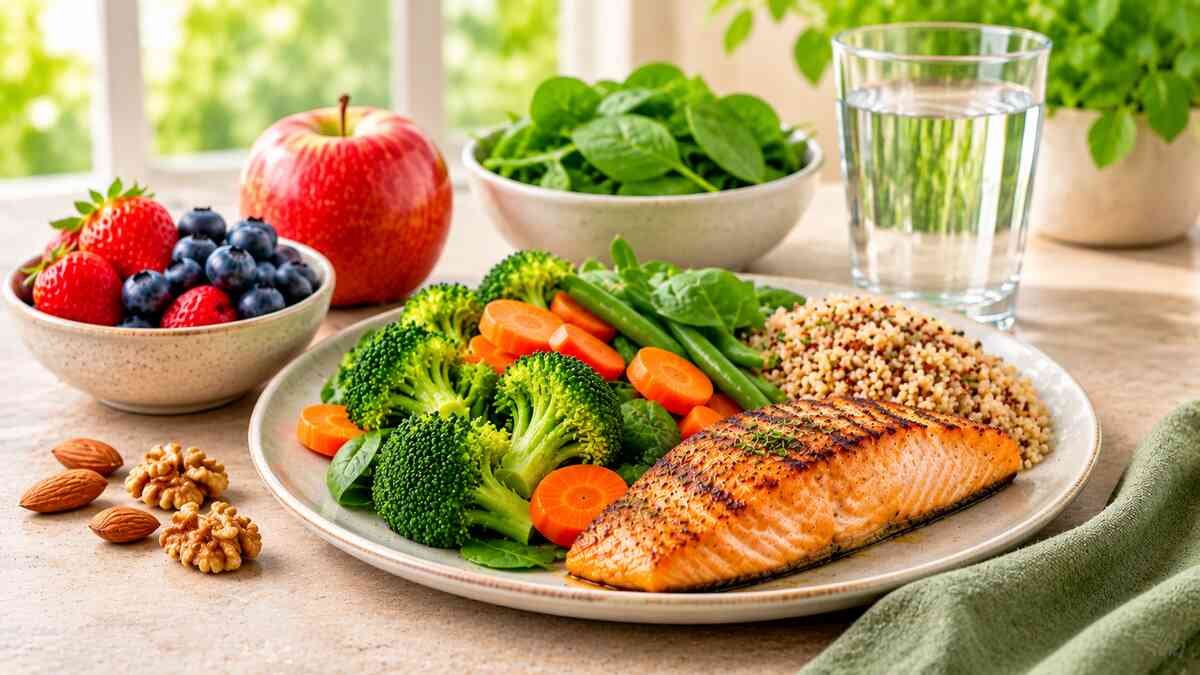

Managing high blood pressure is not only about using less salt. The overall quality of your daily diet can make a meaningful difference. High blood pressure (hypertension) is a major risk factor for heart disease, stroke, and kidney problems, and what you eat influences it over time.
The DASH diet was developed specifically to help prevent and manage hypertension. DASH stands for Dietary Approaches to Stop Hypertension, and it centers on fruits, vegetables, whole grains, low-fat dairy, lean proteins, and lower-sodium foods. It has been studied in well-known clinical trials and is recommended in current U.S. guidelines.
This guide explains how the DASH diet works, what the research shows, which foods to choose, how much sodium to aim for, and what a typical day of eating can look like. It also covers safety considerations, because DASH supports blood pressure management but does not replace prescribed treatment.
What Is the DASH Diet?
The NHLBI DASH eating plan was developed through research supported by the National Heart, Lung, and Blood Institute. It was designed to lower blood pressure using food rather than special products.
The plan emphasizes fruits, vegetables, whole grains, and low-fat dairy. It also includes fish, poultry, beans, nuts, seeds, and vegetable oils. These foods are rich in potassium, calcium, magnesium, and fiber. At the same time, DASH limits saturated fat, sugary drinks, and excess sodium.
DASH is a flexible eating pattern rather than a restrictive or commercial diet. Serving targets depend on calorie needs. For a 2,000-calorie plan, NHLBI examples include 4 to 5 daily servings each of vegetables and fruit, 6 to 8 servings of grains, and 2 to 3 servings of low-fat dairy (NHLBI: Following DASH). For a complete food list, see our guide on what to eat on the DASH diet, or start with DASH diet for beginners.
How Does the DASH Diet Help Lower High Blood Pressure?
DASH works through several overlapping mechanisms. No single food or nutrient explains the effect, and results vary by person.
Helps Reduce Excess Sodium
Excess sodium can contribute to higher blood pressure in many people. DASH encourages fresh and minimally processed foods, which tend to contain less sodium than packaged and restaurant meals. According to the American Heart Association and American College of Cardiology, most sodium in the U.S. diet comes from packaged and restaurant foods, not the salt shaker.
Reducing sodium on top of the DASH pattern may provide additional benefit, as the research below shows.
Provides Potassium-Rich Foods
Potassium helps balance the effects of sodium in the body. Foods such as beans, leafy greens, potatoes, bananas, and yogurt are good sources. See our guide to potassium-rich vegetables for more ideas.
A safety note: people with kidney disease, or who take certain medications, may need individualized potassium guidance. We cover this in more detail below.
Supplies Calcium and Magnesium
Calcium and magnesium contribute to normal muscle and blood vessel function. Dairy products, leafy vegetables, legumes, nuts, and seeds are common sources. DASH includes all of these.
Encourages an Overall Heart-Healthy Eating Pattern
DASH emphasizes fiber-rich foods and healthier fat choices while limiting saturated fat and highly processed foods. These habits support broader cardiovascular health, not only blood pressure. For more on this connection, see our article on blood pressure and heart health.
Benefits of the DASH Diet for People With High Blood Pressure
May Lower Systolic and Diastolic Blood Pressure
The original DASH trial, supported by NHLBI, tested the eating pattern in 459 adults and found it lowered blood pressure, with the greatest effect in people who had high blood pressure. According to NHLBI’s summary of the DASH research, these reductions came quickly, within about two weeks of starting the plan.
The size of the improvement varies from person to person. Controlled feeding trials, in which researchers provide all the food, tend to show larger effects than everyday life, where people prepare their own meals.
May Work Even Better With Sodium Reduction
The DASH-Sodium trial tested the DASH diet and a typical American diet at three sodium levels: 3,300 mg, 2,400 mg, and 1,500 mg per day. It included 412 adults and lasted 14 weeks. As described in an NHLBI news release, the biggest reductions came from following the DASH diet at the lowest sodium level, which lowered blood pressure more than either DASH or lower sodium alone.
Among participants with hypertension, the combination lowered systolic blood pressure by an average of 11.5 mm Hg compared with the typical diet at the highest sodium level. Among those without hypertension, the average was 7.1 mm Hg. These were controlled feeding results, so real-world results may differ.
This does not mean everyone must adopt the strictest sodium target right away. Gradual changes are often easier to maintain.
Supports Heart Health
Managing blood pressure can reduce cardiovascular risk over time. Replacing some high-saturated-fat foods with healthier options may also help. DASH should not be viewed as a guarantee against any specific heart condition. It is one part of a larger plan that includes physical activity, sleep, not smoking, and medical care. See our guide on how to prevent heart disease.
Encourages Sustainable Eating Habits
DASH uses familiar food groups and does not require special products. Because it is flexible, you can adapt it to your culture, budget, and taste. Making changes gradually often works better than overhauling every meal at once.
Best Foods to Eat on the DASH Diet
Vegetables
Spinach, broccoli, carrots, cabbage, cauliflower, green beans, and bell peppers are good choices. They provide fiber, potassium, and many other nutrients. Learn more in our guides on the benefits of eating vegetables daily, cruciferous vegetables, and vegetables for blood pressure.
If you want help eating more of them, see how to eat more vegetables.
Fruits
Bananas, oranges, apples, berries, pears, and melons all fit. Choose whole fruit more often than fruit drinks or products with added sugar. Whole fruit provides fiber and helps with fullness. See our article on the health benefits of bananas.
Whole Grains
Oats, brown rice, barley, whole-wheat bread, and quinoa provide fiber and support overall diet quality. Gradually swapping some refined grains for whole grains is an easy first step.
Low-Fat Dairy Products
Plain low-fat yogurt, low-fat milk, and reduced-fat dairy products provide calcium and protein. If you have lactose intolerance, consider lactose-free options or fortified alternatives that supply calcium and vitamin D.
Lean Protein, Beans, Nuts, and Seeds
Fish, skinless poultry, lentils, chickpeas, beans, unsalted almonds, walnuts, and seeds can replace some fatty or processed meats. Plant proteins also add fiber. See our guide to the health benefits of nuts.
Foods to Limit on the DASH Diet
The goal is to make lower-sodium, nutrient-rich choices more often, not to ban favorite foods. Foods to limit include:
- Processed meats such as sausages, bacon, and ham
- Instant noodles and packaged soups
- Salty snacks and heavily salted foods
- Pickles, salted sauces, and high-sodium condiments
- Fast food and many restaurant meals
- Fatty meats and full-fat dairy products
- Sugary drinks, sweets, and frequent desserts
Sodium can be high in foods that do not taste especially salty, such as bread, cereals, and sauces. Check nutrition labels and compare serving sizes, since the numbers on a label apply to one serving, not the whole package.
How Much Sodium Should You Eat on the DASH Diet?
Sodium is one of the most common DASH questions, so here is a clear breakdown.
The Standard DASH Sodium Target
The standard DASH plan aims for no more than 2,300 mg of sodium per day. This is a daily upper limit, not a goal to reach. The 2025 AHA/ACC high blood pressure guideline likewise recommends limiting sodium to less than 2,300 mg per day, according to the ACC announcement.
The Lower-Sodium DASH Option
The lower-sodium version aims for 1,500 mg per day. The 2025 guideline describes this as an ideal limit for most adults, and many people see greater blood pressure reductions at this level. The right target for you depends on your health, so discuss it with a healthcare professional.
Practical Ways to Reduce Sodium
- Compare nutrition labels and pick the lower-sodium option.
- Choose fresh or frozen vegetables without added salt or sauces.
- Rinse canned beans and vegetables when appropriate.
- Season with garlic, ginger, herbs, spices, and salt-free blends.
- Cut back on salty sauces, stock cubes, and packaged seasonings.
- Ask for sauces and dressings on the side when eating out.
Our article on garlic for high blood pressure covers one flavorful alternative to salt.
Sample One-Day DASH Diet Meal Plan for High Blood Pressure
This is an illustration, not a personalized medical meal prescription.
| Meal | Example Foods |
|---|---|
| Breakfast | Oatmeal with banana slices, unsalted nuts, and low-fat milk |
| Morning snack | An apple or a small bowl of berries |
| Lunch | Grilled fish or skinless chicken, brown rice, and mixed vegetables |
| Afternoon snack | Plain low-fat yogurt |
| Dinner | Lentil curry prepared with limited salt, steamed vegetables, and a modest portion of whole grains |
| Optional snack | Fresh fruit or a small portion of unsalted nuts |
A few practical notes:
- Choose fresh ingredients where possible.
- Use herbs and spices instead of relying on salt.
- Adjust portions to your calorie needs.
- Check packaged ingredients for sodium.
How to Start the DASH Diet: Practical Tips for Beginners
You do not need to change everything at once. These steps are manageable:
- Add one extra serving of vegetables to your daily meals.
- Replace refined grains with whole grains more often.
- Choose fresh fish, poultry, beans, or lentils instead of processed meat.
- Compare sodium levels when you shop.
- Reduce salt gradually, since taste preferences often adjust over a few weeks.
- Prepare more meals at home when practical.
- Track your blood pressure as your healthcare professional recommends.
Consistency matters more than perfection. For more ideas, see our guides on how to lower blood pressure and natural home remedies for high blood pressure.
Is the DASH Diet Safe for Everyone?
DASH is suitable for many adults, but some people need adjustments.
Chronic kidney disease. People with kidney disease may need limits on potassium, phosphorus, or other nutrients. Standard DASH is rich in potassium, so ask a nephrologist or renal dietitian first. Our article on whether the DASH diet is safe long term covers this in depth.
Certain medications. ACE inhibitors, angiotensin receptor blockers (ARBs), and potassium-sparing diuretics can raise potassium levels. See the NIH potassium fact sheet for details.
Potassium-based salt substitutes. The 2025 guideline supports potassium-enriched salt substitutes for people without kidney disease or a risk of high potassium. They are not appropriate for everyone, so check with your clinician first.
Other medical needs. People with other diet restrictions should seek individualized guidance. If you have diabetes or acid reflux, see our guides on the DASH diet and type 2 diabetes and the DASH diet and acid reflux.
Do not stop prescribed blood pressure medication because you begin following DASH.
DASH Diet vs. Other Diets for High Blood Pressure
- Mediterranean diet: Emphasizes vegetables, fruits, legumes, whole grains, fish, nuts, and olive oil. See our Mediterranean diet guide.
- Low-sodium diet: Focuses specifically on sodium and can be combined with DASH.
- General heart-healthy eating: Shares many DASH principles but may lack the same structured food-group guidance.
The best pattern depends on your health, food preferences, cultural habits, and medical advice. Many people find a blend that suits them.
Frequently Asked Questions
Can the DASH diet really lower high blood pressure?
Yes, for many people. Clinical trials supported by NHLBI found that the DASH eating pattern lowered blood pressure (NHLBI), though individual results vary.
How quickly does the DASH diet lower blood pressure?
In the original trial, reductions appeared within about two weeks, according to NHLBI. Timing differs from person to person, so keep monitoring your blood pressure and follow your clinician’s advice.
Is the DASH diet better than simply reducing salt?
They work well together. In the DASH-Sodium trial, combining the DASH diet with lower sodium reduced blood pressure more than either approach alone (NHLBI release).
Can I eat rice on the DASH diet?
Yes. Brown rice and other whole grains are good options because they provide more fiber. White rice can also fit in appropriate portions.
Are bananas good for high blood pressure?
Bananas provide potassium and can fit into the DASH pattern. However, people with kidney disease or potassium restrictions should ask their healthcare professional before increasing potassium-rich foods.
Can I stop taking blood pressure medicine if I follow DASH?
No. Never stop or change prescribed medication without talking to your healthcare professional. DASH can complement treatment, and your clinician can decide whether any change in medication is appropriate.
Conclusion
The DASH diet combines nutrient-rich foods with lower sodium to support healthier blood pressure. It is flexible, practical, and adaptable to different food preferences and budgets.
Healthy eating works best alongside regular blood pressure monitoring, physical activity, and any treatment your healthcare team prescribes. Start with a few small changes, and talk with your clinician or a registered dietitian about the approach that suits you.
Sources
- NHLBI: DASH Eating Plan
- NHLBI: Following DASH
- NHLBI: The Science Behind the DASH Eating Plan
- NHLBI news release: DASH diet and reduced sodium lowers blood pressure for all
- ACC/AHA: New High Blood Pressure Guideline Emphasizes Prevention, Early Treatment to Reduce CVD Risk (2025)
- NIH Office of Dietary Supplements: Potassium Fact Sheet for Health Professionals
Medical Disclaimer: This article is for general educational purposes only and is not a substitute for professional medical advice, diagnosis, or treatment. Blood pressure and nutrition needs vary from person to person, especially for people with kidney disease or those who take blood pressure medications. Always talk with your doctor or a registered dietitian before making major dietary changes, and never stop or change prescribed medication on your own. Seek emergency care right away for symptoms such as chest pain, severe headache, shortness of breath, or sudden weakness.