
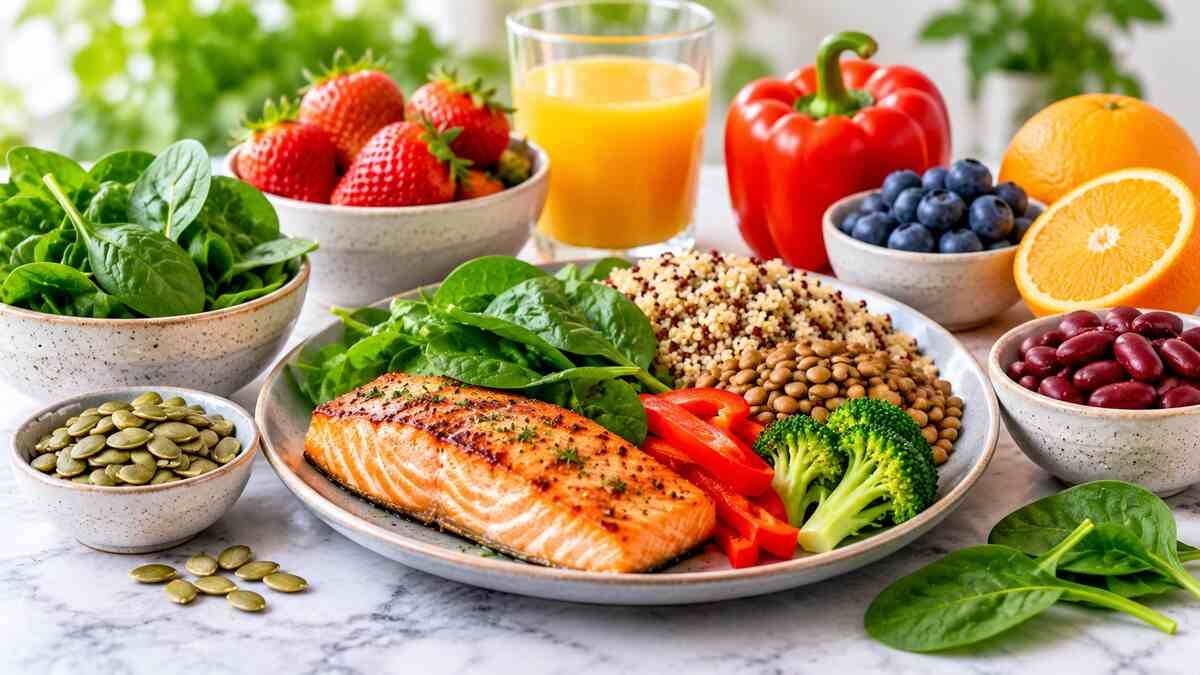

The DASH diet is best known for supporting healthy blood pressure and heart health. It centers on fruits, vegetables, whole grains, beans, nuts, and lean proteins. Many of these foods contain iron, a mineral your body relies on every day.
Iron helps your blood carry oxygen, and low iron is one of the most common nutritional concerns. That raises a practical question for people who follow a heart-healthy plan: does the DASH diet provide enough iron, and can it help you maintain healthy iron levels?
The answer depends on which foods you choose and how well your body absorbs the iron in them. Iron from plant foods is absorbed differently than iron from meat and seafood, and some foods help or hinder absorption. This guide covers iron-rich foods that fit DASH, how to improve absorption, who needs extra attention, and why a dietary pattern is not a treatment for diagnosed iron deficiency.
What Is the DASH Diet?
DASH stands for Dietary Approaches to Stop Hypertension. The NHLBI DASH eating plan was created to support healthy blood pressure through food.
It emphasizes fruits and vegetables, whole grains, and fiber-rich foods. It includes beans, peas, nuts, and seeds, along with fish, poultry, and other lean proteins. It also includes low-fat or fat-free dairy products and limits sodium, added sugars, and saturated fat.
DASH is a flexible eating pattern, not a specialized plan for iron deficiency. That means iron intake depends on the choices you make within the pattern. For more detail, see our guides on DASH diet for beginners and what to eat on the DASH diet.
Understanding Iron Deficiency and Why Iron Matters
Iron is a mineral the body needs for growth and development. Most of the iron in the body is found in hemoglobin, the protein in red blood cells that carries oxygen to tissues, according to the NIH Office of Dietary Supplements.
Iron deficiency and iron-deficiency anemia are related but not the same. Iron deficiency means the body’s iron stores are low. Anemia develops when low iron begins to reduce the number or function of red blood cells.
Possible symptoms include fatigue, weakness, and difficulty concentrating. These symptoms are common to many conditions, so they cannot confirm iron deficiency on their own. A healthcare professional can order blood tests to find out. See our guide on what causes fatigue for other possibilities.
Common causes of low iron include:
- Not getting enough iron from food
- Blood loss, such as heavy menstrual bleeding
- Problems absorbing iron
- Higher needs during certain life stages, such as pregnancy
Can the DASH Diet Help Prevent Iron Deficiency?
A thoughtfully planned DASH diet can provide dietary iron, but following DASH alone does not guarantee adequate iron intake or prevent iron deficiency.
Potential advantages:
- It includes beans and legumes, which provide non-heme iron.
- It encourages vegetables, including leafy greens.
- It includes nuts and seeds.
- It can include lean meat and seafood, which provide heme iron.
- It includes fruits rich in vitamin C, which can improve the absorption of non-heme iron.
Important limitations:
- DASH is not specifically designed to meet iron needs.
- Iron content varies a lot between foods.
- Plant-based iron is generally less well absorbed than heme iron.
- Some dietary components can reduce non-heme iron absorption.
In other words, DASH gives you a good set of ingredients, and the details of your meals determine how much iron you actually take in and absorb.
Best Iron-Rich Foods to Include in the DASH Diet
No single food can correct low iron by itself. The goal is to include a variety of iron sources across your day. Our guide on iron-rich foods lists more options.
Leafy Green Vegetables
Spinach, kale, and collard greens provide non-heme iron along with fiber, folate, and other nutrients. Keep in mind that some greens, such as spinach, are not as well absorbed as their iron content suggests. The NIH notes that spinach has low iron bioavailability because it contains absorption inhibitors such as polyphenols. See our articles on the health benefits of spinach and vegetables high in iron.
Beans and Legumes
Lentils, kidney beans, chickpeas, and white beans provide iron, fiber, and plant protein. They are a cornerstone of DASH. Learn more in our guide on the health benefits of legumes.
Nuts and Seeds
Pumpkin seeds, cashews, sesame seeds, and almonds contribute iron and healthy fats. Choose unsalted options to stay within DASH sodium goals.
Whole Grains and Fortified Cereals
Oatmeal, iron-fortified breakfast cereals, and whole-grain bread can contribute iron. According to the NIH, about half of dietary iron in the United States comes from bread, cereal, and other grain products, many of which are fortified. The amount depends on the product, so check labels, and watch the sodium content of cereals and breads.
Lean Meats and Seafood
Lean beef, chicken, fish, and shellfish provide heme iron, and DASH allows lean animal proteins in moderate portions. Fish such as salmon also fits well; see our article on salmon health benefits.
Heme Iron vs. Non-Heme Iron: What Is the Difference?
Dietary iron comes in two forms. Understanding them helps you plan meals.
| Feature | Heme Iron | Non-Heme Iron |
|---|---|---|
| Main sources | Meat, poultry, seafood | Beans, vegetables, nuts, grains, fortified foods |
| Absorption | Generally better absorbed (about 15% to 35%) | More variable (about 2% to 20%) and more affected by other foods |
| DASH examples | Fish, lean meat, poultry | Spinach, lentils, beans, seeds |
| Dietary role | Provides readily available iron | An important source, especially in plant-based diets |
The absorption ranges come from the NIH Office of Dietary Supplements. Meat, poultry, and seafood contain both heme and non-heme iron. Both types can fit in a balanced DASH pattern, and combining them in one meal can help, because animal proteins also improve the absorption of non-heme iron.
How to Improve Iron Absorption While Following the DASH Diet
These tips are practical nutrition strategies. They do not replace medical treatment.
Combine Iron-Rich Foods With Vitamin C
Vitamin C improves absorption of non-heme iron. The NIH consumer fact sheet lists citrus fruits, strawberries, sweet peppers, tomatoes, and broccoli as examples. Easy pairings include:
- Lentils with tomatoes
- Spinach with bell peppers
- Beans with citrus fruit
- Iron-fortified cereal with strawberries
See our lists of vegetables high in vitamin C and foods high in vitamin C.
Include Different Iron Sources
Combine plant-based sources with suitable lean animal proteins if they are part of your diet. If you eat no meat, poultry, or seafood, the NIH notes you may need almost twice as much iron as others, because non-heme iron is less well absorbed.
Pay Attention to Calcium Intake
Dairy foods are part of DASH, and calcium can affect iron absorption in some circumstances. If you have diagnosed low iron, ask a healthcare professional about meal timing and supplements instead of dropping calcium-rich foods. See our guide to calcium-rich foods.
Understand Food Preparation
Soaking, cooking, and other preparation steps can influence the nutritional availability of legumes and grains. A registered dietitian can suggest practical methods for your meals.
Review Tea and Coffee Timing
Compounds in tea and coffee can reduce non-heme iron absorption when you drink them with iron-rich meals. If iron intake is a concern, ask a dietitian about practical timing. You do not need to give up your favorite drinks.
DASH Diet Foods That May Affect Iron Absorption
Some components of healthy foods can influence how much iron your body takes in. These foods are not unhealthy, and you do not need to eliminate them from DASH.
- Calcium-rich foods: Milk, yogurt, and cheese provide calcium, which may influence iron absorption. The NIH notes that calcium might reduce absorption of both non-heme and heme iron.
- Tea and coffee: Tannins and polyphenols can reduce non-heme iron absorption.
- Phytates: Found in whole grains, beans, and seeds, these compounds can reduce non-heme iron absorption.
- Vitamin C-rich foods: These can help offset some of the effects of inhibitors.
The NIH also notes that the effects of enhancers and inhibitors are lessened in a typical Western diet, so they often have little effect on iron status in most people. They matter more when iron intake is low or when a person eats mostly plant-based foods.
Sample One-Day Iron-Conscious DASH Meal Plan
This plan shows how to combine iron-containing foods with vitamin C sources. It is not a treatment plan for iron deficiency.
| Meal | Example |
|---|---|
| Breakfast | Iron-fortified oatmeal topped with strawberries and pumpkin seeds |
| Lunch | Lentil and spinach salad with tomatoes, bell peppers, and an olive oil dressing |
| Afternoon snack | An orange with a small serving of unsalted cashews |
| Dinner | Grilled salmon with brown rice and steamed broccoli |
This menu includes plant-based iron, animal-based iron, vitamin C, whole grains, and vegetables. Actual iron intake depends on portion sizes, food preparation, and your individual needs. Check labels on cereals and canned foods for sodium to stay in line with DASH. For heart-friendly vegetable ideas, see our guide on the best vegetables for heart health.
Who May Need to Pay Extra Attention to Iron Intake?
Some people have higher iron needs or a greater risk of deficiency:
- People with heavy menstrual bleeding
- Pregnant individuals
- People following vegetarian or vegan eating patterns
- People with gastrointestinal conditions that affect nutrient absorption
- People with ongoing blood loss
- People with certain chronic health conditions
Iron requirements vary with age, sex, pregnancy, and other factors. If you fall into one of these groups, talk with a healthcare professional about your needs. They can check your iron status and decide whether food changes alone are enough.
Can the DASH Diet Treat Iron Deficiency Anemia?
No. The DASH diet is a heart-healthy eating pattern, not a medical treatment for anemia.
There is a difference between maintaining good dietary iron intake and treating diagnosed iron-deficiency anemia. Improving your diet supports overall nutrition. But food alone may not be enough to correct an established deficiency.
Iron deficiency can also come from blood loss or absorption problems, not only low intake. A healthcare professional can look for the underlying cause, which matters because it affects treatment. Iron supplements should only be used with appropriate medical advice. The NIH warns that high doses can cause stomach upset and other effects, and that people with hereditary hemochromatosis should avoid iron supplements.
Common Mistakes to Avoid When Following DASH With Low Iron
- Assuming spinach alone can provide all the iron you need. Its iron is not well absorbed.
- Relying entirely on plant-based iron without thinking about absorption.
- Drinking tea or coffee with every iron-rich meal.
- Avoiding dairy unnecessarily. Calcium is an important nutrient.
- Assuming all whole grains contain the same amount of iron. Fortification varies.
- Taking iron supplements without professional advice.
- Ignoring persistent symptoms. Look into the underlying cause.
Balanced eating and appropriate medical assessment both matter.
Frequently Asked Questions About the DASH Diet and Iron Deficiency
Is the DASH diet good for iron deficiency?
The DASH diet includes iron-containing foods such as beans, leafy greens, nuts, seeds, and lean meats. However, it is not specifically designed to treat iron deficiency, and individual food choices matter.
Does the DASH diet contain enough iron?
It can provide dietary iron when well planned, but intake varies depending on your food choices, portions, and individual requirements. If you are concerned about your iron level, a blood test and a dietitian can help.
What are the best iron-rich foods on the DASH diet?
Beans, lentils, spinach, pumpkin seeds, iron-fortified cereals, lean meats, and seafood are useful options. Variety helps more than relying on one food.
Does vitamin C help iron absorption?
Yes. Vitamin C improves the absorption of non-heme iron found in plant foods, according to the NIH Office of Dietary Supplements. Combining beans or leafy vegetables with tomatoes, oranges, or bell peppers can help.
Can vegetarians follow the DASH diet and get enough iron?
Yes. Vegetarian DASH-style eating can include lentils, beans, seeds, nuts, leafy vegetables, and fortified grains. Careful planning matters because plant-based iron is less well absorbed, and the NIH notes that vegetarians need almost twice as much iron as people who eat meat.
Can the DASH diet cure iron-deficiency anemia?
No. DASH is not a treatment for iron-deficiency anemia. Diagnosed deficiency needs medical assessment and appropriate treatment.
Final Thoughts: Can You Follow the DASH Diet With Iron Deficiency?
DASH includes several foods that provide dietary iron, and both plant-based and animal-based sources can fit the pattern. Vitamin C can improve non-heme iron absorption, while some components, such as phytates, calcium, and tea or coffee compounds, can reduce it. Individual needs vary.
Diagnosed iron deficiency requires medical evaluation, and a dietary pattern cannot replace it. You can combine heart-healthy food choices with adequate iron by planning meals thoughtfully and getting professional guidance when you need it.
Sources
- NHLBI: DASH Eating Plan
- NIH Office of Dietary Supplements: Iron Fact Sheet for Health Professionals
- NIH Office of Dietary Supplements: Iron Fact Sheet for Consumers
Medical Disclaimer: This article is for general educational purposes only and is not a substitute for professional medical advice, diagnosis, or treatment. Iron needs differ from person to person, and symptoms such as fatigue can have many causes. Always talk with your doctor or a registered dietitian before changing your diet or taking iron supplements. Seek medical care promptly if you have symptoms such as extreme fatigue, shortness of breath, chest pain, black or bloody stools, or heavy bleeding.