
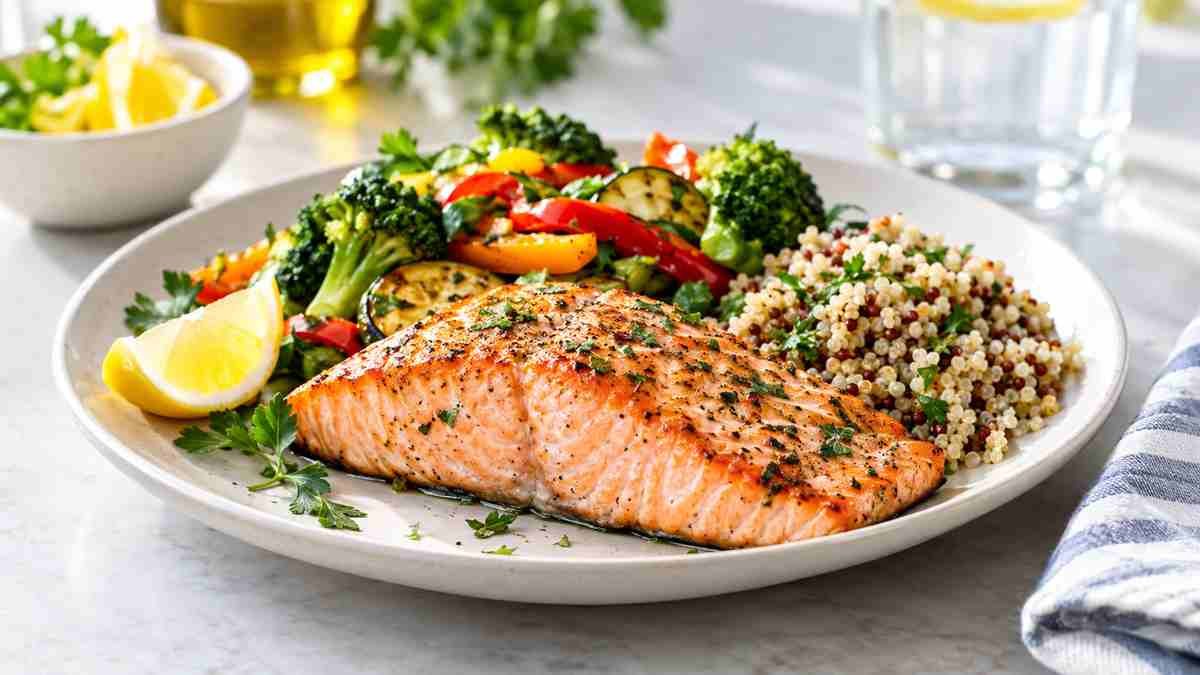

Salmon is a fatty fish that provides high-quality protein and the long-chain omega-3 fatty acids EPA and DHA. It also supplies vitamin D, vitamin B12, selenium, and several other vitamins and minerals. For most healthy adults, it is a nutrient-dense food that fits well into a balanced eating pattern.
The American Heart Association (AHA) recommends eating fish, particularly fatty fish such as salmon, at least twice a week as part of a heart-healthy diet. The Dietary Guidelines for Americans likewise emphasize whole, nutritious foods and healthy protein sources. This guide walks through what salmon offers, how it compares with other fish, and how to buy, cook, and enjoy it.
It helps to keep one idea in mind: the benefits of salmon are best understood within an overall eating pattern. No single food prevents or treats disease on its own. Salmon is a useful, versatile choice, but it works best alongside vegetables, whole grains, legumes, and other healthy foods. If you are building a broader plan, see our guide to what a healthy diet looks like.
What Are the Health Benefits of Salmon?
Salmon’s value comes from a combination of nutrients rather than any one ingredient. Below are the major nutrients it provides and what they do in the body. These are general nutrition facts, not guarantees of specific health outcomes.
Provides High-Quality Protein
Protein supports muscle maintenance, tissue repair, enzyme production, and many other normal body functions. Salmon contains all nine essential amino acids, which makes it a complete protein source. You can find other options in our list of high-protein foods.
Eating salmon does not automatically build muscle. Muscle health also depends on resistance exercise, total calorie intake, and overall nutrition.
Rich in Omega-3 Fatty Acids
Salmon provides EPA and DHA, the long-chain omega-3 fatty acids found in fatty fish. The NIH Office of Dietary Supplements notes that these fats play roles in cell membranes, the heart, the eyes, and the brain.
The AHA identifies salmon as a fatty fish rich in omega-3s and recommends regular fish intake. Research links regular fish consumption with cardiovascular health, though observational studies show association rather than proof of cause. Learn more in our overview of omega-3 fatty acids and fatty fish.
Supports a Heart-Healthy Eating Pattern
Replacing foods higher in saturated fat, such as processed or fatty red meats, with sources of unsaturated fat can be part of a heart-healthy diet. Salmon is one example of a protein that fits this approach. The AHA emphasizes overall dietary patterns and healthy protein choices rather than reliance on any single food.
Salmon does not prevent heart attacks or treat heart disease. It can be one part of a pattern that supports cardiovascular health. For more ideas, browse our list of heart-healthy foods.
Provides Vitamin D
Salmon is one of the relatively few natural food sources of vitamin D, which supports calcium absorption and bone health. The NIH vitamin D fact sheet lists fatty fish such as salmon among the main dietary sources.
Vitamin D needs depend on age, sun exposure, skin tone, and health conditions. Eating salmon alone should not be expected to correct a deficiency, so talk with a clinician if you are concerned about your levels.
Provides Vitamin B12
Vitamin B12 supports normal red blood cell formation, DNA synthesis, and nerve function. According to the NIH vitamin B12 fact sheet, fish are among the foods that supply it naturally. Salmon is a convenient way for many people to meet their B12 needs.
Provides Selenium
Selenium is an essential mineral involved in thyroid hormone metabolism, DNA synthesis, and protection against oxidative damage. The NIH selenium fact sheet lists seafood as a leading source. Salmon contributes to selenium intake, but it should not be viewed as a way to prevent cancer or thyroid disease.
Provides Other Important Nutrients
Salmon also contains smaller amounts of several other nutrients, including:
- Vitamin B6
- Niacin
- Phosphorus
- Potassium
- Magnesium
- Choline
The exact nutrient profile varies by species, serving size, and preparation.
Salmon Nutrition Facts
Salmon is relatively nutrient-dense, meaning it provides a lot of nutrients for the calories it contains. Exact values differ depending on the variety and how it is cooked, so no single number fits every product. For precise figures, check the specific entry in USDA FoodData Central. Our nutrition facts guide explains how to read labels.
Salmon Calories and Protein
A typical cooked serving of salmon provides a substantial amount of protein along with a moderate calorie load. Wild and farmed fish, and different species, can differ in calories because they differ in fat content. Cooking methods that add oil, butter, or breading raise the total further.
Salmon Fat Content
Salmon contains a moderate to high amount of fat, and much of it is unsaturated. Being a fatty fish does not make salmon unhealthy. The fat is a major reason the fish is a good source of omega-3s. You can read more about healthy fats on CollectedMed.
Salmon Omega-3 Content
EPA and DHA levels vary by species, whether the fish is wild or farmed, and other factors such as diet and season. Because of this variation, any single omega-3 figure should be treated as an estimate. Check USDA data for the specific type you buy.
| Nutrient | Salmon, typical cooked serving |
|---|---|
| Calories | Varies by species and preparation |
| Protein | High |
| Total fat | Moderate to high |
| Omega-3 (EPA + DHA) | Substantial |
| Vitamin D | Good source |
| Vitamin B12 | Good source |
| Selenium | Good source |
Use USDA FoodData Central for exact values for each salmon type and preparation.
Salmon and Omega-3 Fatty Acids
Omega-3s are one of the main reasons people choose salmon. Understanding the different types helps you put the numbers in context.
What Are EPA and DHA?
There are three main dietary omega-3 fatty acids:
- EPA (eicosapentaenoic acid): a long-chain omega-3 found in fatty fish.
- DHA (docosahexaenoic acid): a long-chain omega-3 found in fatty fish and abundant in brain and eye tissue.
- ALA (alpha-linolenic acid): a shorter omega-3 found mainly in plant foods such as flaxseed, chia seeds, and walnuts.
The body can convert some ALA to EPA and DHA, but the conversion is limited. Fish are the main direct food source of EPA and DHA, as described by the NIH Office of Dietary Supplements.
Why Are Omega-3s Important?
Omega-3 fatty acids play roles in several normal body processes, including:
- Building and maintaining cell membranes
- Cardiovascular function
- Brain function
- Vision
- Inflammatory signaling
Omega-3s help regulate inflammation, but they do not eliminate it. Our guide to anti-inflammatory foods explains how overall diet fits in.
Salmon vs Fish Oil Supplements
Food and supplements are not interchangeable in every respect. The FDA notes that fish provide a package of nutrients, including protein, vitamins, and minerals, in addition to omega-3s. Supplements do not necessarily offer this full package.
Omega-3 supplements are not right for everyone, and they can interact with some medications. Ask a healthcare professional before starting one.
Is Salmon Good for Heart Health?
Salmon can fit well into a heart-healthy eating pattern for several reasons:
- It provides omega-3 fatty acids.
- It offers protein with relatively little saturated fat compared with many fatty meats.
- It can replace less healthy protein sources, such as processed meats.
- It pairs easily with vegetables, whole grains, and legumes.
The AHA recommends at least two servings of fish per week, particularly fatty fish such as salmon. Regular fish consumption is associated with cardiovascular health, and salmon can be part of a heart-healthy eating pattern. It is not a treatment for heart disease.
For more context, see our articles on how to prevent heart disease and high cholesterol. The Mediterranean diet, which regularly includes fish, is one well-studied pattern to explore.
Is Salmon Good for Weight Loss?
Salmon can be a useful part of a weight-management plan, but it is not a weight-loss food. It does not burn fat or boost metabolism enough to cause weight loss by itself. Total energy intake, activity, sleep, and overall habits matter far more. See our guide to weight management for the bigger picture.
Salmon and Satiety
Protein and fat can both contribute to a satisfying meal. Many people find that a protein-rich meal helps them feel full longer, though responses vary from person to person.
Salmon Calories Matter
Salmon is nutritious, but it is not calorie-free. Portion size and preparation method both affect energy intake. A baked fillet with lemon and herbs has a very different calorie count than salmon fried in batter or served with a cream sauce.
Best Ways to Include Salmon in a Weight-Management Diet
Simple, balanced preparations work well:
- Baked salmon with vegetables
- Salmon with whole grains
- Salmon salad
- Salmon with roasted vegetables
- Salmon bowls with vegetables and legumes
Pair meals like these with regular movement. Our guides to the best exercises for weight loss and walking for weight loss offer practical starting points.
Is Salmon Good for Muscle Health?
Salmon provides high-quality protein with all the essential amino acids, which the body needs to repair and maintain muscle. Protein intake after exercise can support recovery, and adequate protein becomes especially important during aging, when people tend to lose muscle mass gradually.
Dietary protein is only one part of the picture. Resistance training and sufficient overall nutrition are also essential for maintaining or building muscle. If you are getting started, read our guides on strength training for beginners and how much protein you need to build muscle.
Salmon and Brain Health
DHA is abundant in brain tissue and is important for normal nervous system structure and function. This is one reason fatty fish are of scientific interest for brain health.
That said, eating salmon has not been shown to prevent dementia, Alzheimer’s disease, depression, or other neurological conditions. Research findings are mixed and often based on observational data. For pregnancy and early childhood, DHA and fish intake are best discussed using FDA guidance, covered in the next section, rather than assuming adult findings apply.
Salmon During Pregnancy
Fish can supply nutrients that matter during pregnancy, including protein and omega-3 fatty acids. The FDA and EPA advice about eating fish recommends that people who are pregnant, might become pregnant, or are breastfeeding choose fish from lower-mercury categories. The advice is to eat 8 to 12 ounces of a variety of fish each week. Salmon appears among the lower-mercury choices in the current FDA/EPA chart.
Can You Eat Salmon While Pregnant?
Yes. Fully cooked salmon can be part of a pregnancy diet when eaten within the recommended amounts and alongside other lower-mercury fish. Check the current FDA/EPA chart for the latest categories and serving guidance.
What About Raw Salmon?
People who are pregnant should avoid raw or undercooked fish because of the risk of foodborne illness. The FDA recommends cooked fish for pregnant people and for children. This includes sushi, sashimi, and other uncooked preparations.
Wild-Caught vs Farmed Salmon
Both types can be nutritious, and neither is universally healthier. Differences come down to species, diet, fat content, flavor, availability, and price.
Wild-Caught Salmon
Wild salmon includes species such as sockeye, coho, Chinook, pink, and chum. Their nutrient profiles depend on the species and what they eat. Wild salmon is often leaner, with a stronger flavor, and availability can be seasonal. It also tends to cost more.
Farmed Salmon
Farmed salmon, most often Atlantic salmon, is widely available year-round and usually has a milder flavor. It can also provide protein and omega-3 fatty acids, and it is often higher in total fat than wild salmon. Fat content and omega-3 levels can vary with feed and farming practices.
Which Is Healthier?
Both wild and farmed salmon can be good choices. It is an oversimplification to say farmed salmon is inherently unhealthy or that wild salmon is always nutritionally superior. The best option for you depends on budget, taste, availability, and sustainability preferences. Eating fish regularly in either form is likely more important than choosing one over the other.
Types of Salmon
U.S. shoppers commonly find several varieties. Nutritional composition varies by species and preparation, so check USDA FoodData Central for the type you buy.
- Atlantic salmon: typically farmed, mild flavor, higher fat content.
- Chinook (king) salmon: wild, rich and buttery, relatively high in fat.
- Sockeye salmon: wild, deep red color, bold flavor, leaner.
- Coho salmon: wild, medium fat, mild to moderate flavor.
- Pink salmon: wild, lean and mild, often sold canned.
- Chum salmon: wild, lean, often used for canning, frozen fillets, and roe.
Fresh, Frozen, Canned or Smoked Salmon?
All forms can fit into a healthy eating pattern. The best choice depends on your budget, schedule, and dietary needs.
Fresh Salmon
Fresh salmon should smell clean and look moist. Keep it refrigerated, use it within a day or two of purchase, and cook it to a safe internal temperature. The USDA safe minimum internal temperature chart lists 145°F for fish.
Frozen Salmon
Frozen salmon can be a convenient and nutritious option. It is often frozen soon after harvest, keeps for longer, and is easy to portion. Thaw it in the refrigerator rather than on the counter.
Canned Salmon
Canned salmon is affordable, shelf-stable, and provides protein and omega-3 fatty acids. Varieties that include the soft, edible bones can also contribute calcium. Check the nutrition label for sodium, and look for lower-sodium options if you are watching your salt intake.
Smoked Salmon
Smoked salmon can be nutritious, but it often contains substantial sodium and is not nutritionally identical to fresh cooked salmon. Enjoy it in moderate portions, especially if you have high blood pressure. Pregnant people should avoid refrigerated smoked fish unless it is cooked or comes from a shelf-stable can or pouch, per FDA food safety guidance.
What Is the Healthiest Way to Cook Salmon?
The healthiest methods preserve the fish’s nutrients without adding large amounts of saturated fat, sodium, or added sugar.
Baked Salmon
Baking is simple and reliable. Season with herbs, lemon, and a small amount of olive oil, then bake until the fish reaches 145°F.
Grilled Salmon
Grilling adds flavor with little added fat. Oil the grates lightly and avoid heavy sugary glazes.
Broiled Salmon
Broiling cooks quickly with high, direct heat. Watch the fish closely so it does not dry out.
Poached Salmon
Poaching in water, broth, or wine requires no added fat and yields tender fish. It works well for salads and bowls.
Pan-Seared Salmon
Pan-searing gives a crisp exterior. Use an appropriate amount of a healthy cooking oil, such as olive or avocado oil, rather than large amounts of butter.
What About Fried Salmon?
Frying can substantially change the calorie and fat content, depending on the coating and oil used. Breaded or deep-fried salmon can contain far more calories and sodium than baked or poached fillets. It can be an occasional choice, but it is not the leanest way to prepare the fish.
How Much Salmon Should You Eat?
The following is general guidance, not an individual prescription.
- The AHA recommends at least two servings of fish per week, with a serving being about 3 to 3.5 ounces cooked.
- The FDA and EPA use a 4-ounce serving for their advice. They recommend 2 to 3 servings of a variety of lower-mercury fish weekly for people who are pregnant, might become pregnant, or are breastfeeding.
These recommendations apply to fish overall. They encourage variety, not eating only salmon.
Is Salmon High in Mercury?
Mercury levels vary widely among fish species, and larger, longer-lived predatory fish tend to have more. Salmon is generally considered a lower-mercury choice in FDA/EPA guidance.
If you are pregnant, breastfeeding, or feeding a young child, consult the current FDA/EPA fish chart for recommended types and amounts. For most people, the nutritional benefits of eating fish within recommended amounts are considered to outweigh the risks.
Salmon Safety and Who Should Be Careful
Salmon is safe for most people when handled and cooked properly. A few groups and situations call for extra care:
- Fish allergies: People with a fish allergy should avoid salmon and talk with an allergist.
- Raw or undercooked salmon: These carry a risk of foodborne illness, particularly for pregnant people, young children, older adults, and people with weakened immune systems.
- Refrigeration: Keep salmon refrigerated at or below 40°F and do not leave it out for more than two hours.
- Cross-contamination: Use separate cutting boards and utensils for raw fish and ready-to-eat foods.
- Pregnancy: Choose cooked fish and follow FDA/EPA guidance.
- Smoked salmon and sodium: People managing blood pressure or kidney disease may need to limit it.
- Individual restrictions: Medical conditions, medications, or dietary needs may change what is appropriate for you.
Salmon vs Other Healthy Fish
Variety is generally better than relying on a single species. The FDA/EPA specifically encourages choosing a variety of fish. The comparison below is general, so check labels and USDA data for specifics.
| Fish | Omega-3 content | Protein | Mercury considerations | Flavor | Cost | Cooking options |
|---|---|---|---|---|---|---|
| Salmon | High | High | Generally lower | Mild to rich | Moderate to high | Bake, grill, broil, poach, sear, canned |
| Sardines | High | High | Generally lower | Strong | Low | Canned, grilled |
| Trout | Moderate to high | High | Generally lower | Mild | Moderate | Bake, pan-sear, grill |
| Mackerel | High (varies by type) | High | Varies by type; some types are higher | Strong | Low to moderate | Grill, broil, smoked |
| Tuna | Varies by type | High | Varies; some types are higher | Mild to meaty | Varies | Canned, seared, grilled |
| Cod | Low | High | Generally lower | Very mild | Moderate | Bake, poach, pan-sear |
For mercury, check the FDA/EPA chart, since some mackerel and tuna varieties fall into different categories than salmon.
How to Add More Salmon to Your Diet
Simple ideas make it easier to eat fish regularly. For more ways to build balanced meals, see our guide to a balanced diet.
Breakfast
Try salmon with eggs and whole-grain toast, or flaked salmon over a vegetable scramble.
Lunch
A salmon salad or a salmon grain bowl with greens, vegetables, and a whole grain makes a filling midday meal.
Dinner
Baked salmon with roasted vegetables and a whole grain, such as brown rice or quinoa, is a classic balanced plate.
Quick Options
Canned salmon pairs easily with beans, vegetables, or whole-grain crackers when you are short on time.
Common Myths About Salmon
“Salmon Is a Superfood That Prevents Disease”
No single food prevents all disease. Salmon contributes valuable nutrients, but health depends on overall diet, physical activity, sleep, genetics, and other factors. Our guide to healthy habits covers the wider picture.
“More Salmon Is Always Better”
More is not necessarily better. A varied diet that includes other fish, plant proteins, and whole foods provides a broader range of nutrients and avoids over-reliance on one source.
“Wild Salmon Is Always Healthier Than Farmed Salmon”
This is an oversimplification. Both can be nutritious, and differences in fat, calories, and omega-3 content depend on species, diet, and farming practices.
“Salmon Supplements Are Better Than Eating Fish”
Supplements do not provide the full nutrient package found in fish, such as protein, vitamin D, B12, and selenium. They may be appropriate for some people under medical guidance, but they are not a replacement for food.
“All Salmon Has the Same Nutrition”
Species, wild or farmed origin, and preparation can all change the nutrient profile. Check USDA data or the nutrition label for the product you are eating.
Frequently Asked Questions
What are the main health benefits of salmon?
Salmon provides high-quality protein, omega-3 fatty acids, vitamin D, vitamin B12, selenium, and other nutrients. It can be part of a balanced eating pattern that supports overall health.
Is salmon good for your heart?
Salmon can be part of a heart-healthy eating pattern because it provides omega-3 fatty acids and is generally lower in saturated fat than many fatty meats. The AHA recommends eating fish at least twice a week, particularly fatty fish such as salmon.
Is salmon good for weight loss?
Salmon can fit into a weight-management diet because it provides protein and other nutrients. However, salmon does not directly cause weight loss, and total dietary intake and overall lifestyle matter.
How often should you eat salmon?
The AHA recommends at least two servings of fish per week, preferably including fatty fish. Variety among fish and seafood is also encouraged.
Is salmon high in omega-3?
Yes. Salmon is a fatty fish and a good dietary source of the long-chain omega-3 fatty acids EPA and DHA, according to the NIH Office of Dietary Supplements. Exact amounts vary by species and whether it is wild or farmed.
Is wild-caught salmon healthier than farmed salmon?
Both wild and farmed salmon can be nutritious choices. Their nutritional profiles differ, so the best choice can depend on species, preparation, availability, price, and personal preference.
Can you eat salmon every day?
There is no need to eat salmon every day to obtain its nutritional benefits. A varied diet that includes different fish and other protein sources can provide a broader range of nutrients.
Can pregnant women eat salmon?
Yes, properly cooked salmon can be included in pregnancy diets. The FDA/EPA recommends that people who are pregnant or might become pregnant choose lower-mercury fish and consume a variety of fish within recommended amounts.
Is canned salmon healthy?
Canned salmon can provide protein and omega-3 fatty acids and can be a convenient option. Check the nutrition label for sodium and choose products that fit your dietary needs.
Sources
- American Heart Association: Fish and Omega-3 Fatty Acids
- U.S. FDA and EPA: Advice About Eating Fish
- USDA FoodData Central
- Dietary Guidelines for Americans
- NIH Office of Dietary Supplements: Omega-3 Fatty Acids
- NIH Office of Dietary Supplements: Vitamin D
- NIH Office of Dietary Supplements: Vitamin B12
- NIH Office of Dietary Supplements: Selenium
- FoodSafety.gov: Safe Minimum Internal Temperature Chart
Medical Disclaimer
This article is for general educational purposes and does not provide individualized medical or nutrition advice. Salmon can be part of a healthy eating pattern, but individual nutritional needs vary. People with fish allergies, medical conditions, pregnancy-related questions, or specific dietary concerns should discuss their needs with a qualified healthcare professional or registered dietitian.
1 thought on “Salmon Health Benefits: Nutrition, Omega-3s & Why It’s Good for You”
Comments are closed.