
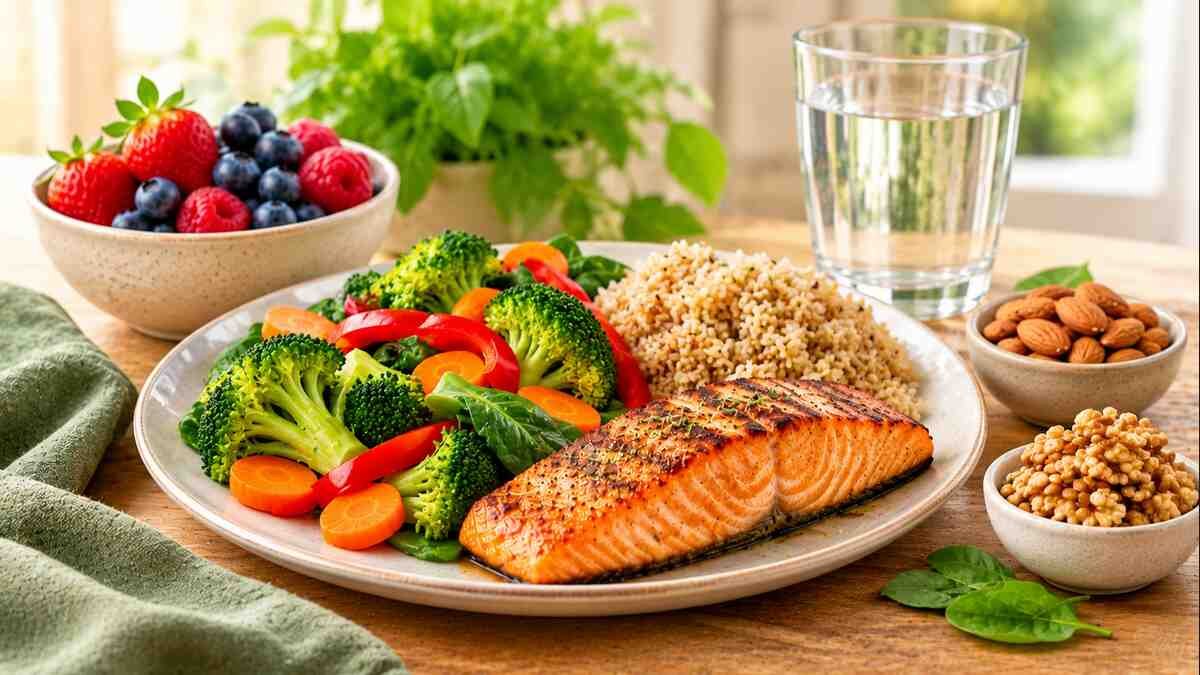

A healthy eating plan for type 2 diabetes should support blood sugar management while also protecting long-term heart health. Food choices play a major role in both. Managing diabetes involves much more than avoiding sugar, because blood glucose, blood pressure, cholesterol, and cardiovascular risk are closely connected.
That is why many people ask whether the DASH diet can help. DASH stands for Dietary Approaches to Stop Hypertension, and it focuses on nutrient-rich, minimally processed foods such as vegetables, fruits, whole grains, beans, nuts, fish, and lean proteins. It also limits sodium, saturated fat, and added sugars, which are goals that overlap with many diabetes recommendations.
This guide explains how the DASH diet may fit into type 2 diabetes care, what recent research shows, which foods work well, and how to adapt the plan to your needs. It is not a cure or a plan that suits everyone, so we also cover important precautions around medications, kidney health, and carbohydrate portions.
What Is the DASH Diet?
The DASH diet was originally developed to help people lower high blood pressure through food. The NHLBI DASH eating plan emphasizes vegetables, fruits, whole grains, and low-fat dairy. It also includes beans, nuts, seeds, fish, and lean poultry.
At the same time, DASH limits sodium, saturated fat, and sugary foods and drinks. It is a flexible eating pattern rather than a strict commercial diet, so most people can adapt it to their culture, budget, and tastes.
The traditional plan includes daily serving targets that vary with calorie needs. For example, a 2,000-calorie version includes 4 to 5 servings of vegetables and 4 to 5 servings of fruit each day, according to NHLBI guidance on following DASH. These numbers are not universal targets, and people with diabetes often need to adjust fruit, grain, and other carbohydrate portions.
If you want the basics first, see our DASH diet for beginners guide or our DASH diet food list.
Is the DASH Diet Good for Type 2 Diabetes?
It can be a useful eating pattern for many people with type 2 diabetes, but it needs to be adapted to individual needs. Several features of DASH line up well with diabetes care. It emphasizes fiber-rich vegetables, legumes, and whole grains, and it favors minimally processed foods over refined, highly processed options.
DASH may also support blood pressure and cardiovascular health, which matter because many people with diabetes also need to manage them. At the same time, the quantity and distribution of carbohydrates are important for blood glucose. That is why individual meal planning matters more than following a rigid template.
The American Diabetes Association (ADA) does not prescribe a single diet. Its Standards of Care in Diabetes recognize several evidence-based eating patterns, including DASH, Mediterranean-style, plant-based, and lower-carbohydrate approaches, and stress personalization. The best pattern is one that fits your health goals, preferences, and medications, and that you can maintain.
For general background, see our guides on type 2 diabetes and the diabetes diet.
Potential Benefits of the DASH Diet for Type 2 Diabetes
May Help Support Blood Sugar Management
Fiber-rich foods can slow digestion and may influence how quickly glucose rises after meals. Portion sizes and carbohydrate quality also play a role. Choosing whole grains, legumes, and vegetables over refined grains and sweets is a core DASH habit.
Newer research looked more directly at this question. The DASH4D trial, published in Nature Medicine in 2025, tested a DASH-style diet tailored for people with diabetes. Compared with the standard DASH diet, DASH4D was lower in carbohydrates, higher in unsaturated fats, and lower in potassium to improve safety for people with kidney concerns.
In this randomized crossover feeding trial, 89 adults with type 2 diabetes ate controlled meals in five-week periods, and glucose was measured with continuous glucose monitors. According to a Johns Hopkins summary, average glucose was lower and time spent in the target range was higher on DASH4D than on a typical American diet. Researchers reported no serious adverse events related to the diets.
Keep the limits in mind. The study was short, participants were fed prepared meals in a research setting, and it measured glucose patterns rather than long-term complications. It does not show that DASH alone prevents diabetes complications or replaces medication.
Supports Healthy Blood Pressure
Blood pressure management is a key part of diabetes care, since high blood pressure adds to cardiovascular and kidney risk. Sodium intake influences blood pressure in many people, and DASH emphasizes vegetables, fruits, and other nutrient-rich foods while limiting high-sodium choices.
Sodium targets should be individualized when needed. See our guides on high blood pressure and how to lower blood pressure for more detail.
May Improve Overall Heart Health
Cardiovascular health is an important part of diabetes management. Limiting saturated fat and choosing nuts, seeds, fish, and unsaturated oils such as olive oil can support healthier cholesterol and cardiovascular risk factors. Quality of food matters here, not only quantity.
Our article on heart-healthy foods offers more ideas for building a heart-friendly plate.
Encourages Fiber-Rich Eating
Vegetables, legumes, fruit, and whole grains provide fiber, which supports fullness, digestion, and overall diet quality. Increase fiber gradually to avoid bloating or gas, and drink enough fluids unless a clinician has told you to limit them. See our list of high-fiber foods for digestive health.
Best DASH Diet Foods for People With Type 2 Diabetes
The goal is to choose foods that fit DASH while paying attention to carbohydrate portions and your own glucose responses.
Non-Starchy Vegetables
Examples include spinach, broccoli, cauliflower, cucumber, bell peppers, green beans, and other leafy greens. They add fiber and volume to meals without contributing as much carbohydrate as many grain or starchy food portions. Learn more in our guides on the benefits of eating vegetables daily and the best vegetables for diabetes.
If vegetables are hard to fit in, our guide on how to eat more vegetables has practical ideas.
Whole Fruits in Appropriate Portions
Apples, berries, oranges, pears, and peaches can all fit into a diabetes-friendly pattern. Whole fruit provides fiber and nutrients, so there is no need to avoid it just because it contains natural sugar. Pay attention to portion sizes and to how your own glucose responds.
Whole Grains and High-Fiber Carbohydrates
Oats, barley, brown rice, whole-wheat bread, and quinoa are good options. They still contain carbohydrates, so portion size and meal composition matter. Pairing grains with protein and vegetables can make meals more balanced.
Lean Protein and Plant-Based Protein
Fish, skinless poultry, eggs, lentils, beans, chickpeas, and tofu make meals more satisfying and help balance meals that contain carbohydrates. Plant proteins such as legumes also add fiber. See the health benefits of legumes.
Low-Fat Dairy, Nuts, and Healthy Fats
Plain unsweetened yogurt, low-fat milk, unsalted almonds, walnuts, seeds, and olive oil fit well. Unsweetened options are generally better than products with added sugar. Nuts are calorie-dense, so keep portions modest; our guide on nuts for weight management explains more.
Foods to Limit on the DASH Diet With Type 2 Diabetes
The aim is to reduce foods that make it harder to manage blood glucose, blood pressure, or cardiovascular risk. Common examples include:
- Sugary drinks and sweetened juices
- Sweets, cakes, cookies, and frequent desserts
- Refined grains and oversized portions of white bread or refined rice
- Highly processed foods
- Processed meats such as bacon and sausages
- Salty snacks, instant meals, and high-sodium sauces
- Foods high in saturated fat
None of these needs to be treated as universally forbidden. What matters most is how often you eat them, how large the portions are, and your overall pattern. The ADA also advises replacing sugar-sweetened beverages with water or low-calorie options and limiting processed foods.
How to Follow the DASH Diet With Type 2 Diabetes
Balance Carbohydrates Across Meals
Carbohydrates have the most direct effect on blood glucose, so portions and timing matter. A registered dietitian can help you find carbohydrate amounts that suit your goals. Consistency may be especially important if you use fixed insulin doses or certain glucose-lowering medications.
Build Balanced Plates
A simple visual starting point is:
- Half the plate: non-starchy vegetables
- One quarter: lean protein
- One quarter: high-fiber carbohydrate foods
This is a starting point, not a universal prescription. Your needs may differ based on medications, activity level, and blood glucose goals.
Reduce Sodium Gradually
- Compare food labels and choose lower-sodium options.
- Use fresh or minimally processed ingredients more often.
- Season with herbs, spices, garlic, lemon, and other salt-free flavorings.
- Cut back on salty sauces and packaged foods.
The ADA generally advises keeping sodium under 2,300 mg per day, and some people are advised to aim lower. Ask your healthcare team which target fits you.
Make Sustainable Changes
Start with one or two changes at a time, and plan meals around foods you already enjoy. Avoid unnecessarily restrictive rules. Monitor your blood glucose as your healthcare team advises, especially when you change what you eat.
Sample One-Day DASH-Style Meal Plan for Type 2 Diabetes
This is an illustration only. Portions and carbohydrate totals need to be individualized.
| Meal | Example |
|---|---|
| Breakfast | Plain oatmeal with berries, a small portion of unsalted nuts, and plain yogurt |
| Morning snack | A small apple with a few almonds |
| Lunch | Grilled fish or chicken, a large serving of mixed vegetables, and a measured portion of brown rice |
| Afternoon snack | Plain unsweetened yogurt or sliced cucumber |
| Dinner | Lentil and vegetable soup, leafy greens, and a suitable portion of whole grain |
| Optional snack | A small portion of fruit or another snack that fits your meal plan |
A few things to notice about this plan:
- Meals combine fiber-rich foods with protein.
- Carbohydrate portions are included rather than eliminated.
- Low-sodium cooking methods support the DASH approach.
- Your medication schedule, calorie needs, and glucose response may call for changes.
Is the DASH Diet Safe for Everyone With Type 2 Diabetes?
Not necessarily without adjustments. Individualized advice matters in several situations.
Kidney disease. Standard DASH is rich in potassium, and people with chronic kidney disease may need personalized guidance on potassium, phosphorus, protein, or fluids. This is one reason the DASH4D version lowered potassium. See our article on whether the DASH diet is safe long term for more on kidney considerations, and the NIH potassium fact sheet.
Low blood sugar risk. Some diabetes medications, especially insulin and certain other drugs, can cause hypoglycemia when food intake or carbohydrate portions change. If you take medicines that can cause low blood sugar, talk with your healthcare team about dietary changes and glucose monitoring before you start.
Other conditions. People with other medical conditions may need different sodium or nutrient targets.
A registered dietitian or qualified diabetes care professional can help adapt DASH to your situation. Never stop or change prescribed medication without medical advice.
DASH Diet vs. Other Eating Plans for Type 2 Diabetes
DASH is one of several reasonable options.
- Mediterranean diet: Emphasizes vegetables, fruit, legumes, whole grains, fish, nuts, and olive oil. See our Mediterranean diet guide.
- Lower-carbohydrate patterns: May help some people improve glucose management, but carbohydrate targets need individualization.
- General diabetes-friendly plans: Focus on food quality, appropriate portions, personal preferences, and health goals.
The ADA’s 2026 Standards highlight that there is no single best diet for everyone with type 2 diabetes. The most suitable approach is one that supports your goals and that you can sustain over time.
Frequently Asked Questions
Can the DASH diet reverse type 2 diabetes?
No. The DASH diet may support blood glucose management and cardiovascular health, but it is not a proven cure or a guaranteed way to reverse type 2 diabetes. Talk with your healthcare team about your overall treatment plan.
Can people with type 2 diabetes eat fruit on the DASH diet?
Yes. Whole fruits can be included in appropriate portions, and the ADA Standards of Care do not call for avoiding fruit. Individual carbohydrate needs and glucose responses should guide your choices.
Does the DASH diet lower blood sugar?
A 2025 short-term feeding trial of a diabetes-adapted DASH pattern found improvements in several glucose measures, including lower average glucose and more time in the target range (Nature Medicine). More research is needed to establish longer-term effects.
Is brown rice allowed on the DASH diet?
Yes. Brown rice can fit into the plan, but it contains carbohydrates. Portion size and the rest of the meal, such as vegetables and protein, matter.
Should people with diabetes follow a low-sodium DASH diet?
Many people may benefit from limiting excess sodium, particularly when blood pressure is elevated. The right sodium target depends on your individual health needs and medical advice.
Can I follow the DASH diet while taking diabetes medication?
Often, yes, but changes in eating patterns and carbohydrate intake may affect blood glucose and medication needs. Discuss significant changes with a healthcare professional, especially if you take insulin or medicines that can cause low blood sugar.
Conclusion
The DASH diet offers a flexible framework built around vegetables, fruits, whole grains, lean protein, legumes, and lower-sodium food choices. It may support blood glucose management and heart health, and early research on a diabetes-adapted version is promising.
It should still be adapted to your carbohydrate needs, medications, kidney health, and personal preferences. Before making major dietary changes, consider speaking with a registered dietitian or diabetes care professional.
Sources
- Fang M, et al. DASH4D diet for glycemic control and glucose variability in type 2 diabetes: a randomized crossover trial. Nature Medicine (2025)
- Johns Hopkins Bloomberg School of Public Health: DASH diet modified for diabetes lowers blood sugar levels
- American Diabetes Association: Standards of Care in Diabetes, 2026
- NHLBI: DASH Eating Plan
- NHLBI: Following DASH
- NIH Office of Dietary Supplements: Potassium Fact Sheet for Health Professionals
Medical Disclaimer: This article is for general educational purposes only and is not a substitute for professional medical advice, diagnosis, or treatment. Diabetes care is highly individual, and changing what you eat can affect your blood sugar and how your medications work. Always talk with your doctor, diabetes care team, or a registered dietitian before making major changes to your diet or medications, and seek medical care promptly if you have concerning symptoms such as signs of low or very high blood sugar.