
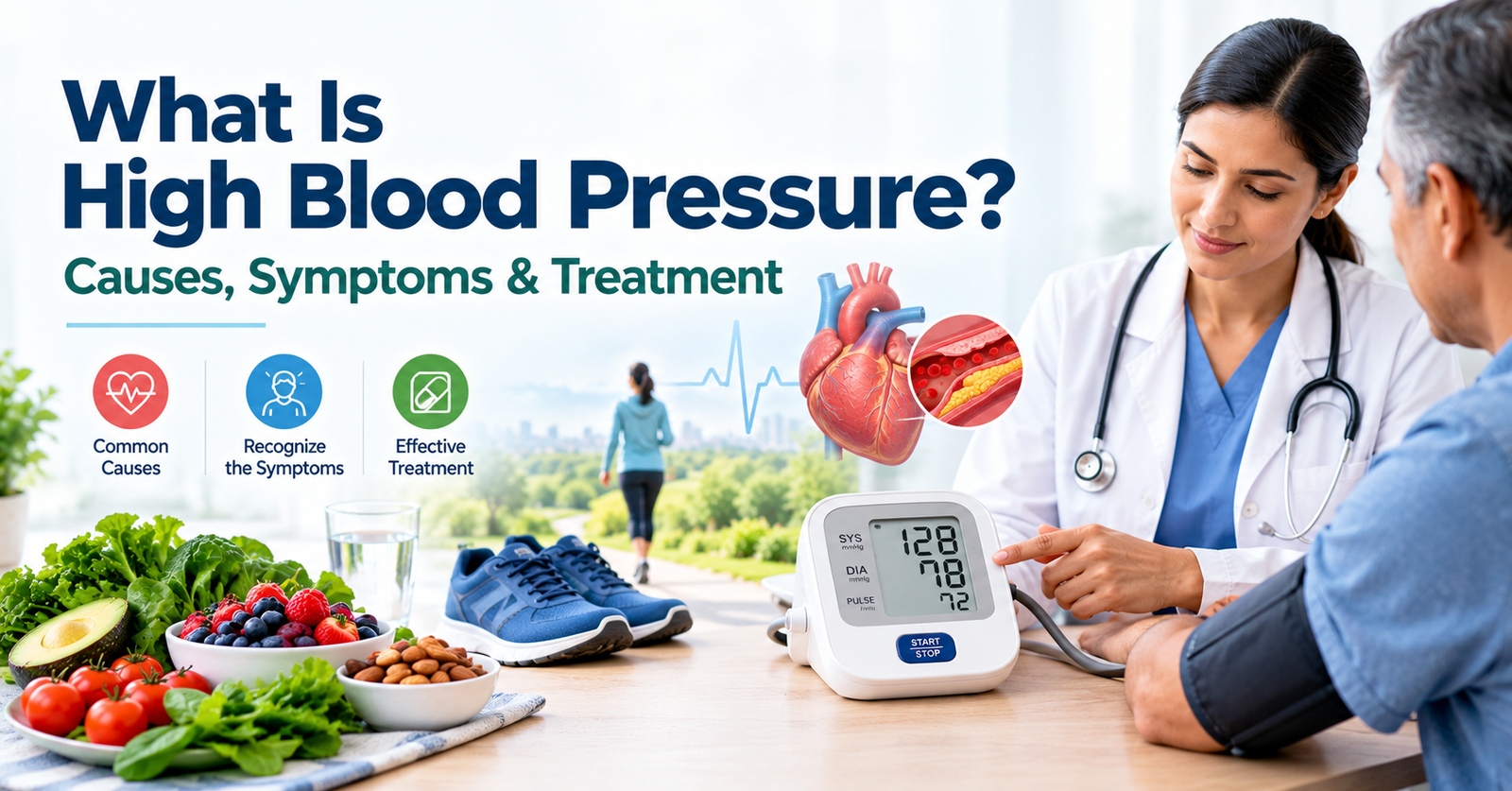

High blood pressure, also called hypertension, happens when the force of blood against your artery walls stays too high over time. It often causes no noticeable symptoms. That’s exactly why regular blood pressure measurement matters so much — the CDC reports that nearly half of U.S. adults (48.1%, about 119.9 million people) have high blood pressure, and many don’t know it.
Important: This article is for general information and is not a substitute for professional medical advice. Please talk with a qualified healthcare provider about your own blood pressure and treatment plan.
Hypertension is a chronic condition. It’s not the same as a brief spike caused by exercise, stress, or a single unusual reading. When it stays elevated day after day, though, it can affect your heart, brain, kidneys, and eyes.
This guide breaks down what your blood pressure numbers mean, what causes hypertension, how it’s diagnosed and treated, and practical ways to manage it safely.
What Do the Two Blood Pressure Numbers Mean?
A blood pressure reading always includes two numbers. Each one tells you something different about your heart and arteries.
Systolic blood pressure is the top number. It measures the pressure in your arteries when your heart beats and pushes blood out.
Diastolic blood pressure is the bottom number. It measures the pressure in your arteries while your heart rests between beats.
For example, a reading of 120/80 mm Hg means a systolic pressure of 120 and a diastolic pressure of 80. The unit “mm Hg” stands for millimeters of mercury, a traditional measurement of pressure.
Blood Pressure Categories
Doctors classify blood pressure into several categories, based on the American Heart Association and American College of Cardiology’s 2025 blood pressure guideline:
| Category | Systolic (mm Hg) | Diastolic (mm Hg) | |
|---|---|---|---|
| Normal | Below 120 | and | Below 80 |
| Elevated | 120–129 | and | Below 80 |
| Stage 1 hypertension | 130–139 | or | 80–89 |
| Stage 2 hypertension | 140 or higher | or | 90 or higher |
A quick but important note: one high reading at home doesn’t automatically mean you have hypertension. A healthcare professional confirms a diagnosis using multiple measurements taken over time, not a single number.
What Causes High Blood Pressure?
Hypertension generally falls into two categories, depending on whether doctors can identify a specific underlying cause.
Primary Hypertension
Most cases of high blood pressure develop gradually and don’t have one single identifiable cause. Instead, several factors tend to contribute together, including:
- Family history
- Age
- Physical inactivity
- Dietary patterns
- Excess sodium intake
- Excess body weight
- Tobacco exposure
- Alcohol use
- Chronic stress
- Sleep-related problems
Secondary Hypertension
Some cases of high blood pressure result from another underlying condition or factor. Common examples include:
- Kidney disease
- Certain hormonal disorders
- Sleep apnea
- Pregnancy-related conditions
- Certain medications
The CDC identifies diabetes, obesity, and family history among the factors that raise the risk of developing high blood pressure, alongside diet, inactivity, and other lifestyle and environmental factors.
What Are the Symptoms of High Blood Pressure?
Here’s the most important fact about hypertension symptoms: there usually aren’t any. High blood pressure typically causes no obvious warning signs. The only reliable way to know your numbers is to have your blood pressure measured.
Headaches, dizziness, and fatigue are common experiences, but they shouldn’t automatically be blamed on high blood pressure. These symptoms have many possible causes, and using them alone to guess your blood pressure status isn’t reliable. If you experience these symptoms regularly, see our guides to what causes headaches, what causes dizziness, and what causes fatigue for more context, and talk with your provider.
Why Is High Blood Pressure Dangerous?
Left unmanaged, high blood pressure gradually damages blood vessels and organs throughout the body.
Heart. Persistent high blood pressure raises the risk of coronary artery disease, heart attack, and heart failure. It forces the heart to work harder than it should over the long term.
Brain. High blood pressure is a leading risk factor for stroke and other cerebrovascular complications. Even moderate, sustained elevations can add up over years.
Kidneys. The kidneys rely on healthy blood vessels to filter blood properly. Uncontrolled hypertension can damage these vessels and contribute to chronic kidney disease.
Eyes. Blood vessels in the eyes are especially delicate. High blood pressure can damage them over time, sometimes leading to vision problems.
Blood vessels overall. Beyond specific organs, sustained high blood pressure damages arteries throughout the body, raising cardiovascular risk in ways that compound over time.
High Blood Pressure and Heart Disease
High blood pressure and heart disease are closely linked. Sustained high pressure strains blood vessels and the heart muscle, raising the risk of several specific conditions, including coronary artery disease, heart failure, atrial fibrillation, and heart attack. The 2025 AHA/ACC hypertension guideline identifies high blood pressure as one of the most significant modifiable cardiovascular risk factors people can address. For a deeper look at how these conditions connect, see our guides to heart disease and heart health.
High Blood Pressure and Diabetes
Diabetes and high blood pressure frequently occur together, and each one can make the other harder to manage. Both conditions damage blood vessels over time, so having both at once raises cardiovascular and kidney risk more than either alone.
Because of this overlap, managing blood pressure carefully matters just as much for people with diabetes as managing blood glucose does. Individualized medical care, rather than a one-size-fits-all approach, tends to work best. Related reading: what is metabolic syndrome, what is prediabetes, diabetes diet strategies, how to prevent diabetes, and insulin resistance.
Who Is at Risk for High Blood Pressure?
Like most cardiovascular conditions, hypertension risk comes from a mix of factors you can influence and some you can’t.
Factors you may be able to change:
- Physical inactivity
- High-sodium dietary patterns
- Tobacco exposure
- Excess alcohol intake
- Poor sleep
- Unmanaged stress
- Excess body weight
Factors you cannot change:
- Age
- Family history
- Genetics
- Certain medical conditions
Having one or more of these risk factors doesn’t guarantee you’ll develop hypertension. It simply means your personal risk is somewhat higher, which is exactly why regular monitoring matters for everyone.
How Is High Blood Pressure Diagnosed?
Diagnosing hypertension takes more than a single measurement. Doctors look at readings over time and consider your broader health picture.
Office and clinical measurement. A healthcare provider takes repeated blood pressure measurements, often across more than one visit, using proper positioning and technique. This helps rule out temporary spikes caused by stress or activity.
Home and ambulatory monitoring. Some people also use home blood pressure monitors or wear an ambulatory monitor for 24 hours. These tools give a fuller picture of blood pressure patterns throughout the day.
Medical history review. Your provider also reviews your medical history and risk factors. AHA guidance is explicit that only a doctor or other medical professional can confirm a high blood pressure diagnosis — not a single isolated reading.
How to Get an Accurate Reading
A few simple habits improve accuracy at home or in a clinic:
- Sit quietly for a few minutes before measuring
- Use an appropriately sized cuff
- Keep your arm supported at heart level
- Avoid talking during the measurement
- Follow your monitor’s specific instructions
These tips support accurate readings, but they don’t replace a clinical evaluation.
How Is High Blood Pressure Treated?
Treatment depends on your blood pressure level, overall cardiovascular risk, medical history, and any other health conditions you have. Most treatment plans combine lifestyle changes with medication when needed.
Lifestyle Changes
Lifestyle changes form the foundation of hypertension management for nearly everyone. Current guidelines emphasize:
- Heart-healthy eating
- Reducing excess sodium
- Regular physical activity
- Managing stress
- Avoiding tobacco
- Limiting alcohol
- Improving sleep
- Maintaining a healthy weight
Blood Pressure Medicines
When lifestyle changes alone aren’t enough, doctors may prescribe medication. Common categories include:
- ACE inhibitors
- ARBs (angiotensin receptor blockers)
- Calcium channel blockers
- Diuretics
- Beta-blockers, in certain situations
The CDC outlines the medication classes commonly used to manage hypertension as part of a broader treatment plan.
Important: Never start, stop, or change a prescription blood pressure medication without talking to your healthcare provider first.
Can High Blood Pressure Be Controlled?
Yes — for most people, hypertension is a manageable chronic condition rather than an unpredictable one. Doctors sometimes use tools such as the AHA’s PREVENT risk calculator — a clinical tool used by healthcare providers, not something intended for self-assessment — to help weigh overall cardiovascular risk when deciding on treatment.
Good control typically involves several pieces working together:
- Lifestyle changes
- Medication, when prescribed
- Home monitoring
- Regular healthcare visits
- Treatment of any contributing conditions
- Long-term consistency
Not everyone can control their blood pressure through lifestyle changes alone, and that’s completely normal — many people need both approaches together.
What Is a Healthy Blood Pressure?
Under current AHA/ACC guidance, a reading below 120/80 mm Hg is classified as normal for most adults. A few important caveats are worth keeping in mind, though.
Blood pressure naturally fluctuates throughout the day. One single reading doesn’t necessarily reflect your usual, everyday blood pressure. Personal treatment targets can also vary depending on your age, health history, and other conditions. A healthcare professional is best positioned to interpret your persistent readings and set the right target for you.
How to Lower Blood Pressure Naturally
“Naturally” doesn’t mean medication is unnecessary — it simply refers to lifestyle approaches that work alongside any treatment your doctor recommends.
Eat a heart-healthy diet. Emphasize vegetables and fruits, whole grains, beans and legumes, nuts and seeds, and appropriate protein sources, while cutting back on excess sodium. For inspiration, explore the Mediterranean diet, high-fiber foods, and high-protein foods.
Stay active and avoid tobacco. Regular physical activity helps your heart and blood vessels work more efficiently. Avoiding tobacco protects your arteries from additional damage. See the benefits of exercise for more detail.
Limit alcohol and prioritize sleep. Limiting alcohol intake and getting consistent, adequate sleep both support healthy blood pressure. Explore how to improve sleep for practical strategies.
Manage stress and monitor regularly. Constructive stress management and routine blood pressure checks — especially when your provider recommends home monitoring — round out a solid prevention plan. See how to reduce stress for ideas.
High Blood Pressure During Pregnancy
Blood pressure monitoring becomes especially important during pregnancy, since several pregnancy-specific conditions can develop.
The NHLBI describes gestational hypertension as blood pressure of 140/90 mm Hg or higher that develops after 20 weeks of pregnancy or close to delivery. Preeclampsia is a related, more serious condition that combines high blood pressure with signs that other organs — like the liver or kidneys — aren’t working normally, and it can lead to life-threatening seizures or coma, a condition known as eclampsia.
Because these conditions can affect both mother and baby, pregnant readers should always seek individualized guidance from their obstetric care team rather than general online advice.
When Is High Blood Pressure an Emergency?
Most high blood pressure is a long-term condition to manage carefully, not an emergency. But very high readings, especially with certain symptoms, need urgent attention.
AHA guidance identifies readings above 180/120 mm Hg as severe hypertension. If a reading like this occurs along with chest pain, shortness of breath, back pain, numbness, weakness, vision changes, or difficulty speaking, it’s a medical emergency — call 911 or go to the nearest emergency room immediately.
Don’t try to diagnose a hypertensive emergency yourself. When in doubt, call 911.
How Often Should You Check Your Blood Pressure?
Screening frequency depends on your personal risk and history. Healthy adults typically get their blood pressure checked at routine healthcare visits, while people with hypertension usually need more frequent monitoring.
Your provider may recommend home monitoring, especially if you’re adjusting medication or lifestyle habits. Keeping a simple record of your readings — and sharing it at appointments — helps your healthcare team make better decisions.
Common Myths About High Blood Pressure
Myth 1: You can always feel high blood pressure. Fact: Most people with high blood pressure have no obvious symptoms at all.
Myth 2: One high reading means you have hypertension. Fact: Diagnosis generally requires repeated measurements and professional assessment over time.
Myth 3: Young people don’t get high blood pressure. Fact: Hypertension can affect people across all age groups, not just older adults.
Myth 4: Lifestyle changes always eliminate the need for medication. Fact: Some people need medication in addition to lifestyle changes, and that’s not a personal failure.
Myth 5: If you feel fine, your blood pressure must be fine. Fact: Symptoms aren’t a reliable way to judge your blood pressure — only measurement is.
Frequently Asked Questions
What is high blood pressure? High blood pressure, or hypertension, is a chronic condition where the force of blood against your artery walls stays too high over time.
What causes high blood pressure? Most cases develop gradually from a mix of factors like family history, diet, inactivity, and weight, while some cases stem from an underlying condition such as kidney disease.
What are the symptoms of high blood pressure? High blood pressure usually causes no symptoms at all, which is why regular measurement is the only reliable way to detect it.
Can high blood pressure have no symptoms? Yes. In fact, having no symptoms is the most common experience, which is why it’s sometimes called a “silent” condition.
What blood pressure is considered high? A reading of 130/80 mm Hg or higher generally falls into Stage 1 or Stage 2 hypertension under current guidelines.
What do the top and bottom blood pressure numbers mean? The top number (systolic) measures pressure when your heart beats, while the bottom number (diastolic) measures pressure when your heart rests between beats.
How is high blood pressure diagnosed? Diagnosis requires repeated measurements over time, taken with proper technique, along with a review of your medical history and risk factors.
How can I lower my blood pressure? Heart-healthy eating, regular activity, limiting sodium and alcohol, avoiding tobacco, managing stress, and taking prescribed medication all play a role.
Can high blood pressure be cured? Some cases improve significantly with sustained lifestyle change, but hypertension is usually managed as a long-term condition rather than cured outright.
What happens if high blood pressure is untreated? Over time, untreated hypertension raises the risk of heart attack, stroke, kidney disease, and vision problems.
Does high blood pressure cause heart disease? Yes. Sustained high blood pressure is one of the most significant modifiable risk factors for several types of heart disease.
Does diabetes increase blood pressure? Diabetes and high blood pressure frequently occur together, and each can make managing the other more difficult.
When is high blood pressure an emergency? A reading above 180/120 mm Hg combined with symptoms like chest pain, trouble breathing, weakness, vision changes, or difficulty speaking requires emergency care right away.
Key Takeaways
- High blood pressure is also called hypertension.
- It often has no obvious symptoms, so regular measurement matters.
- Persistent hypertension can damage the heart, brain, kidneys, and blood vessels over time.
- Lifestyle changes can help prevent and manage high blood pressure for many people.
- Some people also need prescription medication alongside lifestyle changes.
- Readings above 180/120 mm Hg with certain symptoms require emergency care.
- Treatment should always be individualized with a qualified healthcare professional.
This article is for general education and is not a substitute for personalized medical advice, diagnosis, or treatment. Talk with a qualified healthcare professional about your blood pressure readings, symptoms, medications, and individual health risks.
Sources
- Centers for Disease Control and Prevention. About High Blood Pressure
- Centers for Disease Control and Prevention. High Blood Pressure Risk Factors
- Centers for Disease Control and Prevention. Managing High Blood Pressure
- Centers for Disease Control and Prevention. High Blood Pressure Facts
- National Heart, Lung, and Blood Institute. High Blood Pressure and Pregnancy
- American Heart Association. Understanding Blood Pressure Readings
- American Heart Association / American College of Cardiology. 2025 High Blood Pressure Guideline
- American Heart Association. PREVENT Online Calculator (clinician tool)
8 thoughts on “What Is High Blood Pressure? Causes, Symptoms & Treatment”
Comments are closed.