
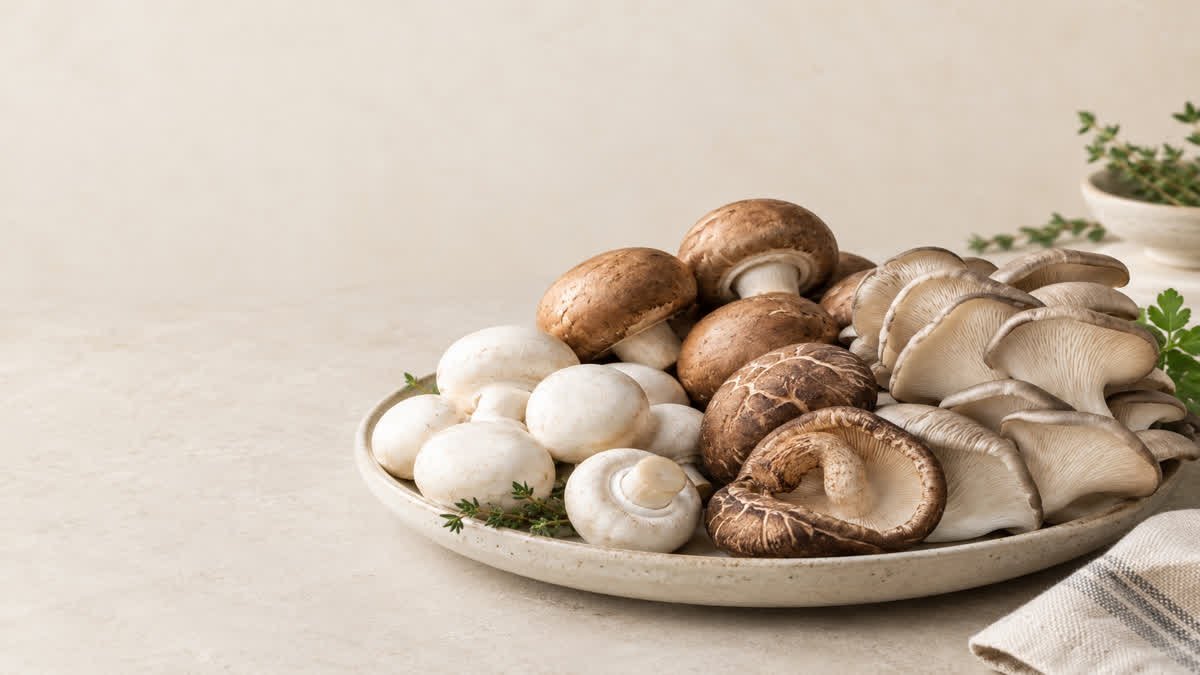

Mushrooms show up in soups, stir-fries, pasta, and salads, yet many people are unsure what they actually offer nutritionally. Technically fungi rather than plants, mushrooms are usually grouped with vegetables in everyday cooking. They are low in calories and provide B vitamins, minerals, fiber, and several bioactive compounds that are uncommon in other foods.
So, are mushrooms good for you? In general, yes. Edible mushrooms can be a nutritious addition to a varied diet, and researchers continue to study how their compounds may affect immune function, gut health, and heart health. The evidence is stronger for some benefits than for others, and this guide explains the difference in plain language.
Below, you will find seven potential health benefits of mushrooms, a look at the nutrients behind them, practical ways to eat more of them, and safety guidance. None of this is individualized medical advice, and mushrooms are best viewed as one part of an overall healthy diet, not a cure for any condition.
What Makes Mushrooms Nutritious?
Mushroom nutrition is more impressive than their light weight and mild flavor suggest. According to the Harvard T.H. Chan School of Public Health, mushrooms provide B vitamins, selenium, copper, potassium, and fiber, along with antioxidant compounds. They are also naturally low in calories, fat, and sodium. You can check values for specific varieties in the USDA FoodData Central database.
Two compounds get particular attention from researchers. Ergothioneine is an amino acid with antioxidant properties that humans cannot make on their own, so it comes from food. Mushrooms are among the richest dietary sources, as discussed in a 2023 review of ergothioneine and healthy ageing.
Beta-glucans are a type of fiber found in mushroom cell walls. They are being studied for their effects on the immune system and the gut. Mushrooms also contain chitin, another structural fiber that humans digest poorly.
Nutritional content varies by species, growing conditions, ultraviolet (UV) light exposure, and cooking method. Mushrooms exposed to UV light can contain meaningful amounts of vitamin D, while those grown in the dark generally contain very little. For other nutrient-dense choices, see our guide to nutrient-dense foods.
7 Science-Backed Health Benefits of Mushrooms
The benefits below are described as potential effects, and the strength of the evidence is noted for each. Much of the research uses mushroom extracts, concentrated compounds, or animal and laboratory models. Findings from those settings do not always carry over to eating ordinary mushrooms as food.
1. Support Immune System Function
Mushroom beta-glucans can interact with immune cells in laboratory studies. They may help the body’s immune pathways respond more effectively, a process often described as immune modulation. This is one reason mushrooms have a long history in traditional food and medicine practices.
Human evidence is more limited. A scoping review of Agaricus bisporus (white button) mushrooms found some signs of immune effects, but the studies were small and varied in design. Eating mushrooms has not been shown to guarantee protection from infections.
Mushrooms also supply selenium, copper, and B vitamins, nutrients that the body needs for normal immune function. For more on this topic, see our article on foods high in vitamin C and other immune-supportive nutrients. A varied, balanced diet remains the most reliable foundation.
2. Provide Antioxidants That Help Protect Cells
Oxidative stress occurs when unstable molecules called free radicals outpace the body’s ability to neutralize them. Over time, this imbalance can contribute to cell damage. Antioxidants help limit that damage, and mushrooms contain several, including ergothioneine, glutathione, and phenolic compounds.
Ergothioneine is notable because the body has a dedicated transporter that moves it into tissues. Researchers are exploring whether higher intake relates to healthy aging and brain health, as outlined in the ergothioneine review noted above.
It is important to stay realistic here. Antioxidant activity measured in a laboratory does not automatically mean a food prevents chronic disease in people. Mushrooms are best seen as one contributor among many antioxidant-rich foods, and you can learn more in our explainer on what antioxidants are.
3. Promote Gut Health and Digestive Function
Mushrooms contain dietary fiber, including beta-glucans and chitin. Some fibers resist digestion in the small intestine and reach the colon, where gut bacteria can ferment them. This process may help nourish beneficial microorganisms, which is why certain mushroom fibers are sometimes described as having prebiotic-like properties.
Small human studies and laboratory research suggest mushroom consumption may influence the makeup of the gut microbiome. However, the long-term health meaning of those changes is not yet clear. The Agaricus bisporus scoping review lists gastrointestinal health as an area that still needs larger human trials.
Fiber in general supports regular bowel movements. That said, mushrooms alone do not correct digestive disorders, and some people with sensitive digestion find them hard to tolerate. For a broader look, read about how to improve gut health, explore high-fiber foods for digestive health, or review common digestive problems.
4. Contribute to Heart Health
Mushrooms fit well into a heart-healthy eating pattern. They contain potassium, which plays a role in blood pressure regulation, along with fiber, and they have almost no saturated fat. Using them in place of some higher-sodium or higher-fat ingredients can make meals more heart-friendly. Our guide to heart-healthy foods covers other options.
Research on direct cardiovascular effects is less settled. A 2023 systematic review of mushroom consumption and cardiometabolic risk factors examined outcomes such as cholesterol, blood pressure, and blood glucose. The authors noted that the available human evidence is limited and inconsistent, so firm conclusions about heart disease outcomes cannot yet be drawn.
If you have high blood pressure or high cholesterol, mushrooms can be part of your meals, but they are not a replacement for prescribed treatment or the advice of your healthcare professional.
5. Help Support Healthy Vitamin D Levels
Mushrooms are the only common non-animal food that can provide meaningful vitamin D. They contain ergosterol, a compound that converts to vitamin D2 when exposed to UV light, much like skin converts sunlight into vitamin D. Harvard’s Nutrition Source notes that vitamin D content depends heavily on this exposure.
This means label reading matters. Mushrooms labeled as UV-exposed or high in vitamin D can contribute substantially to daily intake, while ordinary mushrooms grown indoors in the dark may contain very little. Some research suggests UV-exposed mushrooms can improve vitamin D status, according to the Agaricus bisporus review.
Vitamin D supports bone health and other body functions. The NIH Office of Dietary Supplements provides a helpful vitamin D fact sheet. For more food ideas and background, see our pages on foods high in vitamin D and vitamin D benefits, food sources, and deficiency.
6. Support Healthy Weight Management
Mushrooms add flavor, volume, and a satisfying, meaty texture for very few calories. This makes them useful for building filling meals. Many cooks blend finely chopped mushrooms with ground meat, or use sliced portobellos in place of a bun, to reduce calories while keeping meals satisfying.
The benefit comes from how mushrooms fit into your overall eating pattern. Fiber and water content may contribute to feeling full, but satiety and weight outcomes depend on the whole meal, portion sizes, and your habits over time. Mushrooms do not burn fat or speed up metabolism.
If weight management is a goal, mushrooms work best alongside other whole foods, regular movement, and good sleep. Our overview of what a balanced diet looks like can help you build well-rounded meals.
7. Provide Nutrients That Support Energy and Normal Body Functions
Mushrooms contain several B vitamins, including riboflavin (B2), niacin (B3), and pantothenic acid (B5). These help the body convert food into usable energy. You can read more about riboflavin from the National Institutes of Health.
They also provide minerals such as copper and selenium. Selenium supports antioxidant enzymes and thyroid function, as described in the NIH selenium fact sheet. Potassium, another mineral found in mushrooms, supports normal muscle and nerve function (see the NIH potassium fact sheet).
These nutrients are needed for normal energy production, but mushrooms are not a stimulant and are not a proven treatment for fatigue. Persistent tiredness has many possible causes, so it is worth discussing with a healthcare professional. Nutrient levels also differ among varieties, so eating a mix of mushrooms is a sensible approach.
How to Add More Mushrooms to Your Diet
Mushrooms are versatile and easy to include in everyday meals. A few simple ideas can help you get started:
- Sauté them with garlic and herbs as a side dish.
- Add them to soups, stews, and stir-fries.
- Fold them into omelets or scrambled eggs.
- Layer them into grain bowls, pasta dishes, or whole-grain wraps.
- Roast them with olive oil, which pairs well with their savory flavor (see our guide to olive oil benefits).
Pairing mushrooms with vegetables, whole grains, legumes, or lean protein creates balanced plates. Cooking methods and added ingredients shape the final nutritional profile, so a mushroom sautéed in a small amount of oil is different from one fried in butter or smothered in a cream sauce. Cooking mushrooms also improves their digestibility and is generally recommended.
For best results, eat a variety of mushrooms rather than relying on a single type or a supplement. If vitamin D is your goal, look for UV-exposed products. You can find more ideas in our list of healthy foods.
Are Mushrooms Safe for Everyone?
Commercially grown mushrooms sold at grocery stores and farmers’ markets are safe for most people. Buy from reliable suppliers, store them properly, and cook them before eating.
Never eat unidentified wild mushrooms. Some poisonous species closely resemble edible ones, and mistakes can cause serious illness. Poison Control provides guidance on mushroom poisoning, and you should call them or seek emergency care right away if you suspect someone has eaten a toxic mushroom.
Mushroom allergies and digestive sensitivities can occur, though they are uncommon. Symptoms may include stomach upset, itching, or swelling.
Concentrated mushroom supplements and extracts are different from food. They are not standardized in the same way, and their safety and effectiveness are less well established. If you are considering supplements, talk with a qualified healthcare professional first, especially if you take medicines, are pregnant, or have an existing health condition.
Conclusion: Are Mushrooms Good for You?
Mushrooms are a nutritious, low-calorie food that provides B vitamins, selenium, potassium, fiber, and distinctive compounds like ergothioneine and beta-glucans. The seven potential benefits covered here include immune support, antioxidant activity, gut health, heart health, vitamin D, weight management, and nutrients for normal body functions. The evidence is strongest for basic nutrition and vitamin D from UV-exposed varieties, and more limited for immune and cardiovascular effects.
Mushrooms can complement a balanced diet, but they are not a cure and not a substitute for medical treatment. A practical takeaway is to include different edible mushrooms in varied meals according to your tastes. For more ideas on building healthy habits, visit our guide on how to live a healthy lifestyle.
Frequently Asked Questions About Mushrooms
Are mushrooms good for you?
Yes, for most people. Edible mushrooms provide B vitamins, selenium, potassium, and fiber, along with bioactive compounds. Their overall value depends on the variety, how they are prepared, and the balance of your diet, according to Harvard’s Nutrition Source.
Can mushrooms help boost immunity?
Mushrooms contain beta-glucans and other compounds that interact with immune pathways in research settings. However, evidence that eating ordinary culinary mushrooms prevents infections or meaningfully strengthens immunity in healthy people is limited. A varied diet, sleep, and recommended vaccinations matter more.
Which mushrooms are the healthiest?
Button, shiitake, oyster, and UV-exposed mushrooms can all contribute useful nutrients. No single variety is best for every goal. Vitamin D content, for example, depends largely on UV exposure rather than the species alone.
Is it okay to eat mushrooms every day?
Most people can include commercially grown edible mushrooms regularly as part of a varied diet, as long as they tolerate them. There is no established daily amount required to gain their potential benefits. If you have allergies or digestive concerns, check with your healthcare professional.
Do mushrooms help prevent cancer?
Some mushroom compounds have shown promising effects in laboratory and other research settings. However, eating mushrooms has not been established as a way to prevent or treat cancer, according to the National Cancer Institute. Do not replace recommended screening or treatment with mushrooms or mushroom supplements.
Sources
- Harvard T.H. Chan School of Public Health, The Nutrition Source. Mushrooms.
- Blumfield M, et al. (2020). Examining the health effects and bioactive components in Agaricus bisporus mushrooms: a scoping review. PubMed.
- Uffelman CN, et al. (2023). An Assessment of Mushroom Consumption on Cardiometabolic Disease Risk Factors and Morbidities in Humans: A Systematic Review. PubMed.
- National Cancer Institute. Medicinal Mushrooms (PDQ).
- Tian X, et al. (2023). Ergothioneine: An underrecognised dietary micronutrient required for healthy ageing? PubMed.
- NIH Office of Dietary Supplements. Vitamin D, Riboflavin, Selenium, and Potassium fact sheets.
- U.S. Department of Agriculture. FoodData Central.
- Poison Control. Mushroom poisoning.
Medical Disclaimer
This article is for general educational purposes only and is not medical advice. It does not diagnose, treat, or prevent any condition, and it cannot replace guidance from a qualified healthcare professional who knows your health history. Talk with your doctor or registered dietitian before making major changes to your diet, taking supplements, or if you have allergies, take medicines, or have a medical condition. If you think you have a medical emergency or may have eaten a poisonous mushroom, call 911 or Poison Control at 1-800-222-1222 right away.