
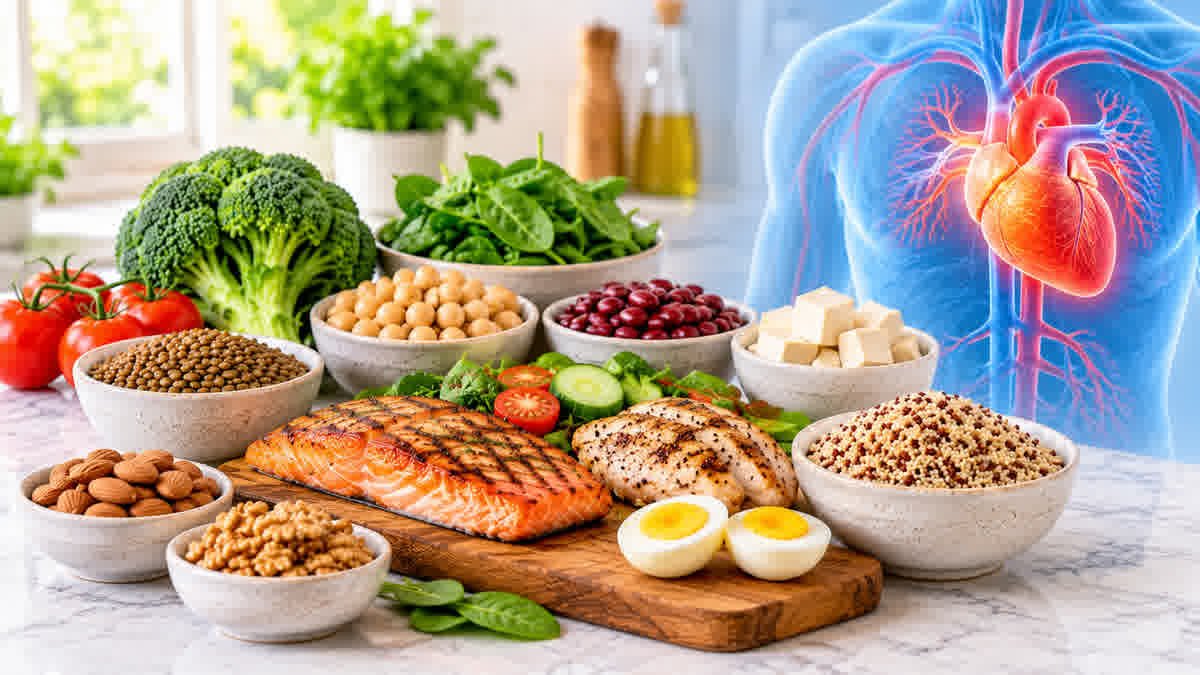

A high protein diet is often linked with weight management, muscle maintenance, and feeling full after meals. Protein is also a core nutrient that every body needs to build and repair tissue. It is no surprise that many adults are eating more of it.
If you have high blood pressure, though, you may wonder whether eating more protein could help, hurt, or make no difference. The short answer is that it depends on more than the amount of protein. Not every high-protein diet looks the same, and the foods that supply the protein can matter as much as the protein itself.
This article explains what current research says about protein and blood pressure, how protein sources and sodium fit in, and how a high-protein eating pattern compares with the DASH diet. It also covers safety considerations, common myths, and frequently asked questions. This is general information, not personal medical advice.
What Is a High-Protein Diet?
A high-protein diet is an eating pattern that includes more protein than usual. There is no single universal definition, so no one percentage or gram target applies to everyone. Needs vary with age, body size, activity level, and health conditions.
Understanding Protein and Its Role in the Body
Protein is one of the three macronutrients, along with carbohydrates and fats. Your body uses it to grow, maintain, and repair tissues such as muscle, skin, and organs. It also helps make enzymes, hormones, and immune system components.
Proteins are built from amino acids. Some of these are “essential,” meaning your body cannot make them, so they must come from food. Eating a variety of protein foods helps cover those needs.
Common Sources of Protein
Animal-based sources include fish, chicken, eggs, milk, yogurt, and lean meat. Plant-based sources include lentils, chickpeas, beans, soy foods, nuts, and seeds. Our guide to what to eat on a high protein diet lists more options.
What Makes a Diet High in Protein?
High-protein diets vary a lot. Some raise protein while cutting carbohydrates. Others add protein to a plate that is already full of vegetables, fruits, whole grains, and healthy fats. These two approaches can affect your overall health very differently.
Can a High-Protein Diet Affect Blood Pressure?
Research on total protein intake and blood pressure has produced mixed results. Current evidence does not show that eating more protein reliably raises or lowers blood pressure on its own. The foods that come with the protein, especially sodium, appear to matter a great deal.
What Research Says About Protein and Blood Pressure
A 2024 umbrella review of systematic reviews in the European Journal of Nutrition looked at 16 systematic reviews. Most reported no association or effect of total, animal, or plant protein on blood pressure. The certainty of the evidence was mostly rated as low.
The same review noted that two reviews of milk protein found a reduction in blood pressure, while reviews of soy protein found no effect. The authors said it cannot be ruled out that certain types of protein may influence blood pressure favorably. That is not the same as proof.
Why do studies disagree? They differ in the protein sources studied, the comparison diets used, study length, and participants. Observational studies can show associations but cannot prove cause and effect. Clinical trials can test cause and effect more directly, but they are often short and small.
Does Eating More Protein Raise Blood Pressure?
Protein itself is not considered a clear, direct cause of high blood pressure. Concerns usually come from what travels with the protein. Processed meats and packaged protein products can be high in sodium, and an unbalanced diet can crowd out foods that support heart health.
People with kidney or certain cardiovascular conditions may also need individualized guidance, which is covered below.
Can Protein Help Support Healthy Blood Pressure?
Some eating patterns that include adequate protein are linked with better health outcomes. Still, the evidence does not support treating protein as a blood-pressure-lowering nutrient by itself. A heart-healthy overall diet matters more than simply increasing protein.
For background on hypertension, see our overview of high blood pressure.
Does the Source of Protein Matter for Blood Pressure?
Yes, it likely does. Protein foods come with different amounts of sodium, fiber, saturated fat, and other nutrients. Looking at the whole food is more useful than looking at grams of protein alone.
Plant-Based Protein and Blood Pressure
Plant protein foods include lentils, beans, chickpeas, soybeans, tofu, nuts, and seeds. Depending on the food, they can also provide fiber, minerals, and unsaturated fats. Our guides to legumes and nuts cover these foods in more detail.
A 2025 analysis from the Multi-Ethnic Study of Atherosclerosis (MESA) followed 2,294 adults aged 45 to 84 without hypertension for a median of nine years. Higher intake and greater variety of plant protein were linked with lower hypertension risk, while total and animal protein showed no statistically significant link. The UTHealth summary of the study adds that the benefit was tied to minimally processed plant protein, and that people who got plant protein from many highly processed foods had a higher risk.
This was an observational study, so it cannot prove that plant protein lowers blood pressure.
Animal-Based Protein and Hypertension
Fish, poultry, eggs, dairy, and lean meat can all supply useful nutrients. Their effect within a diet depends on preparation, sodium, fat content, and what they replace. The MESA authors noted that minimally processed animal protein foods can be eaten without a clear increase in hypertension risk in their data. Not all animal protein is harmful, and not all of it is equal.
Our article on fatty fish and our guide to yogurt cover two common examples.
Processed Meat and High-Sodium Protein Foods
Some protein-rich foods are worth choosing carefully if you are concerned about blood pressure. Examples include bacon, sausages, deli meats, salted or smoked meats, some canned meats, and heavily salted packaged protein snacks. The main issue is sodium and overall food quality, not protein.
The CDC has reported that cold cuts and cured meats, along with poultry, are among the top sources of sodium in the American diet.
How Sodium in High-Protein Foods Can Influence Blood Pressure
Sodium effects and protein effects are different things. A high-protein diet built on salty foods can raise sodium intake even if protein itself is not the problem.
Why Sodium Matters
Excess sodium can contribute to higher blood pressure, especially in people who are salt-sensitive or already have hypertension. The 2025 AHA/ACC high blood pressure guideline recommends keeping sodium under 2,300 mg a day, ideally under 1,500 mg, as part of a DASH-style diet and other lifestyle measures. A quick reference summary of the guideline outlines these lifestyle steps.
Hidden Sodium in Protein Foods
Sodium can hide in places you may not expect. The CDC notes that most sodium comes from processed and restaurant foods, not the salt shaker. Common protein-related sources include:
- Processed meats
- Restaurant meat dishes
- Seasoned or pre-marinated chicken
- Salted nuts
- Packaged protein meals
- Canned foods with added salt
- Some protein supplements and ready-to-drink products
Choosing Lower-Sodium Options
A few simple habits can help:
- Choose fresh or minimally processed protein foods more often.
- Compare sodium levels on nutrition labels.
- Flavor food with herbs, spices, and citrus instead of relying on salt.
- Choose unsalted nuts and lower-sodium canned foods when available.
High-Protein Diet vs. DASH Diet for High Blood Pressure
Eating more protein and following the DASH pattern are different goals. DASH was designed around blood pressure. A high-protein diet is defined by one nutrient.
What Is the DASH Diet?
DASH stands for Dietary Approaches to Stop Hypertension. The NHLBI describes DASH as a flexible, balanced eating plan for heart-healthy eating. It emphasizes vegetables, fruits, whole grains, beans, nuts, fish, poultry, and low-fat dairy, with less sodium, saturated fat, and highly processed food.
Can a High-Protein Diet Follow DASH Principles?
Yes. Protein foods can fit into a DASH-style pattern without protein being the only priority. Good fits include lentils and beans, fish, plain yogurt, skinless poultry, unsalted nuts, and tofu.
Which Eating Pattern Has Stronger Evidence for Blood Pressure?
DASH has a stronger and more consistent evidence base for blood pressure than increasing protein alone. NHLBI-funded studies found that DASH lowers blood pressure, and that adding reduced sodium can lower it further, as described on the NHLBI DASH research page. The 2025 AHA/ACC guideline also recommends a DASH-style diet.
| Dietary Feature | High-Protein Diet | DASH Eating Pattern |
|---|---|---|
| Main emphasis | Protein intake | Overall cardiovascular nutrition |
| Protein sources | May vary considerably | Plant and lean animal protein |
| Sodium | Depends on food choices | Emphasizes sodium reduction |
| Fruits and vegetables | May or may not be emphasized | Core component |
| Blood pressure evidence | Mixed | Stronger evidence |
| Flexibility | Varies by plan | Flexible and balanced |
Best Protein Foods to Include in a Heart-Healthy Diet
These foods can fit well into a balanced, lower-sodium eating pattern. None of them is a treatment for hypertension. See our list of heart-healthy foods for more ideas.
Beans, Lentils, and Chickpeas
These foods provide protein, fiber, and other nutrients. Rinsing canned beans or choosing no-salt-added or lower-sodium versions can reduce sodium. Dried beans cooked at home let you control the salt.
Fish and Seafood
Fish is a protein option that can also provide beneficial nutrients. Preparation matters, so baking, grilling, or steaming usually fits better than heavy salting or frying. Ask a healthcare professional about specific needs, such as fish choices during pregnancy.
Skinless Poultry
Poultry can fit into a balanced eating pattern, especially when prepared without much salt or heavy sauces. Check labels on pre-seasoned or injected products, which can be high in sodium.
Eggs and Dairy
Eggs, milk, and yogurt contain protein. Their nutritional profile depends on the product and preparation. Plain, unsweetened yogurt and low-fat dairy fit the DASH pattern, while heavily salted or processed cheese products may not.
Nuts, Seeds, and Soy Foods
Almonds, walnuts, pumpkin seeds, tofu, and edamame all contribute protein and other nutrients. Choose unsalted nuts and check labels on flavored soy products.
Protein Foods to Limit or Choose Carefully If You Have High Blood Pressure
Few foods are strictly forbidden. Frequency, portion size, and nutrition labels matter more than a “good” or “bad” label.
Processed Meats
Bacon, sausages, deli meats, and similar products are often high in sodium. Eating them occasionally is different from eating them daily. Watch how they fit into your overall pattern.
Highly Salted Protein Snacks
Salted nuts, jerky, flavored packaged protein snacks, and high-sodium convenience foods can add up quickly. Compare brands, since sodium content can differ widely.
Protein Products With Added Sodium
Protein powders, shakes, bars, and ready-made meals can contain added sodium and sugar. A “high protein” label does not automatically mean heart-healthy. Read the Nutrition Facts panel and ingredient list.
Fatty or Heavily Prepared Meat Dishes
Cooking method, added fats, sauces, and meal composition all change a dish’s nutritional quality. Fried or heavily sauced meat dishes can add sodium and saturated fat. Baking, roasting, or grilling with herbs is often a lighter choice.
How to Build a Balanced, Protein-Rich Diet for Blood Pressure Health
You can eat plenty of protein and still support your blood pressure. The key is building meals around the whole plate.
Combine Protein With Vegetables and Whole Grains
Aim for meals that include several food groups. Some examples:
- Lentils with vegetables and brown rice
- Fish with steamed vegetables and whole grains
- Tofu with mixed vegetables
- Plain yogurt with fruit and nuts
Our article on vegetables and blood pressure explains how produce supports a heart-healthy plate.
Pay Attention to Sodium
Compare food labels, choose minimally processed ingredients, and reduce added salt where appropriate. Be mindful of restaurant and packaged foods, which often contain more sodium than home cooking.
Include a Variety of Protein Sources
Variety brings a wider range of nutrients and improves overall diet quality. The MESA findings also point toward variety from minimally processed sources. Rotating beans, fish, poultry, dairy, and nuts is a simple way to do this.
Consider the Overall Eating Pattern
Both DASH-style and Mediterranean-style eating include protein alongside plenty of nutrient-rich foods. Our guide on how to lower blood pressure covers other lifestyle steps.
Is a High-Protein Diet Safe for People With High Blood Pressure?
For many people, a balanced diet with ample protein can be safe, but individual factors matter. Our article on whether a high protein diet is safe long term discusses this topic more broadly.
Consider Kidney Health
High blood pressure and kidney health are closely connected. The National Kidney Foundation notes that people with chronic kidney disease who are not on dialysis are often advised to limit protein, while those on dialysis may need more. The right amount depends on body size, nutritional status, and the type of kidney problem, so a kidney dietitian or doctor should guide it.
If you have kidney disease or reduced kidney function, talk with a qualified professional before making significant changes to protein intake.
Avoid Excessive Reliance on Supplements
Protein supplements are not automatically necessary for a balanced diet. Check ingredients, added sodium, added sugars, and whether the product fits your needs. If supplements are being considered for a medical reason, professional guidance is important.
Consider Existing Medical Conditions and Medications
People managing hypertension, kidney disease, diabetes, or other conditions may need individualized dietary advice. Diet changes should not replace prescribed blood pressure treatment. Do not stop or adjust medication without talking to your healthcare professional.
Common Myths About High-Protein Diets and Blood Pressure
Myth 1: All High-Protein Diets Raise Blood Pressure
Protein intake alone does not have a clearly established universal effect on blood pressure. Food choices and overall patterns matter.
Myth 2: Plant Protein Automatically Lowers Blood Pressure
Plant foods can contribute to a heart-healthy diet, and some observational data are encouraging. But individual foods are not treatments for hypertension, and highly processed plant products can be high in sodium.
Myth 3: Eating More Protein Is Better for Heart Health
Needs vary. Adding protein without considering the rest of the diet may not bring extra benefit.
Myth 4: Protein Supplements Are Necessary for Everyone
Many people can meet protein needs from ordinary foods. Supplement needs vary from person to person.
Frequently Asked Questions
Does a high-protein diet cause high blood pressure?
Current evidence does not show that total protein intake is a universal cause of high blood pressure. A 2024 umbrella review found mostly no clear association, with low certainty. Sodium intake, food quality, and overall diet are important factors.
What is the best protein for people with high blood pressure?
No single protein is best for everyone. Minimally processed options such as beans, lentils, fish, tofu, unsalted nuts, and skinless poultry fit well in a balanced pattern. Choose lower-sodium versions and pair them with vegetables, fruits, and whole grains.
Can plant protein help lower blood pressure?
Plant protein foods can support a heart-healthy eating pattern. In the MESA study, more minimally processed plant protein was linked with lower hypertension risk, but that type of study cannot prove cause and effect. Individual foods should not be considered blood pressure treatments.
Are eggs good for people with high blood pressure?
Eggs are a protein-containing food that can fit into many eating patterns. What matters is how they are prepared, what they are served with (such as salty processed meats), and your overall diet. If you have other health conditions, ask your healthcare professional for personal advice.
Is whey protein safe for people with hypertension?
It depends on the product and the person. Check ingredients, sodium, added sugars, and your individual health status. Two reviews in the umbrella review found milk protein may lower blood pressure, but the evidence is limited. People with kidney disease or other conditions should seek personalized advice first.
Can I follow a high-protein diet while taking blood pressure medication?
Talk to your healthcare professional before making significant dietary changes. They can check that your plan fits your medications and health needs. Never adjust or stop blood pressure medication on your own. The NHLBI also advises that people who take blood pressure medication should not stop it when starting DASH.
Is the DASH diet high in protein?
DASH includes protein foods such as beans, nuts, fish, poultry, and dairy. However, it is designed around overall diet quality and lower sodium rather than maximizing protein.
Conclusion
A high-protein diet does not automatically raise blood pressure, and the evidence on total protein and blood pressure remains mixed. Protein source and sodium content are often the more important considerations. Minimally processed protein foods can fit into a balanced eating pattern.
DASH has stronger evidence for blood pressure management than protein-focused eating alone. A pattern rich in vegetables, fruits, whole grains, legumes, and a variety of protein sources may offer more meaningful support than chasing a protein number. If you have hypertension or kidney conditions, talk with your healthcare professional or a registered dietitian about a plan that fits your needs.
If you also deal with reflux, our article on a high protein diet and acid reflux may help.
Sources
- Boeing H, et al. Dietary protein and blood pressure: an umbrella review of systematic reviews and evaluation of the evidence. European Journal of Nutrition, 2024. DOI: 10.1007/s00394-024-03336-8
- Tark JY, et al. Dietary Intake of Protein by Food Source and Incident Hypertension Among Diverse US Adults: The MESA Study, 2025. UTHealth School of Public Health summary
- Jones DW, et al. 2025 AHA/ACC Guideline for the Prevention, Detection, Evaluation and Management of High Blood Pressure in Adults. Summaries: ACP Internist; American Heart Association Hypertension Sessions
- National Heart, Lung, and Blood Institute. DASH Eating Plan and Health Benefits of the DASH Eating Plan
- NHLBI. Getting Started on DASH
- Centers for Disease Control and Prevention. About Sodium and Health
- CDC MMWR. Vital Signs: Food Categories Contributing the Most to Sodium Consumption, United States, 2007-2008
- National Kidney Foundation. CKD Diet: How Much Protein Is the Right Amount?
Medical Disclaimer: This article is for general information only and is not a substitute for professional medical advice, diagnosis, or treatment. Always talk with a qualified healthcare professional before making significant changes to your diet, especially if you have high blood pressure, kidney disease, or another medical condition. Do not stop or change any prescribed medication without your doctor’s guidance.
2 thoughts on “High Protein Diet and High Blood Pressure: What You Should Know”
Comments are closed.