
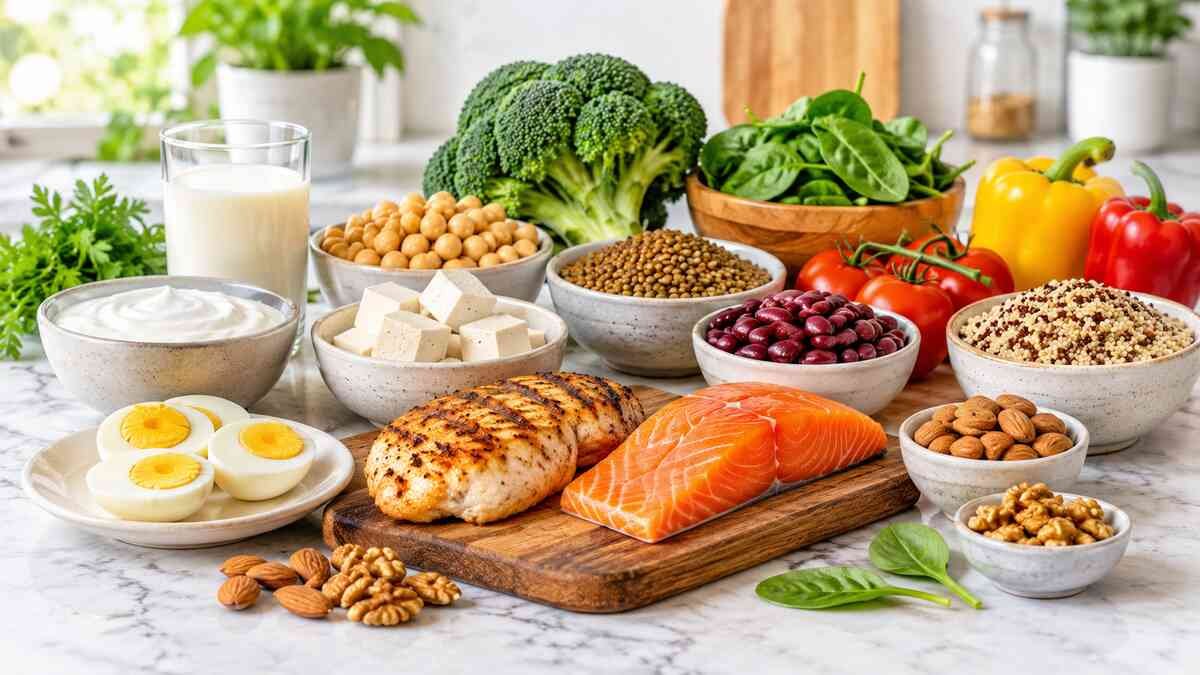

Protein is an essential nutrient that your body uses to build and maintain tissues, make enzymes and hormones, and support normal immune function. It has also become one of the most talked-about topics in nutrition. A high protein diet is now popular with people interested in fitness, healthy aging, and simply eating well.
If you are new to the idea, the details can feel confusing. How much protein is enough? Do you need meat, powders, or special foods? The good news is that eating more protein does not have to be complicated or restrictive, and it does not mean cutting out carbohydrates, fats, fruits, or vegetables.
This beginner-friendly guide explains what a high-protein diet is, how protein works in the body, and which foods are good sources. You will also find tips for building balanced meals, common myths, and who should take extra care. This is general education, not a weight-loss plan or individual medical advice.
What Is a High-Protein Diet?
A high-protein diet is an eating pattern that includes protein-rich foods such as eggs, fish, poultry, dairy products, beans, lentils, tofu, nuts, and seeds. Protein is an essential nutrient that supports tissue maintenance, normal immune function, and many processes in the body. A balanced diet also includes carbohydrates, fats, fruits, and vegetables.
What Does a High-Protein Diet Mean?
There is no single official definition. In general, “high protein” means eating more protein than the minimum needed, often by including a protein food at each meal. The Recommended Dietary Allowance (RDA) for healthy adults is 0.8 grams of protein per kilogram of body weight per day, a level that has been in place for decades, as described in this 2017 review in Advances in Nutrition.
The newest federal guidance goes higher. The Dietary Guidelines for Americans, 2025 to 2030, released in January 2026, encourage adults to prioritize protein at every meal and suggest aiming for 1.2 to 1.6 grams per kilogram of body weight per day. Nutrition experts have debated this, noting that many Americans already eat enough protein. See the Harvard T.H. Chan School of Public Health’s response for that perspective.
How Protein Works in the Body
Proteins are made of smaller building blocks called amino acids. Your body uses them to build and repair tissues such as muscle, skin, and bone. It also uses them to make enzymes, hormones, and immune cells. Nine amino acids are “essential,” which means you must get them from food.
Protein, Carbohydrates, and Fats: Understanding the Difference
Protein, carbohydrates, and fats are the three macronutrients, meaning nutrients you need in large amounts. Each has a different role:
- Protein: Building and repair, plus enzymes, hormones, and immune function.
- Carbohydrates: The body’s main source of quick energy.
- Fats: Energy storage, hormone production, and absorption of some vitamins.
The Institute of Medicine’s recommended range is that 10% to 35% of daily calories come from protein. Eating more protein does not mean you must eliminate other food groups. For a wider view, see our guides on what a healthy diet is and what a balanced diet is.
How Protein Supports Overall Health
Protein does many jobs, but it works best alongside other nutrients, not as a replacement for them.
Protein and Tissue Maintenance
Your body is constantly breaking down and rebuilding tissue. Amino acids from the protein you eat supply the raw materials for that process. This matters at every age, and it is especially relevant for older adults and for people who exercise regularly. If you want to learn more about the muscle side, read how to build muscle.
Protein’s Role in Enzymes and Hormones
Many enzymes, which speed up chemical reactions in the body, are proteins. Some hormones, such as insulin, are also proteins or protein-based. Without enough dietary protein, the body cannot make these molecules properly.
Protein and Immune System Function
Antibodies and many immune signaling molecules are made from amino acids. Adequate protein intake contributes to normal immune function. That said, protein alone does not “boost” immunity. Sleep, vaccines, physical activity, and a full range of nutrients all play a part.
Protein as Part of a Balanced Diet
Protein supports many functions, but no nutrient guarantees good health on its own. Foods rich in protein also bring other nutrients, such as iron, calcium, fiber, and healthy fats. The overall pattern of what you eat matters more than any single nutrient.
Best High-Protein Foods for Beginners
You can find protein in many everyday foods. The USDA’s MyPlate groups protein foods to include seafood, meat, poultry, eggs, beans, peas, lentils, nuts, seeds, and soy products. The amounts below are approximate; check USDA FoodData Central for exact values. For a longer list, see our guide to high-protein foods.
Animal-Based Protein Sources
- Eggs: About 6 grams per large egg.
- Chicken or turkey: About 25 grams in a 3-ounce cooked portion.
- Fish and seafood: About 20 grams in a 3-ounce cooked portion of salmon. Learn more in our guide to salmon health benefits.
- Lean meats: Beef, pork, and lamb are good sources, though cuts vary in saturated fat.
Plant-Based Protein Sources
- Lentils: About 18 grams per cooked cup, along with plenty of fiber.
- Chickpeas and beans: About 12 to 15 grams per cooked cup. See our overview of legumes.
- Tofu and soy foods: Firm tofu provides roughly 10 grams per half cup.
- Nuts and seeds: About 5 to 7 grams per ounce. Read more about the health benefits of nuts.
Plant foods often provide fiber, vitamins, minerals, and unsaturated fats alongside protein.
Dairy and Other Convenient Protein Foods
Milk, yogurt, kefir, cottage cheese, and cheese are convenient protein sources. Plain Greek yogurt is typically higher in protein than regular yogurt. Our article on yogurt health benefits explains more. Fortified soy milk is a common dairy alternative with a similar protein level to cow’s milk.
Affordable Protein Foods for Everyday Meals
Protein does not have to be expensive. Budget-friendly options include dried or canned beans and lentils, eggs, canned fish, peanut butter, frozen chicken, and plain yogurt. Food preferences, culture, allergies, and access all matter, so choose what works for you. Expensive supplements are not necessary.
Animal Protein vs. Plant Protein
Both animal and plant foods can supply the protein you need. They differ in what comes with the protein, not in whether they can be part of a healthy pattern.
| Feature | Animal protein | Plant protein |
|---|---|---|
| Essential amino acids | Most foods provide all nine | Soy and quinoa do; others vary |
| Fiber | None | Often high (beans, lentils, nuts) |
| Saturated fat | Higher in some meats and full-fat dairy | Generally lower |
| Extra nutrients | Iron, B12, zinc, calcium (dairy) | Folate, magnesium, potassium |
| Examples | Eggs, fish, poultry, yogurt | Lentils, tofu, beans, nuts |
What Is Animal Protein?
Animal protein comes from foods such as meat, poultry, fish, eggs, and dairy. Most of these provide all essential amino acids in useful amounts, which nutrition experts often call “complete” protein.
What Is Plant Protein?
Plant protein comes from beans, lentils, soy, grains, nuts, and seeds. Soy foods and quinoa are complete proteins. Many other plant foods are lower in one or more essential amino acids.
Can Plant-Based Foods Provide Adequate Protein?
Yes. Eating a variety of plant foods across the day, such as beans with rice or hummus with whole-grain bread, provides all essential amino acids. You do not need to combine them at the same meal.
How to Include Different Protein Sources in a Balanced Diet
A mix of sources is a flexible approach. For example, you might have eggs at breakfast, lentils at lunch, and fish or tofu at dinner. Variety helps cover different nutrients and keeps meals interesting.
How to Build Balanced Meals With Protein
You do not need strict rules. A simple approach is to start with a protein food, then add other food groups around it. The USDA MyPlate model offers a helpful visual.
Include a Protein Food Alongside Other Food Groups
Choose one protein food for each meal and snack when you can. This spreads protein through the day instead of loading it all into dinner.
Add Vegetables and Fruits
Fill part of your plate with vegetables and fruit for fiber, vitamins, and minerals. Colorful produce adds nutrients that protein foods do not provide.
Include Carbohydrates for Energy
Whole grains, potatoes, beans, and fruit supply energy and fiber. Protein can be used as a fuel source, but carbohydrates handle that job more efficiently, leaving protein free for its other roles.
Include Healthy Fats
Olive oil, nuts, seeds, avocado, and fatty fish supply unsaturated fats that support heart health.
Simple meal ideas:
- Breakfast: Eggs with whole-grain toast and fruit.
- Lunch: Lentils or beans with rice and vegetables.
- Dinner: Fish, tofu, or chicken with potatoes or rice and vegetables.
- Snack: Yogurt, nuts, or hummus with vegetables or whole-grain crackers.
Simple Tips for Beginners
Learn Which Everyday Foods Contain Protein
Many foods contribute small amounts that add up, including oats, whole-wheat bread, quinoa, broccoli, and potatoes. Not all of your protein has to come from foods you think of as “protein foods.”
Choose Foods You Enjoy
A way of eating you like is one you can keep up. Start with familiar foods, then try new ones gradually.
Try Different Protein Sources
Rotate animal and plant options. If you eat meat, consider replacing some servings with fish, beans, or lentils.
Read Food Labels When Helpful
The Nutrition Facts label lists grams of protein per serving. It can help you compare products, but you do not have to track every gram. See our guide to nutrition facts for help reading labels.
Keep Meals Balanced and Varied
Aim for protein, vegetables or fruit, a carbohydrate, and a healthy fat at most meals. Flexible habits work better than rigid rules.
A note on amounts: For a 150-pound (about 68 kg) adult, the RDA works out to about 54 grams of protein per day, while the 1.2 to 1.6 g/kg range in the new guidelines works out to roughly 82 to 109 grams. Needs differ by age, activity level, and health, so most beginners do not need to count grams. A healthcare professional or registered dietitian can help with personal targets.
Common Myths About High-Protein Diets
Myth: More Protein Is Always Better
Protein needs vary, and more is not automatically better. Your body cannot store extra protein as protein, and excess calories from any source can contribute to weight gain. Most people benefit more from good variety and overall diet quality.
Myth: Protein Only Comes From Meat
Beans, lentils, tofu, nuts, seeds, dairy, eggs, and even grains contain protein. Many healthy eating patterns are built mostly on plant protein.
Myth: Everyone Needs Protein Supplements
Most people can meet their needs from food. Powders and bars can be convenient, but they are not necessary, and some contain added sugar or other ingredients.
Myth: Eating Protein Means Avoiding Carbohydrates
Carbohydrates and fats are also important. A high-protein diet does not require cutting them out, and carbohydrate-rich foods such as whole grains, beans, and fruit provide fiber and other nutrients. For ideas about healthy weight habits, see our guide to weight management.
No single food or nutrient guarantees better health, and a high-protein diet does not guarantee weight loss.
Are High-Protein Diets Suitable for Everyone?
Not necessarily. Protein needs depend on age, health, and life stage, so general advice may not fit everyone.
People With Kidney-Related Health Conditions
People with chronic kidney disease may need to limit or adjust protein, depending on the stage of disease and their treatment. Kidneys filter the waste products of protein metabolism, so a high intake can add workload. The National Institute of Diabetes and Digestive and Kidney Diseases offers more information. If you have kidney disease or reduced kidney function, ask your care team before raising your protein intake.
People With Specific Medical or Nutritional Needs
Other conditions, medications, pregnancy, and breastfeeding can also change nutritional needs. Some people, such as older adults or those who are very active, may benefit from higher protein, but individual advice matters. See our guide to best foods for healthy aging.
Children, Teenagers, and Growing Individuals
Children and teens have different protein needs from adults, based on growth. A high-protein diet should not be started for them without guidance from a pediatrician or dietitian.
When Professional Nutrition Guidance May Be Helpful
Consider talking with a registered dietitian or doctor if you have a chronic condition, take regular medications, are pregnant, have a history of disordered eating, or are making large diet changes.
Frequently Asked Questions
What Is a High-Protein Diet?
A high-protein diet is an eating pattern that emphasizes protein-rich foods such as eggs, fish, poultry, dairy, beans, lentils, tofu, nuts, and seeds. It still includes carbohydrates, fats, fruits, and vegetables. There is no single official definition.
What Foods Are Naturally High in Protein?
Eggs, fish, chicken, turkey, lean meat, Greek yogurt, cottage cheese, tofu, lentils, beans, chickpeas, and nuts are all high in protein. Many everyday foods, such as oats and whole-grain bread, also contribute smaller amounts. See MyPlate for more examples.
Can You Get Protein Without Eating Meat?
Yes. Beans, lentils, tofu, soy foods, nuts, seeds, eggs, and dairy all provide protein. Eating a variety of plant foods throughout the day supplies all essential amino acids.
Are Eggs a Good Source of Protein?
Yes. A large egg has about 6 grams of high-quality protein and also provides vitamins and minerals. People with specific cholesterol or heart concerns should ask their healthcare professional how many eggs fit their diet.
Do Beginners Need Protein Supplements?
Most beginners do not. Food can supply enough protein for most people, and supplements are optional. Check labels for added sugar and talk with a healthcare professional if you have a medical condition.
Can a High-Protein Diet Be Balanced?
Yes, if it also includes vegetables, fruits, whole grains, and healthy fats. Balance and variety matter more than the protein number itself. Harvard experts note that the sources of protein, and what comes with them, also matter.
Is Protein Important for Overall Health?
Yes. Protein is essential for tissue repair, enzymes, hormones, and immune function. Most healthy adults in the U.S. already eat the RDA, so the focus is often on choosing a variety of good sources, as noted in this 2017 review.
Conclusion
Protein is an essential nutrient, and there are many animal and plant sources to choose from. A high protein diet for beginners does not need complicated rules. Start with foods you enjoy, add a protein source to meals, and keep carbohydrates, healthy fats, fruits, and vegetables in the mix.
Current guidance on exactly how much protein to eat is evolving, and needs differ from person to person. If you have a medical condition, especially kidney disease, talk with a healthcare professional or registered dietitian before making big changes.
Sources
- U.S. Department of Agriculture and U.S. Department of Health and Human Services: Dietary Guidelines for Americans, 2025 to 2030
- Harvard T.H. Chan School of Public Health, The Nutrition Source: Dietary Guidelines for Americans 2025 to 2030
- Oklahoma State University Extension: The New Dietary Guidelines for Americans (2025 to 2030)
- Wolfe RR, et al. Optimizing Protein Intake in Adults: Interpretation and Application of the RDA Compared with the AMDR. Advances in Nutrition, 2017
- USDA MyPlate: Protein Foods
- USDA FoodData Central
- National Institute of Diabetes and Digestive and Kidney Diseases: Chronic Kidney Disease
Medical Disclaimer: This article is for general educational purposes only and is not medical advice. It does not diagnose, treat, or prevent any condition, and it cannot replace guidance from a doctor, registered dietitian, or other qualified healthcare professional. Protein needs vary by age, health, and life stage. Talk with your healthcare provider before making major changes to your diet, especially if you have kidney disease or another medical condition, take medications, are pregnant or breastfeeding, or are planning changes for a child.
7 thoughts on “High Protein Diet for Beginners: What to Eat, Benefits & Tips”
Comments are closed.