
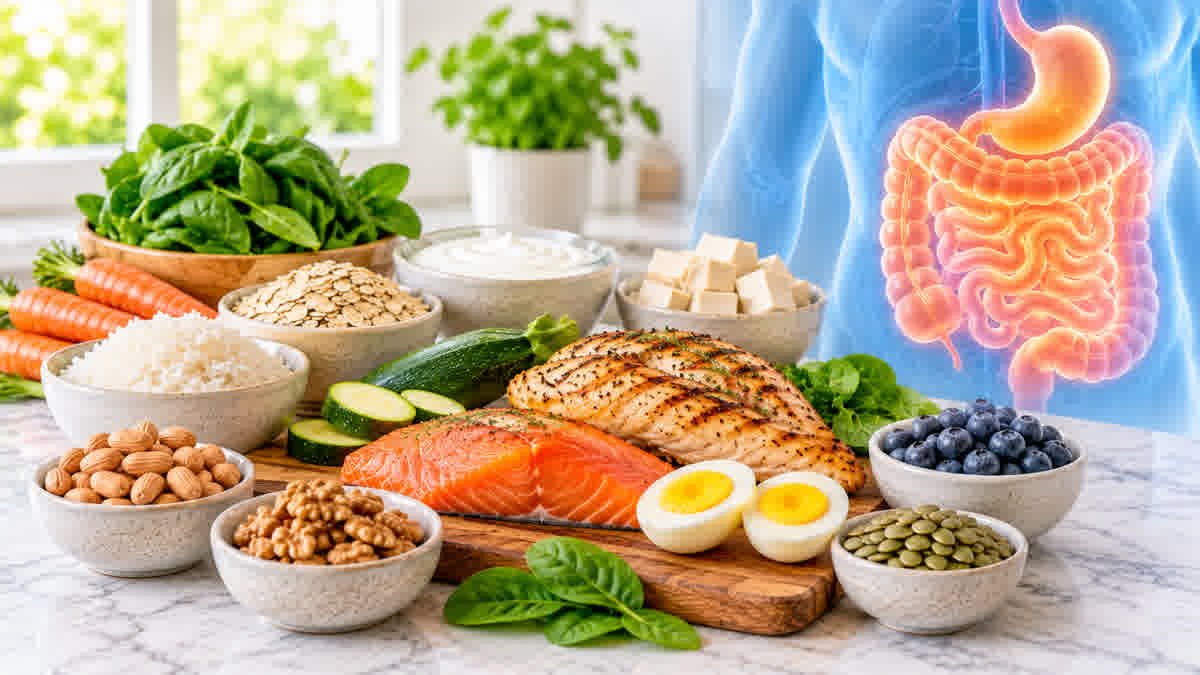

If you have irritable bowel syndrome (IBS), finding protein-rich foods that do not upset your digestion can feel like a puzzle. Many people with IBS notice bloating, gas, abdominal discomfort, diarrhea, or constipation after certain meals. When they try to eat more protein, they may run into trouble with dairy, beans, seasoned meats, sweeteners, or protein powders.
So can someone with IBS follow a high protein diet without triggering symptoms? Often, yes, but the details matter. IBS is a common disorder of the gut that causes abdominal pain along with changes in bowel habits, and food choices can influence symptoms in many people. Protein itself is rarely the problem. The other ingredients that come with protein foods often are.
This article explains how protein foods can fit into an IBS-friendly eating pattern. It covers foods that are often well tolerated, foods that may trigger symptoms, the low FODMAP approach, protein powders, and practical tips. This is general information, not personal medical advice, and IBS symptoms vary from person to person.
What Is a High-Protein Diet?
A high-protein diet is an eating pattern that includes more protein than usual. There is no single target that suits everyone, and this article does not prescribe one. Your needs depend on age, size, activity, and health conditions.
Understanding Protein
Protein is made of amino acids. It supports growth, tissue repair, enzymes, hormones, and many normal body functions. It comes from both animal and plant foods, and most people can meet their needs with a variety of everyday foods.
Common High-Protein Foods
Common choices include eggs, fish and seafood, chicken, turkey, meat, milk, yogurt, tofu, tempeh, beans, lentils, nuts, and seeds. Our guide to what to eat on a high protein diet covers more options.
These foods differ in carbohydrate, fat, fiber, and lactose content. Those differences can affect how well someone with IBS tolerates them.
Can a High-Protein Diet Affect IBS Symptoms?
Protein itself is not generally considered a direct IBS trigger. However, some protein-rich foods contain lactose, fermentable carbohydrates, added sweeteners, or other ingredients that may contribute to symptoms in sensitive people.
Protein Is Not the Same as FODMAPs
FODMAPs are fermentable carbohydrates that can be hard to digest. The word stands for fermentable oligosaccharides, disaccharides, monosaccharides, and polyols. They can draw water into the intestine and be fermented by gut bacteria.
In people who are sensitive, this may lead to gas, bloating, abdominal pain, or changes in bowel habits. The NIDDK explains that a doctor may recommend a low FODMAP diet for some people with IBS. Protein is not a FODMAP, but some protein foods carry FODMAPs along with them.
Why Some Protein Foods May Cause Symptoms
Possible contributors include:
- Lactose in some dairy products
- Galacto-oligosaccharides (GOS) in certain beans and legumes
- Garlic and onion in marinades, sauces, and seasoning blends
- Sugar alcohols in protein bars and powders
- Large amounts of fat in a single meal
- Individual food sensitivities
Does Eating More Protein Improve IBS?
Not as an established treatment. Protein can help you meet nutritional needs, but symptom management usually involves individualized dietary strategies and, when appropriate, medical guidance. The NIDDK also notes that smaller, more frequent meals may help, because large meals can cause cramping and diarrhea in people with IBS.
Best Protein Foods for People With IBS
Individual tolerance varies, so treat this list as a starting point. Naturally protein-rich animal foods contain little or no FODMAP carbohydrate. Serving sizes and added ingredients still matter. The Monash University FODMAP resources at monashfodmap.com list tested serving sizes for many foods.
1. Plain Chicken and Turkey
Plain poultry is naturally low in FODMAPs. Simple cooking methods work well. Check marinades, seasonings, sauces, and coatings for garlic, onion, and other potential triggers.
2. Fish and Seafood
Salmon, tuna, shrimp, and other seafood provide protein without adding FODMAP carbohydrates. Sauces and accompaniments can still cause trouble, so keep preparation simple. See our guide to fatty fish for more.
3. Eggs
Eggs are naturally low in FODMAPs and can be boiled, scrambled, or poached. Added fats and accompaniments can affect tolerance. Our article on eating eggs every day gives general background.
4. Firm Tofu
Firm tofu can be a useful plant-based option. Other tofu varieties, such as silken, are processed differently, so the FODMAP content and serving size may differ.
5. Lactose-Free Dairy Products
Lactose-free milk and yogurt may help people whose symptoms are related to lactose. Tolerance still varies, and lactose-free does not guarantee that every dairy product will agree with you.
6. Nuts and Seeds
Peanuts, walnuts, pumpkin seeds, and some other nuts and seeds can add protein. Serving size and personal tolerance matter, since larger portions can bring more fermentable carbohydrate and fat.
| Protein food | Why it may work | What to watch |
|---|---|---|
| Plain chicken or turkey | Naturally low in FODMAPs | Marinades, garlic, onion |
| Fish and seafood | No FODMAP carbohydrate | Sauces and coatings |
| Eggs | Naturally low in FODMAPs | Added fats, toast or sides |
| Firm tofu | Plant-based option | Tofu type and serving size |
| Lactose-free dairy | Removes lactose | Other ingredients, individual tolerance |
| Nuts and seeds | Protein plus fiber and fats | Portion size |
Protein Foods That May Trigger IBS Symptoms
These foods are not bad for everyone with IBS. They may simply be less suitable for some people, depending on ingredients, portions, and tolerance.
Beans, Lentils, and Chickpeas
Legumes provide protein, fiber, and other nutrients. Some contain GOS, a fermentable carbohydrate, and larger servings may cause gas or bloating in some people. Smaller portions, or canned legumes that are drained and rinsed, may be better tolerated.
Do not assume you must avoid all legumes. Many people with IBS tolerate some, especially in modest amounts. Our guide to legumes covers their general benefits.
Regular Milk and Certain Dairy Products
Lactose can cause symptoms in people with lactose intolerance. Milk, ice cream, and some yogurts may be less well tolerated. Lactose-free versions may suit some people.
Processed Meat
Sausages, deli meats, seasoned meat products, and meatballs with added ingredients can be an issue. The cause may be onion, garlic, seasonings, fillers, or additives, not the meat itself. Reading labels helps.
Protein Bars
Common problem ingredients include:
- Inulin
- Chicory root fiber
- Sorbitol
- Mannitol
- Xylitol
- High-FODMAP fruit concentrates
Protein Shakes and Powders
Whey concentrate, lactose, some plant proteins, flavorings, sweeteners, and added fibers can all play a role. Not every powder is a problem, and not every powder is low FODMAP. See the protein powder section below.
Is the Low FODMAP Diet Compatible With a High-Protein Diet?
Yes, in many cases. The American College of Gastroenterology (ACG) recommends a limited trial of a low FODMAP diet in people with IBS to improve overall symptoms. A summary of the guideline also recommends consulting a trained GI dietitian if the diet is to be sustained. Not everyone responds to it.
Understanding the Three Phases of the Low FODMAP Diet
Monash University describes three steps:
- Restriction (elimination): You temporarily swap higher-FODMAP foods for lower-FODMAP alternatives.
- Reintroduction: You test food groups one at a time to identify your personal triggers.
- Personalization: You build a longer-term pattern based on the foods and portions you tolerate.
The diet is not meant to be permanently restrictive.
Protein Sources During a Low FODMAP Approach
Many protein foods fit well, including plain chicken, fish, eggs, firm tofu, lactose-free dairy, selected nuts and seeds, and portions of legumes depending on tolerance. A registered dietitian who works with IBS can help you plan this safely. For another dietary approach to IBS, see our guide to the DASH diet and IBS.
How Protein Powders May Affect IBS
Protein powders can be a source of hidden triggers. Monash explains that whey protein concentrates are lower in protein and higher in carbohydrates such as lactose than isolates.
Whey Protein Concentrate
Concentrates may contain more lactose and may not suit people who are lactose intolerant. Check the full ingredient list.
Whey Protein Isolate
Isolates generally contain less lactose because of extra processing. Lower lactose does not guarantee tolerance, since flavorings, sweeteners, and other ingredients may still cause symptoms.
Plant-Based Protein Powders
Pea, soy, rice, and blended plant proteins vary in how they are extracted and processed. A plant origin does not make a powder automatically low FODMAP. Monash advises checking for ingredients like polyols, inulin, and chicory root, since the FODMAP content of products varies.
Ingredients to Check on Labels
| Ingredient | Why it may matter |
|---|---|
| Inulin | Fermentable fiber that may trigger symptoms |
| Chicory root | Often a source of inulin |
| Sorbitol, mannitol, xylitol | Sugar alcohols (polyols) |
| Lactose | May affect lactose-sensitive people |
| Garlic or onion powder | Can be a FODMAP source |
Can Protein Cause Bloating, Gas, or Constipation?
Symptoms after a protein-rich meal are real, but the cause is often something other than the protein.
Protein and Bloating
Bloating may relate to accompanying carbohydrates, lactose, added fibers, sweeteners, fat, meal size, or individual sensitivity. Our article on what causes bloating with constipation explores one common overlap.
Protein and Gas
Gas is more often linked to fermentable carbohydrates than to protein itself. Legumes and some sweeteners are common examples.
Protein and Constipation
Constipation can be influenced by fluid intake, fiber intake, and activity. Eating more protein should not mean replacing fiber-containing foods. Our guide on managing constipation at home offers general tips. The NIDDK suggests adding fiber slowly, by 2 to 3 grams a day, because too much at once can cause gas.
Protein and Diarrhea
Diarrhea may follow meals containing lactose, certain sweeteners, or large amounts of fat. Persistent or severe symptoms should be evaluated by a healthcare professional.
How to Build a Balanced Protein-Rich Diet With IBS
Aim for variety and simplicity. Choose foods you tolerate, and avoid cutting out whole food groups without professional advice.
Combine Protein With Tolerated Carbohydrates
Pair protein with carbohydrates and vegetables that suit you. Examples:
- Eggs with oats or tolerated toast
- Chicken with rice and cooked vegetables
- Fish with potatoes and carrots
- Firm tofu with rice and zucchini
- Lactose-free yogurt with tolerated fruit
Choose Simple Preparation Methods
Baking, grilling, steaming, boiling, and light sautéing keep recipes simple. Simpler meals also make it easier to spot potential triggers.
Be Careful With Sauces and Seasonings
Garlic, onion, high-FODMAP sauces, sweeteners, and seasoning blends can add triggers to otherwise suitable proteins. Herbs and tolerated spices are options.
Avoid Unnecessary Food Restriction
Variety supports good nutrition. Cutting out many foods on your own can lead to nutritional gaps. Our guide to high-fiber foods for digestive health can help you keep fiber in the picture.
Sample Meal Ideas
These are examples, not a prescribed plan, and they are not universally symptom-free.
| Meal | Example | Digestive considerations |
|---|---|---|
| Breakfast | Eggs with oats and tolerated fruit | Check bread and other sides |
| Lunch | Plain chicken with rice and carrots | Watch sauces and marinades |
| Lunch | Tuna with potatoes and cucumber | Check dressing ingredients |
| Snack | Lactose-free yogurt with suitable berries | Check serving size and toppings |
| Snack | Peanuts or pumpkin seeds | Portion and tolerance matter |
| Dinner | Baked fish with potatoes and zucchini | Use simple seasonings |
| Dinner | Firm tofu with rice and vegetables | Choose tolerated sauces |
Tips for Increasing Protein Without Worsening IBS Symptoms
- Introduce changes gradually instead of changing many foods at once.
- Choose minimally processed protein foods when possible.
- Read labels on protein powders, bars, marinades, and packaged meats.
- Keep a food and symptom diary to identify personal triggers.
- Try lactose-free products if lactose is a suspected trigger.
- Watch serving sizes, especially for legumes and nuts.
- Maintain variety across food groups.
- Seek professional guidance before following a restrictive eating pattern.
For broader context on eating more protein, see our guide to high-protein foods.
Is a High-Protein Diet Safe for People With IBS?
For many people, a balanced high-protein diet is reasonable, but a few concerns are worth keeping in mind. Our article on whether a high protein diet is safe long term discusses broader safety questions.
Potential Concerns
- Unnecessary food restriction
- Reduced fiber if protein foods replace fruits, vegetables, and grains
- Nutritional gaps from removing multiple food groups
- Symptoms from certain supplements or foods
- Special needs related to other medical conditions
When to Seek Professional Advice
Talk with a healthcare professional or registered dietitian if:
- Symptoms are persistent or affect daily life
- You are considering a restrictive diet
- You have concerns about food intolerance or nutrition
- Symptoms are changing or getting worse
- You have unexplained symptoms that may not be IBS
Blood in the stool, unexplained weight changes, fever, persistent vomiting, or severe symptoms need medical evaluation instead of an assumption that IBS is the cause. See our guide on when abdominal pain is an emergency.
Common Myths About High-Protein Diets and IBS
Myth 1: Protein Always Causes Bloating
Protein itself is not generally a direct IBS trigger. Other ingredients in protein foods may be responsible.
Myth 2: People With IBS Cannot Eat Beans
Tolerance varies. Some people tolerate certain legumes or smaller portions.
Myth 3: All Protein Powders Are Bad for IBS
Ingredients, processing, and individual tolerance differ between products.
Myth 4: A Low FODMAP Diet Means Avoiding All Plant Proteins
Some plant proteins can fit into a low FODMAP pattern, depending on type and portion.
Myth 5: A High-Protein Diet Cures IBS
Protein intake alone is not an established IBS treatment.
Frequently Asked Questions
Is a high-protein diet good for IBS?
It can supply essential nutrients, but it is not a proven treatment for IBS. Suitability depends on food choices, digestive tolerance, and other health factors.
What protein foods are best for people with IBS?
Plain chicken, fish, eggs, firm tofu, and lactose-free dairy suit many people. Tolerance and preparation matter.
Can protein cause bloating in people with IBS?
Protein itself is not generally considered a direct cause. Lactose, fermentable carbohydrates, sweeteners, and added fibers in protein foods are more likely contributors.
Are eggs good for IBS?
Eggs are naturally low in FODMAPs and work as a protein source for many people with IBS. Individual tolerance and added ingredients still vary.
Can people with IBS eat lentils?
Some tolerate them in modest portions, while others get gas or bloating. Preparation and portion size matter.
Is whey protein safe for IBS?
Some people tolerate it, especially isolates with lower lactose. Others react to lactose, sweeteners, or added fibers, as Monash notes.
Is plant-based protein better for IBS?
Not necessarily. Some plant proteins are well tolerated, but certain legumes and powders contain fermentable carbohydrates.
Can a low FODMAP diet help people eating high protein?
It may help some people manage symptoms while keeping protein intake up through suitable foods. The ACG guideline recommends a limited trial, ideally with a dietitian.
Conclusion
Protein-rich foods can fit into a balanced eating pattern for people with IBS. The digestive effects often depend on other ingredients, such as lactose, fermentable carbohydrates, sweeteners, garlic, onion, and food preparation, more than on protein itself.
Prioritize variety, choose foods you tolerate, and avoid unnecessary restrictions. Seek professional advice if symptoms persist. Managing IBS is about finding your personal triggers and building a sustainable pattern, not eliminating protein or whole food groups.
For related reading, see our articles on high protein diet and acid reflux, high protein diet and high cholesterol, and high protein diet and high blood pressure.
Sources
- National Institute of Diabetes and Digestive and Kidney Diseases. Eating, Diet, & Nutrition for Irritable Bowel Syndrome
- Lacy BE, et al. ACG Clinical Guideline: Management of Irritable Bowel Syndrome. American Journal of Gastroenterology, 2021.
- Nursing Center. Irritable Bowel Syndrome: ACG Clinical Guideline summary
- Monash University FODMAP. The 3 steps of the FODMAP diet
- Monash University FODMAP. Protein powders and IBS
Medical Disclaimer: This article is for general information only and is not a substitute for professional medical advice, diagnosis, or treatment. Talk with a qualified healthcare professional or registered dietitian before making significant dietary changes, especially if you have IBS, another digestive condition, or unexplained symptoms.