
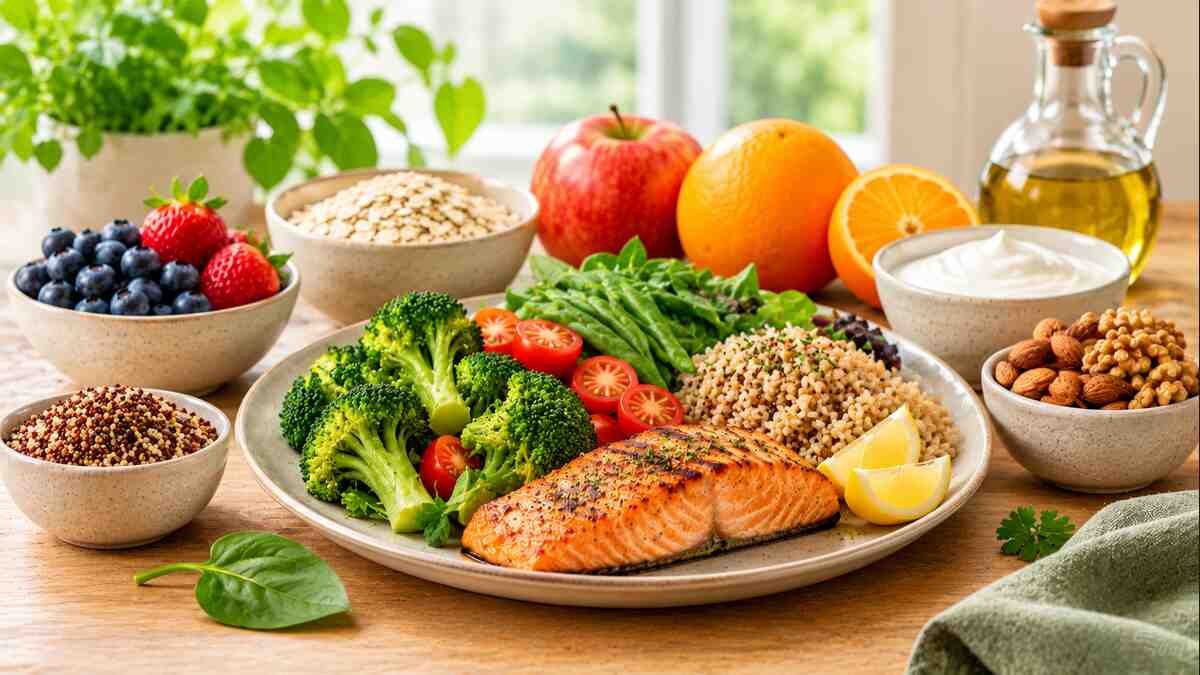

The DASH diet is often recommended for people who want to support healthy blood pressure and improve their everyday eating habits. Many readers do not treat it as a short-term plan. They want to make it a permanent way of eating, which raises an important question: is the DASH diet safe long term?
For many adults, the answer is generally yes. The eating pattern emphasizes fruits, vegetables, whole grains, beans, nuts, low-fat dairy, and lean proteins, and it does not eliminate any major food group. Its blood pressure benefits are well established, although the evidence for long-term effects on heart attacks, strokes, and death is less conclusive.
Individual health matters too. People with chronic kidney disease, high blood potassium, or certain medications may need adjustments. This guide covers the long-term benefits, possible risks, kidney considerations, who should be cautious, and practical ways to follow DASH safely for years.
What Is the DASH Diet and Why Do People Follow It?
DASH stands for Dietary Approaches to Stop Hypertension. It was developed through research supported by the National Heart, Lung, and Blood Institute (NHLBI) to help people manage blood pressure through food. The NHLBI DASH eating plan describes it as a flexible, balanced pattern that can be followed for life.
The plan encourages fruits, vegetables, whole grains, low-fat dairy, nuts, legumes, and lean proteins. It also asks people to reduce sodium and limit saturated fat, sweets, and sugary drinks. Its nutritional foundation includes potassium, calcium, magnesium, fiber, and protein.
Unlike many popular diets, DASH is not a short-term weight-loss challenge. Most people follow it because they want a sustainable eating pattern that supports healthy blood pressure and overall diet quality. If you are new to the plan, start with our DASH diet for beginners guide or our DASH diet food list for specific foods and meal ideas.
Is the DASH Diet Safe to Follow Long Term?
For many adults, the DASH diet is compatible with long-term healthy eating. It centers on minimally processed foods, offers wide dietary variety, and does not cut out entire food groups. These features make it easier to meet nutrient needs than many restrictive plans.
Safety still depends on the details. You need enough calories, appropriate portions, and a variety of foods. Individual medical conditions and medications can also change whether standard DASH recommendations fit you.
It helps to separate two kinds of evidence. Many trials show that DASH lowers blood pressure and improves other risk factors in the short to medium term. Proof that it prevents major cardiovascular events over many years is much thinner.
A 2025 Cochrane systematic review looked at five randomized trials with 1,397 adults. The reviewers concluded that the effect of DASH on heart attacks, stroke, and cardiovascular death remains inconclusive, with low to very low certainty for several outcomes. The trials lasted from about 4 to 18 months, and none included people who already had cardiovascular disease.
This does not mean DASH is unsafe or ineffective. It means researchers have not yet run large, long trials that settle those questions. A diet can be nutritionally sound and helpful for blood pressure even when every long-term outcome has not been proven. The same review reported few adverse effects, but the studies were too limited to establish long-term safety for every population.
Potential Long-Term Health Benefits of the DASH Diet
The table below summarizes the main reasons people maintain DASH over time. The strength of evidence differs for each one.
| Potential Benefit | What to Know |
|---|---|
| Healthy blood pressure | Strongest evidence; results vary by person |
| Cardiovascular health | Plausible through blood pressure and diet quality; long-term event data are limited |
| Nutritional balance | Encourages fiber, potassium, calcium, and magnesium |
| Weight management | Can help if total calories are appropriate; not automatically a weight-loss diet |
| Healthy habits | Flexible pattern that is realistic to maintain |
Supports Healthy Blood Pressure
This is the best-supported benefit of DASH. The pattern reduces sodium and increases foods rich in potassium, magnesium, and calcium, all of which play roles in blood pressure regulation. The 2025 AHA/ACC high blood pressure guideline includes dietary approaches such as DASH among its lifestyle recommendations.
Results vary from person to person. Some people see meaningful changes, while others see smaller ones. Consistency matters, because blood pressure benefits generally depend on continuing the habits. For more strategies, see our guide on how to lower blood pressure.
May Support Cardiovascular Health
Healthy blood pressure is one of the main factors in cardiovascular risk, and replacing foods high in saturated fat with more plant foods and healthier fats may also help. For these reasons, DASH is widely endorsed as part of a heart-healthy lifestyle.
However, DASH does not guarantee protection against heart attacks or strokes. As the Cochrane review shows, direct evidence on those outcomes is limited. Think of DASH as one helpful piece of a larger picture that includes physical activity, sleep, not smoking, and medical care. Our article on heart-healthy foods offers more context.
Encourages Better Nutritional Balance
DASH promotes fruits, vegetables, whole grains, legumes, and lean proteins, which are good sources of fiber and many vitamins and minerals. The emphasis on variety makes nutrient gaps less likely when the plan is followed thoughtfully.
May Support Healthy Weight Management
Nutrient-dense foods can help with fullness and may make it easier to manage portions. Still, DASH is an eating pattern, not a calorie-restricted weight-loss plan. Whether you gain, maintain, or lose weight depends on your total calorie intake and activity level.
Supports Long-Term Healthy Eating Habits
DASH asks for steady, practical changes rather than strict rules. That flexibility, along with the ability to adapt it to different cuisines and budgets, is one reason it can be easier to maintain than more restrictive diets.
Possible Risks and Side Effects of Following the DASH Diet Long Term
Most risks of DASH come from individual medical conditions or poorly planned versions of the diet, not from the pattern itself. The table gives a quick overview.
| Possible Concern | Who Is Most Affected |
|---|---|
| High potassium intake | People with kidney disease, high potassium, or certain medications |
| Nutritional imbalance | Anyone eating too few calories or too little variety |
| Sodium target too low | People who cut sodium aggressively without guidance |
| Digestive changes | People who raise fiber quickly |
| Difficulty sticking with it | Anyone facing cost, time, or cultural barriers |
Excessive Potassium Intake in Vulnerable Individuals
DASH includes many potassium-rich foods, such as bananas, leafy greens, beans, and potatoes. Healthy kidneys normally keep blood potassium in a safe range. In people with reduced kidney function or certain other conditions, potassium can build up, a condition called hyperkalemia.
This is why individualized guidance matters for some readers. The NIH Office of Dietary Supplements potassium fact sheet explains that kidney disease and some medications can raise the risk of high potassium. For more on foods high in this mineral, see our article on potassium-rich vegetables.
Potential Nutritional Imbalance
A poorly planned version of DASH can fall short. For example, eating too few calories, too little protein, or too narrow a range of foods can leave nutritional gaps. This is not an inevitable result of DASH. A varied, adequately portioned plan is designed to provide a broad range of nutrients.
Difficulty Maintaining Very Low Sodium Intake
DASH offers two common sodium targets: 2,300 mg and 1,500 mg per day. Going lower than the target that suits you, especially without medical guidance, may not be appropriate for everyone. Typical DASH sodium targets are not known to commonly cause sodium deficiency, but the right level depends on your health and medications. Ask your healthcare provider which target fits you.
Digestive Changes During Dietary Transition
Increasing fiber quickly can cause bloating, gas, or changes in bowel habits. Add beans, lentils, whole grains, and produce gradually, and drink enough fluids. If you have been told to limit fluids for a medical reason, follow that advice instead.
Dietary Restrictions and Sustainability
Cost, meal preparation time, cultural food preferences, and eating out can all make any eating plan hard to maintain. Small, realistic adjustments usually work better than aiming for perfection. Our guides on cheap vegetables and how to eat more vegetables can help with budget and practical barriers.
Is the DASH Diet Safe for Your Kidneys?
Healthy kidneys regulate potassium and other minerals well, and there is no established evidence that DASH causes kidney disease. The concern is different: for people who already have reduced kidney function, a high-potassium eating pattern may not be appropriate.
Chronic kidney disease can affect how the body handles potassium and phosphorus. Some people with reduced kidney function need individualized limits on certain foods, and standard DASH recommendations may not fit certain stages of the condition. People with advanced kidney disease or on dialysis need specialized nutrition planning.
It is important to be clear: DASH is not automatically harmful for everyone with kidney disease. The National Kidney Foundation notes that potassium needs vary with the stage of kidney disease and with lab results. Some medicines can also raise potassium levels (more on that below).
If you have kidney disease, or have been told your potassium is high, speak with a nephrologist or renal dietitian before adopting a high-potassium DASH pattern.
Who Should Be Careful Before Following the DASH Diet Long Term?
Most healthy adults can consider DASH, but some groups should get personalized advice first.
People With Chronic Kidney Disease
Potassium, phosphorus, protein, and fluid intake may all need individual adjustment. A nephrologist or renal dietitian can set targets based on your stage of disease and lab results.
People Taking Certain Blood Pressure Medications
ACE inhibitors, angiotensin receptor blockers (ARBs), and potassium-sparing diuretics can raise potassium levels. Nonsteroidal anti-inflammatory drugs (NSAIDs) may also contribute to high potassium in some circumstances. Combined with a potassium-rich diet, this can matter for some people.
People With Existing Electrolyte Imbalances
Anyone with high potassium or other electrolyte problems may need personalized recommendations rather than standard DASH servings.
People With Special Nutritional Requirements
Older adults, people with diabetes, and people with other chronic conditions may benefit from tailored meal planning. Needs for protein, calories, and certain nutrients can differ. Our guide on the best vegetables for diabetes may be helpful for some readers.
If you have a medical condition or take medications, speak with a healthcare professional or registered dietitian before making major dietary changes.
How to Follow the DASH Diet Safely for Years
A few habits can help you keep DASH balanced and sustainable.
1. Eat a Variety of Foods
Include different fruits, vegetables, grains, proteins, and healthy fats across the week. Variety helps cover nutrient needs and keeps meals interesting. Browse healthy foods for ideas.
2. Choose an Appropriate Sodium Target
The standard DASH target is up to 2,300 mg of sodium daily, and the lower-sodium version is 1,500 mg. The right level depends on your health, so ask your clinician which one suits you.
3. Include Enough Calories and Protein
Avoid unnecessarily restrictive eating. Build balanced meals with a protein source, whole grains, vegetables, and healthy fats so you get enough energy and nutrients.
4. Increase Fiber Gradually
Add beans, lentils, whole grains, fruits, and vegetables a little at a time. This gives your digestive system time to adjust. See our list of high-fiber foods for digestive health.
5. Adapt Meals to Your Lifestyle
Use familiar, affordable ingredients and cooking methods you enjoy. A plan that fits your culture and budget is far easier to keep.
6. Monitor Your Health When Necessary
Check your blood pressure regularly, as your clinician recommends. If you have kidney disease or take medications that affect potassium, your clinician may order kidney function and electrolyte tests to monitor you.
Can You Follow the DASH Diet Forever?
DASH is designed as a sustainable eating pattern rather than a temporary diet. It allows flexible food choices, so many people can adapt it to their lives. Occasional meals outside the pattern do not mean failure, because overall habits over time matter most.
Aim for realistic habits you can maintain. Your needs may change with age, medications, and health conditions, so it is reasonable to review your approach with your healthcare team from time to time.
Frequently Asked Questions About DASH Diet Long-Term Safety
Can you follow the DASH diet for years?
Many adults can use DASH as a long-term eating pattern, provided it meets their nutritional and medical needs. Randomized trials have generally been shorter than two years, so long-term outcome data are limited (see the Cochrane review). Regular check-ins with your clinician can help.
Does the DASH diet cause kidney problems?
It is not established as a cause of kidney disease. However, its potassium and other nutrient content may need adjustment in people with impaired kidney function. The National Kidney Foundation recommends that people with kidney disease get individualized dietary advice.
Can the DASH diet cause nutrient deficiencies?
A varied, adequately planned DASH diet is intended to provide a broad range of nutrients. Poor planning or very low calorie intake can create gaps. If you are worried about a specific nutrient, a registered dietitian can review your eating pattern.
Is the DASH diet safe for older adults?
It can be appropriate for many older adults. Portion sizes, protein intake, medications, and kidney function should be considered, since these needs often change with age. Ask your healthcare provider whether any adjustments make sense for you.
Do you need to take supplements on the DASH diet?
Supplements are not routinely required when your diet provides adequate nutrients. Whether you need one depends on your individual situation and medical advice. Potassium supplements in particular should only be used under medical guidance (see the NIH potassium fact sheet).
Can you stop blood pressure medication after following the DASH diet?
Dietary improvements do not automatically replace medication. Never stop or change prescribed medication without talking to your healthcare provider. If your blood pressure improves, your clinician can decide whether any change in treatment is appropriate.
Final Thoughts: Is the DASH Diet a Good Long-Term Choice?
DASH is a well-established, heart-healthy eating pattern. It can support healthy blood pressure and overall diet quality for many adults. Evidence for blood pressure benefits is strong, while evidence on long-term heart attacks, strokes, and death is still limited.
Its long-term safety depends on your health circumstances. People with kidney disease or potassium-related medication risks may need modifications. Sustainable habits and professional guidance both matter.
Thinking about making DASH part of your daily routine? Start with balanced meals, choose a variety of nutrient-rich foods, and speak with your healthcare professional about any dietary adjustments you may need.
Sources
- Cochrane Database of Systematic Reviews (2025): Dietary Approaches to Stop Hypertension (DASH) for the primary and secondary prevention of cardiovascular diseases
- NHLBI: DASH Eating Plan
- NIH Office of Dietary Supplements: Potassium Fact Sheet for Health Professionals
- National Kidney Foundation: Potassium and Your CKD Diet
- 2025 AHA/ACC Guideline for the Prevention, Detection, Evaluation and Management of High Blood Pressure in Adults
Medical Disclaimer: This article is for general educational purposes only and is not a substitute for professional medical advice, diagnosis, or treatment. Nutrition needs vary from person to person, especially for people with kidney disease, high potassium levels, diabetes, or those who take blood pressure medications. Always talk with your doctor or a registered dietitian before changing your diet or your medications, and seek medical care promptly if you have concerning symptoms.