
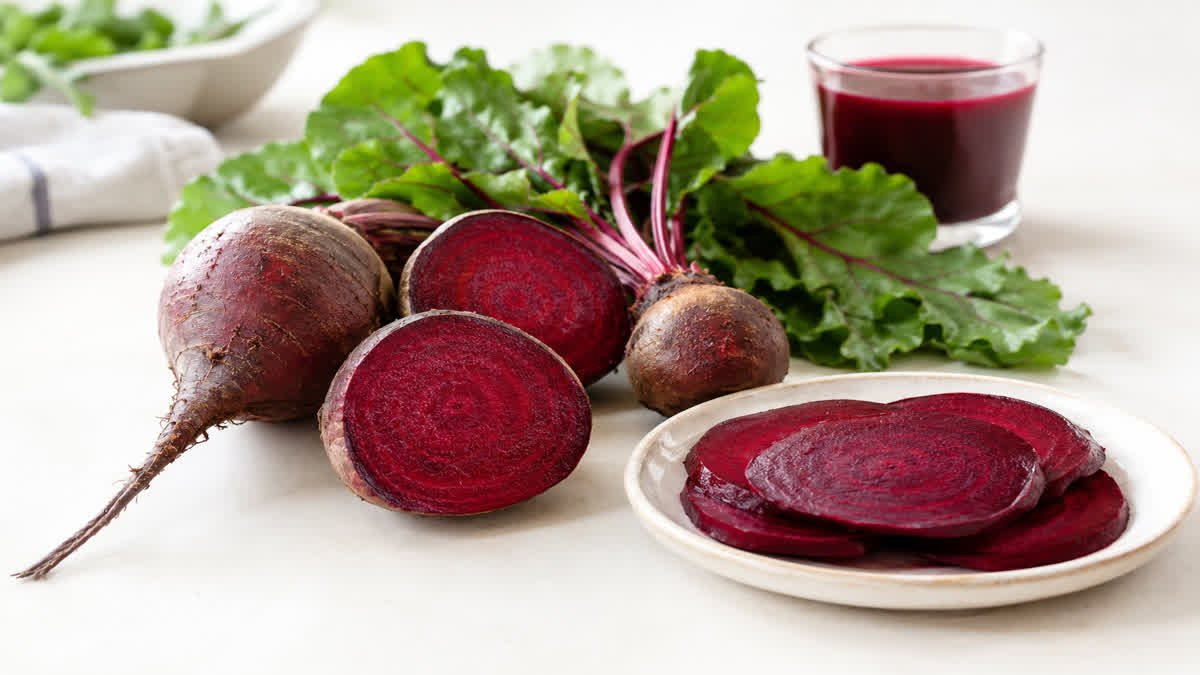

For most people, beetroot can be included regularly as part of a varied, balanced diet. There is no universal requirement to eat it every day, and daily beetroot is not clearly better than eating it a few times a week. Whether it suits you depends on your overall diet, your tolerance, and any medical conditions.
Whole beetroot (also called beets in the U.S.) provides fiber and plant compounds, while beetroot juice can deliver a concentrated dose of dietary nitrate. Researchers have studied beetroot’s link to nitric oxide, blood pressure, blood vessel function, and exercise performance. Evidence on long-term daily use and on broad disease-prevention claims is much less established.
This guide explains what beetroot provides, what research does and does not show about eating it regularly, and how whole beetroot compares with juice and powders. You will also find practical ways to eat it, possible downsides, and who may need personalized advice. The information is general and does not replace guidance from your healthcare team.
What Nutrients Does Beetroot Provide?
Beetroot is a vegetable, not a supplement, and its nutrition depends on the variety, how it is prepared, and whether you eat the whole root or drink the juice. According to USDA FoodData Central, raw beets provide dietary fiber, folate, and potassium, along with natural carbohydrates and smaller amounts of other nutrients.
Beetroot also contains dietary nitrate, betalains, and polyphenols. For more on how beetroot fits among colorful plant foods, see our guide to antioxidant-rich foods and our broader overview of beetroot health benefits.
Why Is Dietary Nitrate Important?
Nitrate is the main reason beetroot gets so much research attention. In the body, nitrate is converted to nitrite, and nitrite can contribute to the production of nitric oxide. A systematic review of randomized trials describes nitric oxide as a key vasodilator, meaning it helps blood vessels relax.
This pathway is why beetroot has been studied for cardiovascular and exercise effects. Leafy greens also contain nitrate, so beetroot is not the only source. See our guide to leafy green vegetables.
What Are Betalains?
Betalains are the pigments that give beetroot its red-purple color. They show antioxidant activity in laboratory research and are biologically interesting. Laboratory and mechanistic findings should not be described as proven disease-prevention effects in people.
Can You Eat Beetroot Every Day?
For most healthy people, regular beetroot fits comfortably into a balanced diet. If you enjoy it and tolerate it, eating it daily is generally reasonable. Our guide to what makes a balanced diet explains why variety matters.
Daily is not necessarily better, though. There is no strong evidence that everyone gains extra benefits simply by eating beetroot every single day. Nutrition is about the overall dietary pattern, not leaning heavily on one food.
An important distinction is whole beetroot versus concentrated products. Many clinical studies use specific beetroot juice preparations and doses that do not match an ordinary serving of cooked beetroot. A 2025 systematic review in Nutrients also notes that nitrate content in beetroot products can vary widely and that evidence for some outcomes remains inconclusive.
The bottom line: beetroot can be part of a healthy diet every day if you enjoy it and tolerate it, but you do not need to eat it daily to have a healthy diet.
What Are the Potential Benefits of Eating Beetroot Regularly?
These are potential benefits supported by varying levels of evidence. None of them make beetroot a treatment or cure.
1. It May Support Healthy Blood Pressure
Dietary nitrate can contribute to nitric oxide production, and nitric oxide helps regulate blood vessel tone. A 2024 meta-analysis by Grönroos and colleagues found a significant reduction in clinic systolic blood pressure of about 5 mmHg in adults with hypertension. It did not find a significant effect on diastolic pressure or on 24-hour blood pressure, and the certainty of the evidence was low.
Effects vary between people and studies, so it is more accurate to say beetroot may help support healthy blood pressure. A systematic review in older adults found that six of 12 trials reported improvements in blood pressure or blood flow, while six found none, and it called for more research.
2. It May Support Blood Vessel Function
Nitric oxide is involved in vascular relaxation and the function of the blood vessel lining, called the endothelium. A meta-analysis in the European Journal of Nutrition found that nitrate and beetroot supplementation was associated with improved endothelial function.
These are physiological effects, not proof that beetroot prevents cardiovascular disease. See our overview of heart-healthy foods for the bigger picture.
3. It May Support Exercise Performance
Researchers have studied beetroot for oxygen use, exercise efficiency, and endurance, since nitric oxide may improve blood flow and muscle efficiency. The 2025 Nutrients review concluded that beetroot juice shows strong potential for physical performance, but results depend on the population, type of exercise, nitrate dose, and study design.
Beetroot will not automatically help you exercise longer. For general guidance, see our article on the benefits of exercise.
4. It Adds Fiber to the Diet
This is one of the simplest benefits of whole beetroot. Fiber contributes to digestive health, regular bowel function, and overall diet quality. It is also a good reason not to make juice your default. Our list of high-fiber foods offers more ideas.
5. It Provides Plant Compounds
Betalains and polyphenols give beetroot antioxidant activity. Biological activity in the lab is not the same as proven clinical outcomes. Beetroot does not “flush toxins,” “clean your blood,” or prevent cancer, and no good human evidence supports those claims.
6. It Can Add Variety to a Vegetable-Rich Diet
Eating a range of vegetables gives you a wider mix of fibers, vitamins, minerals, and plant compounds. Beetroot is one useful vegetable among many, not a miracle food. Our guide to healthy foods shows other options.
Is Eating Beetroot Every Day Better Than Drinking Beetroot Juice?
Neither is clearly better. They offer different things.
Whole Beetroot
Whole beetroot provides fiber, fills you up, and is versatile and easy to add to meals. It also supplies naturally occurring plant compounds.
Beetroot Juice
Juice can provide a concentrated source of nitrate, but it generally contains less fiber than whole beetroot. Researchers often use juice because they can standardize nitrate exposure. A dose used in a study should not be treated as the recommended everyday amount for the general public.
What About Beetroot Powder?
Powders are a separate category. Food is not the same as a concentrated supplement, and products can differ a lot in nitrate content, ingredients, and serving size. This article does not recommend supplement doses. If you are considering a powder, talk with a healthcare professional first.
Easy Ways to Eat Beetroot Every Day
There is no required routine, but these ideas make it easy.
- Roasted beetroot: Serve it with other vegetables or as part of a balanced meal.
- Beetroot salad: Combine it with leafy greens, grains, beans, seeds, or another protein.
- Grated beetroot: Add it to salads or vegetable dishes.
- Beetroot soup: A simple way to work it into a meal.
- Beetroot hummus: Blend it with chickpeas for color and flavor.
- Beetroot smoothie: Blending whole beetroot keeps more of its structure than juicing, though preparation still changes the nutritional profile.
Do You Need Beetroot Every Day?
No. A varied diet matters far more than a rigid daily target.
Beetroot Side Effects and Things to Consider
Most people tolerate beetroot well. These are the main things to keep in mind when eating it often.
Red or Pink Urine
Beetroot pigments can make urine look pink or red. This is called beeturia, and it is generally harmless. Medical News Today notes that it affects roughly 10 to 14 percent of people.
Red or Pink Stool
The same pigments can change stool color. If you are unsure whether a color change is from beetroot or blood, check with a healthcare professional.
Digestive Discomfort
Some people notice bloating, gas, or changes in bowel habits, especially when they increase intake suddenly. Build up gradually.
Oxalates
Beetroot contains oxalates. People with a history of certain kidney stones, or who have been advised to manage dietary oxalate, should discuss their diet with an appropriate healthcare professional. This is not a reason for most people to avoid beetroot.
Potassium
Beetroot also provides potassium. People on a medically prescribed potassium-restricted diet may need individualized advice, as the NIH Office of Dietary Supplements explains for those with impaired kidney function or certain medicines.
None of these considerations make beetroot unsafe for the general population.
Who Should Ask a Healthcare Professional Before Eating Beetroot Daily?
Individual circumstances matter more than general fear. Consider checking with your healthcare team if you:
- have been prescribed a potassium-restricted diet,
- have been advised to limit dietary oxalate,
- have kidney-related dietary restrictions (see the NIDDK guidance on eating and nutrition for kidney failure),
- take medicines that affect blood pressure and are considering concentrated beetroot products, or
- are thinking about high-dose beetroot or nitrate supplements instead of ordinary food.
Normal food portions differ from concentrated products. Research doses can be much higher than what you get from a serving of cooked beetroot, so supplements deserve more caution.
Can Daily Beetroot Lower Blood Pressure?
It may help support blood pressure management, but it should not replace prescribed treatment. Beetroot’s nitrate content is the main proposed mechanism. Short-term controlled studies have reported blood pressure reductions, as in the 2024 meta-analysis.
Results are not identical across populations, and long-term clinical outcomes are less certain. The review in older adults found mixed blood pressure results and called for more rigorous trials. See our guides on high blood pressure and how to lower blood pressure for more.
Frequently Asked Questions About Eating Beetroot Every Day
Is It OK to Eat Beetroot Every Day?
For most healthy people, yes. It fits well in a varied diet, but you do not need to eat it daily. Keep variety in mind, and ask a professional if you have kidney or potassium concerns.
How Much Beetroot Can You Eat in a Day?
There is no universal therapeutic amount. A reasonable portion depends on your overall diet and your circumstances. A healthcare professional or dietitian can help if you have specific needs.
What Happens if You Eat Beetroot Every Day?
You may get extra fiber, folate, potassium, and plant compounds, and you may notice harmless pink urine or stool. Do not expect dramatic effects.
Can You Drink Beetroot Juice Every Day?
Many people drink it occasionally without trouble, but clinical trials do not set a universal daily recommendation. Juice has less fiber than whole beetroot and may be more concentrated in nitrate and sugar.
Does Beetroot Lower Blood Pressure?
It may modestly lower systolic blood pressure in some adults, mainly in trials of beetroot juice. It does not replace medication (Grönroos 2024).
Is Beetroot Good for Your Heart?
It may support some risk factors, such as blood pressure and endothelial function. There is no proof that it prevents heart disease.
Can Beetroot Cause Kidney Stones?
Beetroot contains oxalates, which matter mainly for people prone to certain kidney stones or told to limit oxalate. If that is you, ask your healthcare professional for individualized advice.
Why Does Beetroot Turn Urine Red?
Betalain pigments can pass through unchanged in some people, coloring urine or stool. It is called beeturia and is usually harmless (Medical News Today).
Is Raw or Cooked Beetroot Better?
Both are nutritious. Preparation changes the texture, flavor, and some nutrients, so choose what you enjoy and will eat.
Is Beetroot Better Than Beetroot Juice?
Not necessarily. Whole beetroot has more fiber and fills you up, while juice is convenient and can be higher in nitrate.
Beetroot Daily Eating: Myth vs. Fact
Myth: You need to eat beetroot every day to get its benefits. Fact: No evidence makes daily beetroot a requirement for good health.
Myth: Beetroot detoxes your body. Fact: “Detox” is not an evidence-based description of beetroot’s effects. Your liver and kidneys handle detoxification.
Myth: More beetroot means more benefit. Fact: Research does not show that higher intake always produces greater benefits.
Myth: Beetroot juice and whole beetroot are nutritionally identical. Fact: They differ, especially in fiber and concentration.
Myth: Red urine after beetroot means something is wrong. Fact: Beetroot pigments can cause harmless red or pink urine in some people.
The Bottom Line: Can You Eat Beetroot Every Day?
Yes, beetroot can be included regularly in a healthy diet. It provides dietary nitrate, fiber, and plant compounds, and researchers are particularly interested in its potential effects on vascular function, blood pressure, and exercise performance. Daily consumption is not necessary for everyone, and whole beetroot and concentrated products should not automatically be treated as equivalent.
People with specific dietary restrictions should seek personalized advice. Think of beetroot as one useful vegetable within a varied diet, not a food you must rely on every day and not a substitute for medical treatment.
Sources
- Grönroos R, et al. Effect of beetroot juice on lowering blood pressure in hypertension: a systematic review and meta-analysis. Clinical Nutrition ESPEN, 2024.
- Performance and Health Benefits of Dietary Nitrate Supplementation in Older Adults: A Systematic Review.
- Beetroot Juice Supplementation as a Healthy Aging Strategy Through Improving Physical Performance and Cognitive Functions: A Systematic Review. Nutrients.
- Lara J, et al. Effects of inorganic nitrate and beetroot supplementation on endothelial function: a systematic review and meta-analysis. European Journal of Nutrition, 2016.
- The impact of inorganic nitrate consumption on endothelial function measured by flow-mediated dilatation: a systematic review of randomised controlled trials. Proceedings of the Nutrition Society, 2021.
- NIH Office of Dietary Supplements. Potassium: Fact Sheet for Health Professionals
- National Institute of Diabetes and Digestive and Kidney Diseases. Eating and Nutrition for Kidney Failure
- Medical News Today. Beeturia: Why beets can turn urine and stool red
- U.S. Department of Agriculture. FoodData Central
Medical Disclaimer: This article is for general information and education only. It is not medical advice and does not replace care from a doctor, dietitian, or other qualified healthcare professional. Everyone’s health needs are different, so please talk with your healthcare provider before changing your diet or using beetroot supplements, especially if you take blood pressure medicine, have kidney problems, or have been told to limit potassium or oxalate. Never stop or change prescribed medicine without medical guidance. If you see blood in your urine or stool, or have chest pain or severe symptoms, seek medical care right away.
1 thought on “Can You Eat Beetroot Every Day? What the Evidence Says”
Comments are closed.