
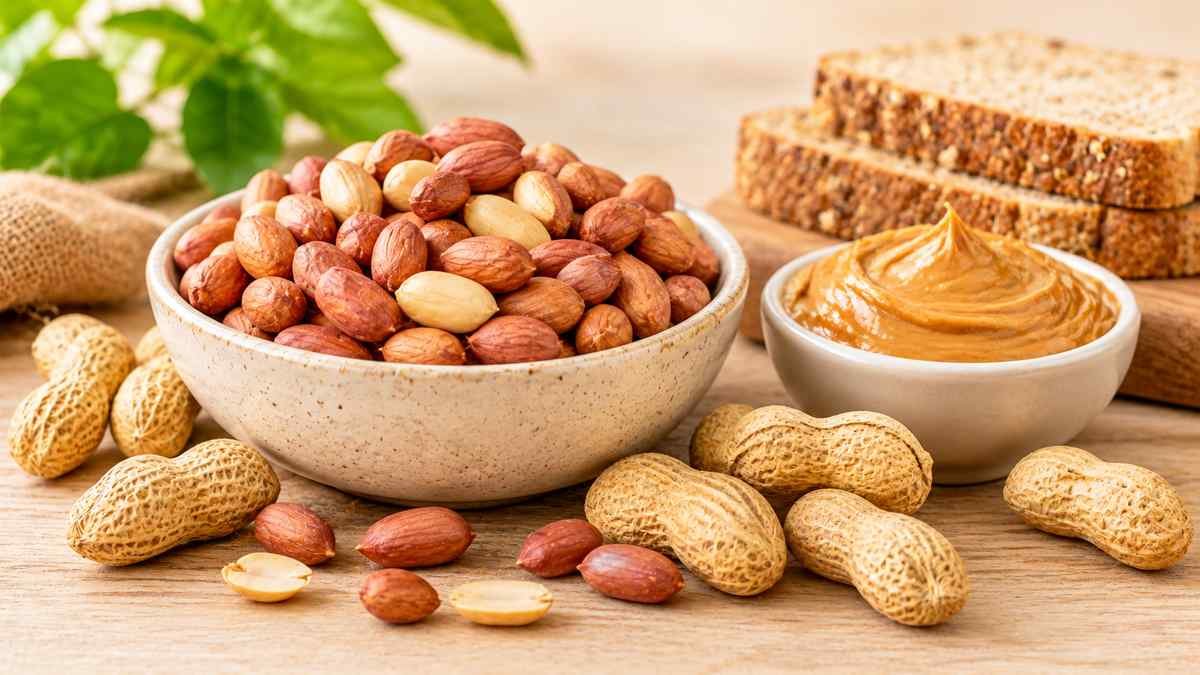

Yes, peanuts are good for you when eaten in reasonable portions as part of a balanced diet. They provide plant-based protein, fiber, mostly unsaturated fats, and several important vitamins and minerals. Research suggests peanuts can fit into heart-healthy eating patterns, but how they are prepared and how much you eat make a difference.
Peanuts are technically legumes, not tree nuts, because they grow underground and belong to the same plant family as beans and peas. Even so, their nutrition profile is similar to that of many tree nuts, and they are usually grouped with nuts in dietary advice. They are also one of the most affordable nuts in most grocery stores.
This guide explains peanut nutrition facts, seven potential health benefits, and what research does and does not show. It also compares raw, roasted, boiled, and salted peanuts, looks at peanut butter, and covers serving sizes and risks such as calories, added sodium, and allergy. The aim is a clear, balanced answer, not a claim that any one food prevents disease.
Important: This article offers general nutrition education, not personal medical advice. If you or your child has a peanut allergy or a medical condition that affects your diet, talk with a healthcare professional before making changes.
Are Peanuts Good for You?
For most people without a peanut allergy, yes. Peanuts are nutrient-dense, providing plant-based protein, fiber, healthy fats, vitamins, and minerals. Their combination of protein, fiber, and fat can also help promote fullness.
Although peanuts are technically legumes rather than tree nuts, their nutritional profile is similar in several ways. A British Heart Foundation article highlights their nutritional value, while Harvard nutrition expert Vasanti Malik explains that peanuts are not necessarily less healthy than tree nuts (Harvard T.H. Chan School of Public Health).
What Should You Keep in Mind?
- Choose wisely: Unsalted or lightly salted peanuts are generally preferable to heavily salted or sugar-coated varieties.
- Be mindful of portions: Peanuts are calorie-dense, but their nutritional value makes them a beneficial addition to a balanced diet.
- Consider the fat content: Most peanut fat is unsaturated, although peanuts also contain some saturated fat.
- Watch for allergies: Anyone with a peanut allergy should avoid peanuts because reactions can be serious.
Peanuts can be a nutritious, affordable addition to a balanced eating pattern. For more information, explore our guides to the health benefits of nuts and the health benefits of peanuts.
Peanuts Nutrition Facts: What’s in a Serving?
A standard serving is about 1 ounce (28 grams) of shelled peanuts, which is a small handful. The table below shows approximate values for raw peanuts based on USDA data. Values vary with variety, preparation, and database version.
| Nutrient | Approximate amount (1 oz, raw) |
|---|---|
| Calories | About 160 kcal |
| Protein | About 7 g |
| Total fat | About 14 g |
| Saturated fat | About 2 g |
| Carbohydrates | About 4.5 to 6 g |
| Fiber | About 2.4 g |
| Magnesium | About 48 to 50 mg |
| Potassium | About 200 mg |
| Vitamin E | About 2.4 mg |
| Niacin (B3) | About 3.4 mg |
Dry-roasted and oil-roasted peanuts have slightly different values, and salted products add sodium. Always check the label on packaged products.
Protein and Fiber
Protein helps maintain muscle and repair body tissues. At roughly 7 grams per ounce, peanuts are one of the higher-protein nuts. For other protein ideas, see our list of high-protein foods.
Fiber supports digestive health and adds to the feeling of fullness after a meal. Peanuts provide about 2 to 2.5 grams of fiber per ounce, which is a modest but useful contribution to daily intake.
Healthy Fats
Most of the fat in peanuts is monounsaturated and polyunsaturated. These unsaturated fats are different from saturated fats, which are found mainly in fatty meats, butter, and full-fat dairy. Replacing some saturated fat with unsaturated fat can fit into a heart-conscious diet. Peanuts are not free of saturated fat, however. Our guide to healthy fats explains the differences.
Vitamins and Minerals
Peanuts supply magnesium, phosphorus, potassium, niacin, vitamin E, folate, copper, and manganese. A 2022 review in Frontiers in Nutrition describes peanuts as a source of protein, fiber, folate, niacin, magnesium, and other bioactive compounds. No single food covers every nutrient need, so peanuts work best as one part of a varied diet.
7 Potential Health Benefits of Peanuts
The benefits below are potential contributions to a healthy eating pattern. Much of the research on nuts is observational, which shows associations but cannot prove cause and effect.
1. May Support Heart Health
Peanuts provide mostly unsaturated fats, fiber, magnesium, and plant compounds. A USDA evidence review from the 2010 Dietary Guidelines process concluded that there is moderate evidence that unsalted peanuts and certain tree nuts can favorably affect cardiovascular risk factors, particularly blood lipid levels, within an adequate diet and when total calories are held constant.
More recent work points the same general direction but is not uniform. A 2022 meta-analysis of controlled trials found that regular peanut consumption seemed to reduce triglyceride levels. An umbrella review found that nut intake (including peanuts, using a culinary definition) was associated with lower cardiovascular risk, with moderate-quality evidence. Peanuts have not been proven to prevent heart attacks, and they work best alongside other healthy habits. Read more in our guide to the best nuts for heart health.
2. Provide Plant-Based Protein
A 1-ounce serving provides about 7 grams of protein. That protein supports muscle maintenance and tissue repair, and it makes peanuts handy in plant-forward diets. Pair them with grains, vegetables, or legumes for balanced meals.
3. May Help You Feel Full
The combination of protein, fat, and fiber can contribute to satiety, meaning you may feel satisfied for longer after eating. This can help some people avoid reaching for less nutritious snacks. Feeling full does not guarantee weight loss, and individual responses vary.
4. Supply Antioxidant Plant Compounds
Peanuts contain polyphenols and other plant compounds, and the thin skin around the kernel is a notable source. Antioxidants help protect cells from oxidative damage in laboratory settings. This does not prove that eating peanuts prevents disease, and human evidence for specific outcomes is limited. For more on this topic, see our article on nuts and brain health.
5. Provide Important Vitamins and Minerals
Magnesium supports muscle and nerve function, phosphorus contributes to bones, niacin and vitamin E play roles in energy metabolism and cell protection, and folate is needed for making new cells. Peanuts add to your overall intake of these nutrients rather than meeting every requirement. If you are curious about the wider value of nuts for appearance and wellness, read are nuts good for skin and hair.
6. May Fit Into a Weight-Management Diet
Research has linked regular nut intake with healthy body weight in some studies, possibly because of satiety. Peanuts are energy-dense, though, so portions still matter. The 2022 meta-analysis mentioned above found that body weight increased slightly with higher peanut doses, which is a good reminder that more is not always better. The next section covers this in more detail.
7. Offer an Affordable and Versatile Nutrient Source
Peanuts and peanut butter usually cost less than many tree nuts, which makes them accessible. You can sprinkle them on salads and oatmeal, add them to stir-fries and sauces, or enjoy them as a snack. For energy-boosting snack ideas, see nuts for energy before and after exercise.
Are Peanuts Good for Weight Management?
Peanuts are high in calories because they contain a lot of fat. A 1-ounce serving has about 160 calories, and it is easy to eat several servings without noticing, especially straight from a large bag.
At the same time, protein, fiber, and fat can help you feel satisfied. A measured serving may fit into a calorie-conscious eating pattern, particularly when it replaces a less filling snack. The British Heart Foundation advises taking a small handful from a bag and putting the rest away.
Peanuts do not automatically cause weight gain or weight loss. The amount you eat, your overall diet, activity level, and other factors all matter. Our guide on whether nuts are good for weight management goes into more detail.
Raw, Roasted, Boiled, or Salted: Which Peanuts Are Healthiest?
The healthiest option depends on what is added during processing. Plain or unsalted peanuts are the simplest choice for everyday eating.
| Type | What to know |
|---|---|
| Raw peanuts | Free of added ingredients; buy from reputable sources and store them properly |
| Dry-roasted | Convenient; often available without added oil |
| Oil-roasted | May contain added oil and different calorie values |
| Boiled | Soft and moist; sodium depends on how much salt is used |
| Salted | Can contribute substantial sodium |
| Sugar-coated | Often contains added sugar and extra calories |
Are Dry-Roasted Peanuts Healthy?
Yes, they can be a nutritious option, especially when there is no added salt or sugar. Dry roasting adds flavor without adding oil. Check the label to see whether the product contains extra ingredients.
Are Salted Peanuts Bad for You?
Salted peanuts can fit into an eating pattern occasionally, but unsalted varieties make it easier to manage sodium. This matters most for people watching blood pressure. Our guide to how to lower blood pressure covers sodium in more detail.
Are Boiled Peanuts Healthy?
Boiled peanuts have a soft texture and provide similar nutrients to other peanuts. The sodium content depends on how much salt is in the cooking water, so lightly salted versions are a better routine choice.
Is Peanut Butter Healthy?
Peanut butter can be a healthy choice. It provides protein, unsaturated fats, and some fiber, and it is a convenient way to eat peanuts. Harvard has described peanuts and peanut butter as foods that can be healthy.
Ingredients matter. Many jars include added sugar, salt, hydrogenated fats, or palm oil. A Cleveland Clinic dietitian advises looking for products with just peanuts, or at most peanuts and salt, and notes that even “natural” jars can contain palm oil or sugar. Oil separation at the top of the jar is normal.
A typical serving is 2 tablespoons, which provides roughly 190 calories, so portion size still matters. Try it on whole-grain toast, with apple slices, or stirred into oatmeal.
How Many Peanuts Should You Eat a Day?
A common serving is about 1 ounce (28 to 30 grams), or a small handful. Mayo Clinic describes a small handful (1 ounce) of whole nuts or 2 tablespoons of nut butter as one serving.
This is not a mandatory daily target. Your needs depend on energy needs, activity level, other foods in your diet, and health conditions. Choose unsalted or lightly salted peanuts more often, and remember that eating more does not necessarily bring greater benefits.
For a wider look at portions, see how many nuts you should eat every day.
Possible Risks and Side Effects of Eating Peanuts
Peanut Allergies
Peanut allergy can cause serious and sometimes life-threatening reactions, including trouble breathing and anaphylaxis. People with a diagnosed peanut allergy should avoid peanuts and follow their clinician’s guidance. Peanuts are legumes, but some people are allergic to both peanuts and tree nuts, as the Cleveland Clinic notes.
In the United States, peanuts are one of the major food allergens that must be named on food labels under federal law. Read labels carefully, and watch for “may contain” or cross-contact statements. Call 911 for signs of a severe reaction.
High Calorie Content
A small handful has about 160 calories. Large portions add up quickly, so measure a serving rather than eating from the bag.
Added Salt, Sugar, and Oils
Flavored, coated, and candied peanuts may contain extra sodium, sugar, or fat. Compare labels and choose plain options most of the time.
Food Safety and Storage
Peanuts can grow mold under poor growing or storage conditions, and some molds produce aflatoxins. MedlinePlus notes that the FDA tests peanuts and peanut butter rigorously and that occasionally eating small amounts poses little risk. The FDA sets action levels for aflatoxin in peanut products.
You can lower your risk by buying from reputable suppliers and storing peanuts in a cool, dry place. Throw away peanuts that are moldy, damp, discolored, shriveled, or smell unusual.
Frequently Asked Questions About Peanuts
Are peanuts healthy to eat every day?
Yes, many people can include a modest portion of peanuts in their daily diet. Choose mostly unsalted varieties and consider your total calorie needs, dietary variety, and any allergies.
How many peanuts should I eat daily?
A small handful, around 28 to 30 grams, is a practical serving for many adults. Individual needs differ, and eating more is not necessarily healthier. Mayo Clinic offers similar serving guidance.
Are peanuts healthier than almonds?
Both offer valuable nutrients. Peanuts tend to provide more protein, while almonds generally provide more vitamin E and fiber per comparable serving. Neither is universally healthier, so variety is a good approach. See our comparison of almonds vs. walnuts and our guides to hazelnuts and cashews.
Are raw or roasted peanuts better?
Both can be nutritious. Unsalted dry-roasted peanuts are a convenient choice, while raw peanuts are less processed. Preparation, added ingredients, and food safety matter more than the label “raw” or “roasted.”
Can peanuts help with weight loss?
Peanuts may support fullness because they contain protein, fiber, and fat. They are also calorie-dense, so portions and your overall eating pattern are what matter most.
Is peanut butter as healthy as whole peanuts?
Natural peanut butter can provide similar nutrients. Some varieties contain added sugar, salt, or oils, so compare ingredient lists and serving sizes. Our guide to healthy fats can help you choose.
Are peanuts considered nuts?
Not botanically. Peanuts are legumes because they grow underground and belong to the same family as beans and peas. They are commonly grouped with nuts in nutrition discussions because of their similar nutrient profile, and the Cleveland Clinic notes they are not tree nuts.
Conclusion
So, are peanuts good for you? For most people, yes. They offer plant protein, fiber, mostly unsaturated fats, and a range of vitamins and minerals at a reasonable price. Evidence suggests they can fit well into heart-healthy eating patterns, though they are not a cure or a guarantee.
Portion size, preparation, and allergy considerations matter. Choose unsalted or lightly salted peanuts, check peanut butter labels, and enjoy them alongside vegetables, whole grains, and other healthy foods. For help building that bigger picture, see our guides on how many vegetables you should eat a day and whether frozen vegetables are as healthy as fresh.
Sources
- USDA Nutrition Evidence Systematic Review. What are the health effects related to the consumption of nuts? 2010 Dietary Guidelines Advisory Committee.
- University Hospitals. Nutrition facts: Peanuts, all types, raw, 1 oz (USDA data).
- Parilli-Moser I, et al. Effect of peanut consumption on cardiovascular risk factors: a randomized clinical trial and meta-analysis. Frontiers in Nutrition. 2022.
- Consumption of nuts and seeds and health outcomes including cardiovascular disease, diabetes and metabolic disease, cancer, and mortality: an umbrella review. Advances in Nutrition.
- Harvard T.H. Chan School of Public Health. Peanuts and peanut butter can be healthy
- British Heart Foundation dietitian commentary. Experts say snacking on peanuts can help weight loss and make you feel less tired
- Cleveland Clinic. Dietitian highlights the power of peanuts
- Cleveland Clinic. Tree nut allergy
- Mayo Clinic. Nuts and your heart: Eating nuts for heart health
- U.S. Food and Drug Administration. FDA issues guidances on food allergen labeling requirements
- MedlinePlus. Aflatoxin
- U.S. Food and Drug Administration. Compliance policy guide on aflatoxins in human food
Medical Disclaimer: This article is for general information and education only. It is not medical advice and does not diagnose, treat, or prevent any condition. Nutrition needs and allergies differ from person to person, so please talk with your doctor, allergist, or a registered dietitian before changing your diet.
1 thought on “Are Peanuts Good for You? Benefits, Nutrition and Risks”
Comments are closed.