
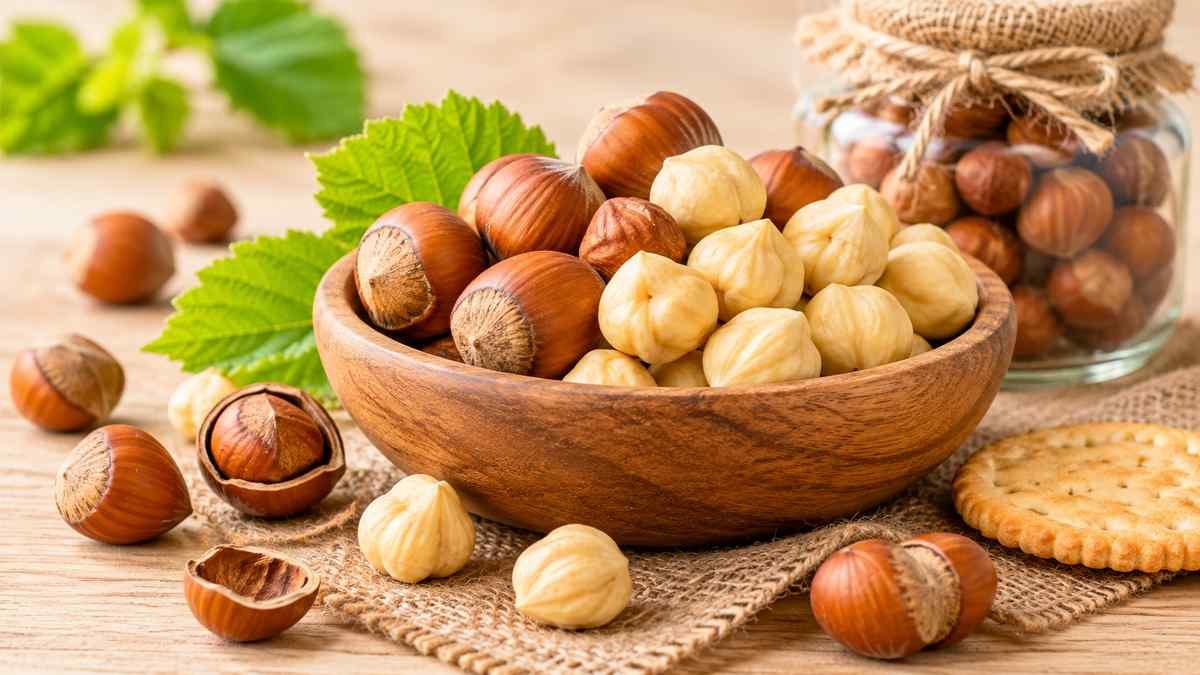

Small, crunchy, and naturally rich in nutrients, hazelnuts are more than a popular ingredient in chocolate spreads and desserts. These flavorful tree nuts provide healthy fats, fiber, vitamin E, and several essential minerals. So are hazelnuts actually good for your health? In most cases, yes, when they are eaten in sensible portions as part of a balanced diet.
Hazelnuts offer plant-based protein and unsaturated fats, along with compounds that act as antioxidants. Research on nuts as a group links regular intake with better heart health markers, and studies of hazelnuts specifically point in a similar direction, though the evidence has limits. This guide covers what the research supports and where it falls short.
You will also find a nutrition breakdown, serving-size guidance, tips on raw versus roasted hazelnuts, easy ways to eat them, and safety considerations. Keep in mind that no single food determines your health. The benefits of hazelnuts depend on your overall eating pattern and your portion sizes.
What Are Hazelnuts?
Hazelnuts are the edible seeds of the hazel tree (Corylus avellana). They are also called filberts, and the two names are often used interchangeably in the United States. Each nut grows inside a hard shell with a papery brown skin around the kernel.
Hazelnuts have a rich, slightly sweet, buttery flavor and a firm, crunchy texture. Nutritionally, they are known for their high content of monounsaturated fat, along with fiber, vitamin E, and minerals such as magnesium, copper, and manganese.
You can find hazelnuts in many forms: raw, dry-roasted, blanched, chopped, ground into flour or meal, and blended into hazelnut butter. They appear in breakfast cereals, baked goods, salads, and sauces. For a broader look at how hazelnuts compare with other nuts, see our guide to the health benefits of nuts.
Hazelnuts Nutrition Facts
Hazelnuts are considered nutrient-dense because they deliver a lot of nutrition in a small serving. They are also energy-dense, which is why portion size matters. Values below are approximate and come from USDA data, which is available in USDA FoodData Central.
Nutrition in One Serving of Hazelnuts
The table shows approximate values for a 1-ounce (28-gram) serving of plain, unroasted hazelnuts, which is about 21 whole kernels.
| Nutrient | Approximate amount |
|---|---|
| Calories | 178 |
| Total fat | 17.2 g |
| Carbohydrates | 4.7 g |
| Dietary fiber | 2.7 g |
| Protein | 4.2 g |
| Vitamin E | 4.3 mg |
| Magnesium | 46 mg |
| Copper | 0.5 mg |
| Manganese | 1.7 mg |
Exact values vary slightly by variety, size, and whether the hazelnuts are raw, blanched, or roasted. Hazelnut nutritional value also changes if salt, sugar, or oils are added.
Key Nutrients in Hazelnuts
Monounsaturated fats. Most of the fat in hazelnuts is monounsaturated, the same general type found in olive oil. Our guide to healthy fats explains how different fats fit into a balanced diet.
Vitamin E. This fat-soluble vitamin works as an antioxidant and helps protect cells from oxidative damage. The NIH Office of Dietary Supplements notes that nuts and seeds are among the main food sources.
Dietary fiber. Fiber supports digestive health and regular bowel movements.
Copper and manganese. Both minerals help enzymes work normally and play roles in several body processes.
Magnesium. This mineral contributes to muscle and nerve function and to energy metabolism. See the NIH magnesium fact sheet for background.
Plant compounds. Hazelnuts also contain phenolic compounds and other bioactive substances. Researchers are still learning how much these matter for human health.
Hazelnuts are a useful part of a varied diet, but no one food can meet all of your nutritional needs.
7 Health Benefits of Hazelnuts
Below, each benefit explains the nutrients involved and what the evidence actually supports. Many findings come from studies of nuts in general, and some come from small or short hazelnut trials. That distinction is noted where it matters.
1. May Support Heart Health
Hazelnuts are rich in monounsaturated fat. Replacing saturated fat with unsaturated fat in the diet may help improve blood cholesterol levels, and that is one reason nuts appear in many heart-healthy eating patterns.
A systematic review of 22 hazelnut intervention studies found some improvements in cardiometabolic risk factors. The results were mixed, though: some studies reported lower total and LDL cholesterol, while others found no significant difference. The authors noted that study design limitations make the findings hard to interpret, and that more robust research is needed.
Broader evidence on nuts is somewhat stronger. A systematic review and meta-analysis prepared for the Nordic Nutrition Recommendations examined nut and seed intake and cardiovascular outcomes. Hazelnuts are best viewed as one helpful part of a heart-healthy diet, not a treatment for heart disease. Our guides to heart-healthy foods and the best nuts for heart health offer more context.
2. Provides Antioxidants That Help Protect Cells
Hazelnuts supply vitamin E and phenolic compounds, which act as antioxidants. Antioxidants help neutralize unstable molecules called free radicals that can damage cells.
It is important to separate laboratory findings from proven health outcomes. Antioxidant activity measured in a test tube does not automatically translate into disease prevention in people. Hazelnuts should not be viewed as a way to prevent cancer or reverse aging. Their antioxidants are better understood as one piece of the nutrition that a varied, plant-rich diet provides.
3. Supports Healthy Digestion
One ounce of hazelnuts provides roughly 2.7 grams of fiber. Fiber adds bulk to stool and supports regular bowel movements, and it also feeds beneficial gut bacteria.
Hazelnuts help most when they are part of a diet that includes other fiber sources such as vegetables, fruits, beans, and whole grains. Drinking enough fluids matters too, since fiber works best with adequate water. If you are increasing fiber, do it gradually to limit gas and bloating. Our guide to high-fiber foods for digestive health has more ideas.
4. May Help With Weight Management
The protein, fat, and fiber in hazelnuts can make a snack more filling. That may help some people feel satisfied longer and snack less on highly processed foods.
Hazelnuts are calorie-dense, so portion awareness is important. Still, the hazelnut review mentioned above found that including hazelnuts in the diet did not adversely affect body weight or body composition. Other research suggests that nut intake does not necessarily lead to weight gain when nuts replace other foods instead of simply adding calories.
To be clear, hazelnuts do not burn fat or cause weight loss on their own. See our article on whether nuts are good for weight management for a closer look.
5. Contributes to Healthy Blood Sugar Management
Hazelnuts are low in carbohydrates and contain fat, protein, and fiber. Together, these can slow how quickly a meal or snack raises blood sugar. Swapping a refined-carbohydrate snack, such as crackers or pastries, for a handful of nuts may be a useful dietary change for some people.
The research on nuts and blood glucose is mixed, and hazelnut-specific evidence is limited. Hazelnuts can be part of a balanced eating pattern, but they are not a treatment for diabetes and do not control blood glucose on their own. People with diabetes should talk with their care team about how nuts fit into their meal plan.
Our guide to the best nuts for type 2 diabetes offers additional background.
6. Supports Skin Health Through Vitamin E
Vitamin E is an antioxidant that helps protect cell membranes, including those in the skin, from oxidative damage. Getting enough vitamin E from food contributes to normal skin function.
Direct evidence that eating hazelnuts improves wrinkles, acne, or overall skin appearance is limited. The more accurate takeaway is that hazelnuts help you meet your vitamin E needs, and adequate nutrition supports healthy skin. They are not a beauty treatment.
7. Provides Nutrients for Bone and Muscle Function
Hazelnuts contain several minerals involved in the musculoskeletal system. Magnesium contributes to normal muscle and nerve function. Manganese plays a role in bone formation and metabolism, and copper is involved in building connective tissue.
A serving of hazelnuts can add to your daily intake of these nutrients. It cannot replace a balanced diet that includes enough protein, calcium, vitamin D, and other key nutrients, along with regular physical activity.
How Many Hazelnuts Should You Eat a Day?
A typical serving is about 1 ounce (28 grams), or roughly 20 to 21 whole hazelnuts, depending on their size. That serving has about 178 calories. It is a small handful, and it fits easily into a snack or a meal.
There is no universal daily requirement for hazelnuts. The right amount depends on your overall energy needs, health goals, and the rest of your diet. Some heart-health guidance, including Mayo Clinic’s advice on nuts, suggests a small handful of nuts most days as part of a healthy eating pattern. That does not mean hazelnuts alone guarantee heart protection.
Choose plain, unsalted, and unsweetened hazelnuts when you can, since added salt and sugar can offset some of the benefits. If you eat other nuts too, count them toward the same daily handful. Our guides on how many nuts to eat every day and the benefits of eating walnuts every day can help you plan.
Raw vs. Roasted Hazelnuts
Both raw and roasted hazelnuts can be part of a healthy diet. Roasting changes flavor and texture more than it changes overall nutrition.
| Feature | Raw hazelnuts | Roasted hazelnuts |
|---|---|---|
| Flavor | Mild and nutty | Richer and more intense |
| Texture | Firm and crunchy | Often crispier |
| Nutritional value | Nutrient-dense | Still nutrient-dense |
| Convenience | Ready to eat | Ready to eat |
| Best use | Snacks, smoothies, salads | Snacks, baking, toppings |
Roasting can slightly affect some heat-sensitive compounds, but plain roasted hazelnuts remain a nutritious choice. The bigger difference is how they are prepared. Dry-roasted hazelnuts are heated without added fat. Oil-roasted, salted, honey-glazed, or chocolate-coated versions can add extra calories, sodium, or sugar, so check the ingredient list.
Raw hazelnuts are not automatically healthier than roasted ones. Pick the type you enjoy and will actually eat.
How to Eat Hazelnuts
Easy Ways to Add Hazelnuts to Your Diet
- Eat a small handful as a snack.
- Stir chopped hazelnuts into oatmeal or breakfast cereal.
- Sprinkle them over yogurt with fresh fruit.
- Mix them into homemade trail mix.
- Add crushed hazelnuts to green salads.
- Blend them into smoothies.
- Spread hazelnut butter on whole-grain toast.
- Toss roasted hazelnuts into vegetable or grain dishes.
Healthy Hazelnut Recipe Ideas
Hazelnut and banana oatmeal. Cook rolled oats with water or milk, then top with sliced banana, a tablespoon of chopped hazelnuts, and a dash of cinnamon.
Greek yogurt with hazelnuts and berries. Layer plain Greek yogurt with blueberries or strawberries and a sprinkle of toasted hazelnuts for crunch.
Homemade hazelnut and dried-fruit snack mix. Combine plain hazelnuts with unsweetened dried cranberries or apricots and a few seeds. Portion it into small containers so it is easy to keep to a serving.
These ideas let hazelnuts complement a meal without adding much sugar. For more general guidance on building meals, see our article on what is a balanced diet.
Potential Side Effects and Precautions
For most people, hazelnuts are safe to eat. A few precautions are worth knowing.
Hazelnut Allergies
Hazelnuts are tree nuts, and tree nut allergy is one of the more common food allergies. Symptoms can include itching in the mouth, hives, swelling, stomach upset, and trouble breathing. Severe reactions can lead to anaphylaxis, which is a medical emergency.
People with a known tree nut allergy should avoid hazelnuts unless their healthcare professional says otherwise. If you think you may be allergic, talk with a doctor or allergist before trying them again.
Calories and Portion Sizes
Hazelnuts are energy-dense, so large portions add calories quickly. Eating straight from a big bag makes it easy to go past a serving. Portion awareness matters even more when hazelnuts are combined with chocolate, sugar, or other calorie-dense ingredients.
Added Salt and Sugar
Plain hazelnuts are very different from salted, candied, or coated versions. Flavored hazelnut spreads can contain a large amount of added sugar, sometimes more than the nuts themselves. Read ingredient lists and nutrition labels so you know what you are buying.
Choking Risk
Whole nuts can be a choking hazard for young children. Caregivers should follow age-appropriate feeding guidance and ask a pediatrician when to introduce nuts and in what form, such as thinly spread nut butter.
Frequently Asked Questions
Are hazelnuts healthy?
Yes. Hazelnuts provide unsaturated fats, fiber, vitamin E, and essential minerals. They can be a nutritious part of a balanced diet when eaten in appropriate portions.
How many hazelnuts should you eat a day?
A typical serving is about 1 ounce (28 grams), or roughly 20 to 21 hazelnuts. The right amount depends on your overall dietary needs and health goals.
Are hazelnuts good for your heart?
Hazelnuts contain monounsaturated fats and other nutrients that can fit into a heart-healthy eating pattern. Studies on hazelnuts and cholesterol have shown mixed results, and they are not a treatment for heart disease (review).
Are hazelnuts good for weight loss?
Hazelnuts can make snacks more satisfying because they contain fat, fiber, and protein. They are also calorie-dense, so portion size matters, and they do not cause weight loss on their own.
Are raw or roasted hazelnuts healthier?
Both can be nutritious. Plain raw and dry-roasted hazelnuts offer similar nutrients, although roasting changes flavor and texture and may affect some heat-sensitive compounds.
Can you eat hazelnuts every day?
Most people without a nut allergy can enjoy hazelnuts regularly as part of a varied, balanced diet. A small handful is a reasonable amount for many adults.
Conclusion
Hazelnuts are a simple way to add flavor, texture, and valuable nutrients to your everyday meals. They provide healthy fats, fiber, vitamin E, and minerals that can contribute to a balanced eating pattern and support heart and digestive health as part of a varied diet.
Whether you enjoy hazelnuts as a snack, sprinkle them over breakfast, or use them in homemade recipes, plain and unsalted options are the most versatile. Start with a small handful and enjoy them alongside a variety of other nutrient-rich foods.
For more ideas, explore our guide to healthy fats and how many nuts you should eat every day.
Sources
- USDA FoodData Central: Nutrient data for hazelnuts or filberts
- Brown R, Ware L, Tey SL. Effects of Hazelnut Consumption on Cardiometabolic Risk Factors and Acceptance: A Systematic Review. Int J Environ Res Public Health. 2022
- Nuts and seeds consumption and risk of cardiovascular disease, type 2 diabetes and their risk factors: a systematic review and meta-analysis. Food & Nutrition Research. 2023
- Mayo Clinic: Nuts and your heart
- NIH Office of Dietary Supplements: Vitamin E fact sheet
- NIH Office of Dietary Supplements: Magnesium fact sheet
Medical Disclaimer: This article is for general educational purposes only and is not a substitute for professional medical advice, diagnosis, or treatment. Always talk with a doctor, registered dietitian, or other qualified healthcare professional about your own health needs, especially if you have a food allergy, diabetes, heart disease, or another medical condition. Never ignore professional medical advice or delay seeking care because of something you read here.
2 thoughts on “Health Benefits of Hazelnuts: Nutrition, Uses, and More”
Comments are closed.