
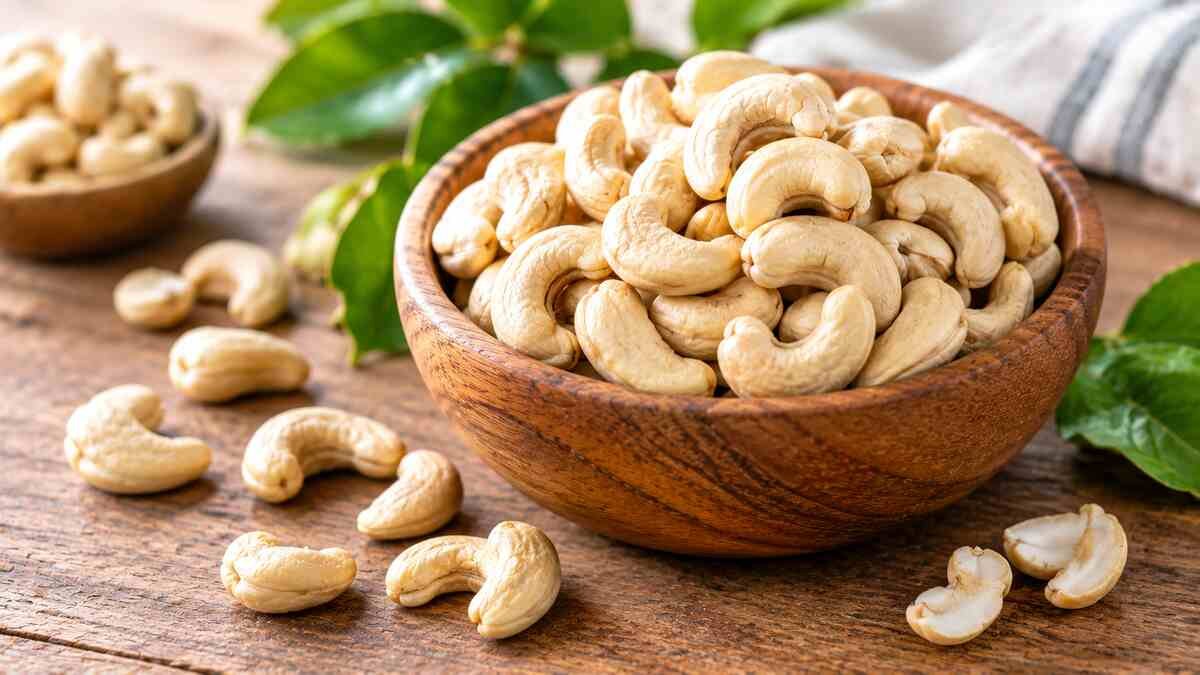

Cashews are popular tree nuts known for their creamy texture and mild, slightly sweet flavor. They provide plant-based protein, unsaturated fats, and minerals such as copper, magnesium, and zinc. That combination makes them a useful snack and a flexible ingredient in many kitchens.
You will find cashews in trail mixes, stir-fries, curries, and creamy dairy-free sauces. They can be eaten whole, chopped over oatmeal, blended into cashew cream, or spread as cashew butter. Their versatility is a big reason they appear in so many cuisines and plant-based recipes.
This guide covers cashew nutrition facts, eight potential health benefits of cashews, what research says about heart health, and how raw, roasted, and salted types compare. It also explains serving sizes, easy ways to eat them, and precautions, including allergy. The goal is a balanced, evidence-aware look, not a promise that any single food prevents or treats disease.
Important: This article offers general nutrition education, not personal medical advice. If you have a nut allergy or a medical condition that affects your diet, talk with a healthcare professional first.
What Are Cashews?
Cashews are the kernels of the cashew tree (Anacardium occidentale), which grows in warm climates. Each kidney-shaped kernel grows attached to a fleshy cashew “apple.” In everyday cooking and in food labeling, cashews are treated as tree nuts.
Cashews are not the same as peanuts. Peanuts are legumes, though some people are allergic to both peanuts and tree nuts, as the Cleveland Clinic explains.
Cashews are almost always sold shelled and processed. The shell contains compounds that can irritate the skin, so cashews are heat-treated before the kernels are removed. This is why even “raw” cashews in stores have already been processed and are safe to eat.
Cooks use cashews in traditional curries and rice dishes, and in modern plant-based cooking for creams, sauces, and cheeses. For other nuts in this family of foods, see our overview of the health benefits of nuts.
Cashew Nutrition Facts
Cashews are nutrient-dense, meaning they offer a good amount of nutrients for their size. They are also calorie-dense, so portion size matters. Cashews provide protein, unsaturated fats, magnesium, copper, phosphorus, and zinc.
Nutrition in a 1-ounce serving of cashews
The table shows approximate values for a 1-ounce (28-gram) serving of raw, unsalted cashews, based on USDA FoodData Central data for raw cashew nuts. Values vary by variety, preparation, and database version, so ranges are given where sources differ.
| Nutrient | Approximate amount |
|---|---|
| Calories | About 157 kcal |
| Protein | About 5 g |
| Total fat | About 12 g (mostly unsaturated) |
| Saturated fat | About 2 g |
| Carbohydrates | About 9 g |
| Fiber | About 1 g |
| Magnesium | About 71 to 83 mg |
| Copper | About 0.6 mg |
| Phosphorus | About 135 to 168 mg |
| Potassium | About 155 to 187 mg |
| Zinc | About 1.5 to 1.6 mg |
| Iron | About 1.7 mg |
Labels on packaged cashews may differ slightly, especially for roasted or flavored types. Always check the product’s nutrition label.
Important nutrients in cashews
- Copper: supports normal energy metabolism, connective tissue, and iron handling in the body. Cashews are among the richer nut sources.
- Magnesium: helps with normal muscle, nerve, and bone function.
- Phosphorus: contributes to healthy bones and to energy processes in cells.
- Zinc: supports immune function and normal growth.
- Iron: helps the body produce hemoglobin, the protein that carries oxygen in red blood cells.
- Unsaturated fats: contribute to a balanced intake of dietary fat.
- Protein: helps build and maintain body tissues.
To see how cashews fit into a wider food pattern, browse our list of nutrient-dense foods.
8 Potential Health Benefits of Cashews
Research on cashews specifically is less extensive than research on nuts as a group. The benefits below are best understood as potential contributions to an overall eating pattern, not guaranteed outcomes.
1. Provide Nutrients That Support Overall Health
A single serving supplies several essential minerals, including copper, magnesium, phosphorus, and zinc. Getting a range of minerals from varied foods is a core part of healthy eating. No one food can meet all your nutritional needs, so cashews work best alongside vegetables, fruits, whole grains, and other protein sources.
2. Contain Unsaturated Fats
Most of the fat in cashews is unsaturated, including monounsaturated and polyunsaturated types. Saturated fat is found mainly in foods like fatty meats, butter, and cheese. Replacing some foods high in saturated fat with foods that contain unsaturated fat can fit into a heart-conscious eating pattern.
Cashews do contain some saturated fat (about 2 grams per ounce), so they are not free of it. Our guide to healthy fats explains the differences in more detail.
3. Supply Magnesium for Normal Body Function
Magnesium plays a role in muscle contraction, nerve signaling, normal energy production, and bone health. Cashews are one of several dietary sources of magnesium, along with leafy greens, legumes, seeds, and whole grains. The amount in a serving can make a useful contribution without meeting every need.
4. Provide Copper for Energy Metabolism
Copper helps enzymes involved in energy production, connective tissue formation, and iron metabolism. A 1-ounce serving of cashews provides a substantial share of the daily copper adults need. That does not mean cashews prevent copper deficiency, which is uncommon and has other causes.
5. Offer Plant-Based Protein
Cashews provide roughly 5 grams of protein per ounce. Protein supports normal growth and tissue maintenance. Cashews can complement other protein sources, so try them with beans, lentils, grains, or yogurt. Our list of high-protein foods has more ideas.
6. Contain Antioxidant Plant Compounds
Antioxidants are compounds that help protect cells from oxidative stress. Cashews contain plant compounds, including phenolic compounds, that have antioxidant activity in laboratory settings. This does not mean eating cashews prevents cancer or other diseases, and human evidence for specific outcomes is limited. To learn more, see our guide to antioxidant-rich foods.
7. Can Contribute to a Balanced Eating Pattern
Cashews add flavor, crunch, and staying power to meals and snacks. Swapping a portion of a less nutrient-dense snack for a small handful of cashews can improve the nutrient profile of your day. Mayo Clinic notes that choosing nuts instead of a less healthy snack may help you stick to a heart-healthy diet, though portions matter because nuts are high in calories.
8. Offer Useful Ingredients for Different Dietary Preferences
Cashews are a staple in plant-based cooking. Soaked and blended cashews make creamy sauces, soups, dressings, and dairy-free “cheeses.” Cashew butter and cashew milk are also common.
Packaged cashew products differ nutritionally from whole cashews, depending on added salt, sugar, oils, and water. Read the label to see what you are getting.
Are Cashews Good for Heart Health?
Nuts as a food group are often included in heart-conscious eating patterns because of their unsaturated fats and other nutrients. Replacing certain high-saturated-fat snacks with nuts can be part of that approach. For more, see our guide to the best nuts for heart health.
Research specifically on cashews has been mixed. A 2017 randomized, crossover, controlled-feeding trial in 51 adults with or at risk of high LDL cholesterol found that a diet including cashews reduced total and LDL cholesterol compared with a control diet. HDL cholesterol and triglycerides did not differ significantly.
However, a 2019 randomized trial in the American Journal of Clinical Nutrition found that eating cashews did not significantly change blood lipids or several other cardiovascular risk markers. A 2020 systematic review of six randomized trials likewise found no significant change in LDL, HDL, total cholesterol, or triglycerides. Another meta-analysis found a possible reduction in systolic blood pressure but no effect on lipids.
Together, these results are inconsistent, and more research is needed. Cashews should not be viewed as a treatment for high cholesterol or as proof against heart disease. If your cholesterol is high, our article on high cholesterol explains the bigger picture.
Raw vs. Roasted vs. Salted Cashews
When comparing raw vs. roasted cashews, the best choice often comes down to taste, recipe, and how much sodium you want.
Raw cashews
In stores, “raw” generally means the cashews have not been further roasted. They have still been heat-treated to remove the kernel from the shell safely, as University Hospitals notes in its nutrition data. Raw cashews have a mild flavor and blend well for sauces, cashew cream, and baking.
Dry-roasted cashews
Dry-roasted cashews have a toasty flavor and crunchy texture. Roasting can slightly change some nutrient levels. Unsalted versions let you avoid extra sodium. Mayo Clinic suggests choosing raw or dry-roasted nuts rather than nuts cooked in oil.
Salted and flavored cashews
These products may contain added sodium, sugar, oils, or flavorings such as honey glazes or spices. Compare nutrition labels and ingredient lists. Salted or flavored cashews can still fit into a balanced diet for some people, but unsalted options are an easy way to limit sodium.
How Many Cashews Should You Eat?
A common reference serving is about 1 ounce (28 grams), which is roughly 16 to 18 cashews, depending on their size. Mayo Clinic describes a small handful of whole nuts (about 1 ounce) or 2 tablespoons of nut butter as one serving.
Needs vary with age, activity level, overall diet, and health conditions. Children’s serving recommendations differ, so ask a pediatrician. Think of a serving as a useful guide rather than a strict daily rule, and consider cashews as one part of a varied pattern that also includes other nuts.
For more on portions across nuts, read how many nuts you should eat every day. You can also explore the health benefits of walnuts, peanuts, and pistachios.
Easy Ways to Add Cashews to Your Diet
Add cashews to breakfast
- Sprinkle chopped cashews over oatmeal.
- Stir them into yogurt with fruit.
- Blend them into a smoothie for a creamy texture.
Use cashews in lunch and dinner
- Toss chopped cashews into vegetable stir-fries.
- Mix them into rice or grain dishes.
- Use cashew paste to thicken curries and sauces.
Make homemade cashew butter or sauce
Blend roasted cashews until smooth for a spread you can use on toast or fruit. Soak raw cashews, then blend them with water to make cashew cream for soups and pasta sauces. Added salt, sugar, and oils can change the nutritional profile, so you control more when you make it at home.
Combine cashews with other foods
- Pair them with apple slices or berries.
- Add them to salads for crunch.
- Combine them with other nuts and seeds for variety.
Possible Side Effects and Precautions
Cashew allergy
Cashews are tree nuts and can trigger allergic reactions. According to the Cleveland Clinic, symptoms can include hives, vomiting, or swelling, and some reactions can be life-threatening. People with a diagnosed tree nut allergy should follow their healthcare professional’s advice. Packaged foods may carry cross-contact warnings, so check labels carefully. Call 911 for signs of a severe reaction, such as trouble breathing or throat swelling.
Added salt and flavorings
Salted and flavored cashews can contain more sodium or added sugar than plain ones. Checking the label helps you choose what fits your needs.
Digestive discomfort
Some people feel bloated or uncomfortable after eating nuts, especially in large amounts. Pay attention to your own tolerance and adjust portions.
Individual medical needs
People on medically prescribed diets, including those with kidney disease or a history of kidney stones, may need individualized advice because nuts contain oxalates and are calorie-dense. A healthcare professional or registered dietitian can help.
Frequently Asked Questions About Cashews
What are the main health benefits of cashews?
Cashews provide protein, unsaturated fats, magnesium, copper, phosphorus, zinc, and other nutrients. They can contribute to a balanced diet, especially when they replace less nutrient-dense snacks. Evidence for specific health outcomes from cashews alone is still limited.
Are cashews healthy to eat every day?
For most people without a nut allergy, cashews can be part of a varied eating pattern on a regular basis. A small handful is a common serving. Individual needs vary, so ask a healthcare professional if you have a medical condition or special diet.
How many cashews are in one serving?
An ounce is commonly estimated at about 16 to 18 cashews, but size varies from brand to brand. Weighing about 28 grams is more precise than counting.
Are cashews high in protein?
Cashews provide roughly 5 grams of protein per ounce, according to USDA data. That is a useful amount for a snack, and cashews can complement other protein sources such as beans, lentils, and yogurt.
Are raw or roasted cashews healthier?
Both can fit into a balanced diet. Dry-roasted and raw cashews are similar nutritionally, and unsalted options help people who want to limit added sodium. Oil-roasted, salted, or flavored types may add sodium, sugar, or fat.
Do cashews contain magnesium?
Yes. A 1-ounce serving supplies roughly 71 to 83 mg of magnesium, with the exact value depending on the product and database. Cashews are one of several dietary sources of magnesium.
Can people with nut allergies eat cashews?
Not if they are allergic to cashews. Cashews are tree nuts, and people with other tree nut allergies should get individualized advice from an allergist, since cross-reactions and cross-contact can occur.
Can cashews be used in dairy-free recipes?
Yes. Blended cashews make dairy-free cream, sauces, and cheeses, and cashew milk and butter are widely available. Packaged versions can differ in protein, sugar, and sodium, so compare labels.
Conclusion
Cashews offer protein, unsaturated fats, and minerals such as copper, magnesium, phosphorus, and zinc. They are versatile, easy to use in snacks, curries, sauces, and dairy-free recipes, and can add flavor and nutrition to everyday meals. Research on cashews and specific outcomes such as cholesterol is mixed, so treat them as a nutritious part of a balanced diet, not a cure or guarantee.
No single food provides every nutrient. Enjoy cashews in a form that suits your taste and needs, such as unsalted and in modest portions, and talk with a healthcare professional if you have allergies or special dietary requirements.
Sources
- U.S. Department of Agriculture. FoodData Central: Nuts, cashew nuts, raw
- University Hospitals. Nutrition facts: Nuts, cashew nuts, raw, 1 oz
- Mah E, et al. Cashew consumption reduces total and LDL cholesterol: a randomized, crossover, controlled-feeding trial. American Journal of Clinical Nutrition. 2017.
- Baer DJ, Novotny JA. Consumption of cashew nuts does not influence blood lipids or other markers of cardiovascular disease in humans: a randomized controlled trial. American Journal of Clinical Nutrition. 2019.
- Effect of cashew nut on lipid profile: a systematic review and meta-analysis. Complementary Medicine Research. 2021.
- Jalali M, et al. The effects of cashew nut intake on lipid profile and blood pressure: a systematic review and meta-analysis of randomized controlled trials.
- Mayo Clinic. Nuts and your heart: Eating nuts for heart health
- Cleveland Clinic. Tree nut allergy
Medical Disclaimer: This article is for general information and education only. It is not medical advice and does not diagnose, treat, or prevent any condition. Nutrition needs and allergies differ from person to person, so please talk with your doctor, allergist, or a registered dietitian before changing your diet. If you think you or someone else is having a severe allergic reaction, call 911 or your local emergency number right away.