
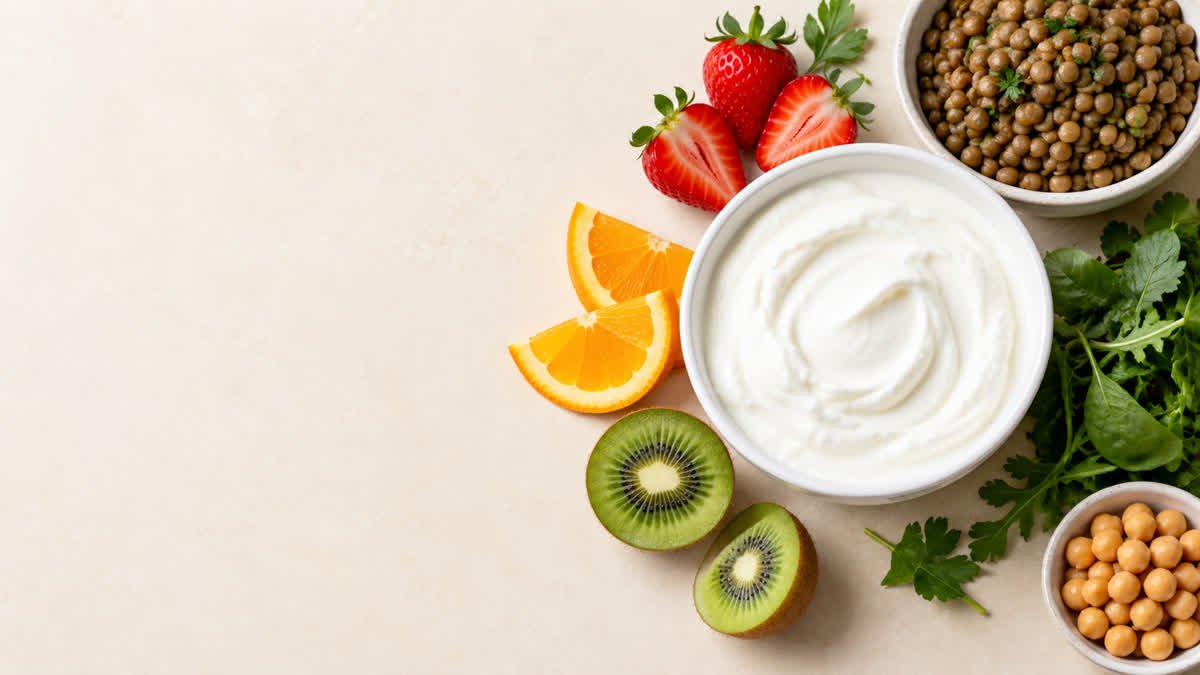

Greek yogurt can be part of a healthy diet if you have low iron, but it is not a meaningful source of iron and cannot treat iron deficiency. Plain Greek yogurt contains protein, calcium, and vitamin B12, with only a trace of iron. It works best as one nutritious food among many, not as a way to raise your iron levels.
The question matters because calcium, which Greek yogurt supplies, can reduce iron absorption in some situations. The effect depends on how much calcium you eat, what else is in the meal, and whether you take iron supplements. In most varied diets, the impact on long-term iron status appears limited.
This guide explains what is in Greek yogurt, how it may affect iron absorption, and which foods and habits help more. It also covers meal timing, when iron supplements may be needed, and when to see a clinician. This article is general information, not personal medical advice, and it cannot diagnose iron deficiency.
Is Greek Yogurt Good for Iron Deficiency?
Greek yogurt can fit into a balanced diet when you have low iron, but it does not help much with iron itself. Its value comes from protein, calcium, and other nutrients. It is a reasonable snack or breakfast food, and there is no general need to avoid it.
Iron-containing foods remain the priority for people trying to improve their intake. These include meat, poultry, seafood, beans, lentils, leafy greens, and iron-fortified foods. Greek yogurt can sit alongside these foods in your day without replacing them.
It is important to separate general nutrition from treatment. Greek yogurt alone cannot correct diagnosed iron deficiency or iron-deficiency anemia. Treatment depends on the cause and the severity, and may include supplements prescribed or recommended by a healthcare provider. The NIH Office of Dietary Supplements explains how iron needs, absorption, and deficiency work in more detail.
Greek Yogurt Nutrition: What Does It Contain?
Greek yogurt is made by straining regular yogurt to remove much of the liquid whey. This concentrates the protein and reduces some of the lactose and calcium compared with unstrained yogurt. Nutrient amounts vary by brand, serving size, fat content, and fortification, so the label on your product is the best guide.
The table below shows approximate values for a 6-ounce (170 g) serving of plain, nonfat Greek yogurt, scaled from USDA FoodData Central data. Individual products differ.
| Nutrient | Approximate amount | What it means for iron |
|---|---|---|
| Calories | About 100 | Not directly related |
| Protein | About 17 g | Supports a balanced diet; contains no meaningful iron |
| Calcium | About 190 mg | May reduce iron absorption in the same meal |
| Iron | Under 0.1 mg | Very low compared with iron-rich foods |
| Vitamin B12 | About 1.3 mcg | Needed for red blood cells; separate from iron |
Does Greek Yogurt Contain Iron?
Only a very small amount. Plain Greek yogurt provides well under 0.1 milligram of iron per serving, while adults generally need 8 to 18 milligrams a day depending on age and sex. The ODS lists recommended iron intakes of 8 milligrams for adult men, 18 milligrams for women ages 19 to 50, and 27 milligrams during pregnancy.
How Much Calcium Is in Greek Yogurt?
A serving of plain Greek yogurt provides roughly 190 milligrams of calcium, which is a useful but not unusually large amount. Straining reduces calcium compared with regular yogurt, so the amount depends on the product. Our list of calcium-rich foods shows other sources.
Why Protein and Vitamin B12 Matter
Protein supports muscle and general health, and Greek yogurt is a convenient source. Our guide to high-protein foods covers other options. Vitamin B12 helps form red blood cells, and low B12 can cause a different type of anemia from iron deficiency. See our article on vitamin B12 benefits and food sources for more.
For a broader look at yogurt’s nutrition, read our guides to the health benefits of yogurt and Greek yogurt health benefits. Labels matter, and our guide to nutrition facts explains how to read them.
Does Greek Yogurt Affect Iron Absorption?
It may, in some circumstances, but the effect should not be overstated. Calcium is one of the few nutrients known to interfere with the absorption of both heme iron (from animal foods) and non-heme iron (from plant foods and supplements). The key question is how much it matters for your overall iron status.
How Calcium May Influence Iron Absorption
Studies of single meals show that calcium, from supplements or dairy, can reduce iron absorption, and larger amounts have a larger effect. Calcium supplements appear to have a bigger impact than the calcium in food. The mechanism is not fully understood.
Longer-term studies have not consistently shown that calcium from a normal varied diet lowers iron status. The NIH Office of Dietary Supplements notes that these interactions are usually less important when people eat a mixed diet. So the effect in a single meal does not necessarily translate into a lasting change in iron levels.
Does Eating Yogurt With Iron-Rich Foods Matter?
For most people, a serving of Greek yogurt alongside iron-containing foods is not a problem. A bowl of yogurt after a meal rich in beans or meat is unlikely to undo the iron you ate. If you want to be cautious, you could eat your highest-iron meals without large amounts of dairy and enjoy yogurt at a different time, though this is a personal choice and not a rule.
Other things that can reduce iron absorption include tea, coffee, and phytates in whole grains and legumes. Vitamin C can help offset these effects. The NHS also offers practical dietary advice for iron-deficiency anemia.
Should You Separate Greek Yogurt and Iron Supplements?
If you take iron supplements, the timing of calcium-containing foods and supplements may matter more. Some clinicians suggest taking iron at a different time from calcium supplements, dairy, or antacids. Your own instructions may differ, depending on the product and your situation.
Follow the label and ask your clinician or pharmacist how to space iron and calcium, since the right approach can vary. Do not stop or change a prescribed supplement because of a food interaction without checking first. The ODS iron fact sheet for consumers explains common supplement interactions.
Best Foods to Eat With Greek Yogurt for Iron Intake
If you enjoy Greek yogurt, you can build meals that bring iron into your day while still including it. The goal is variety across meals, not a perfect pairing in one bowl.
Pair Greek Yogurt With Vitamin C-Rich Fruit
Vitamin C helps your body absorb non-heme iron from plant foods. Topping yogurt with strawberries, kiwi, or orange segments adds vitamin C, though the yogurt itself contains little iron. For fruit ideas, see our guide to foods high in vitamin C.
Include Iron-Rich Foods Throughout the Day
The best sources of iron are foods that actually contain it. Approximate amounts from the NIH Office of Dietary Supplements include:
- Iron-fortified breakfast cereal: Varies by product; some provide close to the full daily amount in one serving.
- White beans (half a cup, cooked): About 4 mg.
- Lentils (half a cup, cooked): About 3 mg.
- Cooked spinach (half a cup): About 3 mg.
- Firm tofu (half a cup): About 3 mg.
- Lean beef (3 ounces): About 2 mg.
- Canned sardines (3 ounces): About 2 mg.
Our guide to iron-rich foods has more options.
Plant-Based Iron Sources and Practical Pairings
Non-heme iron from plants is absorbed less efficiently than heme iron from meat and seafood. Pairing beans, lentils, or fortified cereal with vitamin C-rich foods can help. For example, a lentil salad with bell pepper, or oatmeal with strawberries, adds both iron and vitamin C.
Leafy green vegetables provide iron along with other nutrients, though some contain compounds that limit absorption. A varied pattern covers more bases than any single food. For overall guidance, see our guide to what makes a balanced diet.
When Is the Best Time to Eat Greek Yogurt if You Have Low Iron?
There is no universal need to avoid Greek yogurt if you have low iron. For most people, eating it as a snack or with breakfast is fine. If you want to limit any effect on iron absorption, you could enjoy it between meals instead of alongside your most iron-rich food.
If you take prescribed iron supplements, follow the instructions you were given. Iron supplements are often taken apart from calcium-containing foods and supplements, but products and guidance differ. A clinician or pharmacist can tell you whether to separate dairy or calcium supplements from your iron dose.
Avoid treating any one timing interval as a medical rule, since it depends on your supplement, dose, and health situation. Eating a variety of foods regularly matters more than timing a single serving of yogurt. If something about your routine is unclear, ask a professional rather than eliminating dairy on your own.
What Actually Helps Improve Iron Deficiency?
Improving iron deficiency usually involves a combination of diet, identifying the cause, and sometimes supplements. Greek yogurt is a bystander in that process.
Eat a Variety of Iron-Rich Foods
Regularly including iron-containing foods can support your intake. Heme iron from meat, poultry, and seafood is absorbed more readily, while plant sources work better with vitamin C. Vegetarians and vegans may need to eat more iron-rich plant foods because non-heme iron is absorbed less efficiently.
Understand the Role of Vitamin C
Vitamin C increases non-heme iron absorption when eaten in the same meal. Fruits and vegetables such as citrus, strawberries, tomatoes, and bell peppers are good sources. Meanwhile, tea and coffee with meals can reduce absorption, so some people drink them between meals.
When Iron Supplements May Be Needed
Diet alone does not always correct deficiency. Many people with iron deficiency or iron-deficiency anemia need supplements, which should be taken under professional guidance. Too much iron can be harmful, so do not self-treat without testing. Keep iron supplements away from children, since accidental overdose can be dangerous; if it happens, call Poison Help at 1-800-222-1222 or emergency services.
Why Identifying the Cause Matters
Low iron can result from not eating enough iron, blood loss (such as heavy periods or bleeding in the digestive tract), pregnancy, or conditions that affect absorption, such as celiac disease or some surgeries. Treating the symptom without understanding the cause can leave a problem unaddressed. Diagnosis may involve blood tests, including a complete blood count and a ferritin level, which reflects iron stores.
Symptoms such as fatigue, pale skin, dizziness, and shortness of breath have many possible causes, so they do not confirm low iron. Talk to a healthcare professional about testing rather than guessing. The NHS guidance on iron-deficiency anemia describes symptoms, causes, and treatment.
Frequently Asked Questions
Can I eat Greek yogurt if I have iron deficiency?
Yes, Greek yogurt can remain part of a balanced diet, though it is not an important source of iron. Your treatment plan and any supplement instructions take priority. Ask your clinician if you are unsure how dairy fits in.
Does Greek yogurt block iron absorption?
Calcium in dairy can reduce iron absorption in some meals, but the effect on long-term iron status is not clearly established. The NIH Office of Dietary Supplements notes that these interactions matter less in a varied diet. The effect is more relevant with supplements.
Is Greek yogurt high in iron?
No. Plain Greek yogurt contains very little iron, typically well under 0.1 milligram per serving. Foods such as beans, lentils, fortified cereal, and lean meat provide far more. Check USDA FoodData Central or your product label for exact values.
Should I avoid dairy when taking iron supplements?
You do not need to cut out dairy, but timing can matter. Calcium can interfere with iron absorption, so follow the product instructions and ask your clinician or pharmacist about spacing. Do not change a prescribed regimen without advice.
What foods help the body absorb iron?
Vitamin C-rich foods such as citrus fruit, strawberries, and bell peppers help the body absorb non-heme iron. Eating them with beans, lentils, or fortified cereal can improve absorption. Meat, poultry, and fish also contain heme iron, which is absorbed more easily.
Can Greek yogurt cure iron-deficiency anemia?
No. Greek yogurt cannot cure iron-deficiency anemia. Treatment depends on the cause and often includes medically supervised iron supplementation, along with diet changes. See a healthcare professional for testing and a plan.
Final Takeaway
Greek yogurt can fit into a balanced diet for someone with low iron, but it does not supply enough iron to serve as a treatment. Its strengths are protein, calcium, and B12, and calcium may slightly reduce iron absorption in some situations. For most people, this is not a reason to avoid it.
If you think you may have iron deficiency, ask a healthcare professional about testing and the right treatment. Focus on iron-rich foods, vitamin C, and any prescribed supplements, and enjoy Greek yogurt as part of a varied diet. For more ideas, browse our list of healthy foods.
Sources
- National Institutes of Health, Office of Dietary Supplements: Iron Fact Sheet for Health Professionals
- National Institutes of Health, Office of Dietary Supplements: Iron Fact Sheet for Consumers
- National Institutes of Health, Office of Dietary Supplements: Calcium Fact Sheet for Health Professionals
- NHS: Iron Deficiency Anaemia
- U.S. Department of Agriculture: FoodData Central
Medical Disclaimer: This article is for educational purposes only and is not a substitute for professional medical advice, diagnosis, or treatment. Always talk with a doctor, registered dietitian, or other qualified healthcare provider before changing your diet, starting a supplement, or if you have questions about your health. If you think you are having a medical emergency, call 911 or your local emergency number right away.