

Fatty liver happens when extra fat builds up inside liver cells. It is very common, and many people learn they have it only after an abnormal blood test or an ultrasound done for another reason. It is natural to search for a quick home remedy right after hearing the news.
Here is the reassuring but important truth: no drink, juice, or cleanse can instantly remove liver fat. Your liver already processes substances every day, and “detox” products are not proven ways to flush fat out of it. What the evidence does support is addressing the underlying cause, making steady lifestyle changes, and getting regular medical follow-up.
This guide explains what fatty liver is and what realistically helps. You will find 10 practical habits you can start at home, a look at popular “liver detox” drinks, supplements to avoid, a flexible daily routine, and signs that mean it is time to see a doctor. For a related overview of managing blood sugar at home, see our guide to natural home remedies for type 2 diabetes.
What Is Fatty Liver, and Can You Improve It Naturally?
Doctors now use the term metabolic dysfunction-associated steatotic liver disease (MASLD) for what was long called nonalcoholic fatty liver disease (NAFLD). The NIDDK uses both names. The more serious form with inflammation is called MASH (formerly NASH). Fatty liver can also be caused or worsened by alcohol, which is a different condition called alcohol-associated liver disease.
MASLD is closely tied to metabolic health. Mayo Clinic explains that it develops when fat builds up because of common conditions such as obesity, type 2 diabetes, high cholesterol, and high blood pressure. Our guides on insulin resistance and metabolic syndrome explain how these factors connect.
Fatty liver often causes no symptoms. The NHS notes that it does not usually cause any symptoms, so feeling fine does not mean the liver is healing. Because causes differ, management differs too.
Lifestyle changes can reduce liver fat and may improve inflammation in some people. Results depend on the disease stage and individual factors. Scarring (fibrosis) and cirrhosis need clinical assessment, which is why medical follow-up matters even if you feel well.
10 Natural Ways to Support Fatty Liver Health at Home
These habits support overall liver health. They are not a “detox,” and they work best alongside medical care.
1. Eat More Vegetables, Whole Fruits, and Fiber-Rich Foods
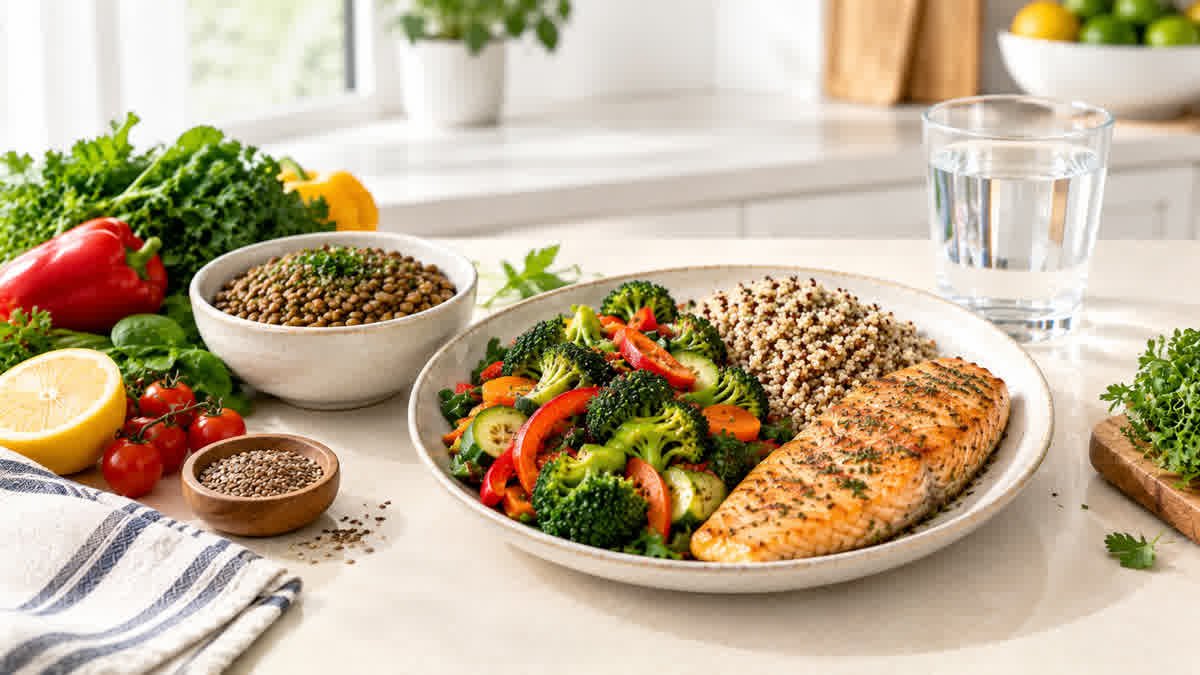
Leafy greens, broccoli, beans, lentils, oats, and whole grains can form the base of a liver-friendly eating pattern. A case-control study found that greater adherence to healthy eating patterns was associated with a lower risk of MASLD, with vegetables and whole grains contributing most. MedlinePlus notes that fiber helps you feel full and can support a healthy weight.
Choose whole fruit more often than fruit juice. A simple example: add vegetables and lentils to a regular rice-based meal instead of following a restrictive diet.
See our list of high-fiber foods for digestive health for ideas.
2. Cut Back on Added Sugar and Sugary Drinks
The NIDDK suggests avoiding foods and drinks with large amounts of simple sugars, especially fructose. Soft drinks, energy drinks, sweetened tea, and heavily sweetened packaged beverages are common sources. The CDC reports that sugary drinks are the leading source of added sugars in the American diet.
Try water, sparkling water, or unsweetened tea instead. You do not need to avoid all carbohydrates or all fruit. The goal is to cut back on added sugar, not to remove entire food groups.
3. Choose Healthier Fats
The NIDDK says doctors may suggest replacing saturated and trans fats with unsaturated fats, especially omega-3 fatty acids. Sources include fish, nuts, seeds, and appropriate amounts of vegetable oils. Limit frequent deep-fried foods and foods high in saturated or trans fats.
No single “superfood” fixes fatty liver. The overall pattern matters more. Keep choices affordable and suited to your culture and cooking habits.
Our guides to healthy fats and heart-healthy foods can help with meal planning.
4. Follow a Balanced, Mediterranean-Inspired Eating Pattern
Mayo Clinic’s fatty liver diet guidance describes the Mediterranean diet as recommended for people with MASLD. It emphasizes vegetables, fruit, legumes, whole grains, nuts, unsaturated fats, and fish or other suitable proteins. You can adapt the principles to local foods and budgets.
An example meal: vegetables, lentils or fish, a moderate portion of rice, and water. No named diet cures fatty liver, and a dietitian can tailor a plan to your needs.
Learn more in our Mediterranean diet guide and our overview of healthy eating.
5. Work Toward a Healthy Weight Gradually, If Appropriate
For people with excess weight, the NIDDK says losing at least 3% to 5% of body weight can reduce liver fat. Up to 7% to 10% may be needed to reduce liver inflammation and fibrosis. These are general clinical findings, not required targets for everyone.
The NIDDK also states that rapid weight loss and malnutrition can make liver disease worse, so gradual loss is advised. Avoid crash diets and extreme fasting. People who are not overweight should not automatically aim to lose weight.
For practical support, see our guides on healthy weight management habits and natural home remedies for losing weight fast.
6. Walk Regularly and Increase Daily Movement
Start with a manageable 10 to 15 minutes and build up gradually. Take short movement breaks during long periods of sitting. The NIDDK notes that physical activity alone, even without weight loss, is beneficial for fatty liver.
A general goal is 150 minutes of moderate-intensity activity a week, which the CDC says you can spread across the week. Work toward it as your ability and health allow. Our guides to walking for health and the benefits of exercise can help you get started.
7. Add Strength Training When You Can
The CDC recommends muscle-strengthening activity on at least 2 days a week. Beginner options include chair squats, wall push-ups, resistance bands, and light weights. Strength training supports muscle health and metabolic function.
Start slowly and adapt exercises for joint pain, mobility limits, or other conditions. You do not need a gym membership. Our strength training for beginners guide explains how to begin safely.
8. Avoid Alcohol or Discuss It With Your Clinician
Alcohol can injure the liver. The American College of Gastroenterology notes that harmful alcohol use can accelerate progression of other liver diseases, including MASLD. Mayo Clinic advises that people with MASLD typically should not drink alcohol.
For alcohol-associated liver disease, abstinence is the cornerstone of treatment. Complete abstinence may also be recommended for people with significant fibrosis. Tell your healthcare professional honestly how much you drink so they can advise you. Detox tea or extra exercise cannot undo alcohol-related harm.
9. Manage Blood Sugar, Cholesterol, and Blood Pressure
Fatty liver disease, now commonly called metabolic dysfunction-associated steatotic liver disease (MASLD), is closely associated with type 2 diabetes, high cholesterol, and high blood pressure. Managing these conditions is an important part of protecting liver health. Follow your treatment plan and attend regular checkups, including recommended blood tests, as advised by your healthcare professional (American Association for the Study of Liver Diseases).
Healthy eating and regular physical activity can help improve liver health and complement medical treatment (NIDDK). Never stop or change prescribed medication without consulting your healthcare professional. Learn more about managing blood sugar, high cholesterol, and high blood pressure.
10. Protect Sleep and Build Sustainable Daily Habits
Maintaining a regular sleep schedule can support energy levels, appetite regulation, and healthy daily habits. Planning meals, keeping nutritious snacks on hand, and setting realistic physical activity goals can make these routines easier to maintain. Consistent, sustainable lifestyle changes are more beneficial than short-term cleanses or detox diets (CDC: About Sleep).
If you experience loud snoring or excessive daytime sleepiness, consult a healthcare professional, as these may be signs of a sleep disorder such as sleep apnea (National Heart, Lung, and Blood Institute). For practical tips, explore our guide on how to improve sleep.
Do Lemon Water, Green Tea, or Apple Cider Vinegar Detox the Liver?
Hydration and drink choices are useful parts of a healthy routine, but none of these drinks is a liver detox treatment. Here is what to know:
- Lemon water: It can be a refreshing, low-sugar drink. It is not a proven liver-fat cleanser.
- Green tea: An unsweetened cup can fit into a healthy routine. It is not a treatment for fatty liver. Concentrated green tea extracts and supplements are different, and NIDDK’s LiverTox resource tracks liver injury linked to herbal products and supplements. Read our guide to green tea health benefits for more.
- Coffee: A meta-analysis of observational studies supported a protective link between coffee and significant liver fibrosis in people with NAFLD. Another cohort study notes that evidence on coffee and MASLD risk remains conflicting. Coffee is not a treatment and does not suit everyone. See our black coffee benefits article.
- Apple cider vinegar: There is not enough evidence to recommend it for fatty liver. Concentrated vinegar can irritate the digestive tract and wear down tooth enamel.
- Detox juices and cleanses: There is no reliable evidence that they flush liver fat. Restrictive cleanses may cause nutritional problems.
Fatty Liver Supplements and Home Remedies to Avoid
“Natural” does not automatically mean safe. Some herbal products and concentrated extracts can injure the liver or interact with medicines. According to NIDDK, liver injury from medications, herbal products, and dietary supplements has become an increasingly important health problem in the United States.
Be cautious about high-dose supplements, liver-cleansing products, and unverified remedies. Talk with a clinician or pharmacist before starting any supplement, especially if you have diagnosed liver disease. Many supplements also add cost without proven benefit.
Do not stop prescribed medicine or delay an assessment because a product claims to detox the liver.
A Simple Daily Routine to Support Liver Health
This is a flexible example, not a “detox plan.” Adjust portions and foods to your energy needs, culture, budget, diabetes status, and your clinician’s advice.
- Breakfast: Oats with plain yogurt and whole fruit, or eggs with whole-grain bread.
- Lunch: Vegetables, beans or fish, and a suitable portion of rice or another whole grain.
- Drinks: Water and unsweetened beverages instead of sugary drinks.
- Snack, if hungry: Whole fruit, plain yogurt, or a small handful of nuts.
- Movement: A short walk after a meal or another manageable activity.
- Dinner: Vegetables, a suitable protein source, and a balanced portion of carbohydrates.
- Evening: A consistent bedtime and a few minutes to prepare for the next day.
When to See a Doctor About Fatty Liver
Fatty liver is often found through blood tests or imaging, and diagnosis may also involve assessing the risk of fibrosis. Follow up even if you feel well. The NHS advises seeing a doctor if you think you could have or are at higher risk of fatty liver.
A clinician can look for other causes of liver fat and review your medicines and supplements. Lifestyle change remains the foundation of care. According to Mayo Clinic, two medicines are FDA-approved for MASH and may be prescribed depending on liver disease severity. The AASLD publishes current clinical guidance for doctors.
Get urgent medical care for yellowing of the skin or eyes, vomiting blood, black or tarry stools, or new confusion. Severe abdominal swelling or rapidly worsening symptoms also need prompt attention.
Frequently Asked Questions
Can fatty liver be reversed naturally?
Liver fat can improve and sometimes resolve, particularly when the underlying cause is addressed. Mayo Clinic says lifestyle changes are the main way to prevent, manage, and sometimes reverse MASLD. Outcomes depend on disease stage and individual factors.
What is the fastest way to reduce liver fat?
There is no safe instant fix. The right approach depends on the cause and may include nutrition changes, activity, gradual weight loss when appropriate, and clinical care. The NIDDK warns that rapid weight loss can make liver disease worse.
Which foods should I avoid with fatty liver?
Limit sugary drinks, excess added sugar, and frequent foods high in saturated or trans fats. The NIDDK recommends focusing on an overall balanced pattern rather than cutting out entire food groups. Ask your clinician or a dietitian about alcohol.
Is coffee good for fatty liver?
Observational studies suggest possible benefits, especially for liver fibrosis. The evidence for preventing MASLD itself is less consistent. Coffee is not a treatment and is not suitable for everyone.
Does fatty liver cause symptoms?
It often causes none. The NHS notes it does not usually cause symptoms, so testing and follow-up matter even when you feel well.
Final Thoughts
Managing fatty liver is about addressing the underlying cause, not flushing out toxins. The most useful steps are balanced meals, fewer sugary drinks, regular movement, appropriate weight management, alcohol guidance, and medical follow-up. Small, steady changes add up.
Choose one or two realistic changes to start this week, such as swapping a sugary drink for water and taking a daily walk. Then talk with a healthcare professional about your diagnosis and next steps.
Sources
- National Institute of Diabetes and Digestive and Kidney Diseases. Treatment for NAFLD & NASH
- National Institute of Diabetes and Digestive and Kidney Diseases. Eating, Diet, & Nutrition for NAFLD & NASH
- National Institute of Diabetes and Digestive and Kidney Diseases. LiverTox: An Online Resource for Information on Drug-induced Liver Injury
- National Library of Medicine. LiverTox (NCBI Bookshelf)
- American Association for the Study of Liver Diseases. Clinical Assessment and Management of Metabolic Dysfunction-Associated Steatotic Liver Disease
- Mayo Clinic. Self-care for fatty liver disease (MASLD)
- Mayo Clinic. Fatty liver disease (MASLD) diet
- NHS. Non-alcoholic fatty liver disease (NAFLD)
- Centers for Disease Control and Prevention. Adult Activity: An Overview
- Centers for Disease Control and Prevention. Rethink Your Drink
- MedlinePlus. High-Fiber Foods
- American College of Gastroenterology. ACG Clinical Guideline: Alcohol-Associated Liver Disease
- National Library of Medicine, PubMed Central. Treatment of alcoholic liver disease
- National Library of Medicine, PubMed Central. Healthy eating patterns and risk of MASLD: a case-control study
- National Library of Medicine, PubMed Central. Effect of coffee consumption on NAFLD incidence, prevalence and risk of significant liver fibrosis: meta-analysis of observational studies
- National Library of Medicine, PubMed Central. Different associations of coffee consumption with the risk of incident MASLD and advanced liver fibrosis
Medical Disclaimer: This article is for general educational purposes only and does not replace professional medical advice, diagnosis, or treatment. Fatty liver has different causes, and the right approach depends on your health history, medicines, and the stage of liver disease. Talk with a qualified healthcare professional before making major changes to your diet, exercise, alcohol use, or supplements. If you notice yellowing of your skin or eyes, vomiting blood, black or tarry stools, new confusion, or severe abdominal swelling, seek medical care right away.