
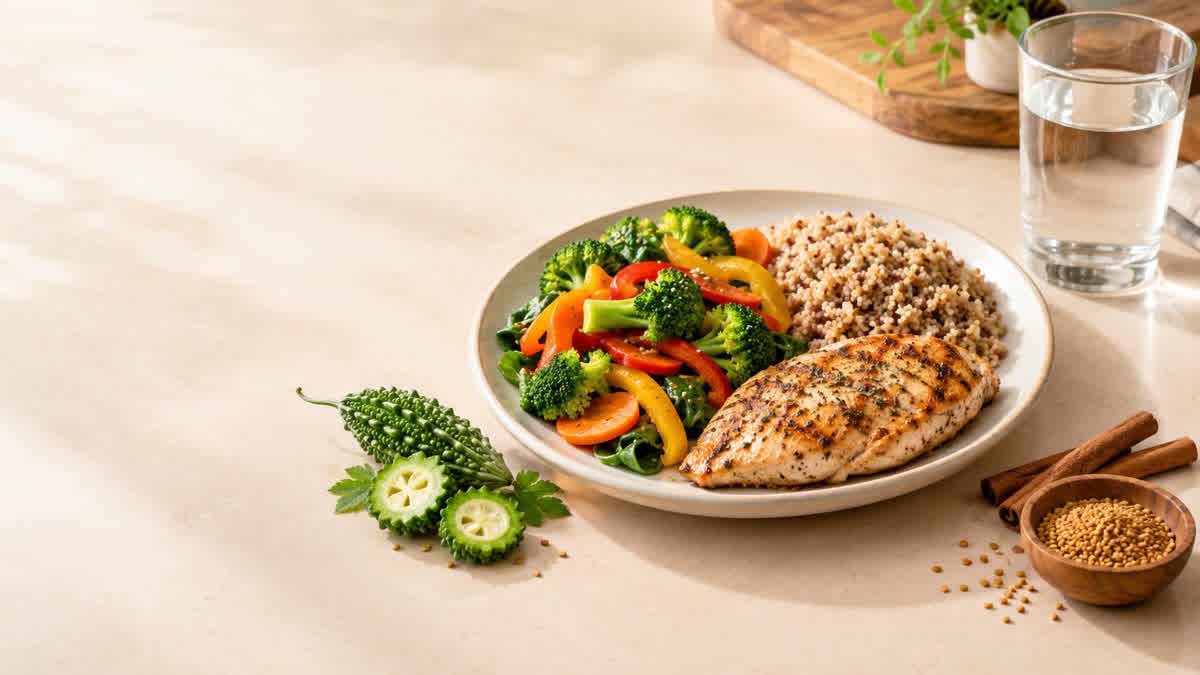

Managing type 2 diabetes involves more than medication alone. Everyday choices about food, movement, sleep, and stress can all support blood sugar management. No home remedy is a cure, though, and natural approaches work best alongside the treatment plan your healthcare team has given you.
Many popular remedies promise quick results, from herbal teas to cinnamon capsules to vinegar shots. Some habits, such as eating balanced meals and walking regularly, have solid evidence behind them. Others have weak or inconsistent evidence, and a few can be unsafe, especially if you take diabetes medicine.
This guide covers 10 natural approaches to managing type 2 diabetes at home, what the research does and does not show, and which popular remedies deserve caution. You will also find a sample daily routine and signs that mean you should call a clinician. This article is general information, not personal medical advice, and it does not replace the guidance of your care team.
What Is Type 2 Diabetes?
Type 2 diabetes is a condition in which the body does not use insulin well, a problem called insulin resistance. Insulin is a hormone that moves glucose (sugar) from the blood into cells for energy. Over time, the pancreas may also struggle to make enough insulin, and blood glucose rises. You can read more in our overview of what diabetes is and our guide to insulin resistance.
Persistently high blood sugar needs attention because, over years, it can damage blood vessels and nerves and affect the eyes, kidneys, and heart. That is why ongoing care matters, even when you feel well. Lifestyle changes and prescribed treatment often work together, and many people need both. The National Institute of Diabetes and Digestive and Kidney Diseases (NIDDK) describes how eating and physical activity fit into diabetes care.
Monitoring and regular checkups are central. Blood glucose checks, A1C tests, and visits with your healthcare team show how well your plan is working. Our guides to blood sugar levels and the A1C test explain what the numbers mean. For background on the condition itself, see our article on type 2 diabetes.
10 Natural Home Remedies for Type 2 Diabetes
The first eight items below are everyday habits with established health benefits. The last two cover spices and herbal products, where evidence is more limited. None of these replaces medication.
1. Eat Balanced, Fiber-Rich Meals
What you eat, and how much, affects your blood sugar after meals. A balanced plate usually includes non-starchy vegetables, lean protein, and a measured portion of carbohydrate-containing foods such as whole grains, beans, or starchy vegetables.
The plate method, promoted by diabetes organizations such as the American Diabetes Association and the CDC, offers a simple visual guide: fill half your plate with non-starchy vegetables, one quarter with lean protein, and one quarter with carbohydrate foods (CDC). Your own meal plan may differ, depending on your medicines, goals, and cultural food preferences, and a registered dietitian can help tailor it.
Our diabetes diet guide covers practical meal ideas.
2. Include More Fiber-Rich Foods
Fiber supports digestive health, and high-fiber carbohydrate foods may cause a slower rise in blood glucose than refined alternatives. Good sources include beans, lentils, chickpeas, vegetables, oats, nuts, seeds, and whole grains.
Many of these are affordable. Lentils, chickpeas, oats, and leafy greens are budget-friendly staples that fit many cuisines. Our list of high-fiber foods offers more ideas. Add fiber gradually and drink enough water, since sudden increases can cause bloating.
3. Walk Regularly and Increase Daily Movement
Physical activity helps your muscles use glucose and supports heart health, weight, and mood. The Physical Activity Guidelines for Americans advise adults to aim for 150 to 300 minutes of moderate-intensity aerobic activity a week. For adults with diabetes, the American Diabetes Association Standards of Care also call for resistance exercise (such as bodyweight or weight training) on two to three days a week and for breaking up long periods of sitting with light activity every 30 minutes or so. Your own target may differ, so check with your care team.
If you are just starting out, begin with manageable walks and build gradually. A short walk after meals is an easy habit for many people, and research in adults with type 2 diabetes suggests that interrupting sitting with light activity after eating may improve post-meal blood glucose. Our guides to walking for health, how many steps a day to walk can help you plan.
Some diabetes medicines, including insulin and certain pills, can cause low blood sugar during or after exercise. Ask your care team how to adjust, and follow their advice.
4. Replace Sugary Drinks With Water
Soda, sweetened tea, energy drinks, and fruit juice can raise blood glucose quickly. Water and other unsweetened drinks are usually a better everyday choice. Whole fruit is generally preferable to juice, since it contains fiber that slows absorption.
Lemon or cucumber water can make plain water more appealing, but these drinks do not treat diabetes on their own. If you enjoy unsweetened tea, see our articles on whether green tea lowers blood sugar and herbal teas and blood sugar to learn what the research shows.
5. Practice Portion Awareness and Regular Meals
Portion size and total carbohydrate intake both affect glucose levels. A steady, individualized eating plan tends to work better than extreme restrictions or skipped meals, which can cause large swings in blood sugar, especially if you take medicine.
You do not have to give up familiar foods. Rice, roti, potatoes, and lentils can fit into many meal plans when portions and the overall meal are balanced. A quarter of the plate for rice or roti, with vegetables and protein filling the rest, is a practical approach.
Our guide to reading nutrition facts helps you check carbohydrate content, and our overview of a balanced diet covers the broader picture.
6. Make Sleep a Priority
Adequate, regular sleep supports general health and can make daily diabetes self-management easier. Poor sleep may affect appetite, mood, and energy, which can make healthy choices harder.
Try keeping a consistent bedtime, limiting caffeine late in the day, and keeping your bedroom dark and cool. If you snore loudly or feel very sleepy during the day, talk with a healthcare professional. Obstructive sleep apnea is common in people with type 2 diabetes and is treatable. See our guide on how to improve sleep.
7. Manage Stress With Realistic Daily Habits
Stress can affect blood glucose and make it harder to keep up healthy routines. Simple habits can help, such as slow breathing, mindfulness, enjoyable hobbies, time with supportive people, or a gentle walk outdoors.
Relaxation is a useful tool, but it is not a substitute for medical treatment. If stress, low mood, or worry feels overwhelming, tell your healthcare provider, since emotional health is part of diabetes care. Our guide on how to reduce stress offers practical ideas.
8. Monitor Blood Sugar and Recognize Patterns
If your care team recommends it, checking your blood sugar can show how meals, activity, illness, and medicine affect your readings. A simple log of your numbers, what you ate, and what you did can reveal patterns.
Review recurring highs or lows with a healthcare professional. Glucose targets differ from person to person, so do not assume a number you read online applies to you. Our articles on blood sugar and the signs of high blood sugar explain what to watch for.
9. Use Spices Such as Cinnamon as Food, Not Medicine
Cinnamon can add flavor to oatmeal, yogurt, or tea without adding sugar, which makes it a nice kitchen staple. Research on cinnamon and blood sugar is mixed: the National Center for Complementary and Integrative Health (NCCIH) notes that clinical trials have shown conflicting results, and that for most supplements there is no evidence of a beneficial effect on diabetes, with weak evidence for a few. Cinnamon is not a reliable diabetes treatment.
Concentrated cinnamon supplements may carry risks. Cassia cinnamon, the type most commonly sold in North America, contains coumarin, which can harm the liver. NCCIH explains that typical food amounts rarely provide enough to cause problems, but prolonged use of cassia cinnamon could be an issue for sensitive people, such as those with liver disease. Do not use cinnamon capsules in place of prescribed medicine, and ask your clinician or pharmacist before taking any supplement.
10. Approach Herbal Remedies and Supplements Cautiously
Bitter melon, fenugreek, berberine, and other herbal products are widely promoted for diabetes. NCCIH states that there is no reliable evidence that herbal supplements help control diabetes or its complications. Its patient tip sheet lists chromium, cinnamon, and berberine as supplements that might help improve blood sugar control, but describes the evidence as weak, and product quality varies.
Safety is a concern. Some supplements can cause side effects, interact with medicines, or lower blood sugar too far when combined with diabetes medicine. NCCIH also notes that some supplements have been linked to kidney problems, so people with kidney or liver disease should be especially careful. Tell your healthcare team about anything you take, and check with a pharmacist before starting a new product.
Natural Remedies That May Be Unsafe or Overhyped
Many families use traditional remedies, and there is nothing shameful about being curious about them. The key is to weigh the evidence and stay safe.
Products Marketed as a Diabetes Cure
No tea, powder, supplement, or online product has been proven to cure type 2 diabetes. The FDA states that no dietary supplements treat or cure diabetes and warns about illegally marketed products that promise to. Be wary of anything that claims to replace medicine or “reverse” diabetes quickly. Some people can achieve remission through intensive, medically supervised lifestyle changes, but that is different from a product that works on its own. Never stop prescribed treatment because of a marketing claim.
Apple Cider Vinegar and Extreme Diets
Apple cider vinegar has attracted research interest. A 2025 meta-analysis of controlled trials reported lower fasting glucose and HbA1c in people with type 2 diabetes, but the authors note that earlier evidence has been conflicting. It has not been established as a diabetes treatment and should never replace medicine. Undiluted vinegar can damage tooth enamel and irritate the throat.
Extreme diets, such as very low-calorie plans or long fasts, can also be unsafe for people who take glucose-lowering medicine, because they raise the risk of low blood sugar. Ask your care team before making big changes.
Other foods get similar attention. Our articles on whether beetroot lowers blood sugar, whether olive oil lowers blood sugar, and whether garlic lowers blood sugar look at the evidence behind popular claims.
Why Natural Does Not Always Mean Safe
Herbs and supplements have real biological effects. They can interact with medicines, affect blood pressure or blood sugar, and add risk for people with kidney or liver problems. Supplements are also regulated differently from prescription drugs: the rules for making and distributing them are less strict, and they are not approved by the FDA before they are sold, so strength and purity can vary.
A Simple Daily Routine to Support Type 2 Diabetes Management
This sample routine is an example you can adapt. It is not a personalized medical plan.
- Morning: Eat a balanced breakfast with protein and fiber, and check your blood sugar if your care team recommends it.
- After meals: Take a comfortable walk if it suits your fitness and mobility.
- Lunch and dinner: Fill half your plate with non-starchy vegetables, add a protein, and include a suitable portion of carbohydrate foods.
- Throughout the day: Choose water more often than sugary drinks, break up long periods of sitting, and take prescribed medicines as directed.
- Evening: Wind down with a relaxing activity and prepare for consistent sleep.
Adjust the timing to your schedule, medicines, and work hours. Small habits that you can repeat will help more than a perfect plan you cannot keep.
When to Seek Medical Advice
Contact your healthcare team if your readings stay high, if you have repeated low blood sugar, if you notice new symptoms, or if managing your medicine is difficult. Do not delay treatment while you try a home remedy, and do not change a medication dose without professional guidance.
Some symptoms need urgent care. Vomiting, abdominal pain, fast or difficult breathing, confusion, or severe drowsiness in someone with very high blood sugar can signal a serious complication such as diabetic ketoacidosis (DKA) or hyperosmolar hyperglycemic state (HHS), both of which can occur in people with type 2 diabetes. Call 911 or your local emergency number if you or someone else has these signs. Severe low blood sugar, such as fainting or being unable to swallow safely, is also an emergency.
If you have not been diagnosed but have symptoms, see our guide to diabetes symptoms. If you have been told you have prediabetes, early habits can matter, and our article on how to prevent diabetes explains what is known.
Frequently Asked Questions
What are the best natural home remedies for type 2 diabetes?
The best-supported approaches are lifestyle habits: balanced meals with fiber, regular movement, adequate sleep, stress management, and blood sugar monitoring. Herbs and supplements have weaker evidence. The NIDDK describes how healthy eating and physical activity fit into diabetes care.
Can type 2 diabetes be controlled naturally?
Lifestyle changes can help many people manage blood sugar, and some people reach remission with intensive, supervised programs. Many others still need medicine, and needs can change over time. Natural approaches should work alongside your treatment plan, not replace it.
What is the fastest way to lower blood sugar at home?
There is no safe instant fix. Follow your existing care plan, such as taking prescribed medicine and drinking water, and contact your care team if readings stay high. Skip exercise if you feel unwell, and ask your care team at what blood sugar levels it is unsafe for you to exercise.
Is cinnamon good for type 2 diabetes?
Cinnamon is fine as a flavoring, but it is not a proven treatment. NCCIH says evidence for most supplements is lacking. Concentrated supplements may carry risks, so ask your clinician first.
Does bitter melon help manage blood sugar?
Evidence is limited and inconsistent, and NCCIH reports no reliable evidence for herbal supplements in general. Bitter melon can cause stomach upset and may lower blood sugar further when combined with diabetes medicine. Check with your healthcare team or pharmacist before using it.
Is apple cider vinegar good for diabetes?
Some trials suggest a modest effect on blood sugar, but results have been mixed, and it is not an established treatment. Undiluted vinegar can harm tooth enamel and irritate the throat. Do not use it in place of medicine.
What foods should people with type 2 diabetes eat more often?
Non-starchy vegetables, beans, lentils, whole grains in measured portions, lean proteins, nuts, and fruit are common choices. Your plan should reflect your medicines and preferences. Our diabetes diet guide offers more detail.
Can walking after meals help manage blood sugar?
A short walk after eating may help many people use glucose more effectively, and it fits easily into daily life. Check with your care team if you take insulin or other medicines that can cause low blood sugar. Start gently and build up.
Conclusion
Sustainable habits can support type 2 diabetes care: balanced eating, regular movement, enough sleep, stress management, and appropriate monitoring. These changes are not glamorous, but they have the strongest evidence. Spices and herbs are best treated as flavor or as items to discuss with a professional.
The safest natural approach complements prescribed treatment rather than replacing it. Keep your appointments, take medicine as directed, and tell your care team about any supplements you use. For broader guidance, see our guides to prediabetes and prediabetes diet, or our overview of blood sugar.
Sources
- NIDDK: Diet, Eating, and Physical Activity
- CDC: Diabetes Plate Method
- NCCIH: Diabetes and Dietary Supplements: What You Need To Know
- NCCIH: 5 Things To Know About Type 2 Diabetes and Dietary Supplements
- NCCIH: Type 2 Diabetes and Dietary Supplements, What the Science Says
- NCCIH: Cinnamon
- U.S. Department of Health and Human Services: Physical Activity Guidelines for Americans, 2nd edition
- American Diabetes Association: Standards of Care in Diabetes, 2026
- FDA: Beware of Illegally Marketed Diabetes Treatments
- Arjmandfard et al., Frontiers in Nutrition, 2025: Apple cider vinegar and glycemic control in type 2 diabetes (meta-analysis)
- Frontiers in Cardiovascular Medicine, 2018: Sitting time, physical activity and type 2 diabetes (review)
- Sleep apnea and type 2 diabetes, Journal of Diabetes Investigation, 2018
Medical Disclaimer: This article is for educational purposes only and is not a substitute for professional medical advice, diagnosis, or treatment. Always talk with a doctor, registered dietitian, or other qualified healthcare provider before changing your diet, starting a supplement, or if you have questions about your health. If you think you are having a medical emergency, call 911 or your local emergency number right away.