
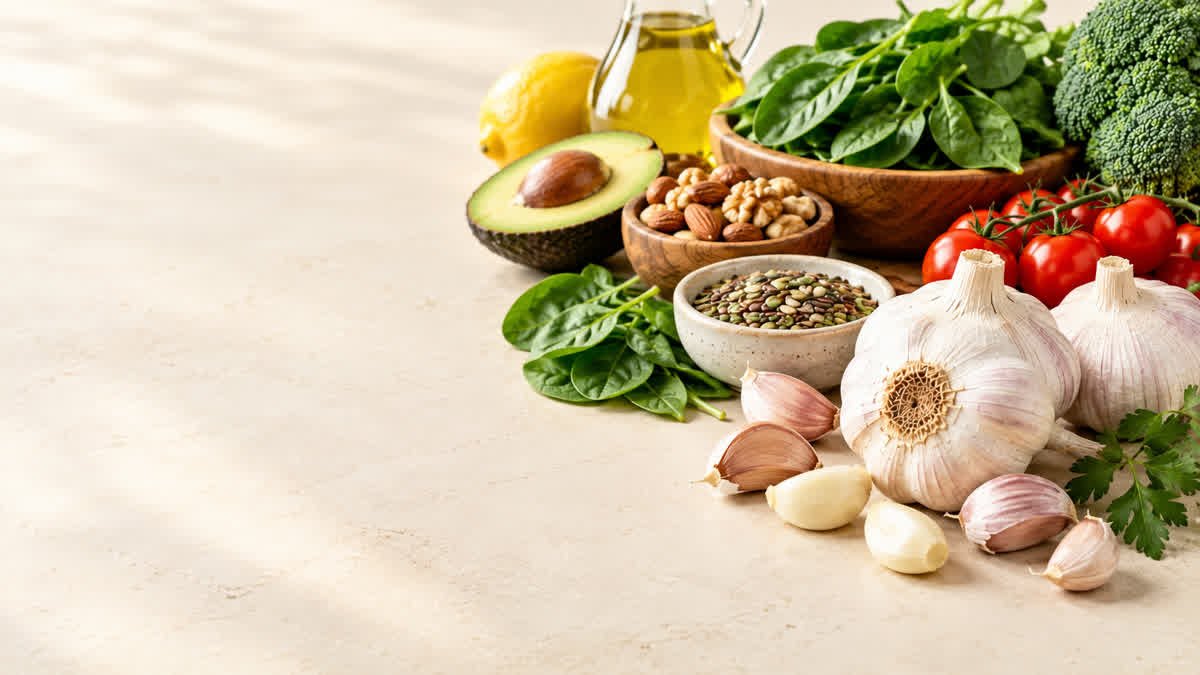

Does garlic lower blood sugar? Possibly, a little, but the answer depends heavily on the form of garlic. Some clinical trials of garlic supplements report modest improvements in fasting blood glucose and HbA1c, while evidence for garlic eaten in everyday meals is much more limited.
Garlic is a kitchen staple around the world, and it has also been studied as a dietary supplement. Researchers are interested in its sulfur-containing compounds, including allicin, and how they might affect metabolism. The results so far are encouraging in places, but they are inconsistent across studies and do not make garlic a proven treatment for high blood sugar or diabetes.
This guide explains what blood sugar is, what the research shows, and how raw garlic, cooked garlic, and supplements differ. You will also find practical ways to cook with garlic and important safety information, including medication interactions. The content is general and educational, and it does not replace individualized advice from your healthcare team.
What Is Blood Sugar, and Why Does It Matter?
Blood sugar, or blood glucose, is the sugar circulating in your bloodstream. It comes from the carbohydrates you eat and from glucose your liver releases, and your cells use it for energy. Insulin, a hormone made by the pancreas, helps move glucose from the blood into cells.
When this system does not work well, blood sugar can rise. In insulin resistance, cells respond poorly to insulin, so glucose stays in the blood. Over time, this can lead to prediabetes and type 2 diabetes. The National Institute of Diabetes and Digestive and Kidney Diseases (NIDDK) offers a clear overview of how type 2 diabetes develops.
Two measurements show up often in garlic research:
- Fasting blood glucose is the level of sugar in your blood after several hours without food.
- HbA1c reflects your average blood sugar over roughly the past three months. Our guide to the A1C test explains how it works.
Persistently high blood sugar can damage blood vessels, nerves, kidneys, and eyes, which is why managing it matters. You can learn more about healthy ranges in our articles on blood sugar levels and signs of high blood sugar. No single food controls blood sugar by itself. Overall eating patterns, physical activity, sleep, and medical care all play a part.
Does Garlic Lower Blood Sugar? What Studies Show
Several clinical trials and systematic reviews have looked at garlic supplements and blood sugar. Some report reductions in fasting blood glucose and HbA1c, and the size of the reported effect differs from study to study.
A 2026 systematic review and dose-response meta-analysis of garlic supplementation and glycemic indices pooled 27 randomized controlled trials involving 1,619 adults. It reported modest average reductions in fasting blood glucose and HbA1c, but found no significant effects on insulin or HOMA-IR (a measure of insulin resistance). The authors noted that further high-quality research is needed.
Other reviews point in a similar direction:
- A 2026 meta-analysis in people with type 2 diabetes pooled 8 randomized trials of garlic supplements. It reported lower fasting blood sugar and HbA1c on average, but the results varied greatly between studies (heterogeneity above 96%).
- A 2024 meta-analysis of garlic’s effects on glucose and lipids combined 29 trials with about 1,500 participants who had a range of conditions, including type 2 diabetes, high cholesterol, and obesity. The authors reported reductions in fasting glucose and HbA1c, but limitations included inconsistent garlic dosages and possible publication bias.
- An earlier meta-analysis of randomized controlled trials on garlic intake and fasting blood glucose found lower fasting glucose, but only a few of the trials reported HbA1c, and the authors called for more studies.
- A 2015 systematic review found lower fasting blood sugar but no significant change in HbA1c.
These findings come with important limits. Many trials were small, used different supplement formulations, ran for different lengths of time, and produced inconsistent results. Most also tested supplements, such as powders and extracts, rather than fresh garlic. The National Center for Complementary and Integrative Health (NCCIH) notes that evidence on garlic supplements is limited and mixed for many health uses.
What does this mean for you? Garlic supplements may modestly improve certain blood sugar measures for some people, but the evidence is not conclusive. Whether garlic used in ordinary meals has the same effect is much less clear. Eating raw garlic has not been shown to lower blood glucose immediately, and it should not be used to self-treat high blood sugar.
How Might Garlic Affect Blood Sugar?
Garlic contains alliin, which is converted into allicin when the clove is crushed or chopped. Allicin is unstable and quickly turns into other organosulfur compounds. These substances are among those studied for possible effects on metabolism.
Researchers have explored several ideas. One is that garlic compounds may influence how the body handles glucose or responds to insulin. Another is that their antioxidant and anti-inflammatory activity might play a role in metabolic health. You can read more about related foods in our list of anti-inflammatory foods.
It is important to separate the types of evidence. Much of the mechanism research comes from laboratory and animal studies. Those findings show what might be possible, but they do not prove the same thing happens in people. Human trials are the better guide, and even they have not shown that any specific mechanism explains a blood sugar effect.
Notably, the 2026 dose-response review reported no significant effect on insulin or HOMA-IR. That makes it harder to say that garlic improves insulin sensitivity, even if fasting glucose changed slightly.
Promising early findings do not mean garlic treats diabetes. A small average change in a lab value does not guarantee any benefit for an individual, and it does not show improved long-term outcomes such as fewer complications.
Raw Garlic vs. Cooked Garlic vs. Garlic Supplements
Garlic comes in several forms, and preparation changes its chemistry. Crushing or chopping raw garlic activates an enzyme that forms allicin, while heat can reduce that enzyme’s activity and change the mix of compounds. Aged garlic extract, garlic powder, and concentrated supplements each have different profiles again.
This matters because the supplements used in clinical studies may not act like garlic used in recipes. There is also no established, evidence-based garlic dose for lowering blood sugar. Trials have used many different products and amounts, so it is not possible to translate them into a number of cloves.
| Form | Common use | Evidence limitations | Precautions |
|---|---|---|---|
| Raw garlic | Dressings, dips, finishing dishes | Little reliable evidence of a clinically meaningful effect on blood sugar | Can cause heartburn or stomach upset; do not eat large amounts to self-treat |
| Cooked garlic | Soups, vegetables, beans, fish, and other dishes | Cooking changes compounds; blood sugar effects uncertain | Generally well tolerated in food amounts |
| Garlic powder | Seasoning | Not well studied as a stand-alone food for blood sugar | Check blends for added salt or sugar |
| Aged garlic extract and other supplements | Capsules, tablets, extracts | Most trial evidence; products and doses vary widely | May increase bleeding risk and interact with medicines; talk with a healthcare professional first |
Please do not take large amounts of raw garlic or start supplements to treat high glucose on your own. If your blood sugar is persistently high, you need a medical evaluation, not a kitchen remedy.
Potential Benefits of Garlic Beyond Blood Sugar
Garlic has also been studied for effects on cholesterol and blood pressure. This is relevant because people with diabetes face a higher risk of cardiovascular disease, so managing blood pressure and cholesterol is an important part of care.
Some garlic preparations have shown modest effects on these measures in trials, though results vary and are not conclusive for every claim. The 2024 meta-analysis mentioned above also reported lower total cholesterol and LDL cholesterol on average, along with higher HDL, but no meaningful change in triglycerides.
For more detail, see our articles on garlic and high blood pressure and garlic and high cholesterol, as well as our general overview of the health benefits of garlic. To build a heart-friendly plate, browse our guide to heart-healthy foods.
Keep expectations realistic. Not every possible benefit of garlic is established, and these effects should not distract from the basics of managing blood sugar, blood pressure, and cholesterol with your healthcare team.
How to Eat Garlic as Part of a Blood-Sugar-Friendly Diet
Garlic works best as a flavor booster in balanced meals rather than as a stand-alone strategy. The overall meal matters more than any single ingredient. Here are some practical ideas:
- Stir crushed garlic into sauteed vegetables, such as spinach, broccoli, or green beans.
- Add garlic to lentil soup, bean stews, or chickpea dishes.
- Use garlic to season fish, chicken, tofu, or eggs.
- Blend garlic with lemon juice, herbs, and olive oil for a dressing with no added sugar.
- Mix garlic into plain yogurt for a savory dip with raw vegetables.
A blood-sugar-friendly plate usually includes fiber-rich foods, moderate portions of carbohydrates, protein, and unsaturated fats. Our guides to high-fiber foods for digestive health, the diabetes diet, and the Mediterranean diet offer more guidance. For help with fats, see whether olive oil lowers blood sugar.
Cooking with garlic can add flavor without needing excess salt or sugary sauces. Check labels on packaged marinades and garlic sauces for added sugars and sodium. The American Diabetes Association’s Diabetes Food Hub has recipes and meal-planning tools.
A few sample meals show how this works in practice:
| Meal | Garlic idea |
|---|---|
| Breakfast | Vegetable omelet with garlic-sauteed greens |
| Lunch | Lentil soup with garlic and leafy vegetables |
| Dinner | Baked salmon with garlic and roasted vegetables |
| Snack | Cucumber slices with garlic yogurt dip |
These meals are examples, not treatments. They will not independently lower blood glucose, but they fit a healthy eating pattern. Follow individualized guidance from your diabetes care team or a registered dietitian.
Garlic Side Effects, Supplement Safety, and Medication Interactions
In typical food amounts, garlic is safe for most people. Possible side effects include bad breath, body odor, heartburn, nausea, and digestive upset. These are more likely with larger amounts of raw garlic.
Concentrated supplements require more caution. According to the NCCIH, garlic supplements may increase the risk of bleeding, especially for people who take anticoagulant or antiplatelet medicines. They may also interact with certain other drugs. Tell your healthcare team about any supplements before surgery.
If you take diabetes medication, talk with a qualified healthcare professional before starting concentrated garlic supplements. Concentrated products could in theory add to the effects of glucose-lowering medicines, although ordinary culinary amounts of garlic are not commonly linked to low blood sugar. Do not stop, reduce, or replace prescribed medication with garlic.
Seek medical advice if your blood sugar stays high or if you notice symptoms of abnormal blood sugar, such as extreme thirst, frequent urination, shakiness, sweating, or confusion. If you have symptoms of very low or very high blood sugar and feel seriously unwell, call 911.
Frequently Asked Questions About Garlic and Blood Sugar
Does garlic lower blood sugar immediately?
There is no reliable evidence that eating garlic lowers blood sugar right away. Clinical trials measure changes over weeks or months, and they mostly test supplements. A meal containing garlic should not be expected to produce an immediate drop.
Is raw garlic good for people with diabetes?
Most people can include raw garlic in meals if they tolerate it. However, raw garlic can cause heartburn or stomach upset, and there is not enough evidence that it offers a special diabetes benefit. It should not replace treatment or a diabetes care plan.
Can garlic lower fasting blood sugar?
Some reviews of garlic supplements report modest reductions in fasting blood glucose, including a 2026 meta-analysis. Results vary between studies, and the findings do not show the same effect for garlic eaten in food.
How much garlic should I eat each day?
There is no established daily amount of garlic for lowering blood sugar. You can use garlic according to your taste and tolerance in normal cooking amounts. Do not assume that eating more will work better, and avoid forcing large amounts of raw garlic.
Can garlic supplements replace diabetes medication?
No. Garlic supplements are not a substitute for metformin, insulin, or other prescribed treatment. Any change to your medication should be made only with guidance from your prescribing healthcare professional.
Can garlic cause low blood sugar when taken with diabetes medicine?
It is not well established. Culinary amounts of garlic are not commonly linked to hypoglycemia, but concentrated supplements could theoretically add to the effect of glucose-lowering medicines. Ask your healthcare professional before using supplements, and know the signs of low blood sugar.
Is cooked garlic still healthy?
Yes. Cooked garlic adds flavor to vegetables, beans, and protein foods and can fit into a balanced diet. Cooking changes some of garlic’s compounds, but it remains a nutritious cooking ingredient. It is not a proven way to control blood glucose.
Does garlic help prevent type 2 diabetes?
There is no reliable evidence that garlic prevents type 2 diabetes. Lifestyle factors such as healthy eating, regular activity, and maintaining a healthy weight are better supported, as covered in our guide on how to prevent diabetes.
Conclusion: Should You Eat Garlic to Lower Blood Sugar?
Garlic is a useful ingredient in a balanced diet, but it is not a proven stand-alone treatment for high blood sugar. The evidence on garlic supplements is limited but promising, with some reviews showing modest reductions in fasting glucose and HbA1c. The effects of garlic used in everyday meals are much less clear.
The practical recommendation is simple. Enjoy garlic for its flavor, follow an individualized diabetes care plan, and talk with a healthcare professional before using supplements, especially if you take medication.
Sources
- National Center for Complementary and Integrative Health. Garlic: Usefulness and Safety.
- Effects of garlic supplementation on glycemic indices in adults: a systematic review and dose-response meta-analysis (2026). PubMed.
- The Therapeutic Effect of Garlic Supplements on the Metabolic Profile of Patients With Type 2 Diabetes: A Systematic Review and Meta-Analysis of Randomized Clinical Trials. Nutrition and Metabolic Insights (2026).
- Effects of Garlic on Glucose Parameters and Lipid Profile: A Systematic Review and Meta-Analysis on Randomized Controlled Trials. Nutrients (2024).
- Garlic intake lowers fasting blood glucose: meta-analysis of randomized controlled trials. PubMed.
- The effect of garlic intake on glycemic control in humans: a systematic review and meta-analysis. Progress in Nutrition (2015).
- National Institute of Diabetes and Digestive and Kidney Diseases. Type 2 Diabetes.
- American Diabetes Association. Diabetes Food Hub.
Medical Disclaimer
This article is for general educational purposes only and is not medical advice. It does not diagnose, treat, or prevent any condition, and it cannot replace guidance from a qualified healthcare professional who knows your health history. Talk with your doctor, pharmacist, or diabetes care team before changing your diet, starting garlic supplements, or changing any medication, especially if you take insulin, blood thinners, or other medicines. If you have symptoms of very low or very high blood sugar and feel seriously unwell, call 911 right away.