
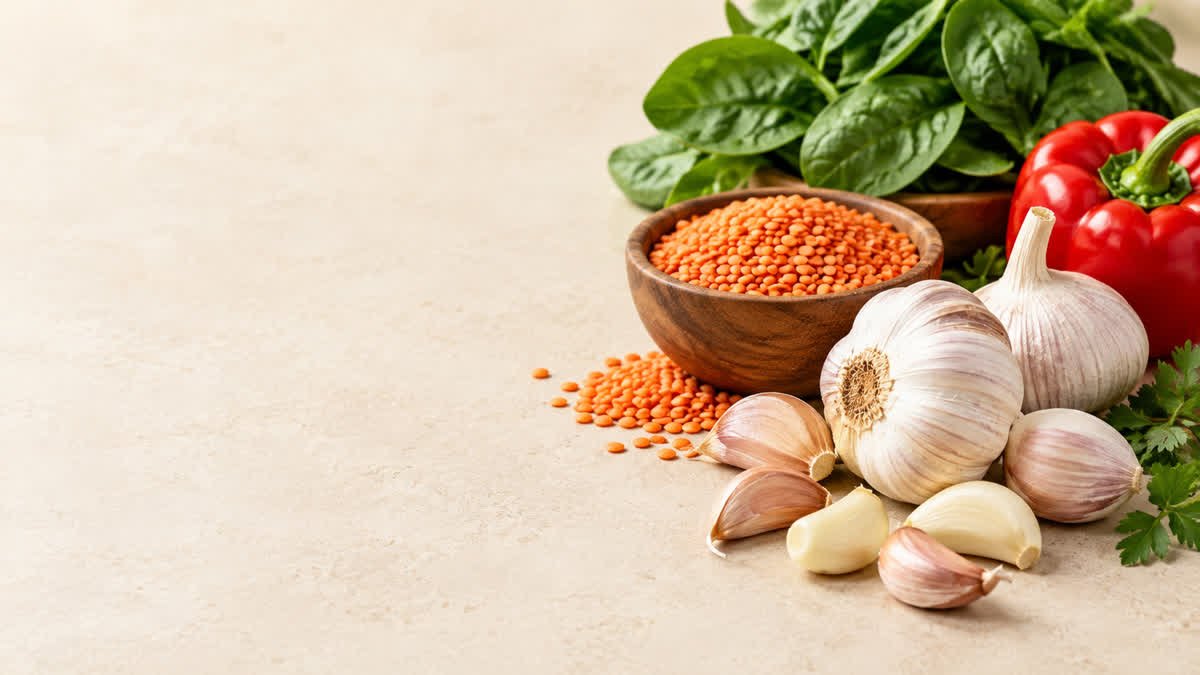

Garlic adds flavor to countless meals, and it contains plant compounds that researchers continue to study. So it is natural to wonder whether garlic could help with iron deficiency. The short answer is that garlic can be part of a balanced diet, but it is not a meaningful source of iron and it is not a proven treatment for iron-deficiency anemia.
Iron matters because your body uses it to make hemoglobin, the protein in red blood cells that carries oxygen. When iron runs low, you may feel tired, weak, or short of breath. Some people hope that a common kitchen ingredient can correct this, but low iron usually calls for a more targeted approach.
This guide explains what iron deficiency is, how much iron garlic actually contains, and what the limited research says about garlic and iron absorption. You will also find better food sources, practical ways to absorb more iron, and signs that it is time to see a healthcare professional. The information is general and educational, and it does not replace individualized medical advice.
What Is Iron Deficiency?
Iron is an essential mineral. According to the NIH Office of Dietary Supplements, your body needs iron to make hemoglobin and myoglobin, which carry oxygen to your tissues and muscles, and to support growth and development.
Iron deficiency means your body does not have enough iron. Iron-deficiency anemia is a later and more serious stage, in which low iron leads to fewer healthy red blood cells. The National Heart, Lung, and Blood Institute (NHLBI) describes iron-deficiency anemia as a common type of anemia that can develop gradually.
Signs of iron deficiency can include:
- Fatigue and weakness
- Dizziness or lightheadedness
- Headaches
- Shortness of breath during activity
- Reduced ability to exercise
These symptoms are not specific to low iron. Fatigue, for example, has many possible causes, so feeling tired does not automatically mean you are iron deficient. Our article on what causes fatigue covers other possibilities.
Common causes of low iron include not getting enough iron from food, heavy menstrual bleeding, pregnancy, blood loss, and conditions that affect how the body absorbs iron. Healthcare professionals usually check iron status with blood tests, such as a complete blood count and a ferritin level, which reflects stored iron. Do not try to diagnose yourself; testing is the only reliable way to know.
Is Garlic Good for Iron Deficiency?
Garlic is a nutritious culinary ingredient, but it is not a concentrated source of iron. There is also not enough clinical evidence to recommend garlic for treating iron deficiency or anemia. No reliable human trials show that eating garlic raises iron levels or hemoglobin.
It helps to separate garlic’s general reputation from what has actually been studied. Research on garlic has focused mostly on areas such as blood pressure and cholesterol, and even there, results often come from supplements. You can read more in our article on the health benefits of garlic, and the National Center for Complementary and Integrative Health (NCCIH) offers a balanced overview of what is and is not known.
Eating garlic alongside iron-rich meals does not guarantee better iron absorption. How much iron your body takes in depends on the type of iron, the rest of the meal, and your own iron status.
People with confirmed iron deficiency may need changes in diet, iron supplements, or treatment for the underlying cause. Garlic can still be enjoyed for flavor and variety, and it can fit into a balanced diet. It just should not be the central strategy for raising iron.
Does Garlic Contain Iron?
Technically, yes. Garlic contains small amounts of several nutrients, including a little iron. You can check exact values in the USDA FoodData Central database.
But typical portions are tiny. A clove of garlic weighs only a few grams, so it contributes very little iron to your day. For comparison, the NIH Office of Dietary Supplements lists recommended intakes of 8 mg per day for adult men and 18 mg per day for women ages 19 to 50. Needs are higher during pregnancy and vary with age and other factors.
Because garlic is eaten in small quantities, it should not be counted on to meet those needs. The table below shows how garlic compares with other foods and nutrients in a meal.
| Food | Why it matters |
|---|---|
| Garlic | Useful for flavor; not a major iron source |
| Lentils and beans | Provide non-heme iron |
| Meat and seafood | Provide heme iron in many varieties |
| Iron-fortified cereals | Can provide substantial amounts of iron |
| Vitamin C-rich fruits and vegetables | Help the body absorb non-heme iron |
If you want a fuller list of better options, see our guide to iron-rich foods.
Can Garlic Affect Iron Absorption?
A food’s iron content and the amount your body absorbs are two different things. Absorption depends on the form of iron and on what else is in your meal.
There are two forms of dietary iron. Heme iron comes from animal foods such as meat, poultry, and fish, and it is absorbed more readily. Non-heme iron comes from plant foods and fortified products, and it is absorbed less efficiently. The NIH Office of Dietary Supplements notes that vitamin C can improve non-heme iron absorption, while compounds in some foods and drinks can reduce it.
What about garlic specifically? Research is limited. One laboratory study on the inhibitory effects of spices and herbs on iron availability used simulated digestion and found that garlic and several other spices reduced iron availability in a rice meal.
This finding should be kept in perspective. It does not show that ordinary garlic consumption causes iron deficiency in people, and it cannot tell us the long-term effects of eating garlic as part of a varied diet. Laboratory digestion models do not fully reflect real meals, real portions, or real people.
In everyday eating, it is not possible to say that garlic either meaningfully increases or blocks iron absorption. The overall meal, food quantities, and a person’s iron status all matter. If you have low iron, you do not need to avoid garlic, but you also should not rely on it.
Best Foods to Improve Iron Levels
Since garlic is not a dependable iron source, it makes sense to focus on foods that are. No single food can resolve established iron deficiency, but a varied pattern of iron-containing foods helps.
Animal sources. Lean beef, poultry, fish, and shellfish provide heme iron, which the body absorbs more easily.
Plant sources. Lentils, beans, chickpeas, tofu, and pumpkin seeds contain non-heme iron. Plant-based eaters may need to pay extra attention, because the NIH Office of Dietary Supplements notes that vegetarians may need more dietary iron than people who eat meat, due to lower absorption.
Fortified foods. Iron-fortified breakfast cereals and breads can provide substantial amounts. Check the nutrition label to see how much a serving provides.
Vegetables. Spinach and other dark leafy greens contain iron, although the amount absorbed can vary. Our guide to the health benefits of leafy green vegetables explains more about their other nutrients.
Here are a few simple meal ideas that combine iron sources with helpful partners:
- Lentil curry with tomatoes and a squeeze of lemon
- Chickpea salad with bell peppers
- Iron-fortified cereal topped with strawberries or orange segments
- Beans or tofu served with broccoli or other vegetables rich in vitamin C
Garlic can absolutely be part of these dishes. It simply adds flavor, not iron. For more everyday choices, browse our list of healthy foods and our overview of vitamin B12 benefits and food sources, since B12 deficiency is another cause of anemia.
How to Help Your Body Absorb Iron
A few simple habits can help your body make better use of the iron you eat. These are general tips, and they work alongside medical care rather than replacing it.
- Pair plant-based iron with vitamin C. Beans with tomatoes, lentils with lemon juice, or tofu with bell peppers are easy combinations. Find more ideas in our list of foods high in vitamin C.
- Include varied iron sources. Combine plant sources, fortified foods, and animal foods where they fit your diet.
- Watch the timing of tea and coffee. Compounds in tea and coffee can reduce non-heme iron absorption when consumed with meals. If you have low iron, ask a clinician or dietitian whether meal timing makes sense for you.
- Be aware of calcium. The NIH Office of Dietary Supplements notes that calcium can interfere with iron absorption in some situations. This is not a reason to avoid calcium-rich foods, but you can discuss spacing with your healthcare professional if you take both supplements.
- Follow supplement instructions. Iron supplements can cause side effects such as constipation, nausea, and stomach upset, and the right dose depends on individual circumstances. Keep iron products out of the reach of children, because an overdose can be dangerous.
- Look for the underlying cause. Ongoing blood loss or an absorption problem may require more than dietary adjustments.
Vitamin C and food choices are helpful, but they are not enough to treat every case of iron deficiency. If a clinician has diagnosed low iron, follow their plan.
Symptoms, Causes, and When to Seek Help
Diet alone is not always the answer. Persistent tiredness, weakness, dizziness, headaches, or shortness of breath during activity are reasons to talk with a healthcare professional. You can learn more about related concerns in our guides on dizziness, headaches, and shortness of breath.
Risk factors for low iron include heavy periods, pregnancy, restrictive diets, gastrointestinal conditions, and ongoing blood loss. The NHLBI explains that blood tests help identify low iron and anemia. Conditions that affect digestion can also play a role, so see our overview of common digestive problems if you have ongoing stomach or bowel symptoms.
Unexplained iron deficiency, especially in adults, should be medically evaluated instead of treated with food changes alone. Sometimes low iron is a sign of bleeding somewhere in the body that needs to be found.
Seek urgent medical care for severe shortness of breath, chest pain, fainting, or significant bleeding. Call 911 in an emergency.
Garlic Safety and Important Precautions
In normal food amounts, garlic is generally safe for most people. Raw garlic can cause heartburn, nausea, abdominal discomfort, or other digestive symptoms in some individuals. If garlic seems to trigger reflux for you, our article on garlic and acid reflux may help.
Concentrated garlic supplements are different from garlic used in cooking. According to the NCCIH, garlic supplements may increase bleeding risk, particularly for people who take anticoagulant or antiplatelet medicines. They may also interact with certain other medications.
Talk with a healthcare professional before using garlic supplements, especially before surgery or if you take regular medication. This matters even more if you have anemia, since unexplained bleeding or low iron can be a reason to be extra careful.
Garlic supplements are not a substitute for prescribed iron treatment. Do not take high-dose iron without medical guidance, because too much iron can be harmful.
Frequently Asked Questions About Garlic and Iron Deficiency
Does garlic help with iron deficiency?
Garlic is not a significant source of iron, and it is not a proven treatment for iron deficiency. Iron-rich foods and appropriate medical care matter far more. Garlic can still be enjoyed as part of a varied diet.
Does garlic increase hemoglobin levels?
There is not enough reliable clinical evidence to recommend garlic for raising hemoglobin or treating anemia. Hemoglobin depends on adequate iron and other nutrients, such as vitamin B12 and folate. A healthcare professional can find the cause of low hemoglobin, according to the NHLBI.
Is raw garlic better than cooked garlic for iron deficiency?
Raw and cooked garlic differ in their compounds and flavor, but neither should be relied on to correct low iron levels. Choose whichever you tolerate and enjoy.
Can I eat garlic with iron-rich foods?
Yes. Garlic fits into balanced meals, but it has no established special benefit for iron absorption. Pairing plant-based iron sources with vitamin C is a better-supported strategy, as described by the NIH Office of Dietary Supplements.
Which foods help increase iron levels?
Lentils, beans, tofu, fortified cereals, meat, seafood, and other iron-containing foods can all help. Vitamin C can improve the absorption of non-heme iron. See our iron-rich foods guide for more options.
Can garlic replace iron supplements?
No. People with diagnosed iron deficiency should follow their clinician’s advice on supplements, dietary changes, and further testing. Never stop or change a prescribed iron treatment because of a food or supplement you read about.
Conclusion
Garlic can be enjoyed as part of a varied diet, but it is not a meaningful source of iron. Current evidence does not establish garlic as a treatment for iron deficiency or anemia, and the limited laboratory research on iron availability is not conclusive in either direction.
Iron-rich foods, vitamin C-containing foods, appropriate testing, and treatment of any underlying cause are more effective approaches. If you have persistent symptoms or confirmed low iron, talk with a healthcare professional. The practical takeaway is simple: keep using garlic for flavor, and build your meals around reliable iron sources.
Sources
- National Institutes of Health, Office of Dietary Supplements. Iron: Health Professional Fact Sheet.
- National Heart, Lung, and Blood Institute. Iron-Deficiency Anemia.
- National Center for Complementary and Integrative Health. Garlic: Usefulness and Safety.
- Inhibitory effects of spices and herbs on iron availability. PubMed.
- U.S. Department of Agriculture. FoodData Central.
Medical Disclaimer
This article is for general educational purposes only and is not medical advice. It does not diagnose, treat, or prevent any condition, and it cannot replace guidance from a qualified healthcare professional who knows your health history. If you think you may have low iron or anemia, talk with your doctor about testing and treatment before starting supplements. If you have chest pain, fainting, severe shortness of breath, or significant bleeding, call 911 right away.