
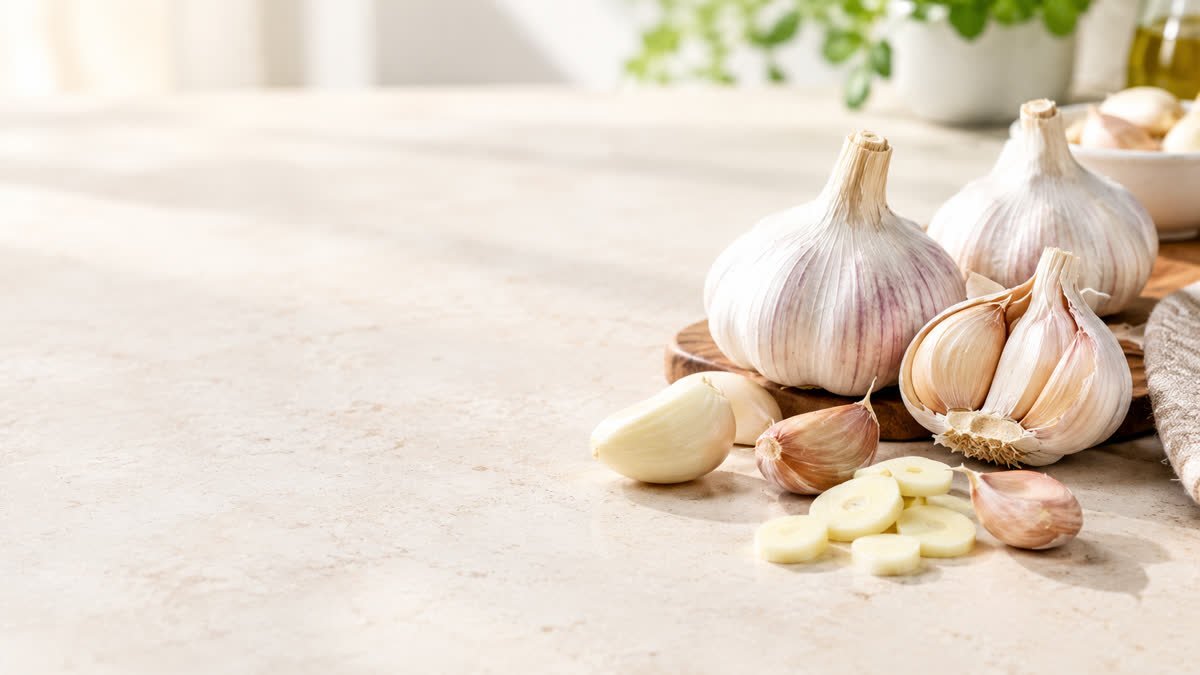

You love garlic in almost everything, from pasta sauce to roasted vegetables. Then you notice a burning feeling in your chest after dinner and wonder whether garlic is to blame. It is a fair question, and the answer is not the same for everyone.
Garlic is not a proven treatment for acid reflux, and it can trigger or worsen heartburn in some people. Some hospital dietary guidance, including advice from Cambridge University Hospitals, lists garlic among foods that may worsen symptoms. Many people with reflux still eat it without any trouble, so garlic is a potential trigger rather than a universal one.
This article explains how garlic may affect digestion, what the evidence does and does not show, and how raw, cooked, and supplement forms differ. You will also find practical ways to cook with less garlic, better-supported strategies for managing reflux, and warning signs that call for medical care.
What Is Garlic, and How Does It Affect Digestion?
Garlic is a bulb in the allium family, alongside onions, leeks, shallots, and chives. Cooks around the world use it to add depth and flavor to savory dishes, from stir-fries and soups to marinades and roasted vegetables. It is low in calories and is usually eaten in small amounts, so it adds little nutrition on its own.
Garlic contains sulfur-containing compounds, which are responsible for its sharp smell and bite. When you crush or chop a clove, these compounds change and become stronger. Heating garlic changes them again, which is one reason raw and cooked garlic taste so different.
Researchers have studied garlic for several possible health effects. The key point here is narrower: general nutritional properties do not show that garlic can prevent or treat acid reflux. Studying a food in the lab or for another condition is different from testing whether it relieves reflux symptoms in people.
Garlic comes in many forms, and each one delivers a different amount of those compounds. Fresh cloves, jarred minced garlic, garlic powder, granulated garlic, and garlic salt are all common. It also hides in packaged foods such as pasta sauces, soups, dressings, seasoning blends, and marinades, so you may eat more of it than you realize.
It helps to remember what reflux is. Acid reflux happens when stomach contents flow back up into the esophagus, which can cause a burning feeling in the chest or a sour taste in the throat. Occasional heartburn is common, while GERD is a more persistent condition that may need medical care. Our guide to acid reflux risk factors covers what makes it more likely.
Some individuals notice heartburn, nausea, or stomach discomfort after eating garlic. It has not been shown that garlic increases stomach acid production or directly causes gastroesophageal reflux disease (GERD). How you respond depends on the quantity, the preparation, the rest of the meal, and your own sensitivity.
Is Garlic Good for Acid Reflux?
The clearest answer is that garlic is a food ingredient, not an established acid reflux remedy. It can be part of a balanced diet, but nothing in current clinical guidance recommends it for reflux relief. Your own symptom pattern is the best guide.
What Does the Evidence Say?
There is not enough evidence to recommend garlic as a treatment for acid reflux or GERD. We did not find clinical trials showing that eating garlic reduces reflux symptoms, and it is not part of major GERD treatment guidelines. The American College of Gastroenterology (ACG) guideline emphasizes approaches such as weight loss when appropriate, raising the head of the bed for nighttime symptoms, and medication when needed.
Research into garlic’s other properties should not be confused with proof that it helps reflux. Studies of garlic have mostly focused on other topics, such as cardiovascular risk factors, and not on whether it relieves heartburn. A compound that shows promise in a laboratory does not necessarily improve symptoms when a person eats the whole food.
Online advice can also be confusing because the same food is sometimes described as both a remedy and a trigger. When the evidence is this limited, personal experience and guidance from your healthcare team carry more weight than a single claim you read on a wellness site.
Can Garlic Provide Any Relief?
You may see claims that garlic aids digestion or soothes the stomach. No established evidence shows that eating garlic neutralizes stomach acid, strengthens the lower esophageal sphincter (the valve between the esophagus and stomach), or heals damage caused by reflux. Anyone who feels better after a garlicky meal may be reacting to something else, since symptoms vary from day to day.
It is also worth being cautious about home remedies that involve swallowing raw cloves or large amounts of garlic to “settle” the stomach. These practices are not supported by clinical evidence, and concentrated garlic may irritate the throat and stomach in some people. If you have heartburn often, a proper plan from a healthcare professional is a safer starting point than a kitchen remedy.
Why Does Garlic Affect People Differently?
Individual sensitivity, quantity, preparation, and meal composition all play a role. One person may enjoy a small amount of cooked garlic in a vegetable dish with no symptoms. Another may feel burning after raw garlic or a garlic-heavy meal.
Stress, sleep, hormones, and other medicines can also change how sensitive your digestive system feels from one week to the next. A food that bothered you during a stressful month may be fine later, and the reverse can happen too. Because responses differ so much, blanket rules are hard to justify. The NIDDK notes that people react differently to foods and suggests talking with a doctor about foods that seem to worsen symptoms.
Should You Stop Eating Garlic Completely?
Not automatically. If garlic consistently brings on symptoms for you, reducing or avoiding it is reasonable. If you tolerate it well, there is no universal requirement for every person with GERD to eliminate it.
The takeaway is to let your own experience guide you. Unnecessary food restrictions can make eating less enjoyable and may reduce variety in your diet.
If you decide to test a break from garlic, give it a fair trial. Many people try cutting out several foods at once, then cannot tell what helped. A better approach is to remove garlic for a week or two while keeping everything else steady, then reintroduce a small amount and watch for symptoms. Share the results with your clinician if reflux continues, since they can help you interpret what you find.
Can Garlic Make Acid Reflux Worse?
For some people, yes. Even so, the science behind food triggers is limited, and responses vary widely. Treat garlic as a possible trigger to test, not as a certain cause of reflux.
Garlic as a Potential Food Trigger
The Cambridge University Hospitals guidance lists garlic and foods containing garlic, along with onion, among foods that may worsen symptoms. That guidance does not cite studies for its food list, which reflects a wider reality: evidence supporting blanket food restrictions is limited. A food on a trigger list will not bother everyone, and a food that is not on the list can still bother you.
For more on what raises the likelihood of reflux in general, see our article on acid reflux risk factors.
Why Garlic May Bother Some People
Researchers have not pinned down exactly why garlic bothers some people with reflux, so the following ideas are possibilities, not proven mechanisms. Garlic’s sulfur compounds are strong and may irritate a sensitive digestive tract. Garlic is also rich in fructans, a type of carbohydrate that some people digest poorly, which can lead to gas, bloating, and belching.
Bloating and belching can feel similar to reflux discomfort, and they can also push on a full stomach. That overlap may explain why some people blame garlic for heartburn that has a different cause. If gas and bloating are your main complaints, a dietitian can help you sort out which problem you are dealing with.
Raw Garlic and Digestive Discomfort
Raw garlic has a strong flavor and delivers its compounds in a concentrated form. Some people notice burning, belching, or stomach upset after eating it, for example in homemade dressings, dips, or raw cloves. That does not mean raw garlic inevitably causes reflux, and many people eat it without problems.
Garlic in High-Fat or Spicy Meals
Garlic rarely travels alone. A garlic-rich meal might also include chili, fried ingredients, butter, cream, or large portions. Each of these can contribute to symptoms, which makes it hard to know which ingredient to blame.
A serving of garlic bread, for instance, usually adds butter or oil, white bread, and a heavy pasta dish to the plate. The total fat and meal size may matter more than the garlic itself.
Onion often appears alongside garlic in recipes, and the Cambridge guidance lists it as a possible trigger too. If you remove garlic but keep the onion, you may not notice any improvement, and you could wrongly conclude that garlic was never the issue. Testing one ingredient at a time, while keeping the rest of the meal the same, gives a clearer answer.
How to Identify Your Trigger
Track your meals and symptoms, then change one suspected trigger at a time. This approach is more reliable than removing many foods at once. A food and symptom diary, described below, makes the process much easier.
Look for patterns across several meals, not a single bad night. If garlic is involved, you will probably see symptoms follow garlic-heavy dishes again and again, even when the rest of the meal changes. If symptoms show up with or without garlic, the cause is likely elsewhere.
Raw Garlic vs. Cooked Garlic for Acid Reflux
Cooking changes garlic’s chemistry, flavor, and texture. It is tempting to assume that cooked garlic is always gentler, but the evidence is thin. The table below summarizes how common forms compare, and tolerance remains individual.
| Garlic preparation | What to know |
|---|---|
| Raw garlic | Strong flavor; may be less well tolerated by some people |
| Lightly cooked garlic | May be easier for some people to tolerate, but not guaranteed to prevent symptoms |
| Roasted garlic | Often milder with a softer texture; individual tolerance still varies |
| Garlic powder | Convenient and concentrated by weight; portion size and personal sensitivity matter |
| Garlic supplements | Not an established reflux treatment; may cause side effects or interact with medicines |
There is insufficient evidence to conclude that cooked or roasted garlic is universally safer for people with GERD. Also, no fixed “safe” amount exists, and no preparation has been shown to treat reflux.
Garlic powder deserves a note. A small pinch is easy to add and may seem harmless, but powders and granules are concentrated, and they appear in many seasoning mixes and prepared foods. Checking ingredient labels can help you spot garlic you did not intend to eat, especially when you are tracking triggers.
Roasting is often described as the gentlest approach because the cloves turn soft, sweet, and mellow. That change in flavor is real, yet your digestive response may not follow it. A single roasted clove spread on vegetables is a modest test; a whole bulb on a plate of rich food is not.
If raw garlic bothers you, trying a smaller amount of cooked garlic may be reasonable, as long as you tolerate it. Think of this as a tolerance experiment rather than a medical intervention.
Here is how a simple experiment might look. Cook one clove, finely minced, into a vegetable and rice dish that is otherwise low in fat and not spicy. Eat a normal portion at a time well before bed, and write down how you feel over the next few hours. If you feel fine, you can try a little more another day; if symptoms return, you have useful information about your limit.
Potential Benefits and Risks of Garlic
Garlic can be a useful culinary ingredient, but its general benefits should be kept separate from claims about reflux. Supplements raise a different set of safety questions than food does.
General Nutritional Benefits
Garlic adds flavor to meals, which can help people cook at home with less salt or fewer sauces. It also contains sulfur-containing compounds that have been studied for potential health effects. These properties are interesting, but they do not prove that garlic relieves acid reflux.
Flavor itself has value. Seasoning that makes vegetables, beans, whole grains, and lean proteins more appealing can support healthier everyday eating, which matters for overall health. For more on building meals that work for you, see our guide to a balanced diet. If garlic is a trigger for you, though, flavor from other sources can do the same job.
Possible Side Effects
Garlic can cause side effects in some people, particularly in larger amounts or concentrated forms. These include:
- Heartburn or reflux symptoms in susceptible individuals
- Nausea and digestive discomfort
- Bad breath and body odor
The National Center for Complementary and Integrative Health (NCCIH) notes that garlic supplements may cause breath and body odor, heartburn, and upset stomach, and that these effects can be more noticeable with raw garlic. NCCIH also advises that garlic supplements may increase the risk of bleeding and may interfere with the effectiveness of some medicines.
Normal cooking use and concentrated supplements are not equivalent. If you take anticoagulant or antiplatelet medicine, take other regular medication, or are preparing for surgery, ask a healthcare professional before using garlic supplements.
Why Supplements Need Extra Caution
Garlic capsules, tablets, and extracts contain far more concentrated material than the garlic in a meal, and dietary supplements are not reviewed the way prescription medicines are. Products also vary in strength and preparation from brand to brand. Because reflux symptoms can overlap with other conditions, using a supplement to self-treat heartburn may also delay a proper diagnosis.
If you want to try a supplement for any reason, bring the bottle to your pharmacist or clinician so they can check it against your medicines and health history.
How to Eat Garlic If You Have Acid Reflux
The goal is a sustainable way of eating that minimizes symptoms without unnecessary restrictions. These practical steps can help you enjoy garlic, or replace it, in a way that suits you.
Start With Smaller Amounts
If larger quantities seem to trigger symptoms, try using less garlic in recipes. A single small clove, spread through a whole dish, is very different from several cloves in one serving. There is no universally safe amount for everyone with reflux, so adjust according to how you feel.
Pay attention to how garlic is added, too. Garlic stirred into a dish at the start of cooking spreads through the whole meal, while garlic added raw at the end sits on the surface in concentrated bites. Smaller, gentler additions give you more control, and they let you taste the difference between a little and a lot. If a recipe calls for several cloves, you can often halve the amount and still get a pleasant result.
Try Different Cooking Methods
If you notice discomfort after raw garlic, you might try a small amount of cooked garlic instead. Sauteing gently, simmering in a sauce, or roasting until soft are options. This is a tolerance strategy and not a proven medical treatment, so pay attention to your response.
Use Flavorful Alternatives
If garlic is a clear trigger, many herbs and seasonings can add flavor. Common options include:
- Parsley
- Basil
- Thyme
- Oregano
- Chives, if tolerated
Not every alternative is safe for every person. Onion and other allium vegetables may also trigger symptoms in some individuals, and spicy seasonings are a common trigger.
Choose Balanced Meals
A simple example could include lightly seasoned vegetables, rice, lean fish or chicken, and a modest amount of cooking oil. This is an illustration, not a rigid prescription, and you can adapt it to your cultural food preferences and personal triggers. A large, fatty, or spicy meal can be more problematic than garlic alone for some readers.
For a day of eating, you might have oatmeal with fruit for breakfast, a grain bowl with roasted vegetables and chicken for lunch, and baked fish with rice and steamed greens for an early dinner. Season with herbs, a squeeze of a mild flavoring you tolerate, or a small pinch of cooked garlic if it agrees with you. Notice how you feel after each meal, and adjust one element at a time.
Plan Ahead for Restaurants and Packaged Foods
Garlic is built into many restaurant dishes, so you may not control the amount. Ask how a dish is prepared, request sauces on the side, or choose simpler options such as grilled fish or chicken with steamed vegetables. At home, a quick look at the ingredient list on sauces, broths, and seasoning blends can reveal garlic powder or granulated garlic.
If you cook in batches, you can make a base sauce without garlic and add a small amount to individual portions. That way, you can adjust the dish for yourself without changing it for everyone else at the table.
Build a Simple Flavor Plan
If you are cutting back on garlic, think about where flavor comes from besides the allium family. Fresh herbs stirred in at the end of cooking keep their brightness, while dried herbs work well in longer-simmered dishes. Toasting seeds or spices you already tolerate, or finishing a dish with a little salt and a mild fat, can also make a meal taste more complete.
Try one change per week rather than rewriting every recipe at once. Keeping a short list of dishes that work for you makes weeknight cooking easier, and it reduces the temptation to give up on cooking at home.
Keep a Food and Symptom Diary
Write down the meal, the approximate amount of garlic, how it was prepared, when symptoms began, and how severe they were. Keep this up for one to two weeks. When a possible pattern appears, reduce the suspected trigger and see whether symptoms improve.
Better Ways to Manage Acid Reflux
Individual foods matter less than overall habits for many people. The following strategies are better supported by clinical guidance than any single ingredient. Our guide to managing acid reflux at home offers more detail.
Adjust Meal Timing
The NIDDK suggests that eating at least three hours before you lie down or go to bed may improve symptoms. The Cambridge University Hospitals guidance similarly suggests an evening meal three to four hours before bed. If nighttime reflux bothers you, finishing dinner earlier is a simple place to start. Lying down with a full stomach makes it easier for stomach contents to travel upward, so a short, gentle walk or some time sitting upright after eating may feel better than heading straight to the couch or bed.
Late snacks count too. A small bedtime snack that is high in fat or heavily seasoned can undo the benefit of an early dinner, so it helps to notice what you eat in the evening, not just at the main meal.
Manage Portion Sizes and Food Triggers
Smaller, balanced meals at regular intervals may help, particularly if large meals bring on symptoms. A very full stomach can make reflux more likely, so spreading food across the day may feel more comfortable than eating one or two big meals. Common triggers listed by the NIDDK include high-fat foods, chocolate, mint, coffee, alcohol, spicy foods, and acidic foods such as citrus and tomatoes. Not everyone reacts to every one of these, so focus on your own triggers instead of eliminating everything.
Consider Your Weight and Daily Habits
For people who are overweight or have obesity, the NIDDK notes that a doctor may suggest weight loss to reduce reflux symptoms. A healthcare professional or registered dietitian can help you set realistic goals. Limiting alcohol and avoiding tobacco are other habits that clinicians commonly discuss with people who have reflux, and your own triggers may point to additional changes.
Address Nighttime Symptoms
Raising the head of the bed can help people with nighttime reflux. The Cambridge guidance suggests sleeping in a semi-upright position or with the head of the bed raised a few inches. A properly designed wedge or bed elevation is generally preferable to relying on extra pillows alone, which can bend the body at the waist.
Remember That Reflux Has Many Causes
Food is only one piece of the puzzle. Large meals, late-night eating, extra body weight, smoking, certain medicines, pregnancy, and a hiatal hernia can all contribute to reflux. Because so many factors overlap, changing a single ingredient seldom fixes the problem on its own. People usually find that combining several small changes works better than relying on one big fix.
Consider Medical Treatment
Antacids and acid-suppressing medicines may be appropriate depending on how often symptoms occur, how severe they are, and your medical history. Talk with a healthcare professional if symptoms persist or you need over-the-counter medicine often. Our overview of acid reflux treatment options explains what is available.
Know When to See a Healthcare Professional
Reflux is common, but some symptoms should not be handled with food changes alone. Arrange a prompt medical assessment if you have:
- Difficulty or pain when swallowing
- Signs of gastrointestinal bleeding, such as black stools or vomiting blood
- Persistent vomiting
- Unexplained weight loss
- Heartburn that continues despite changes, or that needs over-the-counter medicine most days
Severe or new chest pain, especially with shortness of breath, sweating, or pain spreading to the arm or jaw, needs emergency care. Do not assume it is heartburn; call 911 or your local emergency number. A clinician can explain what an evaluation may involve and whether tests are needed.
Frequently Asked Questions
Is garlic good for acid reflux?
Garlic is not a proven treatment for acid reflux. It can be part of a balanced diet, but some people find that it triggers or worsens heartburn. Whether you need to limit it depends on your tolerance and symptom pattern, as noted in hospital dietary guidance.
Does raw garlic cause acid reflux?
Raw garlic may trigger symptoms in some people, but it does not cause reflux in everyone. Its strong flavor, its concentrated compounds, and the amount you eat can all affect tolerance. If you notice symptoms after raw garlic, try eating less or avoiding it, and track whether cooked garlic feels different.
Is cooked garlic better for acid reflux?
Some people tolerate cooked garlic better than raw, but there is no strong evidence that cooking reliably prevents symptoms. Your response depends on portion size, personal sensitivity, and the other ingredients in the meal. Treat cooked garlic as something to test in small amounts, not as a guaranteed safe swap.
Can garlic supplements help GERD?
Garlic supplements are not an established treatment for GERD. The NCCIH notes that they can cause heartburn and upset stomach, may increase bleeding risk, and may interfere with some medicines. Check with a healthcare professional before using supplements for medicinal purposes.
Should I avoid garlic if I have GERD?
Not necessarily. If garlic consistently triggers your symptoms, reducing or avoiding it may help. If you tolerate it without discomfort, you do not need to eliminate it. A food and symptom diary can help you find your own triggers, and a clinician can advise you if symptoms are frequent.
What can I use instead of garlic in cooking?
Try herbs such as parsley, basil, thyme, or oregano for flavor. Chives may work for some people, though tolerance varies, and they belong to the same plant family as garlic. Choose alternatives based on your symptoms and on the ingredients in the overall meal.
Final Verdict
Garlic is nutritious as a flavoring, but it is not an acid reflux remedy, and it may worsen symptoms in some people. You do not necessarily have to give it up. Smaller amounts, different cooking methods, and a food and symptom diary can help you find your personal tolerance.
Better-supported strategies include eating smaller meals, leaving time between dinner and bedtime, raising the head of the bed for nighttime symptoms, and avoiding the specific foods that bother you. If symptoms keep returning, talk with a healthcare professional rather than relying on home remedies.
Reflux is manageable for most people, and a thoughtful mix of meal habits, personal trigger awareness, and medical guidance when needed usually works better than any single food rule. For day-to-day support, see our article on living with acid reflux.
Sources
- Cambridge University Hospitals NHS Foundation Trust: Dietary and lifestyle advice for adults with gastro-oesophageal reflux disease (GORD)
- National Institute of Diabetes and Digestive and Kidney Diseases: Eating, Diet, & Nutrition for GER & GERD
- American College of Gastroenterology: ACG Clinical Guideline for the Diagnosis and Management of Gastroesophageal Reflux Disease
- National Center for Complementary and Integrative Health: Garlic: Usefulness and Safety
Medical Disclaimer: This article is for general educational purposes only and is not medical advice. It does not diagnose, treat, or prevent any condition, and it cannot replace guidance from a qualified healthcare professional who knows your health history. Talk with your doctor or pharmacist about persistent heartburn, reflux medicines, or garlic supplements, especially if you take blood thinners or other medicine. If you have severe chest pain, trouble breathing, or think you may be having a medical emergency, call 911 or your local emergency number right away.