
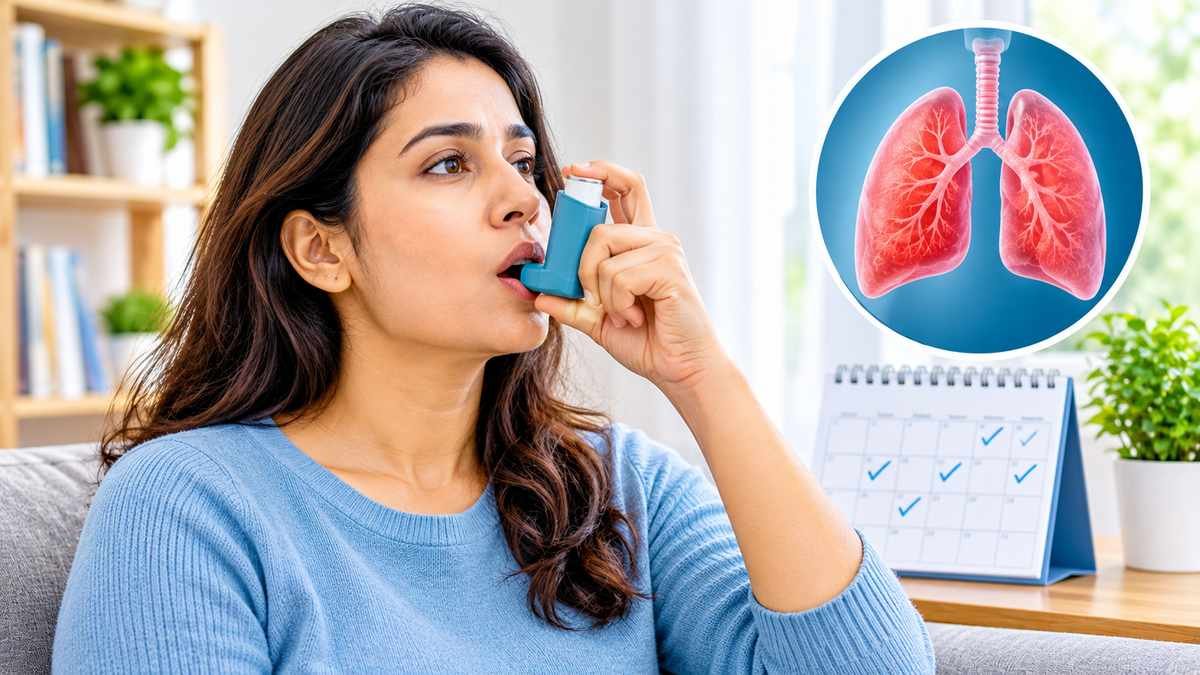

How long does asthma last? The answer depends on what you mean: individual symptoms, an asthma flare-up, or the condition itself. Asthma is generally a long-term respiratory condition, but its symptoms can change a great deal over time.
Some people have occasional flare-ups with long quiet stretches in between. Others have symptoms more often. In some children, asthma becomes much less noticeable with age, although it can return later in life.
This guide explains how long symptoms and flare-ups can last, whether asthma is lifelong, and how childhood and adult asthma differ. It also covers remission, the factors that shape the long-term outlook, and how to manage asthma over time.
Understanding How Long Asthma Can Last
It helps to separate the condition from the symptoms it causes. A cough that clears in a few days is not the same as a chronic disease that stays with you for years.
Is Asthma a Short-Term or Long-Term Condition?
The World Health Organization (WHO) describes asthma as a chronic disease. It says asthma cannot be cured, but proper diagnosis, treatment, and patient education can lead to good control.
Airway inflammation can continue even when you feel fine. Symptoms may be frequent for some people and rare for others, and they can vary in intensity from week to week. So asthma is generally long term, but how it affects you day to day can change.
Why Does Asthma Affect People Differently?
No two people have exactly the same course. Several things contribute:
- Differences in airway sensitivity.
- Genetic and environmental influences.
- Differences in asthma severity.
- Exposure to allergens and irritants.
- Response to prescribed treatment.
Asthma is a variable disease, meaning its course can shift over time and from person to person. For background on how common it is, see our guide to how common asthma is.
How Long Do Asthma Symptoms Last?
There is no single answer. Duration depends on triggers, severity, and how well asthma is controlled.
Occasional Asthma Symptoms
Some people notice symptoms only when they meet a specific trigger, such as pollen, smoke, or a cold. Symptoms may ease once the exposure ends and the person follows their treatment plan.
Occasional symptoms do not mean the underlying asthma has gone away. The airways may stay sensitive even when you feel well for weeks or months.
Persistent Asthma Symptoms
Other people have recurring cough, wheezing, chest tightness, and breathlessness. Ongoing airway inflammation can contribute to repeated symptoms.
If symptoms become frequent, a medical review is important. It can show whether your treatment needs adjusting. Our guide to how asthma is diagnosed explains how clinicians evaluate breathing symptoms.
Symptom-Free Periods
Many people have stretches when breathing feels normal. These can follow a seasonal pattern, or they may depend on how much trigger exposure you have.
A symptom-free period does not necessarily mean asthma has been cured. Symptoms can return when triggers reappear or life circumstances change.
How Long Does an Asthma Attack or Flare-Up Last?
People often search for this question, but the honest answer is that it varies.
Understanding an Asthma Flare-Up
A flare-up, also called an exacerbation, happens when symptoms become much worse than usual. You may notice:
- More coughing.
- Wheezing.
- Chest tightness.
- Shortness of breath.
- Trouble doing normal activities.
How Long Can an Asthma Flare-Up Continue?
There is no universal recovery timeline. How long a flare-up lasts depends on its severity and your individual circumstances.
- Some episodes improve fairly quickly with appropriate treatment.
- More significant flare-ups can last longer and need medical assessment.
- Symptoms may return if the underlying inflammation and triggers are not addressed.
Because timing differs so much, do not rely on waiting to see how long an episode lasts. Follow your written asthma action plan instead.
What Can Affect Recovery Time?
Several factors can shape how quickly a flare-up settles:
- How severe the flare-up is.
- Whether you are still exposed to triggers.
- How well your asthma was controlled beforehand.
- Whether you have a respiratory infection.
- Whether you are following your prescribed treatment.
- Your individual response to treatment.
When Is an Asthma Flare-Up an Emergency?
Get emergency help right away for severe breathing difficulty, trouble speaking because of breathlessness, or blue or gray lips. Also seek help for confusion or unusual drowsiness, or if symptoms keep worsening despite your prescribed emergency treatment.
The Centers for Disease Control and Prevention (CDC) lists trouble walking or talking because of shortness of breath, and blue, pale, or gray lips or fingernails, as danger signs. Call 911 or your local emergency number. Do not wait for an attack to pass, and do not rely on home remedies in an emergency. For everyday steps, see our guide on how to manage asthma at home.
Is Asthma a Lifelong Condition?
Asthma is generally considered chronic, but “chronic” does not mean “always severe.” Symptoms and activity can change a lot over a lifetime.
Why Asthma Can Last for Many Years
Several things help explain why asthma often persists:
- Underlying airway inflammation.
- Airway sensitivity to certain triggers.
- Genetic predisposition.
- Ongoing respiratory symptoms in some people.
You can read about what raises the likelihood of ongoing asthma in our guide to asthma risk factors.
Can Asthma Become Less Severe Over Time?
Yes, for many people. Asthma can improve in several ways:
- Symptoms may become less frequent.
- Appropriate treatment can improve control.
- Changes in exposure to triggers can help.
- Some people have periods of remission.
Understanding Asthma Remission
Remission is a medical term with several meanings, and definitions vary between studies and clinical settings. The Global Initiative for Asthma (GINA) and the European Respiratory Society (ERS) both discuss it.
- Clinical remission: No noticeable symptoms or flare-ups for a sustained period.
- Remission on treatment: Clinical remission that continues while a person takes prescribed medication.
- Remission off treatment: Clinical remission without ongoing treatment.
- Complete remission: A deeper level that may involve objective measures such as lung function and airway sensitivity.
Remission does not necessarily mean a permanent cure. Asthma can return even after a long symptom-free period, which is why monitoring still matters.
How Long Does Childhood Asthma Last Compared With Adult Asthma?
Asthma can begin at different ages and follow different paths.
Childhood Asthma
Asthma often starts in childhood. Some children have fewer symptoms as they grow, while others keep having symptoms into adulthood. Wheezing in early childhood does not always mean a child will have persistent asthma, since many young children wheeze with colds and later stop.
Regular medical monitoring remains important either way. The American Academy of Pediatrics (AAP) notes that asthma can become “quiet” in childhood but may become more active again later.
Can Children Grow Out of Asthma?
Some do experience remission, especially during adolescence. Symptoms may disappear for years. But underlying airway sensitivity may remain, and symptoms can come back in adulthood.
Not every child will outgrow asthma, and no one can promise that outcome. Parents should never stop a child’s prescribed treatment without medical advice.
Adult-Onset Asthma
Asthma can start for the first time in adulthood, even in people with no breathing problems as children. Possible contributors include allergies, workplace exposures, respiratory irritants, and other risk factors.
Some adults have persistent symptoms. Asthma management may need review as health circumstances change.
Does Asthma Duration Differ Between Children and Adults?
There is no fixed timeline for either group. Childhood asthma is more likely to enter remission in some people, while adult-onset asthma may follow a different course. GINA highlights that remission is possible but recurrence remains a consideration, so continued monitoring matters.
What Factors Affect How Long Asthma Lasts?
Many things influence symptoms, flare-ups, and long-term outcomes. No single factor decides whether asthma will fade.
1. Genetics and Family History
A family history of asthma or allergic conditions can raise the likelihood of ongoing asthma. Inherited differences in airway sensitivity also play a role.
2. Environmental Triggers
Ongoing exposure to triggers can keep symptoms active. Common ones include:
- Dust mites.
- Pollen.
- Mold.
- Pet dander.
- Tobacco smoke.
- Air pollution.
- Strong fragrances and chemicals.
3. Asthma Severity
Mild, moderate, and severe asthma can involve different patterns of symptoms and treatment needs. Severity can also change over time.
4. Respiratory Infections
Viral infections can temporarily worsen asthma. A bad cold may bring on a flare-up even in someone whose asthma is usually well controlled.
5. Treatment and Medication Adherence
Following prescribed treatment can reduce symptoms and the risk of flare-ups. Our guide to asthma treatment options explains the main types of medicine.
6. Other Health Conditions
Allergic rhinitis, obesity, and some other conditions can complicate asthma management. Treating them may help overall control.
Can Asthma Go Away Permanently?
This is one of the most common questions, and the answer needs care.
Understanding the Difference Between Remission and Cure
Asthma symptoms may disappear for long periods, and some people reach clinical remission. But airway inflammation or sensitivity may remain. Symptoms can return after exposure to triggers or at later stages of life.
That is why remission is not the same as a cure. A cure would mean the disease is permanently gone.
Can Asthma Be Cured Naturally?
There is currently no established natural cure for asthma. The WHO states that asthma cannot be cured.
- Herbal remedies and dietary changes cannot replace prescribed treatment.
- Lifestyle changes can support general health and asthma management.
- Any change to medication should be discussed with a healthcare professional first.
For more on how lifestyle fits into the picture, see our article on whether asthma can be prevented.
How to Manage Asthma for the Long Term
Consistent management helps many people keep good control for years.
Follow Your Prescribed Asthma Treatment
Take medication as your healthcare professional instructs. Learn the difference between controller medicine, which reduces airway inflammation over time, and reliever medicine, which eases symptoms when they appear. Do not stop medication without medical advice, even if you feel well.
Identify and Reduce Asthma Triggers
Keep your indoor environment clean, and avoid tobacco smoke and other irritants. Work out which allergens affect you, and check air quality when needed.
Monitor Asthma Symptoms
Track your coughing and wheezing, and notice any change in nighttime symptoms. Record flare-ups and possible triggers, and use a peak flow meter if your clinician recommended one.
Attend Regular Medical Checkups
Regular reviews let your clinician assess control and discuss recurring symptoms. They can also check your inhaler technique and adjust your plan. The CDC says everyone with asthma needs their own asthma action plan, made with a healthcare provider.
Frequently Asked Questions About How Long Asthma Lasts
1. Does asthma last forever?
Asthma is generally a chronic condition, though symptoms can improve, disappear for a while, or enter remission. Some people have recurring symptoms throughout life. The WHO says it cannot be cured but can be well controlled.
2. How long does an asthma attack usually last?
It depends on the severity of the episode and how you respond to treatment. Some episodes improve fairly quickly, while more serious flare-ups may need urgent medical care. There is no universal timeline.
3. Can asthma go away with age?
Some children have fewer symptoms or enter remission as they grow. However, asthma can return later, so medical monitoring remains important.
4. Can asthma symptoms disappear for years?
Yes. Some people have long symptom-free periods. That does not necessarily mean the underlying condition has disappeared.
5. Can adults develop asthma later in life?
Yes. Asthma can begin in adulthood, even in people who had no breathing problems as children.
6. Does mild asthma last a lifetime?
Mild asthma can stay stable for many years, improve, or enter remission. Its long-term course differs from person to person.
7. Can asthma become worse over time?
In some people, symptoms become more frequent or severe, especially when triggers and airway inflammation are not well controlled. Regular reviews help catch this early.
8. Does asthma get better with treatment?
Appropriate treatment can improve symptom control, reduce flare-ups, and help people keep up normal daily activities. It does not necessarily remove the underlying condition.
Conclusion: Understanding the Long-Term Outlook of Asthma
Asthma is generally a chronic respiratory condition, but symptoms and flare-ups each have their own duration. Some children experience remission as they grow, and adult-onset asthma can follow a different path. Remission does not always mean a permanent cure.
Appropriate treatment and regular monitoring help maintain control. With good medical care and consistent management, people with asthma can lead active, fulfilling lives.
Sources
- World Health Organization (WHO). Asthma fact sheet.
- Global Initiative for Asthma (GINA). Global Strategy for Asthma Management and Prevention.
- European Respiratory Society. Asthma remission: what is it and how can it be achieved? European Respiratory Journal, 2022.
- Centers for Disease Control and Prevention (CDC). Living with Asthma and Asthma Action Plan.
- American Academy of Pediatrics, HealthyChildren.org. Asthma Fables and Facts.
Medical Disclaimer
This article is intended for educational purposes only and does not replace professional medical advice, diagnosis, or treatment. Asthma symptoms and their duration vary between individuals. Consult a qualified healthcare professional for personalized asthma management and treatment recommendations. Seek emergency medical assistance for severe breathing difficulties.