
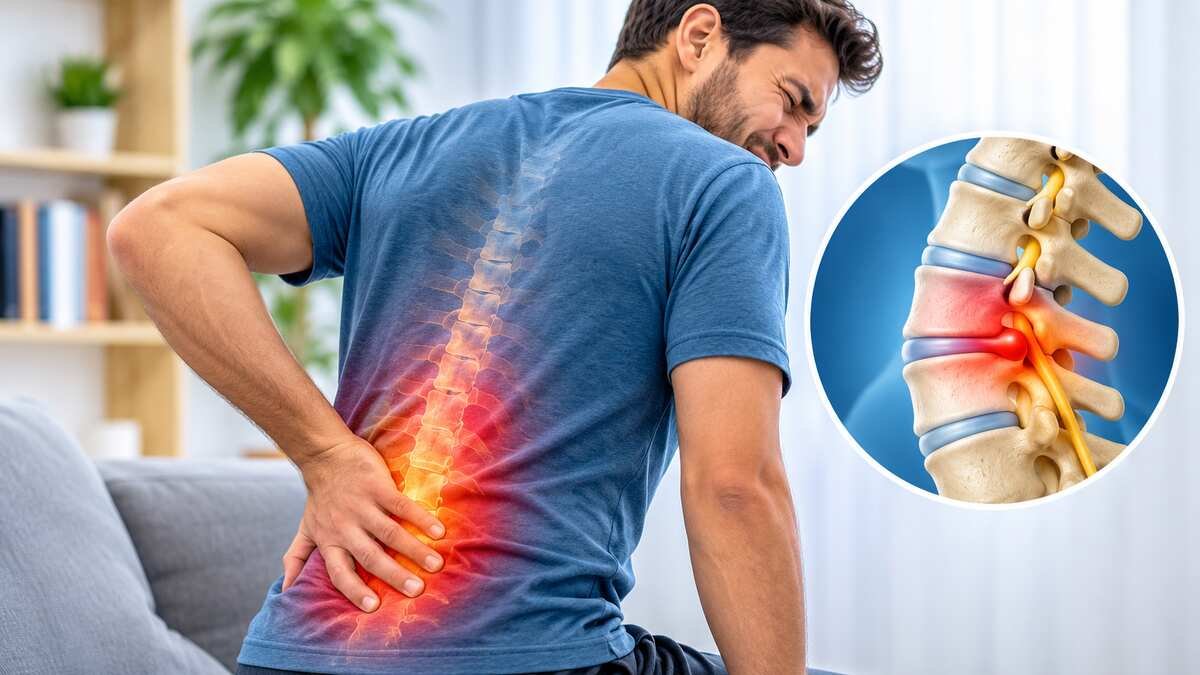

Back pain can turn ordinary moments into a struggle. Sitting through a meeting, getting out of bed, walking the dog, or sleeping through the night may all become uncomfortable. You are far from alone: the National Institute of Arthritis and Musculoskeletal and Skin Diseases (NIAMS) describes back pain as one of the most common medical problems in the United States. nih
Back pain is a symptom, not a single disease. Muscle strain, disc problems, nerve irritation, arthritis, and everyday habits can all play a role, and several factors often overlap. In many cases, no single cause can be identified.
The good news is that many episodes improve without major medical treatment. This guide explains the most common causes of back pain, how they differ by location, which risk factors matter, how doctors find the cause, and when you should seek care.
Quick Answer: What Causes Back Pain?
Back pain can be caused by muscle or ligament strain, herniated discs, nerve irritation, arthritis, spinal conditions, and certain internal medical problems. Poor posture, prolonged sitting, heavy lifting, aging, and physical inactivity may also contribute. In many cases, however, no single cause can be identified.
The World Health Organization (WHO) notes that about 90% of low back pain is “non-specific,” meaning no specific disease or structural problem explains it. You can read more in the WHO low back pain fact sheet. who
What Is Back Pain?
Back pain is discomfort anywhere along the spine, from the base of the neck to the tailbone. It can feel like a dull ache, a sharp stab, a burning sensation, or tightness. Some people feel it in one spot, while others feel it spread into the buttocks or legs. WHO defines low back pain as pain between the lower edge of the ribs and the buttock. who
Different Areas of the Back
- Upper back pain (thoracic region): Felt between the shoulder blades and the base of the neck.
- Middle back pain: Felt around the rib cage area of the spine.
- Lower back pain (lumbar region): The most common location, below the ribs and above the buttocks.
- Tailbone and pelvic pain: Felt at the base of the spine, near the sacrum and pelvis.
Acute vs. Chronic Back Pain
Doctors often describe back pain by how long it lasts. Acute back pain usually lasts a few days to a few weeks, and subacute back pain lasts about 4 to 12 weeks. Chronic back pain lasts longer than 12 weeks. nihnih
Duration alone does not reveal the underlying cause. Two people with pain lasting six weeks may have completely different explanations. If you want to understand how symptoms can feel, our guide on what causes abdominal pain shows why pain in the trunk can have many sources.
What Are the Most Common Causes of Back Pain?
Most back pain is mechanical, meaning it involves the muscles, joints, discs, or ligaments of the spine. The sections below cover the most common explanations, from everyday strain to rarer conditions.
1. Muscle Strain and Ligament Sprains
This is one of the most frequent causes. Repeated heavy lifting or a sudden awkward movement can strain back muscles and spinal ligaments, according to Mayo Clinic. Sudden twisting, overstretching during exercise, and repetitive activity can have the same effect. mayoclinic
A strain can trigger muscle spasms, which tighten the area and make movement painful. These episodes often ease over days to weeks.
2. Herniated or Slipped Discs
Discs are soft cushions between the bones of the spine. A herniated disc occurs when some of the soft inner material pushes outward through a weaker outer layer. This may irritate nearby nerves and cause radiating pain, tingling, or numbness.
Not every disc problem causes symptoms. Mayo Clinic notes that a bulging or ruptured disk might not cause back pain at all. mayoclinic
3. Sciatica and Nerve Compression
Sciatica describes pain that travels from the lower back through the buttock and down the leg, often on one side. It can come with tingling, numbness, or weakness. The National Institute of Neurological Disorders and Stroke explains that a herniated disc pressing on the sciatic nerve is one cause. unt
Sciatica is a pattern of symptoms rather than a diagnosis by itself. A clinician needs to identify what is irritating the nerve.
4. Arthritis and Age-Related Spinal Changes
Osteoarthritis can affect the joints of the spine, and discs can wear down with age. NIAMS describes degenerative disc disease as a process in which aging causes discs to break down, often alongside other changes such as arthritis or spinal stenosis. The result may be stiffness and reduced flexibility. nih
Age-related changes do not always cause pain. Disc disease is often found on scans done for another reason. Many people have changes on imaging and feel fine. mayoclinic
5. Spinal Stenosis
Spinal stenosis means the spaces within the spine narrow and put pressure on the spinal cord or nerve roots. In the lower back, symptoms often worsen with standing or walking and improve when leaning forward or sitting. This is why some people feel better leaning on a shopping cart. nih
Symptoms can include leg cramping, numbness, or weakness. NIAMS offers more detail on spinal stenosis.
6. Poor Posture and Prolonged Sitting
Poor posture alone does not explain all back pain, and research on its direct role is mixed. Still, long periods in one static position, awkward workstation setups, and low overall movement may contribute to discomfort. Our guides on what causes poor posture and what causes a sedentary lifestyle cover these habits in more depth.
7. Osteoporosis and Spinal Compression Fractures
Osteoporosis weakens bones, including the vertebrae. A vertebral compression fracture happens when a weakened vertebra cracks and loses height. These fractures often follow a fall, but can also occur during seemingly minor activities such as reaching, twisting, coughing, or sneezing. orthoinfo
New, severe back pain after a fall, especially in an older adult, needs medical assessment. The American Academy of Orthopaedic Surgeons explains osteoporosis and spinal fractures in detail.
8. Inflammatory Conditions
Ankylosing spondylitis is an inflammatory condition that affects the spine and the joints where the spine meets the pelvis. Its symptoms are typically worse in the morning or after inactivity and improve with activity. That pattern differs from typical mechanical pain, which often feels better with rest. Harvard Health notes it most often appears between ages 20 and 40. harvard
Persistent stiffness and pain that follow this pattern deserve professional assessment.
9. Kidney Problems and Other Internal Conditions
Sometimes the problem is not in the spine at all. NIAMS lists kidney stones, kidney infections, and endometriosis among conditions that can cause back pain. Certain abdominal and pelvic conditions can also refer pain to the back. nih
Pain from internal organs may feel different from a muscle or spine problem. It may not change with movement and can come with fever, nausea, or urinary symptoms.
10. Injuries, Infections, and Rare Serious Conditions
Accidents, sports injuries, and fractures can cause back pain. Spinal infections and tumors are possible causes too, but they are much less common than ordinary mechanical back pain. Mayo Clinic states that back pain signaling a serious medical problem is rare. mayoclinic
What Causes Back Pain in Different Areas?
Location can offer clues, but it cannot confirm a diagnosis. Use the table below as general orientation only.
| Area | Common contributors | Notes |
|---|---|---|
| Lower back | Muscle strain, herniated discs, sciatica, spinal stenosis, arthritis | The most common location |
| Middle back | Muscle strain, rib or spinal joint irritation, postural stress | Internal causes are less common but possible |
| Upper back | Muscle tension, desk work, shoulder and upper-back strain | Persistent pain deserves a check |
What Causes Lower Back Pain?
The lower back carries much of your body weight and moves constantly, so it is the most frequently affected region. Muscle strain, herniated discs, sciatica, spinal stenosis, and arthritis are the usual suspects. Our guide to exercises for lower back pain covers gentle movement options.
What Causes Upper Back Pain?
Upper back pain often relates to muscle tension, long hours at a desk, and shoulder or upper-back strain. Spinal conditions can also play a part. The NHS advises seeing a GP if pain comes from the top of the back, between the shoulders, rather than the lower back. You can review its back pain causes page for details. nhs.uk
What Causes Middle Back Pain?
Middle back pain may come from muscle strain, irritation of rib or spinal joints, and postural stress. Less commonly, internal medical conditions are responsible. Pain here that is new, severe, or unexplained is worth discussing with a clinician.
Lifestyle Factors That May Increase the Risk of Back Pain
Several everyday factors can raise the chance of developing back pain or make it last longer.
Sedentary Lifestyle
WHO lists low physical activity among the risk factors for non-specific low back pain. Limited movement and weaker supporting muscles can make the back less resilient. Our benefits of exercise article explains how regular activity helps overall health. who
Excess Body Weight
Mayo Clinic notes that being overweight strains back muscles. Extra weight increases the mechanical load on the spine. Our guide to weight management offers practical background. mayoclinic
Heavy Lifting and Repetitive Work
Jobs involving frequent lifting, twisting, pushing, or repetitive bending can strain the back. WHO includes high physical stress at work among the risk factors for non-specific low back pain. Smoking is another factor: Mayo Clinic reports higher rates of back pain among people who smoke. whomayoclinic
Stress and Poor Sleep
NIAMS notes that chronic poor sleep, depression, or anxiety can make back pain more frequent and more severe. Stress may also increase muscle tension. Our guides on how to improve sleep and how to reduce stress may help. nih
Aging and Physical Deconditioning
Back pain becomes more common with age, particularly after 45, according to NIAMS. Age-related spinal changes and reduced conditioning can both contribute. Staying active is one of the most practical ways to support back health at any age. nih
Symptoms That May Occur Alongside Back Pain
Symptoms vary depending on the underlying cause. Some people notice only mild stiffness, while others have intense pain that limits movement. Possible symptoms include:
- Muscle stiffness
- Sharp or dull aching pain
- Pain that spreads into the buttocks or legs
- Tingling or numbness
- Reduced flexibility
- Muscle weakness
- Pain that worsens with certain movements, such as bending or lifting
NIAMS notes that back pain can be worse with lifting and bending, can come and go, and may include morning stiffness that eases with activity. Having one of these symptoms does not mean you have a particular condition. nih
When Is Back Pain a Sign of Something Serious?
Most back pain is not dangerous. Still, a few symptoms need prompt attention.
Seek emergency medical care if back pain occurs with:
- New loss of bladder or bowel control
- Numbness around the genitals, anus, or saddle area
- Significant or worsening weakness, numbness, or tingling in both legs
The NHS directs people with pain, tingling, weakness, or numbness in both legs, or a loss of feeling around the genitals or anus, to call 999 or go to A&E. In the United States, call 911 or go to the nearest emergency department. nhs.uk
Arrange prompt medical assessment for:
- Fever or feeling generally unwell
- Severe pain after an accident or fall
- Unexplained weight loss
- Persistent or worsening pain
- Pain that does not improve over several weeks
Mayo Clinic also advises immediate care for back pain that follows a fall or blow to the back. For comparison, see our guide on when to worry about abdominal pain, which uses the same routine-versus-emergency approach. mayoclinic
How Do Doctors Diagnose the Cause of Back Pain?
Medical History and Physical Examination
A clinician usually starts with questions about where the pain is, how long it has lasted, recent injuries, and your medical history. They may check movement and flexibility. They may also test strength, reflexes, and sensation to see whether a nerve is involved.
Imaging and Other Tests
X-rays may be used when clinically indicated. MRI is typically reserved for selected cases, such as suspected nerve or other structural problems. Blood tests may be ordered if infection or an inflammatory condition is suspected.
Imaging is not routinely needed for uncomplicated back pain. Mayo Clinic notes that back pain often develops without a cause that shows up on a test or imaging study. Findings should always be interpreted alongside your symptoms and examination. mayoclinic
How Can You Relieve and Treat Back Pain?
The best approach depends on the cause and your individual health. The American College of Physicians guideline and the WHO fact sheet are useful references.
Staying Active and Gentle Movement
The American College of Physicians advises people with any type of low back pain to stay as active as pain allows. Prolonged bed rest is generally not recommended. Gentle walking can be a good start; see our guide to walking for health. aafp
Heat and Cold Therapy
The ACP guideline lists superficial heat among the first options for acute or subacute low back pain. Heat may ease muscle stiffness. Evidence for cold packs is less well established, though some people find them helpful after a recent injury. Wrap any pack in a cloth, limit sessions, and avoid use on numb or damaged skin. nih
Physical Therapy and Exercises
For ongoing pain, the ACP recommends exercise and multidisciplinary rehabilitation, among other nonpharmacologic options, as first choices for chronic low back pain. A qualified physical therapist can design strengthening and flexibility work for your situation. Our strength training for beginners guide offers a starting point. aafp
Medication and Medical Treatment
Medication choice depends on your health circumstances, so speak with a pharmacist or clinician. The ACP suggests that if drug therapy is desired for acute or subacute pain, NSAIDs or skeletal muscle relaxants are options. NSAIDs are not suitable for everyone. Specialist care may be appropriate for selected conditions, but surgery is rarely needed to treat back pain. acponlinemayoclinic
How Can You Prevent Back Pain?
Prevention focuses on habits that keep the spine supported and moving.
- Stay physically active; see our best exercises for beginners.
- Strengthen your core and back muscles.
- Lift sensibly by bending your knees and holding loads close to your body.
- Take movement breaks during long periods of sitting.
- Keep a comfortable workstation; our desk posture habit guide can help.
- Prioritize sleep and recovery.
- Seek early assessment for recurring or persistent symptoms.
Mayo Clinic notes there is no good evidence that special shoes, inserts, back supports, or specially designed furniture prevent or relieve back pain. mayoclinic
Frequently Asked Questions About Back Pain
What is the most common cause of back pain?
Muscle or ligament strain is among the most common causes. Overall, most back pain is mechanical, and many cases have no single identifiable cause. WHO estimates about 90% of low back pain is non-specific.
Can stress cause back pain?
Stress may contribute to back pain by increasing muscle tension and affecting sleep and pain sensitivity. It does not usually act alone. NIAMS notes that chronic stress, anxiety, and poor sleep can make back pain more frequent and severe.
Why does my back hurt when I wake up?
Morning back pain can reflect sleep position, muscle stiffness, or age-related spinal changes. Stiffness that lasts a long time and eases with movement may point to an inflammatory condition, so mention it to a clinician. Mayo Clinic notes no single mattress type is best for everyone with back pain.
Can sitting too long cause back pain?
Prolonged sitting may contribute to discomfort, especially without movement breaks or a supportive setup, but it is rarely the only factor. Regular position changes and activity can help. Our guide on what causes a sedentary lifestyle explores related habits.
When should I worry about back pain?
Seek emergency care for new bladder or bowel control problems, numbness around the groin or genitals, or worsening weakness in both legs. Arrange prompt assessment for fever, pain after a fall, unexplained weight loss, or pain that persists or worsens over several weeks. The NHS outlines these warning signs.
Can kidney problems cause back pain?
Yes, kidney stones and kidney infections can cause back pain, often felt in the side or flank. It may come with fever, nausea, or urinary changes. NIAMS lists kidney conditions among possible causes.
Does back pain always mean there is a spinal problem?
No. Back pain can come from muscles, ligaments, and joints without a structural spinal problem, and sometimes from internal organs. Scans can also show changes in people who have no pain. A clinician can help determine the cause.
Conclusion
Back pain has many possible causes. Common mechanical explanations include muscle strain, disc problems, nerve irritation, arthritis, and spinal narrowing. Lifestyle contributors such as inactivity, excess weight, heavy lifting, stress, and poor sleep can add to the picture, and medical conditions are sometimes involved.
Most episodes improve with time, movement, and simple self-care. Persistent, unusual, or severe symptoms deserve medical attention, so seek professional guidance instead of trying to self-diagnose.
For broader habits that support your spine and overall wellbeing, see our preventive health guide.
Sources
- National Institute of Arthritis and Musculoskeletal and Skin Diseases. Back Pain
- National Institute of Arthritis and Musculoskeletal and Skin Diseases. Spinal Stenosis
- World Health Organization. Low Back Pain Fact Sheet
- World Health Organization. WHO Releases Guidelines on Chronic Low Back Pain
- Mayo Clinic. Back Pain: Symptoms and Causes
- NHS. Back Pain: Causes
- NHS. Back Pain Overview
- MedlinePlus. Back Pain
- Qaseem A, et al. Noninvasive Treatments for Acute, Subacute, and Chronic Low Back Pain: A Clinical Practice Guideline From the American College of Physicians. Annals of Internal Medicine, 2017.
- American Family Physician. Low Back Pain: ACP Practice Guideline on Noninvasive Treatments
- American Academy of Orthopaedic Surgeons (OrthoInfo). Osteoporosis and Spinal Fractures
- Harvard Health Publishing. Ankylosing Spondylitis
Medical Disclaimer: This article is for general educational purposes only and is not medical advice. It does not diagnose, treat, or replace guidance from a qualified healthcare professional who knows your health history. If you have severe, worsening, or unusual back pain, or any emergency warning signs, contact a healthcare provider or emergency services right away.