
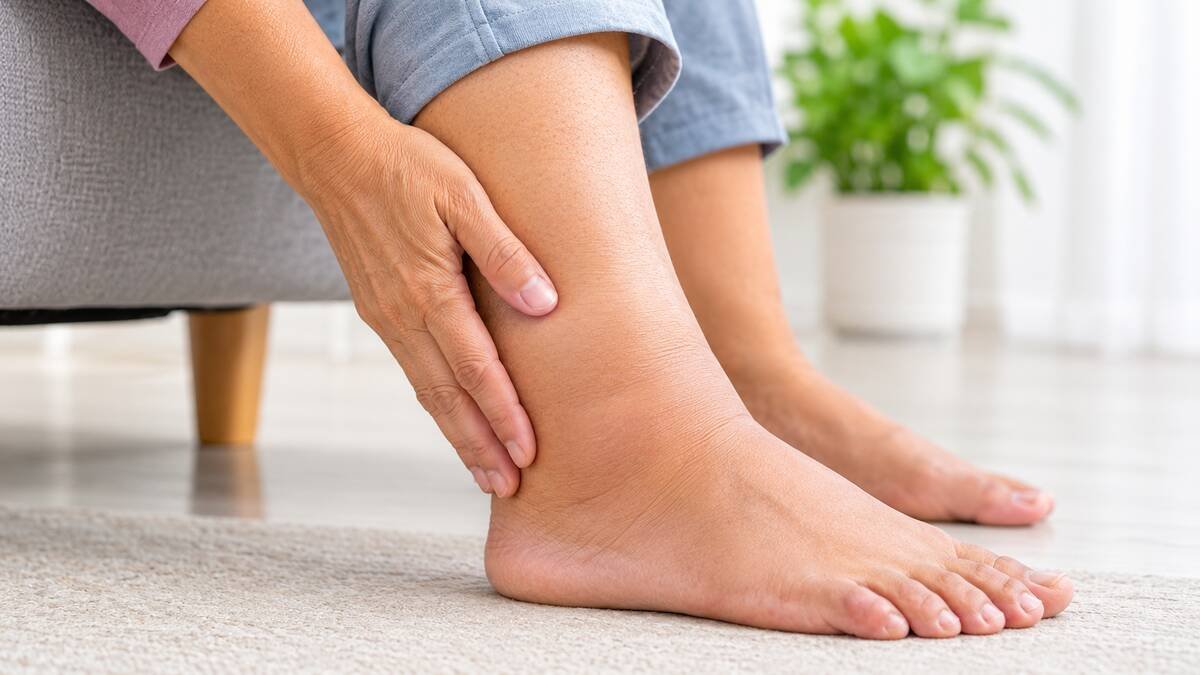

Swelling is not always a reason to panic, but it should not always be ignored. Mild swelling may improve on its own, while sudden, painful, or unexplained swelling can sometimes signal a condition that needs prompt medical attention. If you are asking yourself, “Should I worry about swelling?”, the answer depends on the pattern, not on the swelling alone.
Swelling can happen after an injury, after sitting or standing for a long time, or on a hot day. Sometimes, however, it is linked to an infection, a blood clot, an allergic reaction, or a problem involving the heart, kidneys, or liver. How serious it is depends on where the swelling occurs, how quickly it develops, whether it affects one side or both, and what other symptoms appear with it.
Important safety note: Difficulty breathing, chest pain, or sudden swelling of the tongue or throat needs emergency help. Call your local emergency number (911 in the United States) right away. This guide explains the warning signs, common causes, and when to seek medical care, so you can make a calm, informed decision about your next step.
What Is Swelling?
What happens when a body part swells?
Swelling means an area of the body becomes larger than usual. It can result from fluid collecting in tissues, inflammation, injury, or other processes. MedlinePlus notes that swelling can affect the whole body (generalized) or only one area (localized).
The medical term for swelling caused by excess fluid in the tissues is edema. It most often appears in the feet, ankles, and legs, but it can involve other areas, including the hands, face, or abdomen. Not all swelling is edema, though. A swollen joint after a sprain, for example, may involve inflammation rather than simple fluid buildup.
Common signs of swelling
Swelling can look and feel different from person to person. Common signs include:
- A body part that looks larger than usual
- Skin that feels tight, stretched, or shiny
- A sense of heaviness, stiffness, or tenderness
- Mild aching or soreness in the area
- Difficulty walking or moving the area normally
Some swelling leaves a temporary dent when you press on it. This is called pitting edema, and it is described by Cleveland Clinic as one possible feature of fluid-related swelling. Other swelling does not pit. Either way, appearance alone cannot tell you the cause. For a closer look at the sensations people describe, see our guide on what swelling feels like.
Should I Worry About Swelling?
Not always. Swelling that follows a clear trigger, such as a long flight, a minor bump, or a day on your feet, and improves as expected is often not a concern. The NHS notes that swelling in the ankles, feet, or legs often goes away on its own.
Swelling deserves more attention when it is:
- Sudden or rapidly getting worse
- Unexplained, with no obvious trigger
- Severe or painful
- Limited to one leg or one arm without a clear reason
- Red, warm, or accompanied by fever
- Present in several parts of the body
- Persistent or recurring
- Linked to breathing problems, chest discomfort, or faintness
Pain is not a reliable guide. Painless swelling is not automatically harmless, because some important causes, including fluid-balance and circulation problems, may not cause severe pain at first. MedlinePlus advises contacting a health care provider about any unexplained swelling.
The key takeaway is simple. The pattern of swelling and the symptoms that come with it matter more than the swelling alone.
Common Causes of Swelling
Some causes are temporary and easy to identify, while others reflect an underlying medical condition. This is why the same symptom can mean very different things in different people. For a broader overview, read our guide to the common causes of swelling.
Everyday causes
Many people experience mild swelling from ordinary situations. According to the NHS and Mayo Clinic, common examples include:
- Sitting or standing in one position for too long
- Hot weather
- Eating a lot of salty food, which can lead to temporary fluid retention
- Minor bumps, strains, sprains, or other injuries
- Pregnancy-related fluid changes
Medical causes
Swelling can also be a sign of a health condition. Possible medical causes include:
- Vein problems that make it harder for blood to return from the legs
- Blood clots, including deep vein thrombosis (DVT), a clot in a deep vein
- Skin and soft-tissue infections
- Allergic reactions and angioedema, which is swelling deep in the skin
- Heart conditions that cause fluid to build up, such as heart disease
- Kidney or liver disorders
- Thyroid problems
- Certain medications
A Mayo Clinic Q&A lists calcium channel blockers, corticosteroids, and nonsteroidal anti-inflammatory drugs (NSAIDs) among medicines that can contribute to leg swelling. The NHS adds that some blood pressure medicines, hormone therapy, birth control pills, and antidepressants may also play a role. Do not stop a prescribed medicine on your own. Talk with your healthcare professional first.
Warning Signs You Shouldn’t Ignore
Certain features make swelling more likely to need medical assessment. Having one of these signs does not mean something serious is happening, but it is a good reason to get checked.
Sudden swelling without an obvious cause
Swelling that appears quickly, especially when it has no clear explanation or is severe, deserves prompt evaluation. Mayo Clinic lists swelling that happens suddenly for no clear reason among the situations that call for immediate medical attention.
Swelling in only one leg or arm
One-sided swelling can be concerning, particularly with pain, tenderness, warmth, or redness. A blood clot such as DVT is one possible cause, but it is not the only one. Injury, infection, and problems with the lymphatic system can also affect a single limb. Because the cause cannot be sorted out by looking at it, new one-sided swelling should be assessed promptly.
Redness, warmth, or fever
A swollen area that is red, hot to the touch, or paired with a fever may point to infection or inflammation. The NHS advises seeking medical advice when swelling is red or hot, or when a high temperature develops. These signs should not be dismissed or treated at home alone.
Swelling in the face, lips, or around the eyes
Sudden swelling of the face, lips, or eyelids may be an allergic reaction or angioedema. The NHS explains that angioedema is sudden swelling that is often caused by an allergic reaction, and that it can be very serious if the throat swells and affects breathing. Some medicines, including ACE inhibitors used for high blood pressure, can also trigger it.
Swelling that keeps returning or spreads
Swelling that comes back repeatedly, spreads to new areas, or does not improve may reflect an underlying condition. Cleveland Clinic advises contacting a healthcare provider about edema that has no injury or obvious cause.
Swelling during pregnancy
Gradual, mild swelling of the feet and ankles is common in pregnancy. Sudden or significant swelling, especially of the face or hands, needs attention, particularly if it comes with a severe headache, vision changes, upper abdominal pain, or shortness of breath. These can be signs of preeclampsia, a pregnancy complication that involves high blood pressure. Mayo Clinic recommends contacting your provider right away or going to an emergency room if these symptoms occur.
When Is Swelling a Medical Emergency?
Some symptoms together with swelling can point to a life-threatening problem. Call your local emergency number (911 in the United States) right away if swelling occurs with any of the following:
- Difficulty breathing or severe shortness of breath
- Chest pain, tightness, or heaviness
- Coughing up blood
- Fainting, collapse, or severe confusion
- Sudden swelling of the tongue, throat, or mouth
- Trouble swallowing, or other signs of a severe allergic reaction
These symptoms may signal a serious allergic reaction, a blood clot that has traveled to the lungs, or a serious heart problem. Mayo Clinic lists chest pain, trouble breathing, fainting or dizziness, and coughing blood as reasons to seek emergency care when leg swelling is present. The NHS similarly advises urgent help when the lips, mouth, throat, or tongue suddenly swell.
Do not wait for symptoms to improve, and do not try home treatment first. If you are unsure whether chest discomfort is an emergency, our guide on when chest pain is an emergency can help. When in doubt, it is safer to call for help.
When Should You See a Doctor for Swelling?
You do not need to wait for an emergency. Make an appointment or seek prompt medical assessment if:
- The swelling is unexplained or keeps coming back
- It lasts, gets worse, or does not improve as expected
- One limb becomes swollen without a clear reason
- The area becomes painful, red, or warm
- Swelling affects several parts of the body
- You have a known heart, kidney, or liver condition
- Swelling starts after you begin or change a medication
- You have diabetes and develop new swelling in your feet or legs
The NHS specifically lists diabetes with swollen feet, ankles, or legs as a reason to see a GP. If you want background on the condition, read our overview of what diabetes is.
A healthcare professional can examine the area, look at the pattern, and decide whether tests are needed. Swelling that has a medication-related cause can look similar to swelling caused by a kidney disorder, so a proper assessment matters. Mayo Clinic notes this overlap and advises making an appointment as soon as possible for non-emergency swelling.
What Different Types of Swelling May Mean
Location and pattern offer helpful clues, but they do not prove a diagnosis. Use this section to understand why details matter, not to diagnose yourself.
Swelling in the feet and ankles
Swollen feet and ankles often follow prolonged standing or sitting. They can also be linked to fluid retention or vein problems. Less commonly, they may relate to heart, kidney, or liver conditions. The NHS notes that swelling that has not improved after a few days of home care should be checked.
Swelling in one leg
One swollen leg may follow an injury. It can also be associated with infection or a blood clot. Mayo Clinic explains that swelling in only one leg, or swelling alongside other symptoms such as shortness of breath, has a higher chance of a more serious cause. Sudden, unexplained one-sided swelling needs prompt assessment.
Swelling in the hands and fingers
Hands and fingers can swell from inflammation, injury, heat, or fluid retention. Sudden swelling may need evaluation, especially when other symptoms appear, such as pain, redness, fever, or swelling elsewhere.
Swelling in the face or lips
Facial or lip swelling may be linked to allergies or angioedema. Involvement of the tongue or throat is an emergency.
Swelling throughout the body
Widespread swelling can be associated with conditions that affect fluid balance, including heart, kidney, or liver problems. Cleveland Clinic notes that generalized edema can be a symptom of serious health conditions. Even so, no single location proves a single diagnosis.
How Do Doctors Find the Cause of Swelling?
Finding the cause usually starts with a conversation and a physical exam. MedlinePlus notes that you may be asked when the swelling started, whether it is all over or in one area, and what you have tried at home.
Medical history and physical examination
Your clinician may ask:
- When did the swelling begin?
- Did it appear suddenly or gradually?
- Does it affect one side or both?
- Is there pain, redness, warmth, or fever?
- Have any medications changed recently?
- Do you have other symptoms or existing medical conditions?
Possible tests
Depending on the suspected cause, tests may include blood tests, urine tests, ultrasound imaging, or heart tests such as an electrocardiogram (ECG). Other imaging or examinations may be used when clinically appropriate. Not everyone needs every test. The evaluation depends on your symptoms and medical history.
What Can You Do While Monitoring Mild Swelling?
If your swelling is mild, has an obvious non-serious trigger, and comes with no warning signs, a few simple steps may help. Our guide to ways to relieve mild swelling at home covers more detail. In general, you can:
- Change position regularly instead of sitting or standing for long periods
- Raise the affected limb when it is comfortable to do so
- Try gentle movement, such as walking, if it does not cause pain
- Avoid tight clothing, socks, or shoes
- Watch whether the swelling improves, worsens, or spreads
The NHS recommends similar steps for swelling in the ankles, feet, and legs, including raising the area and avoiding long periods of standing or sitting.
A few cautions are important:
- Do not massage a suddenly swollen, painful leg until a blood clot has been ruled out.
- Do not start compression therapy without appropriate advice if the cause is unclear.
- Do not take diuretics (water pills) or stop prescription medicines without medical guidance.
- Do not rely on home care when warning signs are present.
Home measures are not a substitute for medical assessment when swelling is unexplained, persistent, or accompanied by concerning symptoms.
Frequently Asked Questions
Is swelling always a sign of something serious?
No. Swelling can follow minor injuries, long periods of sitting or standing, or other temporary triggers. However, sudden, severe, unexplained, or persistent swelling should be assessed by a healthcare professional, as advised by Cleveland Clinic.
Should I worry about swelling that doesn’t hurt?
Sometimes. Painless swelling can still be related to circulation or fluid-balance problems. The pattern, how long it lasts, and any other symptoms matter more than whether it hurts.
Is swelling in one leg more concerning than swelling in both legs?
It can be. New, unexplained swelling in one leg may be linked to a blood clot or another condition, and it needs prompt medical evaluation, according to Mayo Clinic. Swelling in both legs is often related to fluid retention, but it can also have medical causes.
How long should swelling last?
There is no single timeframe because it depends on the cause. Swelling that lasts, worsens, or has no clear explanation should be checked. For ankle, foot, and leg swelling, the NHS suggests seeing a GP if it has not improved after a few days of home care.
Why does swelling happen suddenly?
Sudden swelling can result from an injury, an allergic reaction, an infection, or a blood clot, among other causes. Because some of these need urgent treatment, sudden swelling without a clear reason should be evaluated promptly. If it comes with trouble breathing or tongue or throat swelling, call your local emergency number.
Can swelling be a sign of heart or kidney problems?
Yes. Heart and kidney conditions can contribute to fluid buildup, but swelling alone cannot identify the cause. Mayo Clinic lists heart failure, kidney disease, liver disease, and thyroid problems among possible causes that a clinician may need to rule out.
Conclusion
So, should you worry about swelling? Sometimes it is temporary and harmless, but it should not automatically be ignored. Sudden, unexplained, one-sided, painful, or persistent swelling deserves medical attention. Breathing difficulty, chest pain, fainting, or sudden tongue and throat swelling requires emergency help.
Pay attention to changes, and seek professional advice when you are unsure. Taking timely action, rather than guessing at a cause, is the calmest and safest approach.
Sources
- NHS: Swollen ankles, feet and legs (oedema)
- MedlinePlus: Swelling
- Mayo Clinic: Leg swelling, when to see a doctor
- Mayo Clinic: Mild leg swelling should be evaluated
- NHS: Angioedema
- Cleveland Clinic: Edema
- Mayo Clinic: Preeclampsia
Medical Disclaimer: This article is for informational purposes only and is not a substitute for professional medical advice, diagnosis, or treatment. Seek medical attention if swelling is unexplained, persistent, or accompanied by concerning symptoms. Contact emergency services for severe symptoms such as difficulty breathing or chest pain.