
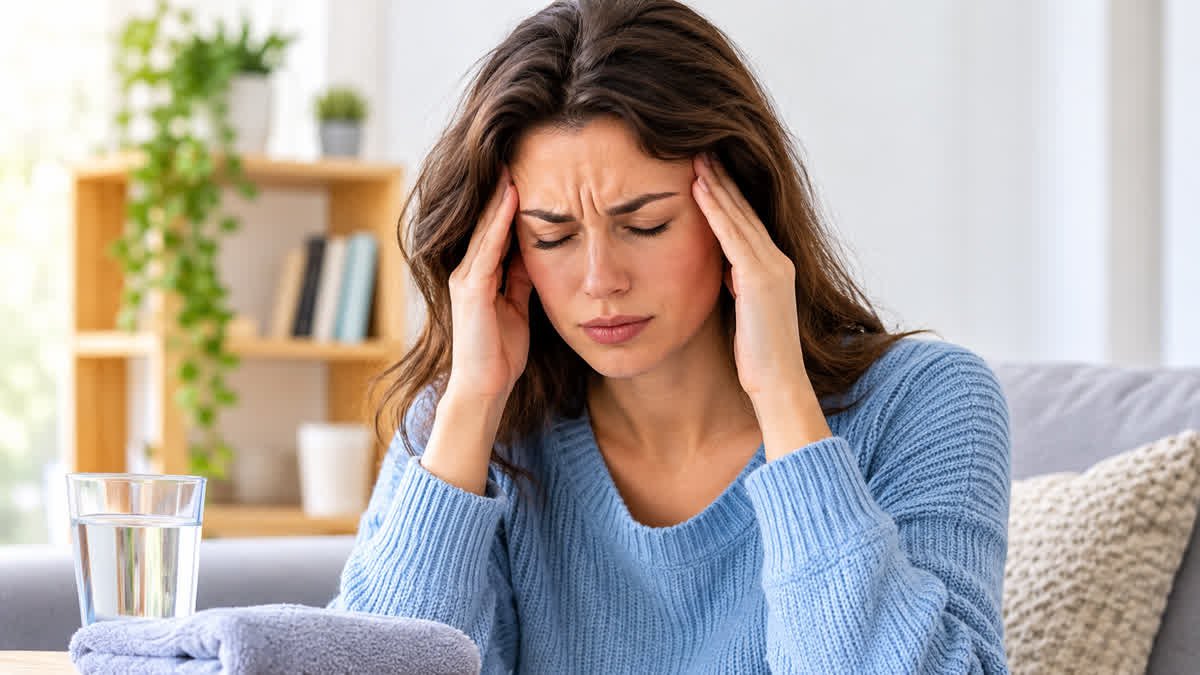

A tension headache can make everyday life uncomfortable, especially when dull pressure builds around the forehead, temples, or back of the head. The pain is often described as a tight band, and it may come with sore muscles in the neck and shoulders. Fortunately, several simple self-care strategies may help ease the discomfort and make it easier to get back to your day.
Many occasional tension headaches can be managed at home with rest, hydration, warm or cold compresses, gentle massage, relaxation techniques, and appropriate over-the-counter medicine. These steps may relieve symptoms, but they work differently for different people, and none of them is guaranteed to stop a headache. Home care also does not replace a medical assessment when warning signs are present.
This guide walks through practical ways to relieve a tension headache, self-care routines and stress management, lifestyle habits that may reduce future episodes, and medication safety. It also explains what to avoid and when to see a doctor. To understand the background first, you can read about what causes tension headaches.
Quick answer: A tension headache may improve with rest, hydration, gentle neck and shoulder massage, warm or cold compresses, relaxation exercises, and appropriate over-the-counter pain relief. Regular sleep, balanced meals, and stress management may also help reduce recurring headaches.
Understanding Tension Headaches Before Treating Them at Home
A tension headache, also called a tension-type headache, is the most common type of headache. According to Mayo Clinic, it causes mild to moderate pain, and its causes are not well understood. Knowing what a typical episode feels like helps you decide whether home care is a reasonable first step.
What Does a Tension Headache Feel Like?
Most people describe a steady, pressing sensation rather than a throbbing one. Common features include:
- Dull, aching head pain
- Tightness or pressure around the head, often like a band
- Pain on both sides of the head
- Tenderness in the scalp, neck, or shoulder muscles
- Mild to moderate pain that may still interfere with daily activities
For more detail, see our guide to early signs of tension headache.
Common Factors That May Contribute to Tension Headaches
Several everyday factors are linked with tension headaches in some people:
- Emotional stress
- Poor posture
- Long stretches of computer or phone use
- Insufficient sleep
- Skipped meals
- Neck and shoulder muscle tension
- Fatigue and too few breaks
No single factor explains every headache. The mechanisms are complex and vary from person to person. Our articles on tension headache risk factors and what makes tension headache worse explore this further.
Can You Treat a Tension Headache at Home?
Often, yes. Occasional, familiar tension headaches can usually be managed with self-care and appropriate nonprescription medicine. The NHS notes that people can treat them themselves with painkillers, but should see a doctor if headaches occur several times a week or are severe.
Headaches that are frequent, severe, changing, or unusual need medical assessment. Home care is not the right approach for those.
10 Ways to Relieve a Tension Headache at Home
The strategies below are low-risk and easy to try. You do not need to use all of them. Choose the ones that feel comfortable and see what helps you.
1. Rest in a Quiet and Comfortable Environment
Stepping away from noise and demands for a few minutes may ease the strain. Sit or lie in a comfortable position, and take a short break from demanding tasks. Reduce unnecessary noise and distractions where you can.
While you rest, consciously relax your jaw, forehead, and shoulders. Many people clench these areas without noticing. Complete darkness is not required for a tension headache, so use whatever setting feels calming.
2. Apply a Warm or Cold Compress
Temperature can offer comfort, and either option is reasonable. Use whichever feels better to you.
For a warm compress, place a comfortably warm towel over your neck or shoulders to encourage tight muscles to relax. Avoid very hot temperatures. For a cold compress, wrap a cold pack in a towel and gently place it on your forehead or the sore area. Never put ice directly against your skin.
| Warm compress | Cold compress | |
|---|---|---|
| Best placed on | Neck and shoulders | Forehead or temples |
| May help by | Relaxing tight muscles | Providing a soothing, numbing feel |
| Safety tip | Keep it comfortably warm, not hot | Wrap in a towel; limit time on skin |
| Who should be careful | People with reduced skin sensation | People with reduced skin sensation |
People with diabetes, nerve problems, or other conditions that reduce skin sensation should ask a healthcare professional before using heat or cold packs.
3. Try Gentle Head, Neck, and Shoulder Massage
Gentle massage may reduce muscle discomfort and help you relax. Lightly rub your temples, the base of your skull, and your shoulder muscles using slow, small circles.
Keep the pressure light to moderate. Avoid forceful pressure or painful manipulation. Massage does not work equally well for everyone, and it may provide comfort rather than complete relief.
4. Drink Water and Maintain Hydration
Dehydration can contribute to headaches in some people. Sip water regularly throughout the day, and replace fluids after sweating or physical activity. Limiting sugary drinks is also a sensible habit.
Water is not a guaranteed fix for every tension headache, particularly when dehydration is not involved. Still, staying hydrated is a low-risk step. Our overview of the benefits of hydration offers more practical tips.
5. Eat a Regular, Balanced Meal
Skipping meals or going too long without eating may trigger headaches in some individuals. If you notice this pattern, try eating at regular times and avoid long gaps between meals.
Choose balanced meals with protein, fiber, and complex carbohydrates, and keep a healthy snack handy for busy days. Our guide to what a balanced diet looks like can help you plan.
6. Take a Break From Screens
Long periods of screen use can contribute to eye strain, fatigue, and poor posture, all of which may add to headache discomfort. Look away from the screen regularly and adjust its height and distance so you are not craning your neck. Reduce glare and take short movement breaks.
The 20-20-20 rule is an optional eye-comfort habit recommended by eye health organizations such as the American Academy of Ophthalmology: every 20 minutes, look at something about 20 feet away for 20 seconds. You can learn more about what causes eye strain and how to relieve it at home.
7. Practice Gentle Neck and Shoulder Stretches
Simple, slow movements may ease muscle tightness:
- Shoulder rolls, forward and backward
- Slow neck turns within a comfortable range
- Gentle side-to-side neck stretches
- Shoulder blade squeezes
Move slowly and stop if a stretch increases pain, causes dizziness, or brings on other symptoms. Never force your neck into a position.
8. Try Slow Breathing Exercises
Controlled breathing may help reduce stress and promote relaxation. Try this simple exercise:
- Sit comfortably and relax your shoulders.
- Breathe in slowly through your nose.
- Exhale gently, without forcing the breath.
- Repeat for several minutes.
Our article on the benefits of deep breathing goes into more detail.
9. Get Enough Rest and Sleep
Inconsistent or poor sleep is commonly linked with headaches. Keeping a consistent bedtime and wake-up time, creating a comfortable sleeping environment, and avoiding heavy late-night screen use may all help.
If a headache is tied to tiredness, a short rest may be enough to ease it. For longer-term habits, see our tips on how to improve sleep.
10. Try Gentle Physical Activity
Low-intensity movement can support general well-being and help reduce stress. Good options include a short walk, gentle stretching, relaxed yoga, or light mobility exercises. Our guide to walking for health is a good starting point.
Skip strenuous exercise if it makes your headache worse or if your headache has concerning features.
Natural Home Remedies and Self-Care for Tension Headaches
Beyond immediate relief, a few self-care practices can fit into your daily routine. Remember that evidence for many of these is modest, and results vary.
Use Heat to Relax the Neck and Shoulder Area
A warm shower or a warm towel over your shoulders can feel relaxing, especially if your neck muscles are tight. Think of heat as a comfort measure rather than a cure. Keep temperatures comfortable and limit each session to a reasonable length, such as 15 to 20 minutes.
Practice Progressive Muscle Relaxation
Progressive muscle relaxation teaches you to notice the difference between tension and relaxation:
- Find a comfortable position.
- Gently tense one muscle group, such as your shoulders, for a few seconds.
- Release the tension slowly.
- Notice how the muscles feel.
- Move on to other muscle groups.
Avoid tensing any area that is painful or injured. Mayo Clinic lists progressive muscle relaxation among relaxation techniques that may help, along with deep breathing, yoga, and meditation.
Consider Yoga and Gentle Relaxation Practices
Gentle yoga, mindfulness, guided relaxation, stretching routines, and meditation may help some people manage stress. Regular practice may reduce how often headaches affect you, though research is not conclusive and not everyone benefits. Start slowly and choose practices that feel comfortable.
Keep a Headache Diary
A diary can reveal patterns that are hard to notice day to day. Consider recording:
- When each headache begins and how long it lasts
- Pain location and intensity
- Sleep quality and stress levels
- Meals, hydration, and screen time
- Medicines taken and whether they helped
The NHS suggests keeping a headache diary if you get regular tension headaches. Bring it to your appointment if you decide to see a clinician.
Be Careful With Herbal Remedies and Supplements
“Natural” does not automatically mean safe. Some supplements can interact with prescription medicines or may not be suitable during pregnancy. Evidence that herbal products specifically treat tension-type headaches is limited, so they should not be considered established treatments.
Talk with a doctor or pharmacist before starting any supplement, especially if you take other medicines, are pregnant or breastfeeding, or have a health condition.
Manage Stress to Reduce Tension Headache Symptoms
Stress is the most commonly reported trigger for tension-type headaches, according to Mayo Clinic. Stress management will not prevent every headache, but it may help some people have fewer or less painful ones. See our guide on how to reduce stress for more ideas.
Identify and Reduce Everyday Stressors
Think about where pressure builds up: work deadlines, long periods of concentration, family responsibilities, poor work-life balance, or too little downtime. You cannot remove all stress, but small, manageable changes can help. Try protecting a short daily break, setting limits on after-hours work, or sharing a task.
Practice Mindfulness and Meditation
Mindfulness exercises encourage you to focus on the present moment, which can ease the mental strain that often goes with tension headaches. Even five minutes of quiet breathing or guided meditation may help you feel calmer. Mayo Clinic also notes that cognitive behavioral therapy, a form of talk therapy, may help people manage stress and have fewer or less painful headaches.
Make Time for Regular Breaks
Short, frequent breaks may protect your neck and shoulders:
- Step away from your desk every so often
- Relax your shoulders and unclench your jaw
- Change positions regularly
- Avoid long stretches of uninterrupted screen use
Maintain a Healthy Workstation Setup
An ergonomic setup can reduce muscle strain:
- Keep the screen near eye level
- Support your lower back
- Keep your feet comfortably supported
- Position the keyboard and mouse so your arms stay relaxed
- Avoid leaning your head forward for long periods
See our resources on what causes poor posture and good desk posture for more guidance.
Lifestyle Changes That May Help Prevent Tension Headaches
The goal of prevention is to reduce how often headaches happen, not to promise they will never return. The habits below are generally healthy and low risk. For broader support, see our guide to living with tension headache.
Maintain a Consistent Sleep Schedule
Going to bed and waking up at regular times supports healthy sleep. Mayo Clinic advises getting enough, but not too much, sleep as part of a headache-friendly lifestyle. Our article on how to build a sleep schedule can help.
Eat Regularly and Stay Hydrated
Eating balanced meals at consistent times and drinking fluids throughout the day may reduce headaches linked to hunger or dehydration. Mayo Clinic also suggests limiting alcohol, caffeine, and sugar.
Exercise Regularly
Mayo Clinic notes that regular exercise can help prevent tension-type headaches. Choose activity you enjoy and can keep up, adjusted to your fitness level and health. See our tips on the benefits of exercise and best exercises for beginners.
Improve Posture and Reduce Muscle Strain
Move regularly, avoid staying in awkward positions for long, and set up your workspace to keep your neck and shoulders relaxed. Small adjustments often matter more than dramatic changes.
Recognize Your Personal Headache Triggers
Triggers differ between people. Use your headache diary to spot genuine patterns instead of cutting out many foods or activities without evidence. If a pattern emerges, such as headaches after poor sleep, you can adjust that one habit and see what happens.
Over-the-Counter Medicines for Tension Headache Relief
Nonprescription pain relievers can help with occasional tension headaches. This guide does not give doses because the right amount depends on the product, your age, and your health. Always follow the label, and ask a pharmacist or doctor if you are unsure.
Acetaminophen (Paracetamol)
Acetaminophen, also called paracetamol, may help relieve occasional tension-type headache pain. Keep these points in mind:
- Follow the product label exactly
- Avoid taking more than one medicine that contains the same ingredient, since many cold and flu products include acetaminophen
- Ask a healthcare professional first if you have liver disease or regularly drink substantial amounts of alcohol
- Check with a doctor or pharmacist if you are pregnant or take other medicines
You can read more in MedlinePlus on acetaminophen.
Nonsteroidal Anti-Inflammatory Drugs (NSAIDs)
NSAIDs include ibuprofen, naproxen, and aspirin (for appropriate adults). They may help some people but are not suitable for everyone. Ask a healthcare professional before using them if you have:
- Stomach ulcers or a history of gastrointestinal bleeding
- Kidney disease
- Certain heart or blood vessel conditions
- A prescription for blood thinners
- Pregnancy
Aspirin should not be given to children or teenagers with a headache. See MedlinePlus on ibuprofen for general safety information.
Avoid Medication-Overuse Headaches
Using pain relievers too often can contribute to medication-overuse headache, which can make headaches more frequent. This is a concern when headache medicines are used regularly and headaches become more frequent over time. The International Classification of Headache Disorders describes how the condition is defined.
Mayo Clinic advises seeing a healthcare professional if you need medicine for tension-type headaches more than twice a week. If you need pain medicine repeatedly, talk with a clinician about a treatment plan rather than taking more or taking it more often.
What Should You Avoid When Managing a Tension Headache at Home?
A few common habits can make things worse or delay proper care.
Avoid Taking Painkillers Too Frequently
Repeated use can lead to medication-overuse headache. If you notice yourself reaching for pain relief often, that is a sign to talk with a healthcare professional.
Avoid Excessive Caffeine
Caffeine affects people differently. Large amounts, or sudden changes in how much you drink, may contribute to headaches in some people. Keep your intake steady and moderate rather than using caffeine to push through a headache.
Avoid Ignoring Persistent or Worsening Symptoms
Repeatedly treating symptoms without finding the cause can delay an accurate diagnosis. If your headaches keep returning or change, do not simply keep self-treating.
Avoid Forceful Neck Manipulation
Skip aggressive neck cracking, forceful massage, or painful stretching. These can strain muscles and joints and may cause harm.
When Should You See a Doctor for a Tension Headache?
Home care is for occasional, familiar headaches. Our full guide on when to see a doctor for a tension headache goes into more detail, and you can also read whether a tension headache is serious.
Schedule a Medical Appointment If:
- Headaches occur frequently
- Headaches interfere with work, sleep, or daily activities
- Symptoms are becoming more severe or changing
- Home remedies and appropriate medicine are not helping
- You regularly need pain medicine
- Headaches occur on 15 or more days a month over several months
Seek Emergency Medical Care for Warning Signs
Call 911 or your local emergency number if you have any of the following. Do not wait to see whether they improve, and do not drive yourself.
- A sudden, extremely severe headache
- New weakness, numbness, or difficulty speaking
- Confusion, fainting, or seizures
- Fever with a stiff neck
- Sudden vision loss or double vision
- A severe or worsening headache after a head injury
These symptoms should not be assumed to be a tension headache. Mayo Clinic lists them as reasons to get emergency care.
Frequently Asked Questions About Managing Tension Headaches at Home
What Is the Fastest Way to Relieve a Tension Headache at Home?
Resting, applying a warm or cold compress, gentle massage, drinking water, and appropriate over-the-counter medicine may help. The most effective approach varies from person to person, so try a few options and see what works for you.
Does Heat or Ice Help a Tension Headache?
Both may provide comfort. A warm compress may relax tight neck and shoulder muscles, while a cold compress may feel soothing on the forehead. Choose whichever feels better, and protect your skin with a towel.
Can Massage Get Rid of a Tension Headache?
Gentle massage may reduce muscle discomfort and promote relaxation, but it does not guarantee complete relief. Use light pressure and stop if it increases pain.
How Long Does a Tension Headache Last?
Episodic tension-type headaches can last from 30 minutes to several days, and Mayo Clinic notes they can last up to a week. Headaches that are persistent, frequent, or different from your usual pattern should be assessed by a healthcare professional.
Can I Sleep Off a Tension Headache?
Rest may help, especially when tiredness or poor sleep is a factor. However, sleep does not always resolve a headache, and sleeping much more than usual can sometimes make a headache worse.
Conclusion: Build Healthy Habits to Manage Tension Headaches at Home
Most occasional tension headaches respond to simple steps: rest and relaxation, warm or cold compresses, gentle massage and stretching, hydration and regular meals, better sleep, and stress management. When you need medicine, use appropriate pain relievers carefully and follow the label. Over time, steady habits may help reduce how often headaches affect you.
If your headaches are recurring, worsening, unusual, or severe, please talk with a healthcare professional rather than relying on home care alone.
Sources
- Mayo Clinic: Tension headache, symptoms and causes
- NHS: Tension headaches
- NHS: Headaches
- MedlinePlus: Headache
- National Institute of Neurological Disorders and Stroke: Headache information
- International Headache Society: ICHD-3, Tension-type headache
- International Headache Society: ICHD-3, Medication-overuse headache
- MedlinePlus: Acetaminophen
- MedlinePlus: Ibuprofen
- American Academy of Ophthalmology: Computer usage and eye comfort
Medical Disclaimer: This article is for educational purposes only and is not a substitute for professional medical advice, diagnosis, or treatment. Always talk with a qualified healthcare professional about your symptoms, medicines, or health concerns. If you think you may be having a medical emergency, call 911 or your local emergency number right away.
1 thought on “How to Manage a Tension Headache at Home: Remedies, Relief Tips, and Prevention”
Comments are closed.