
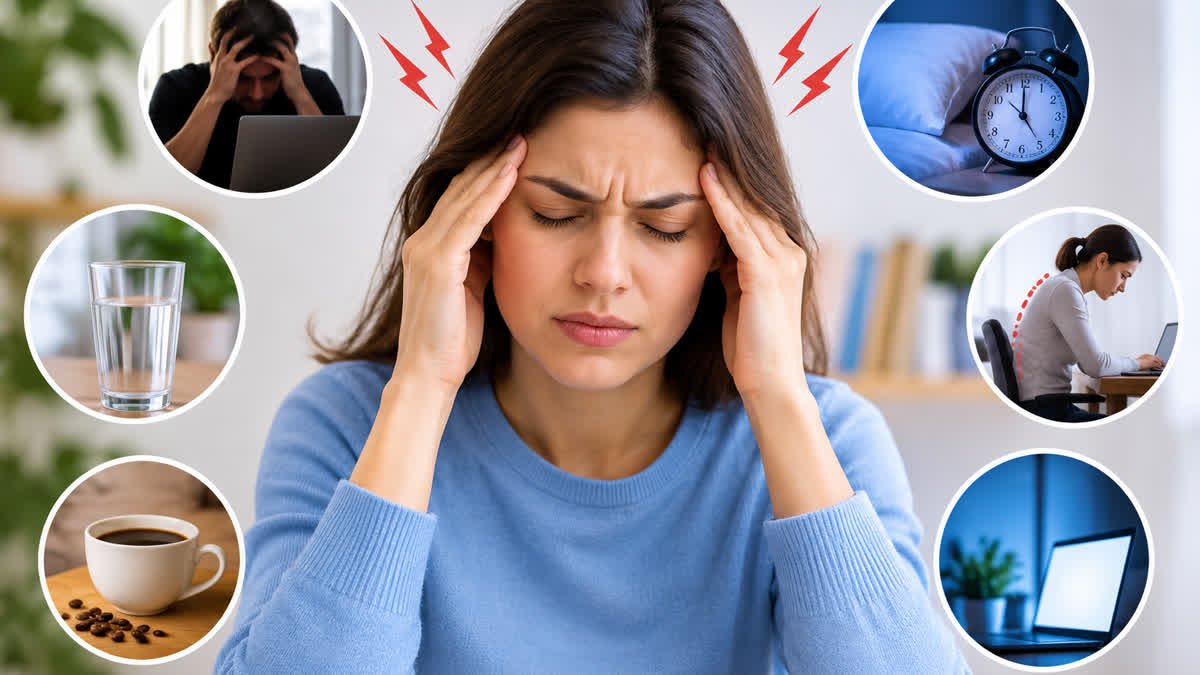

Imagine a dull, squeezing ache that starts mild in the morning and feels tighter with every hour at your desk. By afternoon, your forehead feels wrapped in a band, your neck is stiff, and concentrating takes real effort. For many people, this is what a tension headache feels like.
A tension headache is the most common type of primary headache, meaning it is not caused by another medical condition. It can interfere with work, school, and daily routines, even though the pain is usually mild to moderate. According to the National Institute of Neurological Disorders and Stroke (NINDS), tension-type headache is among the most frequently diagnosed headache disorders.
Triggers differ from person to person, and a factor that bothers one reader may have no effect on another. This guide explains what makes a tension headache worse, from stress and posture to sleep, screen time, and medication habits. You will also find practical prevention and relief strategies, plus clear guidance on when to seek medical care.
Understanding Tension Headaches
Before looking at what aggravates symptoms, it helps to understand what a tension headache is and how it behaves. This background also makes it easier to tell a tension headache apart from other headache types.
What Is a Tension Headache?
A tension headache, formally called a tension-type headache, is a common headache disorder marked by a pressing or tightening pain. Many people describe it as a band around the forehead or steady pressure on both sides of the head. The pain can also be felt at the temples, the back of the head, or the neck.
The pain is usually mild to moderate, although severity varies. Unlike migraine, it typically does not throb and is usually not made worse by routine physical activity. The exact mechanisms are still being studied, and researchers believe several factors play a role, including how the nervous system processes pain. The Mayo Clinic notes that the precise cause is not fully understood.
For a deeper look at possible origins, see our guide to tension headache causes and our overview of what causes headaches.
Common Symptoms of Tension Headaches
Tension headache symptoms are often recognizable, though they can overlap with other headache types. Common features include:
- Dull, aching pain on both sides of the head
- Pressure or tightness around the forehead
- Tenderness in the scalp, neck, or shoulder muscles
- General discomfort around the head
- Difficulty concentrating during an episode
Nausea and vomiting are less typical of tension-type headaches than of migraines. If you notice significant nausea, pronounced sensitivity to both light and sound, or throbbing pain, the headache may have migraine features. You can learn more about the early signs of tension headache on CollectedMed.
Episodic vs. Chronic Tension Headaches
The International Classification of Headache Disorders (ICHD-3) divides tension-type headache by how often it occurs. Episodic tension-type headaches happen on fewer than 15 days per month. They are further divided into infrequent (less than one day per month) and frequent (one to 14 days per month) forms.
Chronic tension-type headaches occur on 15 or more days per month for more than three months. Individual episodes can last from about 30 minutes to several days.
Chronic tension headache can be more disruptive and harder to manage. Frequent headaches deserve a medical assessment to identify contributing factors and appropriate treatment.
What Makes a Tension Headache Worse?
Short answer: A tension headache can become worse due to several factors, including stress, poor posture, lack of sleep, dehydration, prolonged screen time, skipped meals, caffeine withdrawal, and neck or shoulder muscle tension. Frequent use of pain medication can also contribute to recurring headaches. Identifying personal triggers and maintaining healthy daily habits may help reduce headache frequency and discomfort.
Tension headaches can be aggravated by a combination of emotional, muscular, environmental, and behavioral factors. Not everyone shares the same triggers, and several factors often overlap. The twelve factors below are commonly reported, though the strength of evidence differs for each one.
It also helps to separate triggers from causes. A trigger may make an existing headache worse or more likely to start, but it does not necessarily explain why the headaches occur in the first place.
1. Stress and Emotional Tension
Stress is one of the most frequently reported contributors to tension headaches. Psychological stress may increase muscle tension and can make the nervous system more sensitive to pain. As a result, a mild headache may feel stronger during demanding periods.
Work pressure, family responsibilities, anxiety, and emotional distress are common sources. Many people notice that headaches become more frequent during deadlines, conflict, or major life changes.
Stress cannot always be avoided, but it can often be managed. Approaches such as deep breathing, regular physical activity, and relaxation practices may help. Our guides on how to reduce stress and the benefits of deep breathing offer practical starting points. If stress or anxiety feels constant, a healthcare professional or mental health provider can help.
2. Poor Posture and Prolonged Sitting
Holding the head and shoulders in an awkward position for long periods can strain the neck and upper back. Forward-head posture, rounded shoulders, and bending over a desk or phone are common examples. Sustained muscle tension in these areas may add to discomfort around the head and neck.
Poor posture is not the only cause of tension headaches, and it does not affect everyone equally. Still, it can be an aggravating factor for some people, especially during long workdays.
Learn more about what causes poor posture and how to relieve poor posture at home.
3. Lack of Sleep or Poor Sleep Quality
Sleep and headaches are closely linked. Too little sleep, irregular bedtimes, late-night screen use, and frequent sleep interruptions may all influence headache patterns. Sleep loss can also increase pain sensitivity, which may make existing symptoms feel worse.
Oversleeping or sudden changes to your sleep schedule may also be associated with headaches in some people. Consistency often matters as much as total hours.
If headaches often come with loud snoring or daytime sleepiness, it may be worth discussing sleep apnea with a clinician. For general guidance, see our article on how to improve sleep.
4. Prolonged Screen Time and Eye Strain
Long stretches of computer, smartphone, or tablet use may contribute to headaches. People tend to blink less while looking at screens, which can lead to dry, tired eyes. Fixed positioning can also add tension in the neck and shoulders.
Digital eye strain and tension-type headaches can occur together, and each may aggravate the other. Regular breaks and good screen placement can help.
Our guides on what causes eye strain and screen fatigue explain more. If eye discomfort persists, an eye exam can check whether vision correction is needed.
5. Dehydration and Inadequate Fluid Intake
Dehydration can cause headaches and may aggravate symptoms in susceptible people. Not drinking enough fluids, heavy sweating, hot weather, and illness with vomiting or diarrhea can all contribute.
People who regularly forget to drink water may notice headaches more often. Evidence on hydration and tension-type headache specifically is limited, so it is best viewed as one possible factor rather than a universal explanation.
There is no single water target that fits everyone, because needs vary with body size, activity, climate, and health conditions. See benefits of hydration and how to build a hydration habit for practical tips.
6. Skipping Meals and Irregular Eating Habits
Long gaps between meals may trigger headaches in some people. Hunger and changes in blood glucose are possible explanations, though research is not conclusive. Busy schedules and restrictive eating patterns can both lead to inconsistent meals.
Eating regular, balanced meals may help reduce this trigger. Our article on meal timing and our guide to what a balanced diet looks like can help you plan.
If you have diabetes or another condition that affects blood sugar, ask your healthcare team about meal timing that is safe for you.
7. Excessive Caffeine or Sudden Caffeine Withdrawal
Caffeine affects the nervous system, and its relationship with headaches is complicated. In some people, high caffeine intake may contribute to headaches. In others, a small amount is part of a routine that feels normal.
Suddenly reducing or stopping regular caffeine can cause a withdrawal headache. This can happen after a skipped morning coffee or a weekend routine change.
Consistent, moderate intake is generally easier on many people than large swings. If you want to cut back, doing so gradually is often more comfortable.
8. Neck, Shoulder, and Jaw Muscle Tension
Tight, tender muscles in the neck and shoulders often accompany tension-type headaches. Prolonged muscle contraction and muscular discomfort may add to the problem. However, researchers do not believe that muscle tightness alone explains every tension headache.
Teeth clenching, jaw tension, and nighttime grinding may also contribute to head and facial discomfort. If you wake with jaw soreness or notice clenching during the day, mention it to a healthcare professional or dentist.
9. Physical and Mental Overexertion
Long, demanding days without enough rest may aggravate headaches in some people. Heavy workloads, repetitive tasks, sustained concentration, and too few breaks can all add up.
Ordinary physical activity does not necessarily worsen tension-type headaches, and regular exercise may even help some people. However, a new headache that is triggered by exertion needs appropriate medical assessment and should not be assumed to be a tension headache.
See our guide to the benefits of exercise for general information.
10. Bright Lights, Noise, and Environmental Discomfort
Harsh lighting, loud sounds, uncomfortable temperatures, and overstimulating spaces may increase discomfort during a headache. Some sensitivity to light or sound can occur with tension-type headaches, usually mild and affecting only one of the two.
Pronounced sensitivity to both light and sound can suggest migraine instead. Noticing which environments make you feel worse can help you plan your day.
11. Frequent Use of Pain Medication
Medication-overuse headache is a headache pattern that develops when pain relievers are used too often. It can make headaches more frequent and harder to treat. The risk depends on the type of medication and how often it is taken.
According to the ICHD-3 criteria, the pattern can apply when simple pain relievers are used on 15 or more days per month, or when triptans, opioids, or combination pain medications are used on 10 or more days per month, for more than three months. A clinician must make this diagnosis in the context of a person’s full history.
If you find yourself reaching for pain relievers often, or increasing the dose, talk with a healthcare professional rather than adjusting on your own. Our article on tension headache treatment options covers care approaches in more detail.
12. Hormonal Changes and Individual Health Factors
Hormonal shifts, particularly around menstruation, can influence headache patterns in some people. Underlying health conditions and differences in pain sensitivity also play a role.
Hormone-related headaches often have migraine features, so they should not automatically be labeled tension headaches. Tracking when headaches occur in relation to your cycle or other health changes can help your clinician understand your pattern.
Lifestyle Habits That Can Aggravate Tension Headaches
Everyday habits rarely act alone. Several small factors can combine to make headaches more frequent or uncomfortable. The habits below are worth a closer look.
Spending Too Much Time in One Position
Long hours of desk work, driving, or sedentary routines can keep the neck and shoulders in the same position for too long. Changing position and taking short movement breaks may help ease muscle tension.
If your days are mostly seated, our guide to the early signs of a sedentary lifestyle may be useful.
Ignoring Early Headache Symptoms
Pushing through strenuous or stressful activity despite early discomfort can make symptoms harder to manage. When you first notice tightness or pressure, consider taking a break, drinking some water, eating if you are hungry, and addressing any obvious trigger.
Maintaining an Irregular Daily Routine
Inconsistent sleep, meals, hydration, and caffeine habits can leave the body without a steady rhythm. A more stable routine may help reduce headache frequency for some people, although results vary.
Not Allowing Enough Time for Relaxation
Continuous work without recovery time can build both physical and mental tension. Regular relaxation and appropriate rest are part of headache management, not a luxury.
How to Prevent Tension Headaches From Getting Worse
Prevention works best when it is practical and realistic. You do not need to change everything at once. Start with one or two habits that fit your life.
Maintain a Consistent Sleep Schedule
Aim for regular bedtimes and wake-up times, even on weekends when possible. Keep your bedroom comfortable, dark, and quiet, and avoid habits that interfere with sleep, such as late-night screen use.
Our guides on how to build a sleep schedule and the benefits of a sleep schedule can help.
Improve Posture and Workspace Ergonomics
Small workspace changes can reduce strain over a long day:
- Keep screens near eye level
- Support your lower back
- Keep your shoulders relaxed
- Avoid prolonged neck bending
- Take regular movement breaks
See how to build a good desk posture habit for more ideas.
Manage Daily Stress
Deep breathing, meditation, mindfulness, gentle stretching, and relaxing activities can all help some people manage stress. Consistency tends to matter more than intensity.
If stress or anxiety is persistent, professional support can make a real difference. Our overview of therapy explains common options.
Stay Hydrated and Eat Regularly
Drink fluids throughout the day and avoid regularly skipping meals. A balanced eating routine supports steady energy and may reduce one possible trigger.
Keep a Headache Diary
A headache diary is one of the most useful tools for finding personal triggers. It can also give your clinician clear information. Consider recording:
- When each headache begins and how long it lasts
- Pain location and intensity
- Sleep quality
- Meals and fluid intake
- Caffeine consumption
- Stress levels
- Medication use
- Activities or circumstances before symptoms began
Repeated patterns can help you and your clinician recognize individual triggers. Our article on the benefits of journaling offers tips on building the habit.
How to Relieve an Existing Tension Headache
The options below are general self-care approaches. They may help some people but will not work for everyone.
Rest in a Comfortable Environment
Take a short break from demanding activities. Choose a quiet, comfortable space and reduce harsh lighting if it bothers you. Even a few minutes away from a screen can help.
Apply a Warm or Cold Compress
Some people find relief from a warm compress on the neck and shoulders. Others prefer a cool compress on the forehead. Use whichever feels comfortable, and protect your skin with a cloth barrier.
Try Gentle Neck and Shoulder Stretching
Gentle range-of-motion movements may ease muscle tightness. Stretching should never cause pain. Avoid forceful neck manipulation or sudden twisting motions.
Consider Over-the-Counter Pain Relief Carefully
Over-the-counter options such as acetaminophen or NSAIDs (for example, ibuprofen) are commonly used for tension headaches when medically appropriate. Follow the product directions and consider your own health conditions, other medications, and any contraindications. People with kidney, liver, stomach, or heart conditions, those who are pregnant, and those taking blood thinners should check with a clinician or pharmacist first.
Frequent use can contribute to medication-overuse headache, as described above. If you need pain relief regularly, speak with a healthcare professional. The NHS guidance on tension-type headaches also offers general information on self-care and when to seek help.
When Should You See a Doctor for a Tension Headache?
Most tension headaches are not dangerous, but some headaches need prompt attention. Knowing the difference matters.
Seek Medical Advice for Persistent or Frequent Headaches
Make an appointment with a healthcare professional if:
- Headaches become more frequent
- Pain is getting progressively worse
- Headaches interfere with work or daily activities
- Symptoms do not improve with appropriate self-care
- You need pain medication often
- Your usual headache pattern changes
Recognize Headache Warning Signs
Some headaches require urgent or emergency care. Seek immediate medical attention if you experience:
- A sudden, extremely severe headache that peaks within seconds or minutes
- New weakness, numbness, confusion, fainting, seizures, or difficulty speaking
- Headache with fever and a stiff neck
- Headache after a significant head injury
- New vision loss or other serious visual symptoms
These symptoms should not be assumed to be an ordinary tension headache. When in doubt, seek care. The MedlinePlus headache page also lists situations that call for prompt evaluation. If you believe it is an emergency, call 911 or your local emergency number.
Frequently Asked Questions
What is the most common trigger for a tension headache?
Stress is one of the most frequently reported contributors to tension headaches. However, triggers differ between individuals, and many people have more than one. A headache diary can help you identify yours. See the NINDS headache overview for general background.
Can sleeping too much make tension headaches worse?
It may in some people. Both too little sleep and sudden changes in sleep schedule or irregular sleep patterns have been linked to headaches. A consistent sleep routine is generally a reasonable goal.
Can dehydration cause tension headaches?
Dehydration can cause headaches and may aggravate symptoms in people who are sensitive to it. It is not the explanation for every tension headache. Drinking fluids regularly through the day is a sensible habit, though needs vary by person.
Does lying down help a tension headache?
Resting in a comfortable position and a quiet space may help some people. Lying down does not relieve every headache, though. If symptoms are persistent, unusual, or severe, seek medical evaluation.
How long can a tension headache last?
According to ICHD-3, an episode can last from about 30 minutes to several days. Chronic tension-type headache involves headaches on 15 or more days per month for over three months.
Can tension headaches become chronic?
Episodic headaches can develop into chronic tension-type headaches in some people. Factors such as stress, poor sleep, and frequent medication use may play a role. Frequent headaches should be assessed by a healthcare professional.
Conclusion
A tension headache can be made worse by many factors, including stress, poor posture, disrupted sleep, dehydration, prolonged screen time, skipped meals, caffeine changes, muscle tension, and frequent use of pain medication. Triggers vary from person to person, and most people have more than one.
Tracking your symptoms, keeping steady daily routines, and seeking medical advice for recurring or worsening headaches are practical steps. Understanding your own triggers is an important part of managing headaches over time.
Sources
- National Institute of Neurological Disorders and Stroke. Headache
- Mayo Clinic. Tension headache: Symptoms and causes
- NHS. Tension-type headaches
- International Classification of Headache Disorders, 3rd edition (ICHD-3). Tension-type headache
- International Classification of Headache Disorders, 3rd edition (ICHD-3). Medication-overuse headache
- MedlinePlus. Headache
Medical Disclaimer: This article is for general educational purposes only and is not a substitute for professional medical advice, diagnosis, or treatment. Always talk with a qualified healthcare provider about your symptoms or health concerns. If you think you are having a medical emergency, call 911 or your local emergency number right away.
1 thought on “What Makes a Tension Headache Worse? 12 Common Triggers to Know”
Comments are closed.