
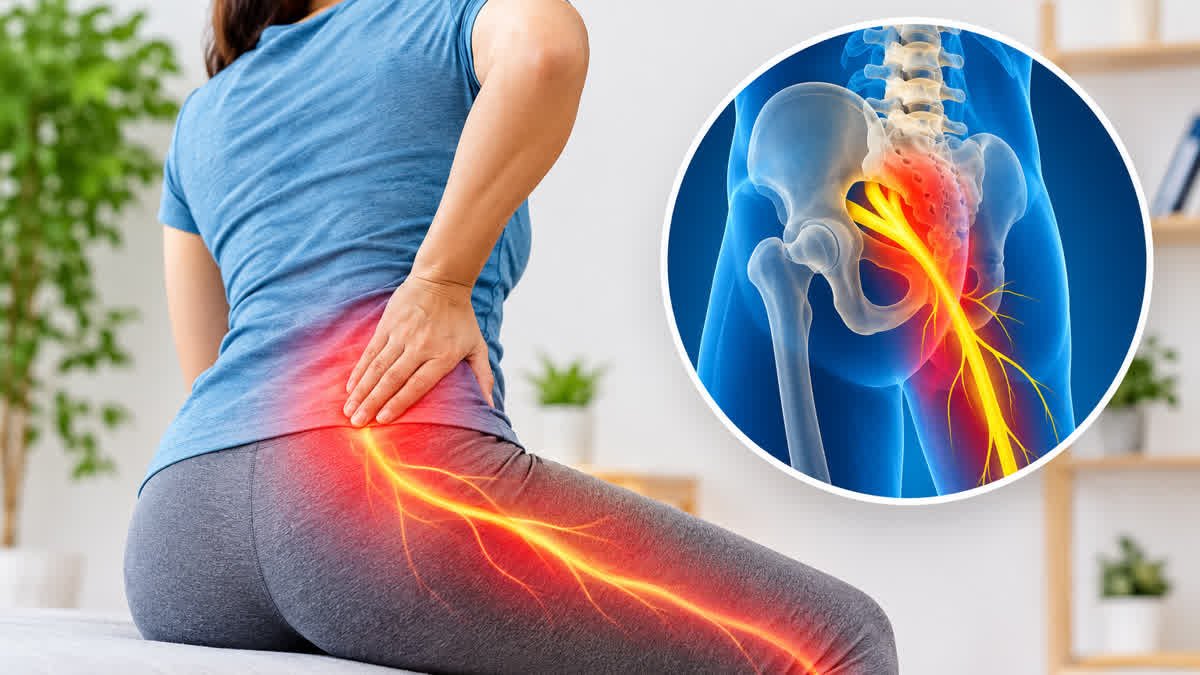

Sciatica is pain, and sometimes tingling, numbness, or weakness, that travels from the lower back or buttock down one leg. It usually happens when a nerve root that contributes to the sciatic nerve is irritated or compressed. The discomfort can range from a dull ache to a sharp, burning, or electric-like sensation, and it often makes sitting, bending, or coughing feel worse.
The reassuring news is that many people with sciatica improve over several weeks to a few months, often with conservative care such as staying active, using simple comfort measures, and working with a physical therapist. When symptoms linger or are severe, other sciatica treatment options exist, including medication, epidural steroid injections, and, for selected people, surgery. Each option has a different purpose, and each comes with limits.
The right approach depends on the cause, the severity, and how long symptoms have lasted. This guide explains what sciatica is, how it is diagnosed, what each treatment does, and when to seek medical care. It is general information, not a substitute for an evaluation by a healthcare professional.
Emergency warning signs: get medical care right away. Seek emergency care (call 911 in the U.S.) if you have severe or worsening weakness or numbness in both legs, numbness around the genitals or anus (sometimes called saddle numbness), sciatica on both sides, or new trouble controlling your bladder or bowels. These can be signs of a rare but serious condition called cauda equina syndrome, which needs urgent assessment. The NHS and Mayo Clinic both list these symptoms as reasons for immediate care.
What Is Sciatica?
The sciatic nerve is the longest nerve in the body. It forms from nerve roots in the lower spine, passes through the buttock, and runs down the back of each leg. Sciatica is not a diagnosis by itself but a pattern of symptoms, often called lumbar radiculopathy when a spinal nerve root is involved. According to the NHS, it happens when the sciatic nerve is irritated or compressed, and it usually improves within weeks to months but can last longer.
What Causes Sciatica?
Sciatica has several possible causes, and the most common involve changes in the spine that put pressure on a nerve root:
- Herniated or slipped disc: The soft cushion between spinal bones pushes outward and presses on a nerve. This is the most common cause, and it becomes more likely with age, according to the NHS.
- Spinal stenosis: The spaces where nerves pass through the spine become narrow.
- Degenerative changes: Age-related wear in the discs and joints, including bone spurs, can crowd a nerve root. Mayo Clinic notes that bone overgrowth is a frequent cause.
- Spondylolisthesis: One spinal bone slips out of position over the one below it.
- Injury or irritation: A back injury, or in rare cases a tumor or infection, can affect a nerve root.
Risk factors can include older age, excess body weight, a job that involves heavy lifting or long periods of driving, prolonged sitting, diabetes, and smoking. To learn more about how back problems develop, see our guide on what causes back pain and our overview of a sedentary lifestyle.
Common Symptoms of Sciatica
Sciatica symptoms usually affect one side of the body. People often describe:
- Radiating pain in the buttock and down the back of the leg, sometimes reaching the foot
- A sharp, burning, or electric-like sensation
- Tingling or pins and needles
- Numbness in part of the leg or foot
- Muscle weakness in some cases
Symptoms can start suddenly or build slowly. They may be worse with sitting, coughing, or sneezing.
Sciatica vs. General Lower Back Pain
General lower back pain is felt mainly in the lower back. Sciatica follows a nerve pathway, so the leg symptoms are often more bothersome than any back pain. The NHS notes that you probably do not have sciatica if you only have back pain.
Not every instance of leg pain is sciatica. Hip problems, joint pain, circulation problems, and other conditions can feel similar, which is one reason a proper assessment matters. You can read more in our articles on joint pain and exercises for lower back pain.
How Is Sciatica Diagnosed?
Diagnosis usually starts with a conversation and a physical exam. Treatment decisions work best when they follow a proper assessment rather than guesswork, especially if symptoms are severe or not improving.
Physical Examination
A clinician will typically ask where the pain travels, when it began, what makes it better or worse, and whether you have numbness, weakness, or changes in bladder or bowel function. The exam may include:
- Checking muscle strength, for example by asking you to walk on your toes or heels or rise from a squat
- Testing reflexes and sensation in the legs and feet
- Observing how you move
- Nerve-tension tests, such as lifting each leg while you lie on your back
Mayo Clinic describes these steps as a standard part of evaluating sciatica.
When Are Imaging Tests Needed?
Many people with uncomplicated sciatica do not need imaging right away. The UK’s National Institute for Health and Care Excellence (NICE) guideline NG59 advises against routine imaging in non-specialist settings unless a serious underlying cause is suspected, and suggests specialist MRI only when the result is likely to change management.
Imaging may be considered when symptoms are severe, persist despite treatment, or when an injection or surgery is being planned:
- MRI: Shows soft tissues, so herniated discs and pinched nerves are visible.
- X-ray: Shows bone changes that can narrow the spaces where nerves exit the spine.
- CT scan: Used in selected situations, sometimes with contrast dye (CT myelogram).
Sometimes nerve testing such as electromyography (EMG) is used to gauge how much a nerve root is affected, according to Mayo Clinic. Imaging findings do not always match symptoms, because disc changes also appear in people without pain. That is why results are interpreted alongside the exam.
Sciatica Treatment at Home
For most people, the first steps in sciatica treatment are simple and can be started at home. Mayo Clinic notes that most people respond to self-care measures. Home care may help manage symptoms, but it is not a cure, and persistent or worsening symptoms need professional assessment.
Stay Active and Avoid Prolonged Bed Rest
It may feel natural to lie down when your leg hurts, but long periods of rest tend to backfire. The NHS advises carrying on with normal activities as much as possible and avoiding sitting or lying down for long stretches. NICE also recommends encouraging people to continue normal activities. Resting for a day or so may help, but staying inactive can make symptoms worse, according to Mayo Clinic.
Heat and Cold Therapy
Heat or cold packs may offer temporary comfort. Mayo Clinic suggests a cold pack for up to 20 minutes several times a day at first, then switching to heat after a few days, or alternating the two. Whichever you choose:
- Wrap the pack in a thin towel so it never touches bare skin
- Use a heating pad on the lowest setting
- Do not fall asleep on a heating pad
- Take extra care if you have reduced sensation in the area, since you may not feel a burn or frostbite developing
Gentle Movement and Position Changes
Gentle movement helps keep the back and leg mobile. Helpful habits include:
- Taking short walks and building up gradually (our guide to walking for health can help you pace yourself)
- Changing positions regularly rather than sitting or standing for long periods
- Avoiding activities that consistently worsen your leg symptoms
- Returning to everyday routines in small steps
If you work at a desk, small changes to your setup may reduce strain. See our tips on good desk posture.
Sleep and Comfortable Positions
Sciatica can disrupt sleep, and no single position works for everyone. Some people find relief by placing a small, firm pillow between the knees when lying on their side, or by placing pillows under the knees when lying on their back. This is a comfort strategy, not a treatment, so try a few positions and keep what feels best. For broader guidance, see how to improve sleep.
What to Avoid During a Sciatica Flare-Up
- Prolonged bed rest: It can slow recovery.
- Aggressive stretching through pain: Pushing into sharp or shooting pain may irritate the nerve further.
- Heavy lifting when symptoms are aggravated: Wait until symptoms settle.
- Unverified cure claims: Be cautious with products or devices that promise permanent relief. Evidence for many of them is limited.
If self-care does not help after a few weeks, or if symptoms are getting worse, the NHS recommends seeing a clinician.
Physical Therapy and Exercises for Sciatica
Exercise is a core part of sciatica treatment, but it should fit the person. NICE recommends exercise-based management for low back pain with or without sciatica, and advises choosing the type of exercise based on a person’s needs, preferences, and abilities.
How Physical Therapy Helps
A physical therapist (called a physiotherapist in many countries) can assess how you move and design a plan around your symptoms. Physical therapy may help by:
- Identifying movements that aggravate or ease your symptoms
- Improving mobility and function
- Building strength gradually
- Helping you feel more confident returning to daily activities
- Supporting long-term recovery and reducing the chance of recurrence
Mayo Clinic notes that once pain improves, a program often focuses on posture, core strength, and range of motion.
Types of Exercises a Physical Therapist May Recommend
The plan depends on your diagnosis, but it may include:
- Gentle mobility exercises to keep the spine and hips moving
- Core and trunk strengthening to support the lower back
- Walking or other low-impact aerobic activity
- Individualized stretching, where appropriate
The NHS offers a set of exercises for sciatica as general examples. You may also find our guides on strength training for beginners and how to improve flexibility useful once your clinician says activity is appropriate.
Are Sciatica Stretches Always Helpful?
Not always. Stretching the low back can provide some relief for some people, and Mayo Clinic suggests holding a stretch for at least 30 seconds while avoiding jerking, bouncing, or twisting. However, a movement that helps one person can aggravate another person’s nerve pain, depending on the cause.
Stop any exercise that causes significant worsening of leg pain, numbness, or weakness, and ask a healthcare professional for guidance. Mild discomfort during activity is different from sharp, shooting, or spreading symptoms.
Manual Therapy and Massage
Massage or spinal mobilization may be used as part of a broader rehabilitation plan. NICE considers manual therapy only as part of a treatment package that includes exercise, not as a stand-alone approach. Massage may help loosen tight muscles in the back and hips, but it does not remove pressure from a compressed nerve root. NICE also advises against traction for low back pain with or without sciatica.
Medications for Sciatica Pain
Medication can play a role in managing sciatica, but the evidence is more limited than many people expect, and the safest choice depends on the individual. This section is educational, not a recommendation to start any medicine.
Over-the-Counter Pain Relief
Nonsteroidal anti-inflammatory drugs (NSAIDs), such as ibuprofen and naproxen, are sometimes used for sciatica. Mayo Clinic says they are sometimes helpful when used as directed. The NHS, however, notes that it is not clear how much NSAIDs help with sciatica and that acetaminophen (paracetamol in the U.K.) is unlikely to help.
NSAIDs can also carry risks, including:
- Stomach irritation, ulcers, or bleeding
- Kidney problems
- Liver problems in some situations
- Higher blood pressure and cardiovascular risks
Whether an NSAID is suitable depends on your age, other health conditions, and other medicines you take. If you have kidney disease, heart disease, stomach ulcers, high blood pressure, or take blood thinners, speak with a pharmacist or clinician first. See our article on high blood pressure for related background.
Prescription Medications
Several prescription medicines are used in clinical practice for sciatica, but not all have strong evidence behind them. Mayo Clinic lists anti-inflammatories, corticosteroids, antidepressants, anti-seizure medications, and opioids as medicines that might be used.
A closer look at the evidence:
- Gabapentinoids (such as gabapentin and pregabalin): Often prescribed for nerve pain, but NICE’s 2020 update advises against offering them for sciatica.
- Oral corticosteroids: NICE advises against offering them for sciatica, because overall benefit is lacking and side effects are possible.
- Benzodiazepines: NICE advises against them for sciatica, and they carry risks such as sedation and dependence.
- Opioids: NICE advises against them for sciatica. They can cause drowsiness, constipation, and dependence, and evidence of benefit for sciatica is limited.
U.S. practice varies, and some clinicians may still prescribe these medicines in particular circumstances. Guidelines differ across countries, so discuss the benefits and risks openly with your own clinician.
Why Medication Should Be Individualized
Medicines work differently from person to person, and interactions are common. Do not start, stop, or change a prescription medicine based on an online article. If pain is not controlled, or if a medicine causes side effects, contact your prescriber or pharmacist rather than adjusting the dose yourself.
Sciatica Injections and Other Advanced Treatments
When conservative care does not provide enough relief, a clinician may discuss procedures. These are typically considered after other approaches have been tried, or sooner when pain is severe.
Epidural Steroid Injections
An epidural steroid injection delivers a corticosteroid medication into the space around the irritated nerve root, with the aim of reducing inflammation and pain. NICE says it can be considered for people with acute and severe sciatica. The NHS also lists epidural injections among options a GP may refer for.
What to know:
- It may provide temporary relief, which can give you a window to take part in rehabilitation.
- It does not necessarily correct the underlying cause, such as a herniated disc.
- Mayo Clinic notes that one injection often reduces pain and that up to three may be given in a year.
- Like any procedure, it carries risks that your clinician should explain.
Other Pain Management Procedures
Specialists may consider other pain-management procedures in selected cases, depending on the diagnosis. It is important to distinguish between procedures intended for different kinds of back pain and those used for nerve-root symptoms. For example, radiofrequency denervation is aimed at certain types of back pain and is not a standard treatment for every case of sciatica. The NHS mentions it as a possible referral option for severe pain that has not responded to treatment, so ask a specialist whether it applies to your situation.
When Should You Consider Specialist Care?
A referral for further evaluation may be reasonable if you have:
- Persistent pain that has not improved with appropriate treatment
- Reduced function that limits work or daily life
- Worsening numbness or weakness
Surgery for Sciatica
Surgery is not the first treatment for most uncomplicated cases, but it can be appropriate for selected patients.
When Is Sciatica Surgery Considered?
Surgery may be discussed in situations such as:
- Persistent, disabling symptoms despite appropriate non-surgical treatment
- Imaging findings that match the symptoms and examination
- Significant neurological concerns, such as severe weakness or loss of bowel or bladder control
NICE recommends considering spinal decompression when non-surgical treatment has not improved pain and symptoms, and when imaging is consistent with the symptoms. Mayo Clinic similarly says surgery is usually reserved for severe weakness, loss of bowel or bladder control, or pain that does not improve with other treatments.
Common Surgical Approaches
- Discectomy or microdiscectomy: A surgeon removes the portion of a herniated disc that is pressing on a nerve, often using a small incision and magnification.
- Spinal decompression: A surgeon removes bone, bone spurs, or other tissue (as in a laminectomy) to create more room for the nerve.
The approach depends on the cause, and your surgeon will explain which one fits your imaging and symptoms.
Does Sciatica Surgery Guarantee Relief?
No. Outcomes vary from person to person, and surgery has risks, including infection, bleeding, nerve injury, and the chance that symptoms persist or return. A specialist should weigh the likely benefits against alternatives, and getting a second opinion is reasonable.
Comparing Sciatica Treatment Options
This table summarizes how common options differ. Treatment choice depends on your individual diagnosis and clinical assessment, so use it as a conversation starter rather than a plan.
| Treatment | Main purpose | When it may be considered |
|---|---|---|
| Staying active | Maintain function and support recovery | Most uncomplicated cases |
| Physical therapy | Improve movement, strength, and function | Persistent symptoms or rehabilitation needs |
| Medication | Manage selected symptoms | When a clinician considers it appropriate |
| Epidural injection | May provide short-term relief in selected cases | Acute, severe sciatica |
| Surgery | Relieve pressure on affected nerve structures | Selected cases with persistent symptoms or neurological concerns |
How Long Does Sciatica Take to Improve?
Acute vs. Persistent Sciatica
Many episodes of sciatica improve over several weeks. The NHS says it usually gets better within a few weeks to a few months, though it can last longer. Some people have symptoms that continue beyond that, and these cases deserve a closer look.
Factors That May Affect Recovery
- The underlying cause
- Symptom severity
- How much sciatica limits daily function
- Appropriate activity and rehabilitation
- Whether nerve compression or another condition needs specific treatment
Healthy habits, such as weight management and regular movement, may support overall recovery, though they are not a guarantee.
Can Sciatica Come Back?
Yes, recurrence is possible. The NHS notes that it can return if you have had it before. Staying active, avoiding smoking, maintaining a healthy weight, using safe lifting technique, and following the rehabilitation plan your clinician gives you may support long-term function. For ideas on building lasting habits, see our guide to how to build a step count habit.
When Should You See a Doctor for Sciatica?
Contact a healthcare professional if:
- Pain has not improved after a few weeks of home care
- Symptoms are getting worse or interfering with normal activities
- You notice new or increasing weakness
- Numbness is persistent
- Pain is severe or follows a major injury
Go to the emergency department or call 911 for severe or worsening weakness or numbness in both legs, numbness around the genitals or anus, sciatica on both sides, or new difficulty controlling your bladder or bowels. These may signal cauda equina syndrome, which requires urgent hospital care. Do not drive yourself if you feel unwell; ask someone to take you or call an ambulance. The NHS provides the same guidance.
Frequently Asked Questions About Sciatica Treatment
What Is the Best Treatment for Sciatica?
There is no single best treatment, because the right choice depends on the cause and severity. Many cases begin with conservative management, such as staying active and, when appropriate, physical therapy. A clinician can help decide whether medication, injections, or other options make sense. See the NHS treatment page for an overview.
Can Sciatica Go Away on Its Own?
Many cases improve over time, often within weeks to a few months, according to the NHS. Some cases linger or need medical assessment or further treatment. If symptoms are not improving, ask a healthcare professional to review them.
Is Walking Good for Sciatica?
Gentle walking may help you stay active, which the NHS and NICE both encourage. The amount should match your symptoms and tolerance. If walking noticeably worsens leg pain, numbness, or weakness, shorten the distance and talk with a clinician. Our guide on how many steps a day you should walk offers general context.
Can Sciatica Be Cured Without Surgery?
Many people improve without surgery, and Mayo Clinic notes that most people respond to self-care. Surgery is reserved for selected cases where symptoms, examination, and imaging support it. Because sciatica can return, “cure” is not always the right word, and ongoing movement and back care matter.
What Should I Avoid If I Have Sciatica?
Avoid prolonged bed rest, aggressive movements or stretches that worsen your symptoms, and heavy lifting during a flare-up. Be cautious with unverified products that claim to cure sciatica permanently. Smoking is also linked with a higher risk of sciatica, according to the NHS.
When Does Sciatica Become Serious?
Sciatica becomes an emergency with severe or worsening weakness in both legs, numbness around the genitals or anus, or new bladder or bowel control problems. Seek urgent care right away if these occur, as they may indicate cauda equina syndrome.
Also see a clinician promptly for progressive weakness or pain that does not improve, as described by Mayo Clinic.
Sources
- National Institute for Health and Care Excellence (NICE). Low back pain and sciatica in over 16s: assessment and management (NG59). Last reviewed December 2020.
- NHS. Sciatica overview.
- NHS. Sciatica treatment.
- NHS. Exercises for sciatica.
- Mayo Clinic. Sciatica: symptoms and causes.
- Mayo Clinic. Sciatica: diagnosis and treatment.
- Mayo Clinic. Sciatica: self-care, injections, and surgery.
Medical Disclaimer: This article is for general educational purposes only and is not medical advice. It does not diagnose any condition or replace a visit with a qualified healthcare professional who knows your health history. Do not ignore professional advice or delay seeking care because of something you read here. If you think you may have a medical emergency, such as new weakness in both legs, numbness around the groin, or loss of bladder or bowel control, call 911 or your local emergency number right away.
2 thoughts on “Sciatica Treatment Options Explained: What Helps Relieve Nerve Pain?”
Comments are closed.