
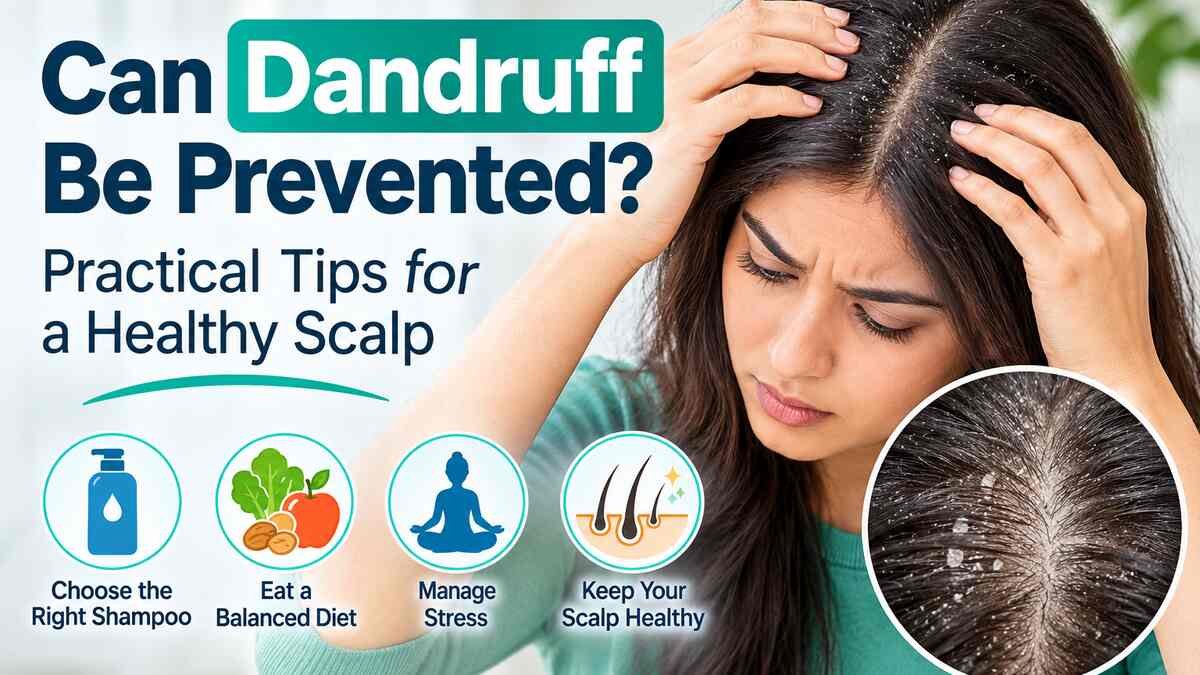

Can dandruff be prevented? In many cases, you can lower your chances of frequent flare-ups by keeping up a healthy scalp care routine. However, dandruff is influenced by natural oil production, skin sensitivity, and a yeast that normally lives on the scalp, so it cannot always be prevented entirely. Understanding what drives it can help you keep flakes and itching under control.
Dandruff is a common scalp condition marked by visible flakes and, sometimes, itching. It can show up at any age, and it does not mean your hair or scalp is dirty. Contributing factors include excess scalp oil, Malassezia yeast, skin sensitivity, and certain skin conditions such as seborrheic dermatitis.
In this article, you will learn what causes dandruff, how it differs from a dry scalp, and 10 practical prevention tips. You will also find guidance on anti-dandruff shampoos, lifestyle habits, why dandruff can return, and when to see a dermatologist. A steady routine and a better understanding of your own triggers can go a long way.
What Is Dandruff?
Dandruff is a common scalp condition in which the skin sheds visible flakes. Your scalp naturally sheds dead skin cells all the time. With dandruff, the shedding becomes more noticeable, and the scalp may feel itchy or irritated.
The Mayo Clinic describes dandruff as a common condition that causes flaking and itching, and it is not contagious. For a broader overview, see our dandruff guide and our article on how common dandruff is.
Common signs and symptoms of dandruff
Dandruff can look and feel different from person to person. Common signs include:
- White or yellowish flakes on the scalp and in the hair.
- Itching and scalp irritation.
- Flakes on clothing, especially around the shoulders.
- A scalp that looks or feels oily or dry.
- Occasional mild redness or irritation.
Is dandruff the same as a dry scalp?
Not exactly, though the two can look alike. Dandruff is often linked to excess oil and skin irritation. Its flakes tend to be larger and may look greasy or yellowish, and it can come with itching and some redness. It is often associated with seborrheic dermatitis.
A dry scalp is usually caused by moisture loss, often from dry weather or harsh products. Its flakes are typically smaller and drier, and the scalp may feel tight or itchy. Our guide to dry skin explains more.
Symptoms can overlap, and persistent or unusual scaling may have another cause. If you are unsure, a healthcare professional can help.
Can Dandruff Be Prevented?
To a certain extent, yes. Dandruff prevention is possible for many people, but it is not guaranteed. Some people are simply more prone to it because of genetics, skin sensitivity, and oil production.
Malassezia lives naturally on the scalp of most adults, so getting rid of it entirely is neither realistic nor necessary. The American Academy of Dermatology (AAD) notes that researchers are still studying the causes, which appear to be complex.
Consistent scalp care may help reduce excess oil, irritation, and flaking. People who get dandruff repeatedly may need ongoing use of an anti-dandruff shampoo. Harvard Health notes that there is no sure way to prevent dandruff, but regular use of an anti-dandruff shampoo can control the problem.
For most people, a realistic goal is fewer flare-ups and milder symptoms, not a permanent end to dandruff.
What Causes Dandruff?
Prevention works best when you understand what may be behind your symptoms. Several factors can contribute, and they often work together.
Excess scalp oil production
Your scalp produces an oily substance called sebum. In people who are susceptible, excess oil can create an environment where flaking becomes more likely. This is why people with oily scalps often benefit from a regular washing routine.
Malassezia yeast
Malassezia is a yeast that lives on the skin of most adults. It feeds on scalp oils, and in some people the skin reacts with irritation and faster shedding. Why some people react more strongly than others is not fully understood.
Seborrheic dermatitis
Dandruff is closely linked to seborrheic dermatitis, an inflammatory skin condition. Harvard Health describes dandruff as a mild form of it. More severe cases can involve redness, greasy scales, and inflammation, and may also affect the eyebrows, ears, and sides of the nose.
Environmental and lifestyle triggers
Some factors may aggravate dandruff instead of directly causing it. These include:
- Cold or dry weather.
- Stress and emotional strain.
- Irregular or unsuitable hair washing.
- Hair care products that irritate the scalp.
- Individual skin sensitivity.
They do not affect everyone in the same way. Our article on common factors that trigger dandruff flare-ups goes into more detail.
Other skin conditions
Psoriasis, eczema, and contact dermatitis can also cause scalp flaking that looks like dandruff. If your symptoms do not respond to usual care, another condition may be involved.
How to Prevent Dandruff: 10 Practical Tips
There is no guaranteed way to prevent dandruff. These steps can help reduce your risk of flare-ups and keep your scalp comfortable.
1. Wash your hair regularly
Regular washing helps remove excess oil, dead skin cells, and product buildup. How often you should wash depends on your hair type, how oily your scalp is, and your individual needs. Daily washing is not necessary for everyone.
The AAD notes that hair type matters. For example, people with curly or coily hair may need to shampoo less often than people with straight, oily hair.
2. Choose the right shampoo
A gentle shampoo is a good choice for routine cleansing. If you are prone to dandruff, an anti-dandruff shampoo may be appropriate. Common active ingredients include ketoconazole, selenium sulfide, zinc pyrithione (where available), salicylic acid, and coal tar.
Follow the product instructions carefully. Our guide to dandruff treatment options covers these choices in more detail.
3. Avoid excessive hair styling products
Gels, sprays, waxes, and creams can build up on the scalp. Some formulas may irritate the skin or trigger contact dermatitis. Use styling products in moderation, keep them off the scalp where you can, and wash away buildup regularly.
4. Keep your scalp clean without over-washing
A clean scalp matters, but harsh shampoos and excessive washing can dry or irritate the skin. Aim for gentle washing with lukewarm water and your fingertips. Avoid scrubbing hard.
5. Manage stress levels
Stress may worsen existing dandruff or seborrheic dermatitis in some people. It does not directly cause dandruff in everyone. Regular exercise, enough sleep, and relaxation can all help. Our guide on how to reduce stress offers practical ideas.
6. Avoid scratching your scalp
Scratching can irritate the skin and damage its protective barrier, which may make symptoms worse. Handle your scalp gently, keep your nails short, and look into treatment if itching becomes persistent. Our guide to itchy scalp causes and treatments can help.
7. Protect your scalp from harsh environmental conditions
Cold, dry air and indoor heating can make the scalp feel dry and uncomfortable. Try to avoid prolonged exposure to harsh conditions where you can, and keep your usual routine going through seasonal changes. A gentle scalp care routine may help you get through winter.
8. Use hair care products suited to your scalp
If a product causes redness, burning, or itching, stop using it. Sensitive-skin or fragrance-free formulas may be a better fit if your scalp reacts easily. Try not to switch products too often, since constant changes make it hard to tell what is helping or hurting.
9. Maintain a balanced diet
Good nutrition supports overall skin health, and nutrients such as zinc, B vitamins, and healthy fats are part of a balanced diet. However, no particular food or supplement has been proven to prevent dandruff. See our overview of what a balanced diet is for ideas.
10. Maintain a consistent scalp care routine
Pay attention to how your scalp looks and feels. For recurring dandruff, consistency matters more than intensity. If symptoms return, continue an appropriate maintenance routine rather than starting over with something new. Our article on managing dandruff at home has more everyday tips.
Does Anti-Dandruff Shampoo Help Prevent Dandruff?
Medicated shampoos are a mainstay of dandruff control. For people who are prone to dandruff, using them as maintenance may help reduce how often symptoms come back. They are not a cure, and results vary from person to person.
Common active ingredients in anti-dandruff shampoos
Different ingredients work in different ways. The AAD lists several that can be effective, and the Mayo Clinic notes that some help kill or slow the fungus that may contribute to dandruff.
- Ketoconazole: An antifungal that acts against Malassezia.
- Selenium sulfide: Helps reduce yeast levels and scalp scaling.
- Zinc pyrithione: Helps control yeast and flaking, where available.
- Coal tar: May slow excessive skin cell turnover.
- Salicylic acid: Helps loosen and remove scales.
Product availability and approved uses vary by country, so check the label for what is sold where you live.
How often should you use anti-dandruff shampoo?
Frequency depends on the active ingredient and the product directions. Some medicated shampoos are used several times a week, while others follow a different schedule. Some products need to stay on the scalp for several minutes before rinsing. The AAD notes that some need about 5 to 10 minutes.
For people who are prone to recurrence, maintenance use may help. If one shampoo stops working, the AAD suggests trying one with a different active ingredient.
Can you use regular shampoo with anti-dandruff shampoo?
Often, yes. Some people use a gentle regular shampoo between medicated washes, depending on their hair and scalp needs. Apply anti-dandruff shampoo to the scalp and follow the label. If you have curly or coily hair, apply it to the scalp only, since the ingredients can dry out the hair.
Can Lifestyle and Diet Help Prevent Dandruff?
Lifestyle choices cannot replace a suitable shampoo for most people. The research on diet and dandruff is limited, so these habits are best seen as general support for skin and overall health.
Foods that support healthy skin
A varied diet provides the nutrients your skin needs. Eggs, fish, and legumes supply protein and other nutrients. Nuts and seeds provide zinc and healthy fats, leafy green vegetables offer vitamins, and whole grains round out a balanced diet.
These foods are not dandruff cures, and eating them is not a proven way to prevent flakes. They simply support overall health. Our guide to healthy habits is a good starting point.
The relationship between stress and dandruff
Stress may contribute to flare-ups in people who are susceptible, especially those who are prone to inflammatory skin conditions. It is not the only cause, and calming your stress may not clear dandruff on its own.
Sleep and overall health
Enough sleep and healthy daily routines support general well-being. They are not guaranteed ways to prevent dandruff. Our guide on how to improve sleep can help you build a steady routine.
Can Dandruff Come Back Even After Treatment?
Yes, and this is quite common. Dandruff is often a recurring condition, and seborrheic dermatitis tends to be long-lasting, with symptoms that come and go. Harvard Health describes it as a chronic condition.
Stopping treatment too early is a frequent reason for relapse. Many people see flakes return once they stop using their shampoo as directed. Following the product instructions and keeping up a maintenance routine can help.
Switching shampoos often without understanding the cause may not solve the problem either. If dandruff keeps coming back, consider whether you need a longer-term maintenance plan or a medical assessment. Our article on living with dandruff shares ideas for everyday management.
When Should You See a Dermatologist for Dandruff?
For most people, dandruff does not need medical care. Self-care may not be enough in some situations. Consider seeing a dermatologist if you notice:
- Dandruff that persists despite using appropriate anti-dandruff products.
- Severe itching or discomfort.
- Redness, swelling, or inflammation.
- Thick scales or crusting.
- Bleeding or signs of infection from scratching.
- Hair loss along with scalp inflammation.
- Scaling that spreads beyond the scalp.
A dermatologist can tell whether your symptoms come from dandruff, seborrheic dermatitis, psoriasis, eczema, or another condition, and can recommend the right treatment.
Frequently Asked Questions About Dandruff
Can dandruff be prevented permanently?
Permanent prevention cannot be guaranteed. Regular scalp care and appropriate treatment can help control recurring dandruff and reduce flare-ups. Harvard Health notes that regular use of an anti-dandruff shampoo can control the problem.
How can I prevent dandruff naturally?
Gentle cleansing, avoiding irritating products, eating a balanced diet, and managing stress may all help support scalp health. Natural remedies have not been shown to replace medicated treatments, and some can irritate the skin. Talk with a healthcare professional if you are not sure what is right for you.
Does washing your hair every day prevent dandruff?
Daily washing may help some people with oily scalps, but it is not necessary for everyone. Washing frequency should depend on your scalp, hair type, and product directions. Overwashing with harsh products may irritate the scalp.
Can stress cause dandruff?
Stress may worsen dandruff or trigger flare-ups in people who are susceptible. It is not the only cause, and it does not cause dandruff in everyone.
Does dandruff mean my scalp is dirty?
No. Dandruff is not simply caused by poor hygiene. The AAD points out that this is a common misconception. It is influenced by scalp biology, yeast, skin sensitivity, and other factors.
Why does dandruff keep coming back?
Dandruff is often a recurring condition that needs ongoing maintenance. Symptoms can return if treatment stops too soon or if triggers such as weather or stress come back. A maintenance routine, or a visit to a dermatologist, may help.
Final Thoughts: Can You Keep Dandruff Under Control?
Dandruff cannot always be prevented entirely, but healthy scalp habits can reduce flaking and irritation. A suitable shampoo and a consistent routine are among your best tools.
The best approach is to understand your scalp, choose suitable hair care products, and tailor your routine to your own triggers. If symptoms are recurring or severe, a dermatologist can help. With patience, most people can keep dandruff well under control.
Sources
- American Academy of Dermatology. How to treat dandruff
- Mayo Clinic. Dandruff: Symptoms and causes
- Mayo Clinic. Dandruff: Diagnosis and treatment
- Harvard Health Publishing. Dandruff A to Z
- MedlinePlus. Dandruff, Cradle Cap, and Other Scalp Conditions
- NHS. Dandruff
Medical Disclaimer: This article is for general information and education only. It is not medical advice and does not replace care from a doctor or other qualified healthcare professional. Do not use it to diagnose or treat any condition. If you have severe, persistent, or unusual scalp symptoms, please talk with a dermatologist or your healthcare provider.