
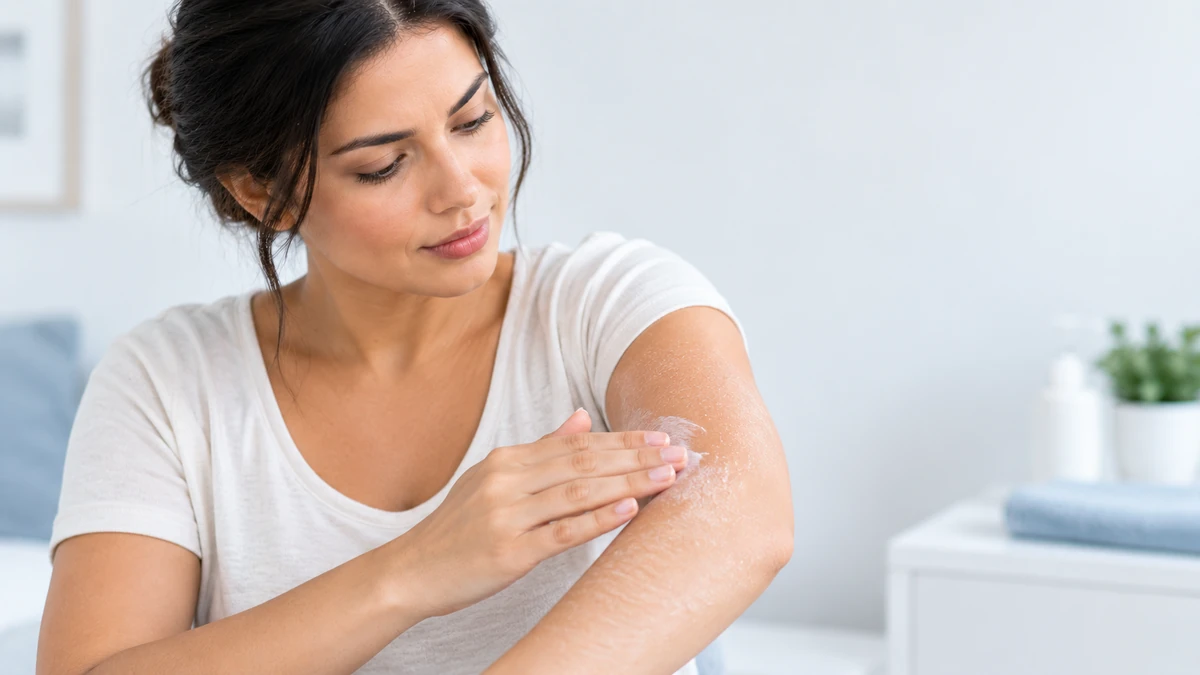

Dry skin is common and happens when the skin loses too much water or too many of its natural oils. It can feel tight or rough, and it may flake, scale, peel, or itch. In more severe cases, it can crack and sometimes become painful or bleed.
Dry skin is often linked to weather, bathing habits, and skincare products, and it usually improves with gentle care. Persistent or severe dryness, however, can sometimes be tied to another skin condition, medical condition, medication, or treatment. This guide covers what dry skin is, what causes it, how to treat and prevent it, and when to see a healthcare professional.
What Is Dry Skin?
The medical term for dry skin is xerosis. It occurs when the skin’s outer layer, which acts as a protective barrier, loses water faster than it can hold it. Natural oils and lipids in this layer help seal in moisture, so when they are stripped away or reduced, the skin dries out.
When the barrier is weakened, the skin can feel tight and rough, and nerve endings may be more easily irritated. That is why dry skin often becomes itchy, flaky, or cracked. Mayo Clinic describes dry skin as a common condition that is usually not serious.
Is Dry Skin Common?
Yes. Dry skin can affect people of all ages, though it becomes more frequent with age. Many people notice it seasonally, especially in colder months.
Is Dry Skin Contagious?
No. Ordinary dry skin is not contagious. You cannot catch it from or pass it to another person.
Can Dry Skin Be Temporary?
Often, yes. Dryness caused by weather, long hot showers, or an irritating product may improve once the trigger is addressed. Dryness that keeps returning or does not improve may have another cause worth checking.
What Causes Dry Skin?
Dry skin develops when skin loses water too quickly or cannot maintain its barrier effectively. Several factors can contribute, and they often overlap.
Cold or Dry Weather
Cold outdoor air, low humidity, wind, and winter weather can all pull moisture from the skin. Indoor heating can make this worse by drying the air in your home. Low humidity increases the rate at which water evaporates from the skin surface.
Hot or Long Showers and Baths
Long exposure to hot water can remove natural oils from the skin and worsen dryness. Very hot water may also irritate skin that is already dry. The American Academy of Dermatology (AAD) advises limiting bath and shower time and using warm water for dry skin.
Frequent Washing
Washing often, including repeated handwashing, can dry the skin. Scrubbing or using rough washcloths can add to the problem. This is why hands are often one of the first areas to become dry.
Harsh Soaps, Cleansers, and Detergents
Some soaps, cleansers, and detergents can strip oils from the skin or irritate a weakened barrier. Products with strong fragrances or deodorizing ingredients are common culprits for some people. Sensitivity varies, so a product that works well for one person may bother another.
Aging
Skin tends to produce less natural oil as we age, which makes dryness more common in older adults. The National Institute on Aging notes that skin changes with age and may become drier and thinner. Not everyone develops severe dryness, but it is a frequent concern later in life.
Skin Conditions
Dry skin can be a symptom of an underlying skin condition rather than a stand-alone problem. Examples include:
- Atopic dermatitis (a common form of eczema)
- Other forms of eczema
- Psoriasis
- Ichthyosis, a group of inherited conditions that cause very dry, scaly skin
- Other inflammatory skin conditions
Dry skin alone does not establish any of these diagnoses. The National Institute of Arthritis and Musculoskeletal and Skin Diseases (NIAMS) provides background on atopic dermatitis.
Medical Conditions
Some medical conditions can be associated with significant dryness, including diabetes, an underactive thyroid, kidney disease, and certain nutritional problems. This does not mean ordinary dry skin signals one of these conditions. Most dry skin has a simple explanation, but persistent or unexplained dryness is worth discussing with a clinician. If you want to learn more about one of these conditions, see our overview of what diabetes is.
Medications and Medical Treatments
Certain medicines and medical treatments can contribute to dry skin. Cancer treatments and dialysis are examples that may affect skin moisture. If you notice new dryness after starting a medication, talk with your prescriber rather than stopping it on your own.
Occupational and Lifestyle Factors
Frequent contact with water, cleaning products, chemicals, cement, soil, or other irritants can dry and irritate the skin, especially on the hands. People in jobs such as health care, food service, cleaning, hairdressing, and construction may be more prone to dry hands. Protective measures, discussed below, can help.
What Are the Symptoms of Dry Skin?
Symptoms range from mild dryness to cracking and inflammation. Common signs include:
- Tight-feeling skin
- Rough texture
- Itching
- Flaking or scaling
- Peeling
- Fine lines that appear more noticeable
- Redness or changes in skin color
- Stinging or burning
- Cracks or deeper fissures
- Bleeding in severe cases
Dry skin can look different across skin tones. On brown or Black skin, it may appear grayish or ashy rather than red. Redness can be harder to see on darker skin, so texture and feel are often more reliable clues.
Where Does Dry Skin Commonly Occur?
Dry skin can affect any part of the body. It is especially common on the:
- Face
- Hands
- Arms
- Legs
- Feet
- Elbows and knees
- Lips
Hands are particularly prone to dryness because of frequent washing, water exposure, and contact with cleansers and chemicals. The lower legs also tend to dry out easily, partly because they have fewer oil glands.
What Does Dry Skin Look Like?
Dry skin may show fine flakes, rough patches, peeling, or scaling. The skin may look dull or ashy, and fine cracks can appear. In more severe cases, deeper cracks can form.
Redness or darker or lighter patches may appear depending on skin tone. These descriptions are general, and appearance alone cannot reliably identify another skin condition. A healthcare professional can help if you are unsure.
Dry Skin vs. Eczema, Psoriasis, and Other Skin Conditions
Dry skin can resemble several other conditions, and symptoms can overlap. The table below describes general tendencies, not a way to diagnose yourself.
| Condition | Common Features | Important Difference |
|---|---|---|
| Dry skin | Roughness, tightness, flaking, itching | Often improves with appropriate moisturization and trigger avoidance |
| Eczema | Dryness, itching, inflammation, rash | Often involves an inflammatory skin condition |
| Psoriasis | Thickened plaques and scaling | Usually has characteristic plaques and requires condition-specific management |
| Contact dermatitis | Redness, itching, irritation | Often related to exposure to an irritant or allergen |
| Fungal infection | Scaling, rash, sometimes a ring-shaped pattern | Requires appropriate diagnosis and antifungal treatment |
A person can also have dry skin along with one of these conditions. If dryness is persistent, inflamed, or unusual, a clinician can help identify the cause. If your scaling or itching is mainly on the scalp, see our guides on itchy scalp causes and treatments and dandruff.
How Is Dry Skin Diagnosed?
Ordinary dry skin can often be identified through a skin examination and a conversation about your history. A clinician may ask about:
- When the symptoms started
- Where the dryness occurs
- Your bathing and skincare habits
- Products you use on your skin
- Medications you take
- Existing medical conditions
- Whether symptoms improve or worsen with certain exposures
Testing is not needed in most cases. If an underlying condition is suspected, a healthcare professional may consider additional tests, such as blood tests or skin tests, depending on the situation.
How Is Dry Skin Treated?
Treatment usually combines restoring moisture, protecting the skin barrier, avoiding triggers, and treating any underlying condition. What works best varies from person to person. The measures below are general and are not individualized medical advice.
Use a Moisturizer Regularly
Moisturizers help reduce water loss and support the skin barrier. The main types are:
- Lotions: Lighter, with more water. They are easy to spread but may be less effective for very dry skin.
- Creams: Thicker than lotions and often better for dry skin.
- Ointments: The thickest and greasiest, often most effective for very dry skin, though some people find them heavy.
According to the AAD, creams and ointments tend to be more effective than lotions for very dry skin.
Apply Moisturizer After Bathing
Applying moisturizer soon after bathing, while the skin is still slightly damp, helps lock in moisture. Gently pat the skin partly dry first rather than rubbing it. Reapply as needed during the day, especially to hands after washing.
Choose Gentle Skincare Products
Look for products designed for dry or sensitive skin. Fragrance-free options may be helpful, especially if your skin is easily irritated. No single product is best for everyone, and it may take some trial to find what suits your skin.
Use Warm Rather Than Hot Water
Hot water can worsen dryness by stripping natural oils. Warm water is gentler on the skin. This applies to showers, baths, and handwashing.
Keep Baths and Showers Short
The AAD recommends limiting baths and showers to about five to ten minutes with warm water when you have very dry skin. Long soaks may feel soothing but can increase dryness afterward.
Use Appropriate Ingredients
Several ingredients are commonly found in moisturizers for dry skin:
- Ceramides: Lipids that are part of the skin barrier
- Glycerin (glycerol): Draws water into the skin
- Urea: Helps skin hold moisture and may soften rough skin
- Petrolatum: Forms a protective layer that reduces water loss
- Shea butter: A plant-based emollient
- Fatty acids: Help support the skin barrier
The best choice depends on your skin, the area being treated, how severe the dryness is, and whether you have other skin conditions. Some ingredients, such as higher-strength urea, may irritate broken or inflamed skin.
Treat the Underlying Cause
If dryness is caused by eczema, psoriasis, a medication effect, or another condition, moisturizing alone may not be enough. Condition-specific treatment from a healthcare professional may be needed. Simply treating the dryness without addressing the cause may bring only partial relief.
How to Get Rid of Dry Skin at Home
There is no instant fix, but consistent care often improves ordinary dry skin over days to weeks. These steps are generally low-risk:
- Moisturize regularly, including after washing your hands.
- Apply moisturizer after bathing while the skin is still slightly damp.
- Use warm water instead of hot.
- Keep showers and baths brief.
- Use gentle cleansers and avoid harsh soaps.
- Avoid aggressive scrubbing.
- Pat the skin dry instead of rubbing it.
- Protect your hands from harsh chemicals with gloves.
- Consider a humidifier when indoor air is dry.
- Protect your skin from cold and wind.
- Avoid products that consistently irritate your skin.
Home care can help ordinary dry skin, but it does not replace medical evaluation when symptoms are persistent, severe, painful, or accompanied by other concerning signs. Drinking more water has not been shown to cure dry skin on its own, so focus on skin care and moisturizing.
How to Prevent Dry Skin
Dry skin can return, especially in winter, so prevention usually means ongoing habits.
Moisturize Consistently
Regular moisturizing is generally more useful than waiting until the skin is severely dry. Many people find a daily routine, particularly after bathing, works best.
Avoid Hot Water
Choose warm water for bathing and handwashing to help preserve natural oils.
Limit Excessive Washing
Wash as needed rather than more often than necessary. Frequent washing can remove protective oils, especially from the hands.
Choose Gentle Cleansers
Mild, fragrance-free cleansers are often easier on dry skin. Avoid products that sting or leave your skin tight.
Protect Your Hands
Wear gloves for cleaning, gardening, and other activities involving water, chemicals, or irritants. Cotton-lined gloves may be more comfortable for longer tasks. Moisturize your hands after washing.
Protect Your Skin From Cold and Wind
Cover exposed skin with gloves, scarves, and other protective clothing in cold, windy weather.
Manage Dry Indoor Air
A humidifier may help when indoor air is very dry, such as during winter. Clean it regularly according to the manufacturer’s instructions to prevent mold and bacteria.
Protect Your Skin From the Sun
Sun protection is part of overall skin care. The AAD recommends broad-spectrum sunscreen with an SPF of 30 or higher, along with protective clothing and shade. Sun damage can add to skin dryness and aging.
Dry Skin on Different Parts of the Body
Dry Skin on the Face
Facial skin is thinner and more sensitive than skin elsewhere. Cleanse gently, moisturize regularly, and avoid products that sting or irritate. If you also have acne, choose non-comedogenic (less likely to clog pores), fragrance-free products, and ask a dermatologist about treatments that may dry the skin. Our guide to what causes acne offers more background.
Dry Skin on the Hands
Frequent handwashing, hand sanitizer, and occupational exposure can all dry the hands. Use gloves for wet or irritating tasks, moisturize after washing, and consider a thicker cream or ointment at night. Cracked, painful, or inflamed hands that do not improve should be evaluated.
Dry Skin on the Legs
Long hot showers, shaving, and winter weather can all dry the legs. Moisturize after bathing and consider shaving after the skin has softened and with a moisturizing shaving product. Seasonal dryness is common on the lower legs.
Dry Skin on the Feet
Feet can become dry and cracked, particularly on the heels. Regular moisturizing may help, and some people use urea-containing creams. Persistent or deep cracking, especially if you have diabetes or poor circulation, may require evaluation because broken skin can lead to infection.
Dry Skin on the Lips
Lips lack oil glands, so they dry out easily, especially in cold or windy weather. Lip balm may help. Persistent, unusual, or non-healing lip changes, such as sores, should be evaluated by a healthcare professional.
Can Dry Skin Cause Itching?
Yes. Itching is a common symptom of dry skin. However, persistent itching can also occur with eczema, psoriasis, allergic reactions, infections, and other conditions. Severe or long-lasting itching should not be assumed to be simple dryness. For itching that affects the scalp, see our guide to itchy scalp.
Try to avoid scratching, which can damage the skin and worsen irritation. If itching disrupts sleep, our tips on how to improve sleep may help, and a healthcare professional can advise on treatment.
Can Dry Skin Cause Cracks or Bleeding?
Severe dryness can cause cracks, called fissures, which may bleed. These are most common on the hands and heels. Broken skin can increase the risk of infection.
Seek medical care if cracks are severe, painful, show signs of infection (such as spreading redness, warmth, swelling, or pus), or do not improve with appropriate self-care.
When Should You See a Doctor for Dry Skin?
Mayo Clinic advises seeing a healthcare professional if dryness persists despite self-care, becomes inflamed or painful, interferes with sleep or daily activities, or leads to open sores or infection. Consider an evaluation if:
- Dry skin persists despite appropriate self-care
- Symptoms are getting worse
- Skin becomes significantly inflamed or painful
- Severe itching interferes with sleep or daily activities
- Deep cracks develop
- You have open sores or signs of infection
- Large areas of skin become severely scaly or peeling
- Dryness appears suddenly without an obvious explanation
- A medication or medical treatment may be contributing
- You wonder whether an underlying medical condition is involved
Dry Skin in Older Adults
Dry skin becomes more common with age. Reduced natural oil production, thinner skin, and greater sensitivity all play a role. Older adults may also take more medications, and some can contribute to dryness.
Dry skin in older adults may be more likely to crack or lead to complications, though not everyone develops severe dryness. Gentle bathing, regular moisturizing, and a humidifier in dry air can help. A clinician can evaluate persistent itching or skin breakdown. The National Institute on Aging offers further guidance.
Dry Skin in Children and Babies
Children and babies can get dry skin too, and their skin is more delicate. General measures include:
- Bathing gently with lukewarm water and avoiding long baths
- Using mild, fragrance-free cleansers
- Moisturizing regularly, particularly after bathing
- Avoiding excessive bathing
Dry, itchy, red patches in a baby or child may be eczema, which a pediatrician can diagnose and treat. Check with a healthcare professional before using any medicated product on a child, and seek evaluation if a rash or dryness is persistent, widespread, or bothersome.
Frequently Asked Questions About Dry Skin
What causes dry skin?
Dry skin can result from cold or dry weather, hot or frequent bathing, harsh soaps and detergents, aging, skin conditions such as eczema, certain medications, and some medical conditions. Often several factors combine. (Mayo Clinic)
Why is my skin so dry and itchy?
Itching is a common result of dry skin because a weakened barrier irritates the nerve endings. Persistent itching may also come from eczema, allergic reactions, or other conditions. See a healthcare professional if itching is severe or does not improve with moisturizing.
How do you get rid of dry skin?
Moisturize regularly, use gentle cleansers, take shorter warm showers, and avoid irritating products. Results vary, and dryness may return if triggers continue. Persistent dryness may need medical evaluation. (AAD)
What is the best treatment for dry skin?
It depends on the cause and severity. For many people, regular use of a thick cream or ointment, gentle skin care, and trigger avoidance are the foundation. If a condition such as eczema is involved, condition-specific treatment may be needed.
Does hot water cause dry skin?
Hot water can strip natural oils from the skin and worsen dryness, especially with long showers or baths. Warm water and shorter bathing times are generally gentler. (AAD)
Can weather cause dry skin?
Yes. Cold air, low humidity, wind, and indoor heating can all increase moisture loss from the skin. Many people notice more dryness in winter.
Can aging cause dry skin?
Yes. Skin produces less natural oil with age, so dryness is more common in older adults. Not everyone is affected to the same degree. (National Institute on Aging)
How often should you moisturize dry skin?
There is no single rule, but many people moisturize at least once daily, particularly after bathing, and more often for hands or very dry areas. Apply it when the skin starts to feel tight or dry, and after washing your hands.
Is dry skin a sign of a medical condition?
Usually not. Most dry skin is linked to weather, bathing habits, or aging. Persistent or unexplained dryness can occasionally be associated with skin conditions, medications, or medical conditions such as thyroid or kidney problems, so a clinician can help if you are concerned.
Can dry skin cause cracks and bleeding?
Yes. Severe dryness can lead to cracks, especially on the hands and heels, and they may bleed. Broken skin can become infected, so seek care if cracks are painful, infected, or not improving. (Mayo Clinic)
What moisturizer is best for dry skin?
No single moisturizer is best for everyone. Creams and ointments are often more effective than lotions for very dry skin, and fragrance-free products may suit sensitive skin. Ingredients such as ceramides, glycerin, petrolatum, and urea are commonly used. (AAD)
Is dry skin the same as eczema?
No. Dry skin is a symptom that can occur on its own or with eczema. Eczema is an inflammatory condition that often causes dryness along with itching and rash, and it may need specific treatment. A healthcare professional can tell the two apart.
How can I prevent dry skin?
Moisturize consistently, use warm rather than hot water, limit excessive washing, choose gentle cleansers, and protect your skin from cold, wind, and irritants. A humidifier may help in dry indoor air. Prevention cannot guarantee that dryness will not return.
When should I see a doctor for dry skin?
See a healthcare professional if dryness persists despite self-care, becomes inflamed or painful, interferes with sleep, or leads to open sores or signs of infection. Also seek care if dryness appears suddenly without an obvious cause. (Mayo Clinic)
Sources
- American Academy of Dermatology Association. Dry skin: Tips for relief
- Mayo Clinic. Dry skin: Symptoms and causes
- National Institute on Aging. Skin care and aging
- National Institute of Arthritis and Musculoskeletal and Skin Diseases. Atopic dermatitis
Medical Disclaimer
This article provides general educational information and is not a substitute for diagnosis, treatment, or individualized medical advice from a qualified healthcare professional. If you have persistent, severe, painful, or unexplained skin symptoms, consult a healthcare provider.
Read our full Medical Disclaimer.