
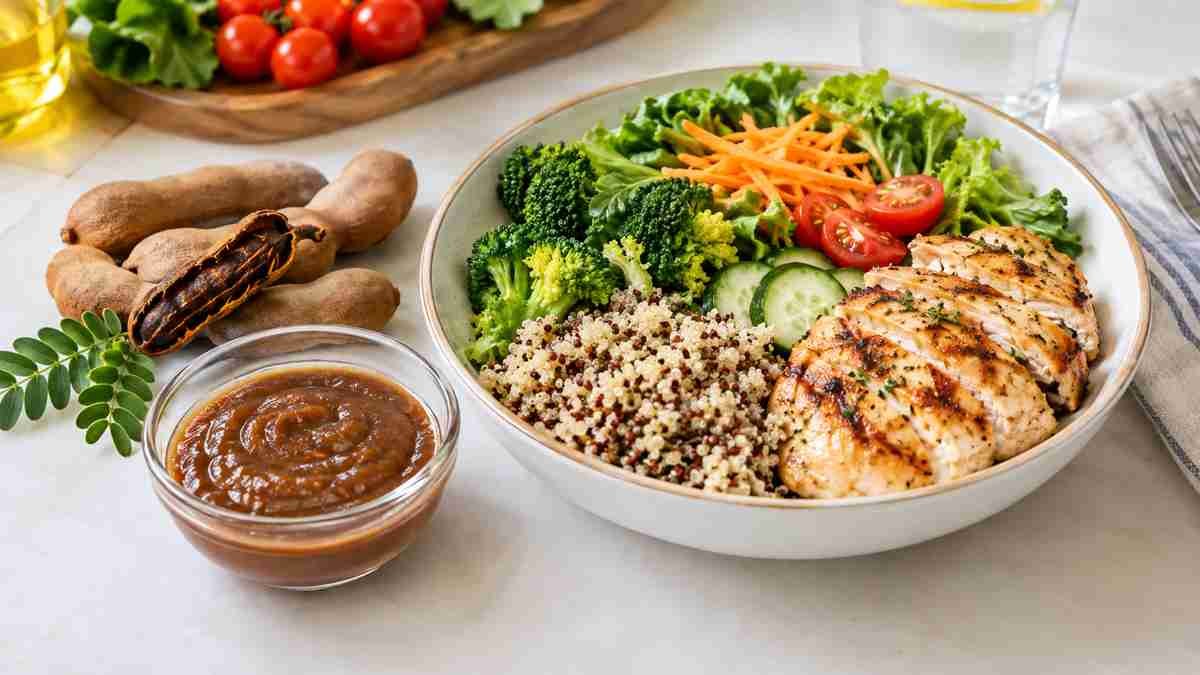

Tamarind can be part of a healthy, balanced diet, but there is not enough strong evidence to say that eating tamarind directly causes weight loss. The tart, tangy fruit is popular in sauces, chutneys, curries, and drinks across many cuisines, and it does offer dietary fiber and several micronutrients.
That said, raw tamarind is also more calorie- and carbohydrate-dense than many fresh fruits. This guide looks at what the research actually shows, what tamarind’s nutrition profile looks like, and how it can realistically fit into a weight-management plan, without the exaggerated claims often attached to it online.
Is Tamarind Good for Weight Loss?
The short answer: tamarind can fit into a calorie-conscious eating pattern, but it is not a proven weight-loss food.
Can Tamarind Help You Lose Weight?
Tamarind may work well in place of more calorie-dense sauces, dressings, or sweetened flavorings. Using it this way could help someone stay within their overall calorie goals.
However, eating tamarind itself has not been shown to produce meaningful weight loss. Any role it plays is more about how it’s used within a broader diet than about any special property of the fruit.
Does Tamarind Burn Fat?
No. There is no good evidence that eating tamarind directly “burns fat” or boosts metabolism in a way that produces real-world weight loss in people. Claims like this are common in online articles and social media, but they are not supported by solid human evidence.
What Does the Research Say?
The most relevant human study is a small randomized controlled trial published in the International Journal of Preventive Medicine. Researchers gave obese and overweight adults 20 grams of tamarind pulp daily for six weeks, alongside standard diet and physical activity guidance, and compared them with a control group.
Some measures improved from the tamarind group’s own starting point, but the study found no statistically significant difference between the tamarind group and the control group for body weight, waist circumference, or several cardiometabolic measures. This was a small, short-term trial, so it doesn’t establish whether tamarind has any meaningful long-term effect on weight. Larger, longer studies would be needed to draw firmer conclusions.
Tamarind Nutrition and Calories
Portion size matters a lot when it comes to tamarind, because the numbers add up quickly.
Tamarind Nutrition Facts
Here’s what USDA data show for raw tamarind pulp:
| Nutrient | Per 100 g Raw Tamarind |
|---|---|
| Calories | About 239 kcal |
| Carbohydrates | About 62.5 g |
| Dietary fiber | About 5.1 g |
| Protein | About 2.8 g |
| Fat | About 0.6 g |
| Total sugars | About 38.8 g |
Keep in mind that nutrition varies depending on the specific product and how it’s prepared; a tamarind drink or candy will look very different from raw pulp.
Is Tamarind High in Calories?
Yes, relatively speaking. Raw tamarind is more calorie-dense than many fresh fruits, largely because the edible pulp has less water content and a substantial amount of carbohydrate packed into it. It’s not accurate to describe tamarind as a “low-calorie” food.
Is Tamarind High in Fiber?
Tamarind does provide a meaningful amount of dietary fiber, about 5.1 grams per 100 grams. Fiber can contribute to feelings of fullness and supports digestive health as part of an overall balanced diet.
That said, having fiber doesn’t automatically mean a food causes weight loss. Fiber is one factor among many that influence appetite and eating patterns.
How Tamarind May Fit Into a Weight-Loss Diet
Fiber and Fullness
Dietary fiber is generally associated with feelings of satiety, which can support an eating pattern aimed at weight management. That said, the effect of fiber on appetite and body weight varies depending on the type and amount of fiber, as well as the rest of the diet. If you’re looking to boost your overall fiber intake, our guide to high-fiber foods for digestive health covers other options too.
Nutrient Content
Beyond fiber, tamarind contains nutrients like magnesium, potassium, iron, and thiamin. These contribute to overall nutrition, though none of them have been shown to directly cause weight loss on their own.
Flavor Without Relying on Excess Added Sugar
Unsweetened tamarind pulp, or tamarind used as a cooking ingredient, can add tartness and depth of flavor to a dish. When it replaces a more calorie-dense sauce or a sweetened condiment, this swap can modestly support a calorie-conscious approach to eating, depending on the recipe.
Tamarind Water for Weight Loss: Does It Work?
Does Tamarind Water Burn Fat?
No. There’s no strong evidence that drinking tamarind water burns body fat, despite how often this claim circulates online.
Is Unsweetened Tamarind Water a Healthy Drink?
An unsweetened tamarind water preparation can be a reasonable addition to a healthy diet. It just shouldn’t be marketed or treated as a weight-loss drink, since there’s no clinical evidence supporting that specific use.
What About Sugar or Honey?
Adding sugar, honey, syrups, or sweetened concentrates to tamarind water increases its calorie and added-sugar content considerably. If you buy prepared tamarind beverages, it’s worth checking the ingredient label, since many commercial versions include substantial added sugar.
Tamarind vs. Tamarind Drinks and Candy
The form tamarind takes changes its nutrition profile significantly.
Fresh or Raw Tamarind
Whole tamarind pulp retains its natural fiber content and has no added sugar, making it the most nutrient-dense option of the bunch.
Tamarind Paste
Nutrition here depends heavily on the specific product. Some pastes include added sugar or salt, so checking the label matters.
Tamarind Juice or Drinks
Juices and prepared drinks typically contain less fiber than the whole fruit and often include added sugars, which can meaningfully raise their calorie content.
Tamarind Candy
Tamarind candy is a different product altogether. According to USDA data, tamarind candy runs substantially higher in calories (roughly 368 kcal per 100 g) and added sugar, with notably less fiber than raw tamarind pulp. It’s best thought of as an occasional treat rather than a health food.
How Much Tamarind Should You Eat for Weight Loss?
There is no established amount of tamarind proven to cause weight loss. Because raw tamarind is relatively calorie-dense, portion awareness is worth paying attention to.
A reasonable serving depends on your overall calorie needs and how tamarind fits into your broader dietary pattern, not on a fixed “weight-loss dose.” Thinking of tamarind as one ingredient within a varied diet, rather than as a dosed remedy, is the more accurate way to approach it.
Healthy Ways to Eat Tamarind
Add Tamarind to Savory Meals
Tamarind works well in:
- Lentil dishes
- Bean-based meals
- Vegetable dishes
- Fish or lean-protein preparations
- Homemade sauces
Use Tamarind as a Flavoring
Small amounts can add real tartness to a dish, so you often don’t need much to get the flavor effect you’re after.
Choose Unsweetened Products When Appropriate
Checking nutrition labels for added sugars is a simple habit that applies to tamarind products just as it does to other packaged foods.
Pair Tamarind With Balanced Foods
Building meals around vegetables, protein, whole grains, legumes, and other nutrient-dense foods gives tamarind a supporting role in an overall balanced diet rather than making it the centerpiece of a weight-loss strategy.
Is Tamarind Better Than Other Fruits for Weight Loss?
Not necessarily. It depends on what you’re comparing and how each fruit is prepared.
Worth considering when comparing fruits:
- Calories
- Fiber
- Water content
- Portion size
- Added sugar
- Preparation method
Many whole fruits, tamarind included, can fit into a healthy weight-management diet. There’s no single “best” fruit for weight loss; what matters more is the overall pattern of what you eat.
Does Tamarind Have Other Health Benefits?
Tamarind’s potential benefits are mostly tied to its dietary fiber, micronutrient content, and certain antioxidant compounds. Some early research has explored broader health effects, but it’s important not to overstate what’s currently known.
Tamarind is not a proven treatment for obesity, diabetes, high blood pressure, high cholesterol, fatty liver disease, constipation, or inflammation. Any such claim would need solid, well-designed human studies behind it, and that evidence isn’t currently available for most of these conditions.
Common Myths About Tamarind and Weight Loss
“Tamarind Melts Belly Fat”
No food selectively targets or “melts” fat in one specific area of the body.
“Tamarind Water Causes Rapid Weight Loss”
There’s no good evidence supporting this. As noted earlier, the available clinical trial found no significant effect on body weight.
“The More Tamarind You Eat, the More Weight You Lose”
Larger portions of tamarind also mean more calories and carbohydrates, which works against a calorie deficit rather than supporting one.
“Tamarind Is a Weight-Loss Supplement”
Ordinary tamarind, eaten as a food, is different from concentrated supplements or extracts, which may use different doses and formulations entirely.
“Natural Means Calorie-Free”
Being a natural, whole food doesn’t make tamarind calorie-free. It still contributes meaningfully to total calorie and carbohydrate intake.
Tamarind and a Healthy Weight-Loss Plan
If weight management is your goal, tamarind fits in as one small piece of a much larger picture, which includes:
- Sustainable calorie intake
- Nutrient-dense foods
- Adequate protein
- Fiber-rich foods
- Regular physical activity
- Sleep
- Stress management
- Portion awareness
- Long-term consistency
For practical next steps, our guides on weight management and best exercises for weight loss go into more depth on this. Be cautious of crash diets, detoxes, extreme fasting protocols, or restrictive plans that aren’t grounded in individualized medical guidance.
Who Should Be Careful With Tamarind?
A few groups may want to pay closer attention to how they use tamarind:
- People monitoring carbohydrate or calorie intake, given tamarind’s relatively dense carbohydrate content
- People consuming heavily sweetened tamarind products, like candies or sugared drinks
- People with food allergies or individual sensitivities
- People considering concentrated tamarind supplements or extracts, which differ from ordinary food portions
There isn’t strong evidence that ordinary dietary tamarind interacts with specific medications. If you’re considering a concentrated supplement or extract rather than tamarind as a food, it’s worth talking with a healthcare professional first, since supplement doses and formulations aren’t the same as what you’d get from eating the fruit.
When to Talk With a Healthcare Professional About Weight Loss
Individualized medical advice can be especially useful when:
- Your weight is changing unexpectedly
- You’ve made sustained lifestyle changes but still have difficulty losing weight
- A medical condition might be affecting your weight
- A medication might be affecting your weight
- You have obesity or another weight-related health concern
- You’re considering a restrictive diet or a supplement
The CDC notes that medications, medical conditions, stress, genes, hormones, environment, and age can all influence weight management, which is part of why a one-size-fits-all approach rarely works well. A healthcare provider can help sort through which of these factors might be relevant in your specific situation.
Frequently Asked Questions
Is tamarind good for weight loss?
Tamarind can be included in a balanced weight-management diet, but there isn’t enough evidence to say it directly causes weight loss. Portion size and how it’s prepared both matter more than the fruit itself.
Does tamarind burn belly fat?
No. There’s no good evidence that tamarind selectively burns belly fat or targets fat in any specific area of the body.
Is tamarind water good for weight loss?
Unsweetened tamarind water can be part of a healthy diet, but it hasn’t been established as an effective weight-loss drink. Added sugar can substantially increase its calorie content, so checking labels on prepared versions is worthwhile.
Is tamarind high in calories?
Raw tamarind is relatively calorie-dense compared with many fresh fruits. USDA data list about 239 calories per 100 grams.
Does tamarind have fiber?
Yes. Raw tamarind contains about 5.1 grams of dietary fiber per 100 grams, according to USDA nutrition data.
Can I eat tamarind every day while trying to lose weight?
Tamarind can fit into a healthy diet, but there’s no established daily amount shown to produce weight loss. It’s more useful to think about portion size, preparation, and how it fits your overall dietary pattern.
Is tamarind candy good for weight loss?
Not really. Tamarind candy typically contains substantial added sugar and is notably more calorie-dense than plain tamarind pulp. It’s better thought of as an occasional treat rather than a food tied to weight management.
Does tamarind reduce appetite?
Tamarind contains fiber, which is sometimes associated with fullness, but there isn’t enough evidence to say that eating tamarind produces a clinically meaningful appetite-suppressing effect. It shouldn’t be treated as an appetite suppressant.
Sources
- Asgary S, Soltani R, Barzegar N, Sarrafzadegan N. Evaluation on the Effects of Tamarindus Indica L. Fruit on Body Weight and Several Cardiometabolic Risk Factors in Obese and Overweight Adult Patients: A Randomized Controlled Clinical Trial. Int J Prev Med. 2020.
- USDA FoodData Central: Tamarinds, raw
- CDC: Steps for Losing Weight
Medical Disclaimer
This article is for general educational purposes and does not provide individualized medical or nutrition advice. Tamarind can be part of a balanced diet, but no single food is proven to cause weight loss on its own. People with medical conditions, significant weight concerns, or questions about dietary changes should speak with a qualified healthcare professional or registered dietitian.
Read our full Medical Disclaimer.