
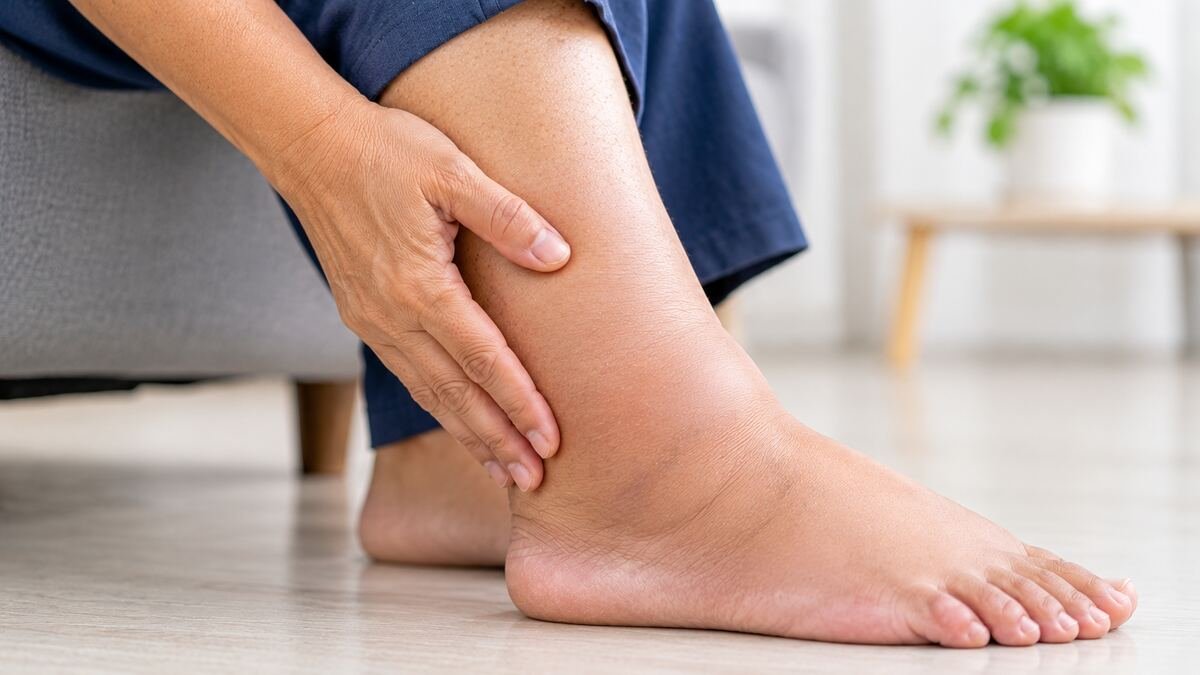

Swelling is common, and most of the time it is not dangerous. But some types of swelling can signal a serious medical problem, so it helps to know when swelling is an emergency. Mild puffiness after a long flight, a day on your feet, or a minor bump is often not urgent.
The picture changes when swelling appears with difficulty breathing, chest pain, sudden swelling of the face, lips, tongue, or throat, or fainting. These combinations need immediate attention. Call your local emergency number (911 in the United States) rather than waiting to see whether symptoms improve.
This guide explains the warning signs that point to an emergency, the types of swelling that need prompt medical assessment, and what to do while you wait for help. It is general education, not a way to diagnose yourself. For a broader look at why swelling happens, see our guide to the common causes of swelling.
What Does Swelling Mean?
Swelling is an enlargement of a body part. It can be caused by fluid buildup, inflammation, injury, or another underlying problem. MedlinePlus explains that swelling can be generalized (all over the body) or localized (limited to one area).
Edema is the medical term for swelling caused by fluid collecting in body tissues. It most often affects the feet, ankles, and legs, but it can also involve the hands, face, lips, tongue, or abdomen. Swelling may develop gradually over days or appear suddenly within minutes or hours.
How serious swelling is depends on where it occurs, how fast it develops, what caused it, and which other symptoms come with it. If you are unsure how your symptoms compare, our article on what swelling feels like may help.
Common causes of swelling
Many causes are minor, while others are not. According to the NHS and Mayo Clinic, possible causes include:
- Sitting or standing for long periods
- Minor injuries and inflammation
- Allergic reactions
- Infections
- Blood clots
- Heart, kidney, or liver problems
- Certain medications
Swelling alone cannot tell you which of these is responsible. That is why the accompanying symptoms matter so much.
Warning Signs That Swelling Is a Medical Emergency
If swelling comes with any of the signs below, treat it as an emergency. Call your local emergency number right away.
Swelling with difficulty breathing
Swelling together with shortness of breath, gasping, wheezing, or a feeling of choking can point to a life-threatening problem. Possible causes include fluid building up in the lungs or a severe allergic reaction. Mayo Clinic lists trouble breathing, including shortness of breath with activity or when lying flat, among the reasons to seek emergency care with leg swelling.
Do not wait for symptoms to ease. Breathing trouble is a reason to call for help immediately. Our guide to shortness of breath explains more about this symptom.
Swelling of the face, lips, tongue, or throat
Sudden swelling around the mouth and throat can be a sign of angioedema (swelling deep in the skin) or anaphylaxis (a severe allergic reaction). The NHS advises calling emergency services if the lips, mouth, throat, or tongue suddenly swell, or if breathing becomes very fast or difficult.
Other warning signs include:
- A tight throat or trouble swallowing
- A hoarse or changed voice
- Wheezing
- Dizziness or feeling faint
Tongue or throat swelling is an emergency even if breathing is still comfortable, because the airway can narrow quickly.
Swelling with chest pain or tightness
Chest discomfort alongside swelling can be serious. It may point to a blood clot that has reached the lungs (pulmonary embolism) or to a heart-related problem. Mayo Clinic lists chest pain, fainting or dizziness, and coughing up blood as emergency signs when swelling is present.
Pressure, tightness, or pain in the chest should not be treated at home. Our guide on when chest pain is an emergency offers more detail.
Sudden one-sided leg swelling with serious symptoms
Sudden swelling in one leg, especially with pain, tenderness, warmth, or redness, can be a sign of deep vein thrombosis (DVT), a blood clot in a deep vein. A clot can sometimes travel to the lungs and cause a pulmonary embolism.
One-sided swelling needs prompt medical assessment, but it does not always mean an ambulance. If it occurs with chest pain, trouble breathing, or coughing up blood, call emergency services immediately.
Swelling with fainting, confusion, or severe dizziness
Some symptoms suggest that the body is struggling to keep blood flowing or oxygen levels up. Call for emergency help if swelling occurs with:
- Fainting or loss of consciousness
- Confusion or unusual drowsiness
- Severe weakness or clammy skin
- Lips or skin that look blue, gray, or unusually pale
These signs can occur with a severe allergic reaction, a circulation problem, or another serious condition.
Rapidly spreading swelling after an injury or infection
Severe or quickly worsening swelling needs urgent assessment, particularly with intense pain, fever, spreading redness, or feeling very unwell. After a serious injury, such as a fall or car accident, swelling may also reflect internal damage. Mayo Clinic advises getting care right away for leg swelling related to a physical injury.
Types of Swelling That Need Urgent Medical Attention
Not every urgent situation calls for the same response. Some swelling needs a same-day or next-day medical assessment even when emergency symptoms are absent. If you are weighing how worried to be, our article on whether you should worry about swelling can help you sort out the pattern.
Sudden swelling in one leg or arm
New, unexplained swelling in a single limb deserves prompt evaluation. Pain, warmth, tenderness, or changes in skin color make this more important. A blood clot is one possible cause, but injury, infection, and lymphatic problems can also affect one limb. Mayo Clinic notes that swelling in one leg is more likely to have a serious cause than swelling in both legs.
Swelling during pregnancy
Mild swelling of the feet and ankles is common in pregnancy. Sudden or significant swelling, especially of the face or hands, is different. Mayo Clinic notes that a sudden appearance of swelling in the face and hands may be a sign of preeclampsia, a pregnancy complication involving high blood pressure.
Seek immediate care if swelling comes with a severe headache, vision changes, severe upper abdominal pain, nausea or vomiting, or shortness of breath. Preeclampsia can sometimes develop after delivery, so these symptoms matter in the weeks after birth as well.
Swelling with fever, redness, or warm skin
Infection can cause swelling, warmth, redness, and pain. Spreading redness, fever, chills, or feeling very unwell are reasons for urgent assessment. The NHS advises urgent medical advice when a swollen leg is red, hot, and painful, especially with flu-like symptoms, because it may be a skin infection that needs antibiotics.
Widespread or rapidly increasing swelling
Swelling that affects several areas or develops quickly may reflect a problem with the heart, kidneys, or liver. Cleveland Clinic notes that generalized edema can be a symptom of serious health conditions. Seek prompt care, especially if urine output drops or breathing changes.
Serious Conditions That Can Cause Dangerous Swelling
This section describes possible causes so you can understand why certain signs matter. It is not a checklist for self-diagnosis, and only a healthcare professional can find the cause.
Deep vein thrombosis (DVT)
DVT is a blood clot in a deep vein, most often in the leg. Possible signs include swelling in one leg, pain, tenderness, and warmth. The main concern is that part of a clot can travel to the lungs, causing a pulmonary embolism.
Pulmonary edema and heart problems
Pulmonary edema is a buildup of fluid in the lungs. Cleveland Clinic explains that heart problems are responsible for most cases. Symptoms can include breathlessness, chest discomfort, and trouble breathing when lying down. Sudden symptoms need emergency evaluation. You can read more about heart disease on CollectedMed.
Severe allergic reactions
Anaphylaxis is a severe allergic reaction that can cause rapid swelling, breathing difficulty, and circulation problems. The NHS describes it as a life-threatening reaction that happens quickly and needs immediate treatment.
Serious infections and organ problems
Skin and soft-tissue infections can spread and become dangerous if untreated. Kidney, liver, and heart conditions can also cause fluid to build up. New or worsening swelling in someone with one of these conditions is an important reason to contact a healthcare professional.
What to Do If Swelling Becomes an Emergency
Call emergency services immediately
Call your local emergency number (911 in the United States) for breathing difficulty, chest pain, throat or tongue swelling, fainting, or severe confusion. Do not wait to see whether symptoms go away. If a serious emergency is possible, do not drive yourself; call for an ambulance or ask someone else to take you if help is not available quickly.
Follow emergency instructions
If anaphylaxis is suspected and the person has a prescribed epinephrine auto-injector, use it as directed and still call emergency services. Follow the dispatcher’s instructions closely. If the person becomes unresponsive or stops breathing normally, the dispatcher can guide you through CPR and help you find an automated external defibrillator (AED) if one is nearby.
Avoid unsupervised treatment
While you wait for help:
- Do not massage a suddenly swollen, painful limb when a blood clot is possible.
- Do not take someone else’s medication or start diuretics (water pills) without medical advice.
- Do not delay emergency care to try home remedies.
Home care has a place for mild swelling, which our guide to how to relieve swelling at home covers. It should never replace emergency care when warning signs are present.
When Should You See a Doctor About Swelling?
Some swelling is not an emergency but still needs a prompt appointment. Contact a healthcare professional if:
- Swelling appears suddenly without an obvious explanation
- One limb becomes swollen
- Swelling is painful, worsening, red, or warm
- Swelling persists or keeps coming back
- Swelling occurs with fever or chills
- You have known heart, kidney, or liver disease and swelling gets worse
- Swelling in pregnancy is unusual or increasing
Mild swelling that improves with rest or elevation is often less concerning. Even so, the NHS advises seeing a GP when swelling has not improved after a few days of home care, and MedlinePlus advises contacting a provider about any unexplained swelling.
What Will Happen at the Hospital?
Emergency staff will usually start by checking your breathing, heart rate, blood pressure, oxygen level, and temperature. A clinician will likely ask when the swelling started, where it appeared, whether it hurts, and what other symptoms you have noticed.
Depending on the suspected cause, tests may include blood tests, an electrocardiogram (ECG), ultrasound, or chest imaging. Treatment depends on the underlying condition. It may involve emergency allergy treatment, treatment for a blood clot, treatment for an infection, or care for heart and lung problems.
Seeking help early gives clinicians the chance to rule out or treat potentially serious causes. Many people who go to the hospital for swelling turn out to have a less serious cause, and that is still a good outcome.
How to Reduce the Risk of Swelling Complications
Swelling cannot always be prevented, but some habits may lower the chance of problems:
- Take regular movement breaks during long periods of sitting, such as travel or desk work.
- Follow treatment plans for chronic conditions such as heart, kidney, or liver disease.
- Talk with a healthcare professional about possible medication-related swelling instead of stopping a medicine on your own.
- Keep track of new or changing swelling.
- Follow your prenatal care recommendations during pregnancy.
- Seek advice for swelling that is unexplained, persistent, or getting worse.
These steps do not replace emergency care when warning signs appear.
Frequently Asked Questions
Can swelling be a sign of something serious?
Yes. Swelling can sometimes point to a blood clot, a severe allergic reaction, an infection, or a heart, kidney, or liver problem. The seriousness depends on the symptoms that come with it and the underlying cause, according to Mayo Clinic.
When should I go to the hospital for swelling?
Seek emergency care if swelling comes with trouble breathing, chest pain, tongue or throat swelling, fainting, or severe confusion. Sudden swelling with no clear cause also needs prompt assessment, as Mayo Clinic advises.
Is swelling in one leg dangerous?
It can be. New swelling in one leg, especially with pain, warmth, or redness, may be linked to a blood clot and should be assessed promptly. If chest pain or breathing trouble occurs too, call emergency services.
Can an allergic reaction cause dangerous swelling?
Yes. Sudden swelling of the lips, tongue, or throat can signal a severe allergic reaction and needs emergency treatment, according to the NHS.
Should I ignore swelling that does not hurt?
No. Some serious causes of swelling are not painful. Swelling that is persistent, unexplained, or getting worse should be evaluated by a healthcare professional.
Conclusion: Take Swelling Warning Signs Seriously
Swelling is often mild, but certain symptoms call for immediate attention. When is swelling an emergency? Mainly when it comes with trouble breathing, chest pain, facial or throat swelling, fainting, or serious symptoms alongside one-sided limb swelling.
If you notice these signs, seek medical help rather than trying to work out the cause yourself. Recognizing warning signs early can help prevent dangerous complications.
Sources
- NHS: Swollen ankles, feet and legs (oedema)
- NHS: Angioedema
- NHS: Anaphylaxis
- MedlinePlus: Swelling
- Mayo Clinic: Leg swelling, when to see a doctor
- Mayo Clinic: Mild leg swelling should be evaluated
- Mayo Clinic: Preeclampsia
- Cleveland Clinic: Edema
- Cleveland Clinic: Pulmonary edema
Medical Disclaimer: This article is for informational purposes only and is not a substitute for professional medical advice, diagnosis, or treatment. Seek medical attention if swelling is unexplained, persistent, or accompanied by concerning symptoms. Contact emergency services for severe symptoms such as difficulty breathing or chest pain.