
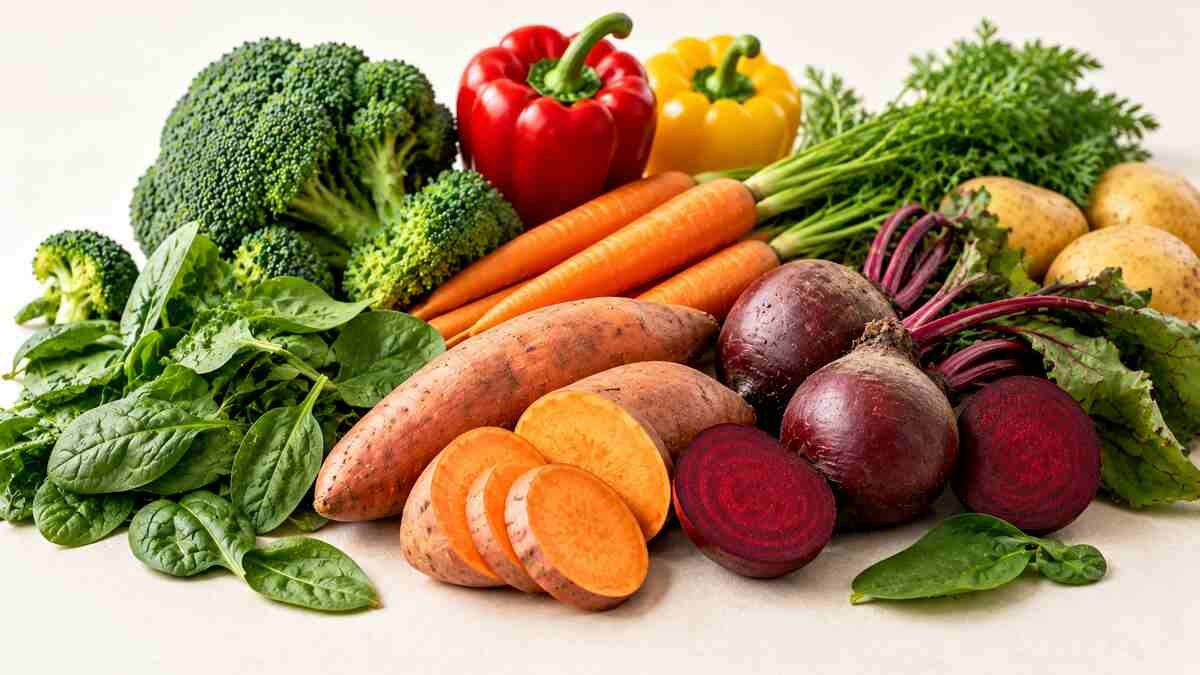

Can the vegetables on your plate help you feel ready for a workout and recover afterward? They can play a useful role, but not on their own. Vegetables for energy work best as part of a balanced meal that also includes carbohydrate-rich foods, protein, and fluids.
No single vegetable gives you an instant energy boost. Vegetables contribute carbohydrate, fiber, vitamins, minerals, and water, and some (like potatoes and sweet potatoes) provide more fuel than others. What you eat, how much you eat, and when you eat it all shape how you feel during and after activity.
This guide explains how vegetables support exercise, which ones are worth including, and what to eat before and after a workout. You will also find easy meal ideas, a section on exercise and healthy aging, and answers to common questions.
How Do Vegetables Support Energy During Exercise?
Vegetables contribute to energy in a few ways. They are not a quick fix, but they help build a diet that supports an active life.
Carbohydrates Provide Fuel for Working Muscles
Carbohydrates are the main fuel for your muscles during exercise. The American Heart Association (AHA) notes that you burn a lot of carbohydrates when you work out, and that carbohydrates are the main fuel for muscles. The body stores some of this fuel as glycogen in the muscles and liver.
Starchy vegetables such as potatoes and sweet potatoes provide more carbohydrate than most leafy or non-starchy vegetables. That means a large salad alone may not give you much usable fuel for a hard workout. Our guide to starchy vs. non-starchy vegetables explains the difference.
Vitamins and Minerals Help the Body Use Energy
Vegetables supply nutrients involved in normal body function. B vitamins take part in energy metabolism, iron helps carry oxygen in the blood, and potassium supports normal muscle and nerve function. These nutrients support the body’s systems, but they are not stimulants and do not work like an energy drink.
For more on these nutrients, see our guides to vegetables high in iron and the health benefits of eating vegetables daily.
Water and Fiber Contribute to Overall Nutrition
Many vegetables contain a lot of water, which can contribute to your fluid intake. Fiber supports digestive health. But a large, high-fiber meal right before vigorous exercise may cause stomach discomfort in some people, so timing and portion size matter.
Which Vegetables for Energy Are Best?
There is no single best vegetable. Variety gives you a wider range of nutrients, and different vegetables do different jobs. Here are some everyday options.
Sweet Potatoes and Potatoes for Carbohydrate Fuel
These starchy vegetables provide carbohydrate, which makes them a practical part of a meal before exercise. Pair them with a protein source and other vegetables. Adjust the portion size and timing to what feels comfortable for you.
The AHA and many guidelines classify potatoes differently from other vegetables. For general eating advice, see our guide on how many vegetables a day.
Beets for Dietary Nitrate
Beets are a well-known source of dietary nitrate, which the body can convert into nitric oxide. A review in Sports Medicine explains that nitrate is abundant in beetroot and green leafy vegetables, and that supplementation can reduce the oxygen cost of submaximal exercise and, in some circumstances, improve performance.
The effects are small and not guaranteed. A meta-analysis of 123 randomized trials found a small overall benefit of nitrate on exercise performance, with stronger effects from beetroot juice or a high-nitrate diet than from nitrate salts. The benefit was most evident in sessions lasting roughly 2 to 10 minutes.
The Australian Institute of Sport adds that most studies used beetroot juice concentrate about 2 to 3 hours before exercise. Results vary between people, and highly trained athletes may respond less than recreational exercisers.
For more, see our guide to beetroot health benefits.
Spinach and Other Leafy Greens for Micronutrients
Leafy greens provide folate, vitamin K, and other nutrients. Spinach also contains non-heme iron, the form of iron found in plants. Your body absorbs it differently from the iron in animal foods, and eating it with vitamin C-rich foods can improve absorption.
The AHA also lists leafy green vegetables among foods that help you replenish electrolytes after a workout. See the benefits of leafy green vegetables for more.
Bell Peppers and Broccoli for Vitamin C
Vitamin C helps the body make collagen and absorb non-heme iron. Bell peppers and broccoli are good sources. They add useful micronutrients to a meal, but they are not immediate workout fuel. Learn more about vegetables high in vitamin C.
Carrots, Pumpkin, Peas, and Other Everyday Choices
Carrots, pumpkin, peas, tomatoes, and cabbage each bring a different mix of nutrients. They are easy to boil, steam, roast, or add to soups, rice dishes, and curries. Rotating them through the week is better than relying on one favorite.
What Should You Eat Before Exercise?
The best pre-workout meal depends on how hard and how long you will exercise, how much time you have, and how your stomach feels. There are no hard-and-fast rules. The AHA says you do not need to follow a rigid schedule.
Two to Three Hours Before a Workout
The AHA suggests fueling up about two hours before you exercise. A balanced meal can combine a carbohydrate-rich food, vegetables, and a protein source. Examples include rice with cooked vegetables and eggs, or potatoes with beans and vegetables.
When You Have Less Than an Hour
Keep food simple and easy to digest. A large raw vegetable salad may sit heavily, while a small carbohydrate snack is often a better fit. When you only have 5 to 10 minutes, the AHA suggests a piece of fruit such as an apple or banana.
Should You Eat Raw or Cooked Vegetables Before Exercise?
Both are nutritious. Cooked vegetables may be easier to tolerate for some people. Large portions of raw vegetables can feel uncomfortable during running or intense activity. Our guide on raw vs. cooked vegetables covers the differences.
What Should You Eat After Exercise?
After a workout, your body is working to replenish energy stores, repair muscle, and replace fluid. Vegetables can be part of that, but they work best alongside other foods.
Combine Vegetables With Carbohydrates and Protein
Vegetables alone may not supply enough energy or protein for recovery. A balanced meal might include rice, lentils, cooked greens, and eggs or tofu. For more on protein, see our guide to how much protein you need.
Include Vegetables That Contribute Potassium and Fluid
Leafy greens, potatoes, tomatoes, and other vegetables contribute potassium and some fluid. Fluid needs vary with sweat loss, weather, and how long you exercised. The AHA advises drinking enough water before, during, and after exercise.
When Should You Eat After a Workout?
A normal meal or snack after exercise is generally helpful. The AHA notes that in the 30 to 60 minutes after a workout, muscles can store carbohydrates and protein as energy and help in recovery.
That is not a strict deadline. Timing matters most when you have another demanding session soon. Otherwise, eating a balanced meal when you can is fine. For more ideas, see our guide to workout recovery.
Easy Vegetable-Based Meals and Snacks for Active Days
These examples show how to pair vegetables with carbohydrates and protein. They are ideas, not a meal plan. Adjust ingredients and portions for your appetite, activity level, and what you have available.
| Meal timing | Example | Why it works |
|---|---|---|
| Before exercise | Potato and egg meal with cooked spinach | Combines carbohydrate, protein, and vegetables |
| Before exercise | Rice with peas and lightly cooked carrots | Provides carbohydrate and familiar foods |
| After exercise | Rice, lentils, broccoli, and tofu | Combines carbohydrates, protein, and micronutrients |
| After exercise | Sweet potato with beans and cooked greens | Supplies carbohydrate, plant protein, and fiber |
| Everyday meal | Vegetable omelet with whole-grain toast | Offers protein, vegetables, and carbohydrate |
Pay attention to how your body feels. If a food or portion sits poorly before exercise, try a smaller amount or an earlier time.
How Exercise and Vegetable-Rich Eating Support Healthy Aging
Regular physical activity and a varied, nutrient-rich diet both support long-term health. Together they can contribute to cardiovascular health, mobility, and general well-being as you age. Neither one guarantees a particular outcome.
Build Habits That Support Long-Term Health
Small, steady habits tend to last. Choose activities that suit your abilities, and build meals around vegetables, whole grains, protein foods, and healthy fats. See our guides to the benefits of exercise and vegetables and healthy aging.
Focus on Consistency Rather Than Superfoods
No vegetable prevents aging or guarantees a longer life. Rotate colors and types, get enough protein and carbohydrate, stay hydrated, and sleep well. Our article on vegetables and sleep covers one more piece of the picture.
Common Mistakes When Choosing Vegetables for Workout Energy
- Eating only non-starchy vegetables and expecting them to fuel every workout. They add nutrients but little carbohydrate.
- Eating a large, high-fiber meal right before vigorous exercise. It may cause discomfort.
- Skipping carbohydrate and protein after a demanding workout. Vegetables alone may not cover recovery needs.
- Assuming beets or another single food will dramatically boost performance. The evidence shows small, variable effects.
- Ignoring hydration, sleep, and total food intake. These affect energy as much as any one food.
- Making sudden, restrictive changes. Gradual, sustainable habits work better.
If you have ongoing fatigue, dizziness, unusual shortness of breath, or trouble tolerating exercise, talk with a healthcare professional. Do not assume vegetables alone will solve the problem. Our guides to what causes fatigue and shortness of breath explain when to seek care.
Frequently Asked Questions
What is the best vegetable for energy?
There is no single best option. Potatoes and sweet potatoes provide the most carbohydrate, while other vegetables contribute different vitamins and minerals. A mix of vegetables with other carbohydrate and protein foods works best.
Should I eat vegetables before or after a workout?
Vegetables can fit both. Before exercise, think about digestion and timing, since large high-fiber portions can feel heavy. Afterward, pair them with carbohydrate and protein sources, as the AHA suggests for refueling.
Are beets good before exercise?
Beets contain dietary nitrate and may offer a small benefit for some types of exercise. A large meta-analysis found a small overall effect, and results vary by person and activity. Beets are a nutritious food but not a guaranteed performance booster.
Can vegetables alone provide enough workout energy?
It depends on the workout and which vegetables you eat. Non-starchy vegetables contain little carbohydrate, so many people also need carbohydrate-rich foods and adequate protein. Hard or long sessions raise the need for fuel.
Make Vegetables Part of Your Energy Routine
Choose a variety of vegetables for energy and nutrition, combine them with enough carbohydrate and protein, and match your meal timing to your workout. Consistent movement and balanced meals together support an active life and healthy aging. At your next balanced meal, try adding one more vegetable.
Sources
- American Heart Association: Food as Fuel Before, During and After Workouts
- Jones AM: Dietary nitrate supplementation and exercise performance (Sports Medicine, 2014)
- Systematic review with meta-analysis (123 randomized trials): Factors that Moderate the Effect of Nitrate Ingestion on Exercise Performance in Adults
- Australian Institute of Sport: Dietary nitrate / beetroot juice
Medical Disclaimer: This article is for general educational purposes only and is not a substitute for professional medical advice, diagnosis, or treatment. Your nutrition and activity needs depend on your age, health, medications, and goals. Talk with your doctor or a registered dietitian before changing your diet or exercise routine, especially if you have a medical condition or ongoing fatigue.