
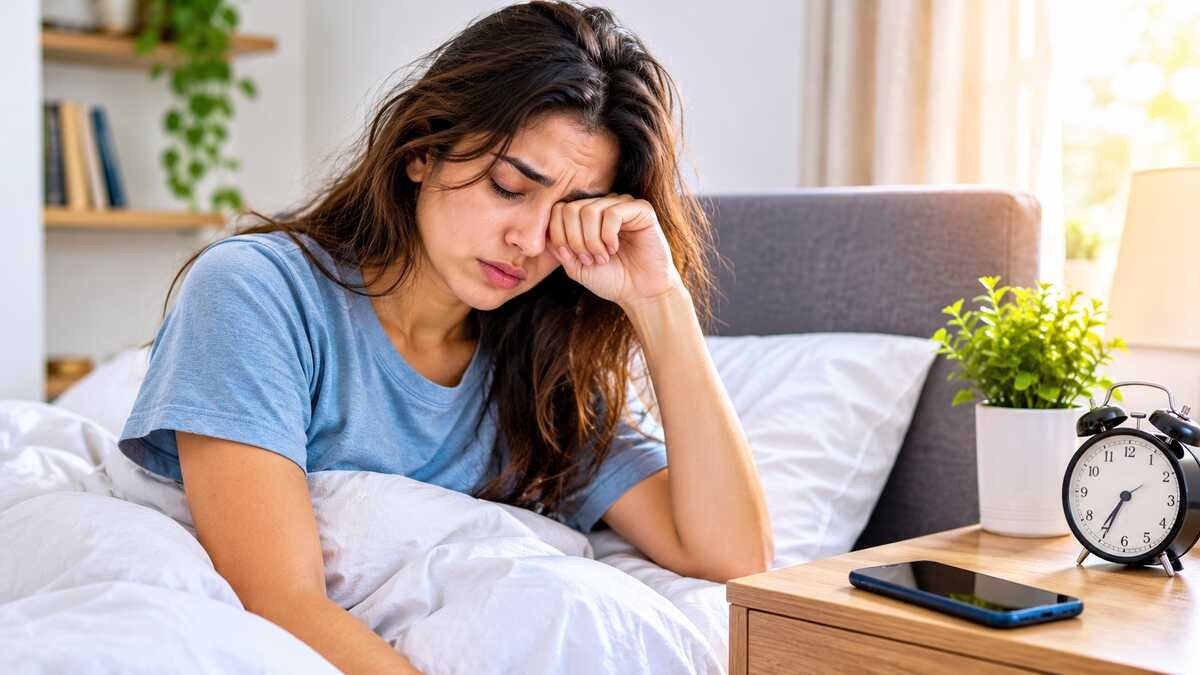

Do you wake up feeling exhausted even after eight hours in bed? If you spend much of your day looking at computers, smartphones, or tablets, your screen habits may be one factor affecting how rested you feel in the morning.
Screen fatigue may contribute to waking up tired, especially when prolonged screen use delays bedtime or interferes with sleep quality. Evening screen exposure, mental stimulation, and insufficient sleep can affect morning energy. However, persistent tiredness may also point to sleep disorders, stress, or other health conditions.
Screen fatigue is a general term for the eye and body discomfort that builds up after long stretches of device use. This guide explains how screen fatigue and tiredness are connected, how screen exposure, sleep disruption, and other lifestyle factors can influence morning energy, and what practical steps may help.
What Is Screen Fatigue?
Screen fatigue is a general term for the physical and mental discomfort linked to prolonged use of digital devices. It is not a formal diagnosis. It often includes digital eye strain, also called computer vision syndrome, which describes a group of symptoms that can follow long periods of computer, tablet, or phone use.
The American Academy of Ophthalmology (AAO) notes that screen use has not been shown to cause permanent eye damage. The symptoms are usually temporary and tend to ease with breaks and better habits. For a closer look at the eye-related side, see our guide on whether screen fatigue can cause eye strain.
Common Symptoms of Screen Fatigue
Screen fatigue can show up in several ways. Not everyone has every symptom, and they vary from day to day.
- Tired or aching eyes
- Dryness, irritation, or a burning feeling
- Blurred vision after extended screen use
- Frequent headaches
- Difficulty concentrating
- Neck and shoulder discomfort
- Mental exhaustion after long digital tasks
What Causes Screen Fatigue?
Screen fatigue usually develops from a combination of habits and settings rather than a single cause. Common contributing factors include:
- Focusing on nearby screens for long stretches
- Blinking less often while using devices (the AAO reports that screens can reduce blink rate by as much as 50 percent)
- Screen glare or brightness that does not match the room
- Too few visual breaks
- Poor screen positioning and posture
- Long periods of uninterrupted use
Eye strain and general fatigue are related, but they are not the same experience. Eye strain describes discomfort in and around the eyes. General fatigue is a broader feeling of low energy that can have many causes.
Can Screen Fatigue Make You Wake Up Tired?
Screen fatigue may contribute to waking up tired in an indirect way. Screen fatigue itself is not an established direct cause of morning exhaustion. The more likely link is that the habits behind screen fatigue, such as long days at a device and late-night scrolling, can interfere with sleep.
Three connections are worth understanding:
- Sleep disruption: Evening screen exposure and stimulating content may delay bedtime or make it harder to fall asleep.
- Physical discomfort: Eye strain, headaches, and tension in the neck and shoulders can make it harder to relax at night.
- Insufficient recovery: Staying up late on a device reduces the time available for sleep, which can leave you tired the next morning.
Our article on screen fatigue and trouble falling asleep explores this connection in more detail.
Why You May Feel Exhausted After a Full Night in Bed
Time in bed and restorative sleep are not the same thing. You can spend eight hours in bed and still wake up unrefreshed if the quality of that sleep is poor. Several things can get in the way:
- Frequent nighttime awakenings
- Fragmented sleep that never settles into deeper stages
- Inconsistent sleep schedules
- Not enough total sleep time
- Possible sleep disorders
The CDC notes that most adults need at least seven hours of sleep per night, although individual needs vary. Sleep quantity and sleep quality both matter.
Is Screen Fatigue the Same as Morning Fatigue?
No. Screen fatigue relates mainly to discomfort or tiredness tied to prolonged screen use. Morning fatigue means waking up without feeling refreshed. The two can occur together, but one does not automatically prove the other caused it.
Instead of blaming every tired morning on screens, look at your overall sleep habits. Bedtime, sleep environment, stress, caffeine, and health conditions all play a role.
How Does Screen Time Affect Sleep Quality?
Digital devices can influence the body’s natural sleep-wake cycle in a few ways. Light, mental stimulation, and bedtime delays each play a part, and they often overlap.
Blue Light and Melatonin Production
Melatonin is a hormone released by the pineal gland that helps you feel sleepy when it gets dark. According to the National Institute of Neurological Disorders and Stroke, exposure to light can make it harder to fall asleep and to get back to sleep after waking.
Bright screens in the evening may therefore nudge your sleep timing later. Blue light is only one piece of the picture, though. Research has not shown that it is the sole reason for sleep problems, and the AAO notes that blue light from screens has not been shown to damage the eyes.
Mental Stimulation Before Bedtime
What you do on a screen may matter as much as how bright it is. Many types of content keep the mind alert when it should be winding down:
- Scrolling through social media
- Watching exciting videos
- Playing online games
- Reading stressful news
- Answering work emails and messages
The National Sleep Foundation (NSF) published a consensus statement from an expert panel that reviewed the research on screens and sleep. The panel found that stimulating screen content before bed can harm sleep health, and it advised avoiding upsetting or stimulating material near bedtime. Its strongest agreement applied to children and adolescents, and the panel also noted gaps in the evidence that call for more research.
Late-Night Screen Use and Shorter Sleep Duration
Continued device use can push bedtime later, which shortens the sleep window. Less sleep can then affect morning alertness and daytime energy.
A 2025 systematic review and meta-analysis of 21 cohort studies with 548,338 participants found links between more screen time and several sleep problems. These included shorter sleep duration, later bedtimes, and difficulty falling asleep. Each additional hour of daily screen time was associated with roughly 3 to 5 fewer minutes of sleep, which is a modest amount on its own.
These findings show associations, not proof of direct cause. People who sleep poorly may also use screens more, and other factors can influence both. Screens do not directly cause every sleep problem.
Signs Your Screen Habits May Be Affecting Your Morning Energy
Certain patterns may hint that your digital habits are part of the picture. These are possible clues, not a diagnostic checklist.
- You regularly use your phone right before sleeping.
- You stay up later than planned while scrolling or watching videos.
- Your eyes feel tired or irritated in the evening.
- You wake up unrefreshed after late-night screen use.
- You have headaches or trouble concentrating during the day.
- You feel more rested after nights with less evening screen exposure.
- You struggle to keep a consistent bedtime.
To learn more about your own patterns, try keeping a simple log for one or two weeks. Note your evening screen time, bedtime, any nighttime awakenings, and how you feel in the morning. Our guide to the early signs of poor sleep can help you recognize other clues.
Why Do You Wake Up Tired Even After 8 Hours of Sleep?
Screens are only one possible explanation. Waking up tired after eight hours of sleep can have many causes, and some of them need medical attention.
Poor Sleep Quality
Sleeping for eight hours does not guarantee restorative sleep. Frequent awakenings, disrupted sleep cycles, noise, light, and an uncomfortable bed can all reduce how refreshing sleep feels. You may not remember waking up, yet your sleep can still be fragmented. You can read more about what causes poor sleep on our site.
Sleep Apnea and Other Sleep Disorders
Obstructive sleep apnea is a condition in which breathing repeatedly stops and starts during sleep. The National Heart, Lung, and Blood Institute lists warning signs such as loud snoring, gasping for air during sleep, and daytime sleepiness and tiredness. Many people do not realize they have these symptoms until a bed partner mentions them.
Stress, Caffeine, and Lifestyle Habits
Everyday habits often play a bigger role than people expect:
- Stress and anxiety
- Caffeine late in the day
- Irregular sleep schedules
- Alcohol use
- Lack of physical activity
- A poor bedtime routine
Our overview of poor sleep risk factors covers many of these in more depth.
Underlying Health Conditions
Anemia, thyroid disorders, depression, and certain medications can contribute to ongoing fatigue. Morning tiredness has many possible causes, so it should not automatically be blamed on screen fatigue.
How to Reduce Screen Fatigue and Wake Up Feeling More Rested
Small changes can add up. These steps may help reduce screen fatigue and support better sleep, though results vary from person to person.
1. Reduce Screen Exposure Before Bedtime
Try a screen-free wind-down period during the last 30 to 60 minutes before sleep. Use that time for calming activities. A predictable routine may help you relax and keep a more consistent bedtime.
2. Follow the 20-20-20 Rule
Every 20 minutes, look at something about 20 feet away for at least 20 seconds. The AAO and the American Optometric Association recommend this habit to help ease digital eye strain. Research testing the rule specifically is limited, but any regular break from close focus is a reasonable step. You can find more ideas in our guide to managing screen fatigue at home.
3. Adjust Screen Brightness and Display Settings
Comfortable settings can reduce strain during the day and in the evening.
- Match screen brightness to the room.
- Reduce glare from windows and lamps.
- Increase text size when needed.
- Avoid bright screens in dark rooms.
- Sit about an arm’s length from your screen, as the AAO suggests.
Night mode settings may add some comfort, but they do not remove every possible effect of evening screen use. Blue-light glasses have also not been proven to treat morning fatigue.
4. Avoid Stimulating Digital Content at Night
Limit online gaming, stressful news, work email, social media scrolling, and emotionally intense videos close to bedtime. Calmer alternatives include reading a printed book, gentle stretching, or listening to relaxing audio.
5. Maintain a Consistent Sleep Schedule
Go to bed and wake up at about the same times each day, and try to limit big weekend shifts. Adults generally need at least seven hours of sleep per night, though needs vary. For a broader plan, see our guide on how to improve your sleep.
6. Create a Comfortable Bedroom Environment
Keep the room dark, quiet, and comfortable in temperature. Choose supportive bedding. When possible, keep smartphones out of reach of the bed so they are less tempting.
7. Take Regular Breaks During the Day
Step away from screens often, blink on purpose, and check your posture. Managing screen fatigue during the day may improve visual comfort and make it easier to relax in the evening.
When Should You See a Doctor About Waking Up Tired?
Persistent morning fatigue deserves attention, especially if it continues despite enough sleep and healthier screen habits. Consider seeking medical advice if you notice any of the following:
- You wake up exhausted most mornings.
- You feel excessively sleepy during the day.
- You have trouble concentrating or functioning normally.
- You wake frequently during the night.
- You snore loudly or gasp during sleep.
- You have persistent headaches or unexplained fatigue.
- You notice major changes in your mood or energy.
A healthcare professional can review your sleep habits, medications, lifestyle, and possible underlying conditions. Depending on your symptoms, they may recommend a sleep study or blood tests. If you are unsure where to begin, our overview of treatment options for poor sleep explains what care may involve.
Do not assume that ongoing morning tiredness is caused by screen fatigue. Finding the real cause is key to getting the right treatment.
Frequently Asked Questions About Screen Fatigue and Morning Tiredness
1. Can screen fatigue make you feel tired the next morning?
Screen fatigue may contribute indirectly when screen use delays bedtime or interferes with sleep habits. Morning fatigue can also come from many other causes, such as stress, sleep disorders, or medical conditions.
2. Can too much screen time affect sleep quality?
It may. A 2025 meta-analysis found associations between more screen time and shorter sleep, later bedtimes, and trouble falling asleep. These are associations, and they do not prove that screens directly cause every sleep problem.
3. Why do I wake up tired even after sleeping for eight hours?
Possible reasons include fragmented sleep, sleep apnea, stress, irregular sleep schedules, medications, and underlying health conditions. Spending eight hours in bed does not always mean you got eight hours of restful sleep. A doctor can help if it happens often.
4. Does blue light make you tired during the day?
Blue light does not necessarily cause daytime tiredness directly. Evening exposure may affect sleep timing, which could lead to shorter or disrupted sleep and then to tiredness. The NINDS explains that light influences melatonin and the body’s sleep-wake rhythm.
5. How can I reduce screen fatigue naturally?
Regular visual breaks, comfortable brightness settings, a good viewing distance, and limits on uninterrupted screen use may help. The AAO offers practical guidance on digital eye strain. If symptoms persist, see an eye care professional.
6. How long before bed should I stop using screens?
Reducing screen use during the last 30 to 60 minutes before bedtime is a practical starting point. Some people may benefit from a longer screen-free period. Choose what fits your routine and see how you feel.
Final Thoughts: Reduce Screen Fatigue for Better Sleep and Morning Energy
Screen fatigue may contribute to morning tiredness indirectly when prolonged device use affects bedtime routines, sleep duration, or sleep quality. It is rarely the whole story. Take regular screen breaks, cut back on evening device use, keep a steady sleep schedule, and build a relaxing bedtime routine.
Small changes in digital habits can support healthier sleep. If you still wake up tired despite those changes, talk with a healthcare professional. Ongoing tiredness deserves a proper medical evaluation.
Sources
- American Academy of Ophthalmology. Digital Devices and Your Eyes
- American Academy of Ophthalmology. Protect Your Eyes in a Home Office
- American Academy of Ophthalmology. Eye Health Part of a Daily Work Wellness Routine
- He X, et al. The association of screen time and the risk of sleep outcomes: a systematic review and meta-analysis. Frontiers in Psychiatry, 2025.
- Hartstein LE, et al. The impact of screen use on sleep health across the lifespan: A National Sleep Foundation consensus statement. Sleep Health, 2024.
- National Sleep Foundation. Effects of Screen Use on Children’s Sleep
- National Institute of Neurological Disorders and Stroke. Brain Basics: Understanding Sleep
- National Heart, Lung, and Blood Institute. Sleep Apnea Symptoms
- Centers for Disease Control and Prevention. About Sleep
Medical Disclaimer: This article is for general educational purposes only and does not replace advice from a qualified healthcare professional. It cannot diagnose or treat any condition. If you have ongoing tiredness, sleep problems, or eye symptoms, please speak with a doctor or eye care provider. Seek urgent medical care for severe or sudden symptoms.