
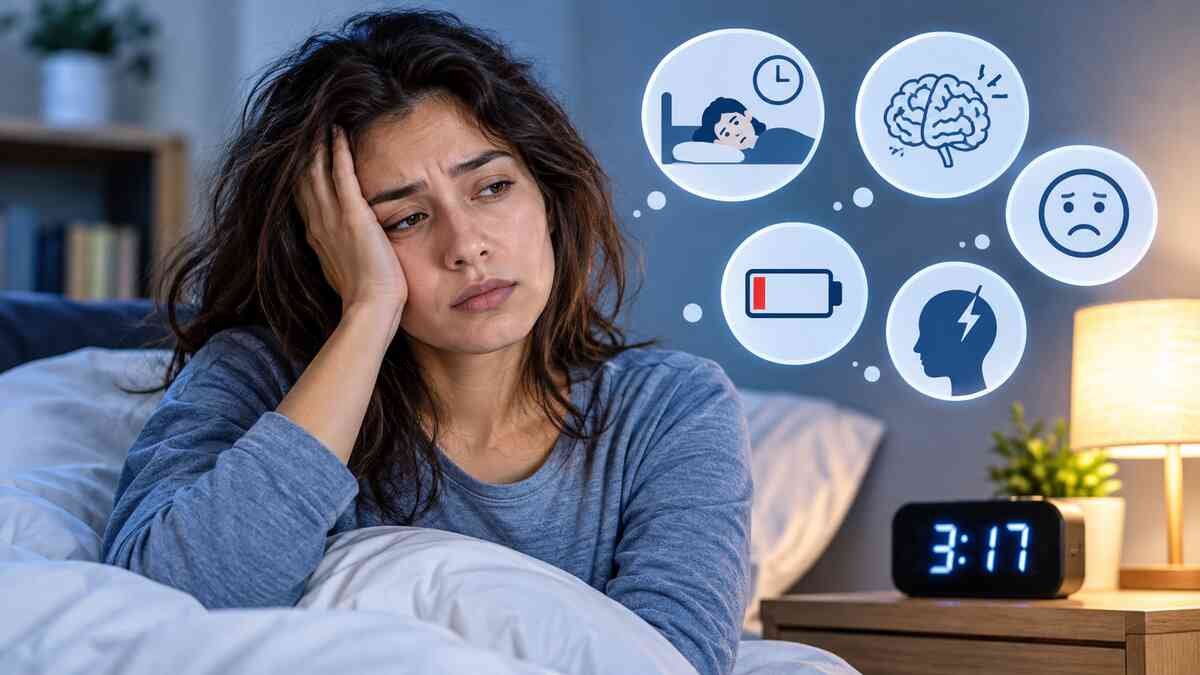

Poor sleep is one of the most common health complaints, and it can quietly affect your energy, concentration, mood, and overall well-being. It is not only about the number of hours you spend in bed. A night of broken, restless sleep can leave you feeling worse than a shorter night of deep, steady rest.
Poor sleep often develops gradually. You may start waking up tired, rely more on caffeine, or notice that small problems feel bigger than usual. Because these changes creep in slowly, many people blame stress, age, or a busy schedule and never connect the dots. Recognizing the early signs can help you address sleep problems sooner, before they begin to affect daily life more seriously.
In this guide, you will learn what poor sleep means and how much sleep you need at different ages. We then walk through nine early warning signs, from morning tiredness and trouble concentrating to loud snoring and gasping during sleep. You will also find common causes, tips for improving sleep quality, and guidance on when to see a doctor. This article is general information and cannot diagnose a sleep disorder.
What Is Poor Sleep?
Poor sleep means sleep that is too short, too disrupted, or not refreshing enough to help you feel rested and function well. It can involve trouble falling asleep, frequent waking, waking too early, or feeling tired even after a full night in bed.
Occasional poor sleep is common and usually not a cause for concern. It becomes more important when it happens regularly or starts to affect your days. Our guide on whether poor sleep is serious explains how to tell the difference.
Poor Sleep vs. Sleep Deprivation
These terms are related, but they are not identical.
- Sleep deprivation means not getting enough sleep, usually because you sleep fewer hours than your body needs.
- Poor sleep quality means your sleep is disrupted, light, or unrefreshing, even if you spend enough time in bed.
You can have one without the other. Someone who spends eight hours in bed but wakes repeatedly, for example, may still feel unrested. The National Heart, Lung, and Blood Institute (NHLBI) explains that sleep supports many body and brain functions, which is why both the amount and the quality of sleep matter.
How Much Sleep Do You Actually Need?
Sleep needs change with age. According to the Centers for Disease Control and Prevention (CDC), the recommended daily amounts are:
- Newborns (0 to 3 months): 14 to 17 hours
- Infants (4 to 12 months): 12 to 16 hours, including naps
- Toddlers (1 to 2 years): 11 to 14 hours, including naps
- Preschoolers (3 to 5 years): 10 to 13 hours, including naps
- School-age children (6 to 12 years): 9 to 12 hours
- Teens (13 to 18 years): 8 to 10 hours
- Adults (18 to 60 years): 7 or more hours
- Adults (61 to 64 years): 7 to 9 hours
- Adults (65 years and older): 7 to 8 hours
These are general ranges, and individual needs vary. How rested and alert you feel during the day is just as important as the number on the clock.
9 Early Signs of Poor Sleep
The early signs of poor sleep include waking up tired, trouble concentrating, mood changes, daytime sleepiness, difficulty falling or staying asleep, headaches, low motivation, increased stress, and loud snoring or gasping during sleep. Having one of these now and then is normal. A pattern that keeps repeating deserves attention.
None of these signs confirms a sleep disorder on its own. Many have other possible causes, so think of them as clues rather than a diagnosis.
1. Feeling Tired Even After Waking Up
Waking up without feeling refreshed is one of the most common early signs of poor sleep quality. You may feel groggy for a long time after getting up, or find that you need several cups of coffee to get going.
Everyone has an occasional tired morning. The concern is a recurring pattern, such as feeling unrefreshed most days of the week despite spending enough time in bed. If this sounds familiar, our guide on what causes fatigue covers other possible explanations.
2. Difficulty Concentrating and Remembering Things
Sleep supports attention, learning, and memory. When sleep is short or interrupted, people often notice forgetfulness, losing their train of thought, or difficulty finishing everyday tasks.
The NHLBI notes that sleep deficiency can affect how well you think, learn, and remember. If you read the same paragraph three times or keep forgetting small details, poor sleep may be playing a part.
3. Frequent Mood Changes and Irritability
Sleep and emotions are closely linked. After poor sleep, many people feel more irritable, impatient, or easily frustrated. Minor annoyances can feel harder to shrug off.
This happens because sleep helps the brain regulate emotions. If you notice that you are snapping at loved ones or feeling unusually tense, it may be worth looking at your sleep. Learn more about the relationship between sleep and mental health.
4. Excessive Daytime Sleepiness
Feeling sleepy during normal daytime activities is a key warning sign. You may yawn often, struggle to stay alert in meetings, or find yourself nodding off while reading or watching television.
A little afternoon dip is common. Persistent sleepiness that interferes with daily life deserves attention, especially if it affects driving or work. If you ever feel drowsy behind the wheel, do not keep driving, and talk with a healthcare professional promptly.
5. Trouble Falling Asleep or Staying Asleep
This sign is often the most obvious one. It can show up in several ways:
- Lying awake for a long time before falling asleep
- Waking up repeatedly during the night
- Waking too early and being unable to return to sleep
Occasional nights like this are normal, especially during stress or schedule changes. When they happen several nights a week for weeks or months, they may point to insomnia or another cause. Our guide on poor sleep risk factors explains what can contribute.
6. Frequent Headaches and Physical Discomfort
Some people notice more headaches, muscle aches, or a general run-down feeling after poor sleep. The relationship is real for some, but headaches have many possible causes and are not specific to poor sleep.
If you wake with headaches often, it is worth mentioning to a healthcare professional, since morning headaches can sometimes be linked with breathing problems during sleep. Our overview of what causes headaches can help you understand other possibilities.
7. Reduced Motivation and Productivity
When you are not sleeping well, routine responsibilities can start to feel heavier. Work tasks may take longer, studying may feel harder, and chores can pile up. You may also find it difficult to stay engaged or follow through on plans.
This drop in mental energy is easy to mistake for laziness or lack of interest. For many people, it improves when sleep improves. If low motivation continues along with sadness or loss of interest, speak with a healthcare professional, since these can also be signs of depression.
8. Increased Stress and Difficulty Managing Emotions
Stress and sleep affect each other. Stress can make it harder to sleep, and poor sleep can make everyday challenges feel more overwhelming. Over time, this can create a cycle that is hard to break.
If ordinary problems suddenly feel like too much, sleep may be a factor. Ongoing emotional changes also deserve attention in their own right. For support, see our guides on how to reduce stress and what anxiety is.
9. Snoring, Gasping, or Other Signs of Disrupted Breathing
Loud snoring, gasping, or choking during sleep can be signs of obstructive sleep apnea. In simple terms, sleep apnea is a condition in which breathing repeatedly pauses or becomes shallow during sleep. These interruptions can fragment sleep even if you do not remember waking up.
The NHLBI describes sleep apnea as a condition that needs medical evaluation. Often a bed partner is the first to notice. Not everyone who snores has sleep apnea, but snoring with gasping or heavy daytime sleepiness is a good reason to see a healthcare professional.
What Causes Poor Sleep?
Poor sleep rarely has a single cause. Several common factors can interfere with healthy sleep.
Stress and Anxiety
Mental stress keeps the mind and body alert, which can make it hard to relax at bedtime. Racing thoughts and worry are common culprits, especially when they show up at night.
Irregular Sleep Schedules
Inconsistent bedtimes, late nights, and big weekend shifts can disrupt your body’s internal clock. Changes in daily routine, such as a new job or travel, can have a similar effect.
Lifestyle and Environmental Factors
Everyday habits and surroundings play a big role. Common examples include:
- Heavy screen use close to bedtime
- Caffeine late in the day
- Noise, bright light, or an uncomfortable bedroom
- Late or heavy meals
Underlying Health Conditions and Sleep Disorders
Some health conditions interfere with sleep. These include insomnia, sleep apnea, restless legs syndrome, chronic pain, and certain medications. If lifestyle changes do not help, a clinician can look for an underlying cause.
How Does Poor Sleep Affect Your Overall Health?
One or two bad nights will not cause a chronic disease. Ongoing poor sleep is different, because it can affect both the mind and the body over time. Research mostly shows associations, which means poor sleep is linked with certain health problems but does not necessarily cause them.
Effects on Mental and Cognitive Health
Persistent poor sleep can lead to difficulty concentrating, memory problems, and changes in mood and emotional regulation. It may also make existing stress or anxiety harder to manage.
Effects on Physical Health
Poor sleep can reduce daytime alertness and may affect immune function. The NHLBI reports that long-term sleep deficiency is associated with several chronic conditions, including heart disease, high blood pressure, and diabetes. Individual risk varies, and sleep is only one of many factors.
For a deeper look, read our guide on the health risks of poor sleep.
How Can You Improve Your Sleep Quality?
Small, consistent changes often help. These steps are a practical starting point.
Maintain a Consistent Sleep Schedule
Go to bed and wake up at about the same time every day, including weekends. A steady schedule helps your body know when to feel sleepy and when to feel alert.
Create a Comfortable Sleep Environment
Aim for a bedroom that is quiet, dark, and comfortably cool. Earplugs, blackout curtains, or a white noise machine can help if outside disturbances are an issue.
Be Mindful of Caffeine and Evening Habits
Caffeine can stay in your system for hours, so consider cutting it off earlier in the day. Limit alcohol and avoid nicotine near bedtime. Winding down with less stimulating activities in the evening can also help. Our guide to the best foods for better sleep offers more ideas.
Develop a Relaxing Bedtime Routine
A calming routine tells your body that it is time to slow down. You might read a book, stretch gently, take a warm shower, or practice slow breathing. Try to keep screens and stressful conversations out of the last hour before bed.
Keep Track of Your Sleep Patterns
A simple sleep diary can reveal patterns you might miss. Write down when you go to bed, roughly when you fall asleep, how often you wake, when you get up, and how you feel the next day. Add notes about caffeine, alcohol, exercise, and stress. A diary can also be useful to share with a healthcare professional.
If you want more options, see our guides on how to improve sleep and poor sleep treatment options.
When Should You See a Doctor About Poor Sleep?
Self-care is a good first step, but it is not always enough. Consider talking with a qualified healthcare professional if:
- You have persistent difficulty falling asleep or staying asleep
- Daytime sleepiness regularly interferes with daily activities
- You snore loudly, gasp, or have witnessed breathing pauses during sleep
- Sleep problems continue despite reasonable changes to your habits
- You have symptoms that may suggest an underlying sleep disorder
A healthcare professional can review your symptoms, medical history, and medications. They may suggest further assessment, such as a sleep study, when it is appropriate. Please avoid trying to diagnose yourself, since many conditions share similar symptoms.
Frequently Asked Questions About Poor Sleep
What is the first sign of poor sleep?
Persistent tiredness or waking without feeling refreshed is often one of the earliest signs. Trouble concentrating and mood changes can also appear early. A single tired day is normal, but a repeating pattern deserves attention.
Can poor sleep affect your mood?
Yes. Poor sleep can make people more irritable, anxious, or emotionally sensitive. Sleep and mood influence each other, so mood problems can also make sleep worse.
How do I know if I am getting enough quality sleep?
You are likely getting enough if you wake up feeling reasonably refreshed, stay alert during the day, and keep a fairly consistent sleep pattern. The CDC recommends at least seven hours for most adults, but needs vary.
Can you get enough hours of sleep but still have poor sleep quality?
Yes. Frequent awakenings, noise, pain, or sleep disorders such as sleep apnea can leave you unrested even after many hours in bed. Quality and quantity both matter.
When does poor sleep become a serious problem?
It becomes more concerning when it is persistent, affects daily functioning, or comes with symptoms such as loud snoring or gasping. A healthcare professional can help determine the cause. See our full guide on when poor sleep is serious.
Final Thoughts
Recognizing the early signs of poor sleep can help you act before problems build. Persistent tiredness, trouble concentrating, mood changes, and repeated nighttime waking are all worth paying attention to.
Many causes of poor sleep can be addressed with healthy habits, and professional guidance is available when they are not enough. Start with small changes, notice what helps, and reach out to a healthcare professional if sleep problems continue. Better sleep is often possible.
Sources
- Centers for Disease Control and Prevention: About Sleep
- National Heart, Lung, and Blood Institute: Why Is Sleep Important?
- National Heart, Lung, and Blood Institute: Sleep Deprivation and Deficiency, Health Effects
- National Heart, Lung, and Blood Institute: Sleep Apnea
Medical Disclaimer
This article is for general educational purposes only and is not a substitute for professional medical advice, diagnosis, or treatment. The signs described here can have many causes and do not confirm a sleep disorder. Talk with a qualified healthcare professional about persistent sleep problems or concerns about your health.
5 thoughts on “What Are the Early Signs of Poor Sleep? 9 Warning Signs to Know”
Comments are closed.