
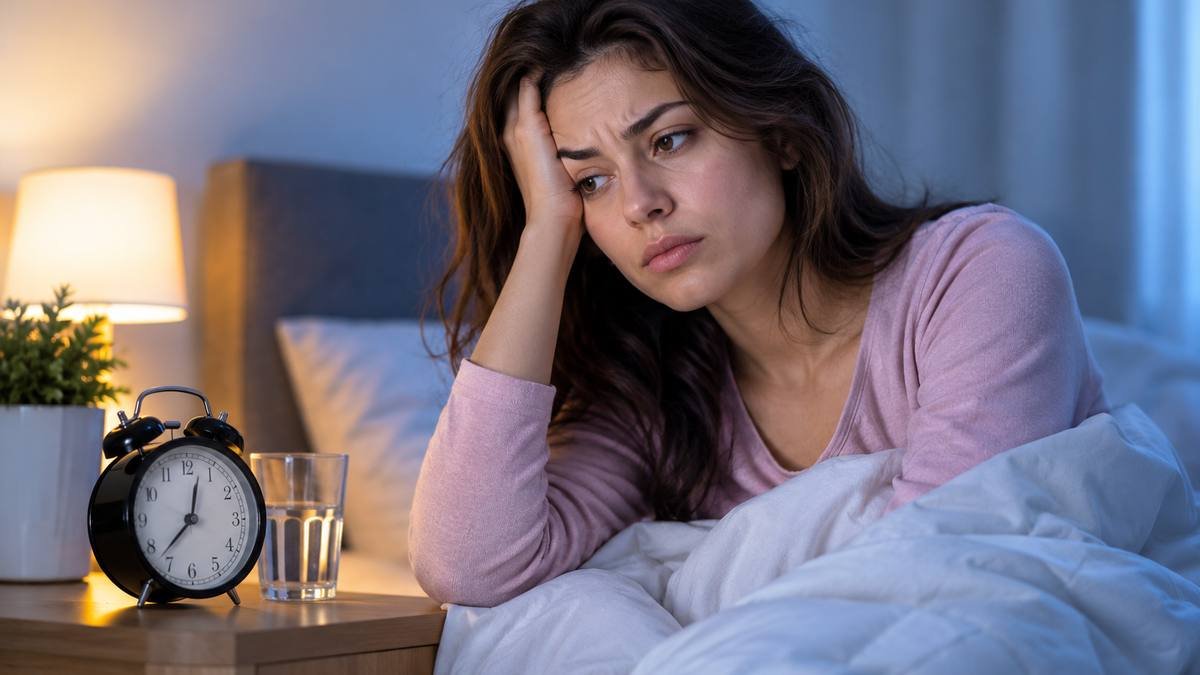

Sleep supports nearly every system in the body, from mood and memory to heart health and immune function. When it falls short, the effects often reach well beyond feeling tired. Poor sleep is common, and it can show up in ways that are easy to overlook or blame on a busy life.
Poor sleep symptoms in women can include daytime fatigue, irritability, headaches, trouble concentrating, and waking often during the night. Sleep problems in women may also change across life stages, including the menstrual cycle, pregnancy, the postpartum period, and perimenopause and menopause. Stress, lifestyle habits, and underlying health conditions can all play a role.
This guide explains what counts as poor sleep, walks through 12 common symptoms, and covers possible causes, health effects, and practical ways to improve sleep quality. It also explains when to talk with a healthcare professional. The information is general and cannot diagnose any individual.
What Is Considered Poor Sleep?
Poor sleep is not only about how many hours you spend in bed. It can mean too little sleep, low-quality sleep, or both. The National Heart, Lung, and Blood Institute (NHLBI) uses the broader term sleep deficiency. It covers not getting enough sleep, sleeping at the wrong time of day, not sleeping well, and having a sleep disorder that disrupts rest.
Not Getting Enough Sleep
This happens when you regularly sleep fewer hours than your body needs. Common patterns include staying up late, waking too early, or keeping an irregular schedule. Busy work and family demands often drive these habits.
Getting Enough Hours but Still Sleeping Poorly
You can spend 8 hours in bed and still wake unrefreshed. Frequent nighttime awakenings, trouble reaching deep, restful sleep, and persistent daytime tiredness all point to poor sleep quality. Conditions such as sleep apnea can fragment sleep without you realizing it.
How Much Sleep Do Women Need?
The CDC reports that adults need 7 or more hours of sleep per night, and many experts describe a healthy range of 7 to 9 hours. Individual needs vary. Pregnancy, age, health conditions, and recent sleep loss can all change how much rest you need.
12 Common Poor Sleep Symptoms in Women
Poor sleep does not always look like obvious tiredness. Some signs appear during the day, while others affect mood, focus, or physical comfort. Having one of these symptoms does not mean you have a sleep disorder. Many have other causes, so look at the overall pattern. Our guide to the early signs of poor sleep covers more warning signals, and the article on poor sleep symptoms in men offers a useful comparison.
1. Persistent Daytime Fatigue
Feeling tired most of the day is one of the most common signs of poor sleep. Ordinary tasks may take more effort than usual. Some women feel exhausted even right after waking up, which can suggest that sleep quality, not only sleep length, is the issue.
2. Difficulty Concentrating and Brain Fog
Poor sleep can make it harder to focus on conversations or tasks. You might forget small details, feel mentally slow, or struggle with everyday decisions. NHLBI notes that sleep deficiency can affect learning, focus, and reaction time.
3. Mood Swings and Irritability
When you are short on sleep, frustration can build faster. Small stresses may feel overwhelming, and emotional reactions can seem stronger than usual. NHLBI also notes that sleep deficiency can leave people feeling frustrated, cranky, or worried in social situations.
4. Frequent Morning Headaches
Waking with a headache can be linked to disrupted sleep. It can also be associated with sleep apnea, which women may notice as morning headaches, insomnia, and fatigue instead of loud snoring. Recurring morning headaches deserve a medical assessment.
5. Increased Anxiety and Stress
Poor sleep and anxiety often feed each other. Worry can keep you awake, and sleep loss can make stress harder to manage. The CDC notes that insufficient sleep has been associated with depressive symptoms, anxiety, and pain. Our guide to what anxiety is explains more about this link.
6. Difficulty Falling Asleep
You may lie awake for a long time, feeling physically tired but mentally alert. Racing thoughts at bedtime are common. Trouble falling asleep can be an insomnia symptom, especially when it happens often.
7. Waking Up Frequently During the Night
Repeated awakenings can come from discomfort, temperature changes, noise, or a sleep disorder. The real problem is often trouble returning to sleep afterward. Fragmented sleep can leave you tired even when your total time in bed looks adequate.
8. Waking Up Too Early
Waking well before your alarm and being unable to fall back asleep is another common pattern. You may feel unrefreshed through the morning. Early waking can be linked to stress, mood changes, hormonal shifts, or other factors.
9. Changes in Appetite and Food Cravings
Some people notice stronger hunger or cravings after poor nights. Research suggests that short sleep is associated with higher ghrelin, a hunger hormone. Findings on appetite and sleep have been mixed, so this does not happen to everyone.
10. Reduced Motivation and Productivity
Poor sleep can make daily responsibilities feel heavier. You may have less drive to exercise, cook, or finish tasks. Slower reaction times and lower efficiency can follow, and they may affect work and safe driving.
11. Weakened Immune Function
Sleep supports normal immune function. NHLBI notes that people who are sleep deficient may have trouble fighting common infections. That does not mean poor sleep automatically causes frequent illness, but it is one possible factor.
12. Reduced Sexual Desire
Fatigue, stress, mood changes, relationship factors, hormonal shifts, and medications can all lower interest in sex. Low libido is not a specific sign of poor sleep. It is worth discussing with a healthcare professional if it is bothersome, since many causes are treatable.
Why Do Women Experience Poor Sleep?
Sleep problems in women often have several overlapping causes. A review in Sleep Medicine Research describes how sleep can shift across the menstrual cycle, pregnancy, the postpartum period, and the menopausal transition. Research also notes that women are more likely than men to be diagnosed with chronic insomnia, though the reasons are complex.
1. Hormonal Fluctuations During the Menstrual Cycle
Estrogen and progesterone change throughout the cycle, and these shifts may influence sleep. Many women report poorer sleep in the week before their period. PMS symptoms such as cramps, discomfort, and mood changes can add to the problem.
2. Pregnancy and Postpartum Changes
The American Academy of Sleep Medicine (AASM) notes that early pregnancy can bring nausea, backache, and frequent urination that interrupt sleep. Later pregnancy may add heartburn, positional discomfort, and restless legs. After birth, newborn care, feeding, stress, and hormonal changes can disrupt sleep. Postpartum depression and anxiety can also affect rest.
3. Perimenopause and Menopause
Hot flashes and night sweats can wake women repeatedly. The Menopause Society has noted that women with these symptoms are more likely to report disrupted sleep. Sleep apnea and restless legs syndrome can also become more relevant during this stage of life.
4. Stress, Anxiety, and Mental Health
Stress can make it harder to fall and stay asleep, and insomnia, anxiety, and depression often overlap. Sleep problems are not always psychological, though. Physical and medical causes matter too. Our guides to depression and sleep and mental health explore this connection.
5. Lifestyle and Environmental Factors
Several everyday factors can interfere with sleep:
- Too much caffeine, especially later in the day
- Irregular sleep schedules
- Late-night screen use
- Alcohol use
- Noise, light, or a bedroom that is too warm
Our article on what makes poor sleep worse goes deeper on these triggers.
6. Underlying Medical Conditions
Some health conditions disrupt sleep directly. These include thyroid disorders, restless legs syndrome, obstructive sleep apnea, chronic pain, and certain medications. The CDC lists chronic insomnia, restless legs syndrome, and sleep apnea among the sleep disorders that can reduce sleep quality. See our overview of poor sleep risk factors and what causes poor sleep for more detail.
How Poor Sleep Affects Women’s Physical and Mental Health
Occasional rough nights are normal and do not mean chronic illness is coming. Persistent poor sleep is different. The research here mostly shows associations, not proven cause and effect.
Mental health: Poor sleep can worsen mood, make stress harder to manage, and aggravate anxiety or existing depression.
Cardiovascular health: NHLBI reports that sleep deficiency is linked to heart disease, high blood pressure, and stroke. Better-sleeping adults tend to have lower rates of some of these risk factors, though many other influences are involved.
Metabolic health: Sleep affects how the body handles insulin and blood sugar. A review of experimental and epidemiological studies links sleep loss with glucose intolerance and insulin resistance.
Immune health: Sleep supports normal immune function, and chronic sleep loss may reduce the body’s ability to fight infection.
Daily safety: Reduced alertness and slower reactions can raise the chance of errors and accidents, including while driving. Read more in our article on whether poor sleep is serious.
How Can Women Improve Sleep Quality?
Simple habits can help many people, though they do not solve every sleep problem. Our full guide on how to improve sleep has more ideas.
1. Maintain a Consistent Sleep Schedule
Go to bed and wake up at about the same time each day, including weekends when possible. A steady rhythm helps the body know when to wind down.
2. Create a Comfortable Sleep Environment
Keep your bedroom quiet, dark, and comfortably cool. Choose bedding that feels good to you. Reduce interruptions such as notifications, bright lights, or a pet that wakes you.
3. Limit Caffeine and Alcohol
Avoid caffeine later in the day. Alcohol can make you feel sleepy at first but often disrupts sleep later in the night.
4. Reduce Screen Exposure Before Bedtime
Build a relaxing routine before bed, such as reading, stretching, or a warm shower. Put stimulating activities and devices away. Smartphone use before bed has been associated with shorter and poorer sleep, according to NHLBI.
5. Exercise Regularly
Regular movement can support better sleep. Read about the benefits of exercise and how sleep and exercise connect. If vigorous workouts close to bedtime keep you awake, move them earlier.
6. Manage Stress
Try relaxation exercises, meditation, or slow breathing. Our guide on how to reduce stress offers practical options. Persistent anxiety or distress deserves professional support.
Sleep habits alone may not be enough for ongoing insomnia. The American College of Physicians recommends cognitive behavioral therapy for insomnia (CBT-I) as the first-line treatment for adults with chronic insomnia. Explore more in our overview of poor sleep treatment options.
When Should Women See a Doctor About Poor Sleep?
You do not need to wait until symptoms become severe. Consider a medical assessment if:
- Sleep problems happen regularly and interfere with daily life
- Daytime fatigue affects your work, relationships, or safety
- You snore loudly, gasp, or have witnessed pauses in breathing
- Nighttime discomfort or restless legs keep disrupting sleep
- Sleep problems occur with ongoing anxiety or depression
- Sleep becomes hard to manage during pregnancy or after childbirth
A healthcare professional may review your medical history, medications, symptoms, and sleep habits. They may also recommend further evaluation, such as a sleep study, when appropriate. NHLBI offers more on sleep apnea in women.
Frequently Asked Questions About Poor Sleep in Women
1. What are the most common symptoms of poor sleep in women?
Common symptoms include daytime fatigue, irritability, trouble concentrating, frequent nighttime awakenings, and daytime sleepiness. Some women also notice morning headaches or changes in appetite. Symptoms vary, and they can have causes other than poor sleep.
2. Can hormonal changes cause poor sleep in women?
Yes, hormonal shifts may contribute. Sleep can be affected around menstruation, during pregnancy, after childbirth, and during perimenopause and menopause. Hot flashes and night sweats are a well-known menopausal cause of waking, according to AASM.
3. Can poor sleep affect a woman’s hormones?
Sleep and hormones influence each other. Poor sleep is associated with changes in appetite and stress-related hormones, as shown in research on leptin and ghrelin. That does not mean poor sleep always causes a hormonal imbalance.
4. Why do I feel tired even after sleeping for eight hours?
Your sleep may be fragmented or low in quality even if you spend enough time in bed. Possible causes include sleep apnea, stress, medications, and other health conditions. NHLBI notes that sleep deficiency includes not sleeping well, not only sleeping too little.
5. Can poor sleep cause weight gain in women?
Short or poor sleep is associated with changes in appetite and metabolism, and with a higher chance of obesity in some studies. Research results are mixed, and many factors affect weight. Sleep is one piece of the picture. See our guide to weight management.
6. When should I worry about sleep problems?
Seek care if sleep problems happen regularly, cause daytime impairment, or come with loud snoring, gasping, or pauses in breathing. Also reach out if sleep troubles occur alongside persistent anxiety or depression. You do not need to wait for symptoms to become severe.
Final Thoughts
Poor sleep can affect far more than energy levels. Symptoms may be physical, emotional, and mental, and they can look different from one woman to the next. Hormonal transitions, stress, daily habits, and health conditions can all contribute.
Persistent sleep difficulties deserve attention. Small changes to your routine may help, and professional guidance is worth seeking when sleep problems interfere with daily life. Be kind to yourself, prioritize rest, and let a healthcare professional help you find the cause instead of self-diagnosing.
Sources
- Office on Women’s Health: Sleep and Your Health
- NHLBI: Sleep Deprivation and Deficiency
- NHLBI: Sleep Deprivation and Deficiency, Health Effects
- NHLBI: Sleep Apnea and Women
- NHLBI: Sweet Dreams, Researchers Explore Link Between Sleep and Health
- CDC: 1 in 3 Adults Don’t Get Enough Sleep
- CDC MMWR: Insufficient Sleep Among Adults
- American Academy of Sleep Medicine: Women’s Sleep Health
- AASM: Women’s Sleep Health One-Pager (2025)
- Nowakowski et al., Sleep and Women’s Health, Sleep Medicine Research (2013)
- Benge et al., Sleep Health Challenges Among Women: Insomnia Across the Lifespan, Frontiers in Sleep (2024)
- Patient Care: Sleep Screening May Be Key in Menopause Care
- American College of Physicians: CBT-I as Initial Treatment for Chronic Insomnia
- Sleep Foundation: Sleep Apnea Symptoms in Women
- Short Sleep Duration and Appetite-Regulating Hormones: Systematic Review and Meta-Analysis
- Metabolic, Endocrine, and Immune Consequences of Sleep Deprivation
Medical Disclaimer: This article is for general educational purposes only and does not replace advice from a qualified healthcare professional. It cannot diagnose or treat any condition. Everyone’s health needs are different, so talk with your doctor about your own symptoms, medications, and sleep concerns. If you have severe symptoms or think you may be having a medical emergency, seek care right away.
1 thought on “Poor Sleep Symptoms in Women: Common Signs, Causes, and When to Seek Help”
Comments are closed.