
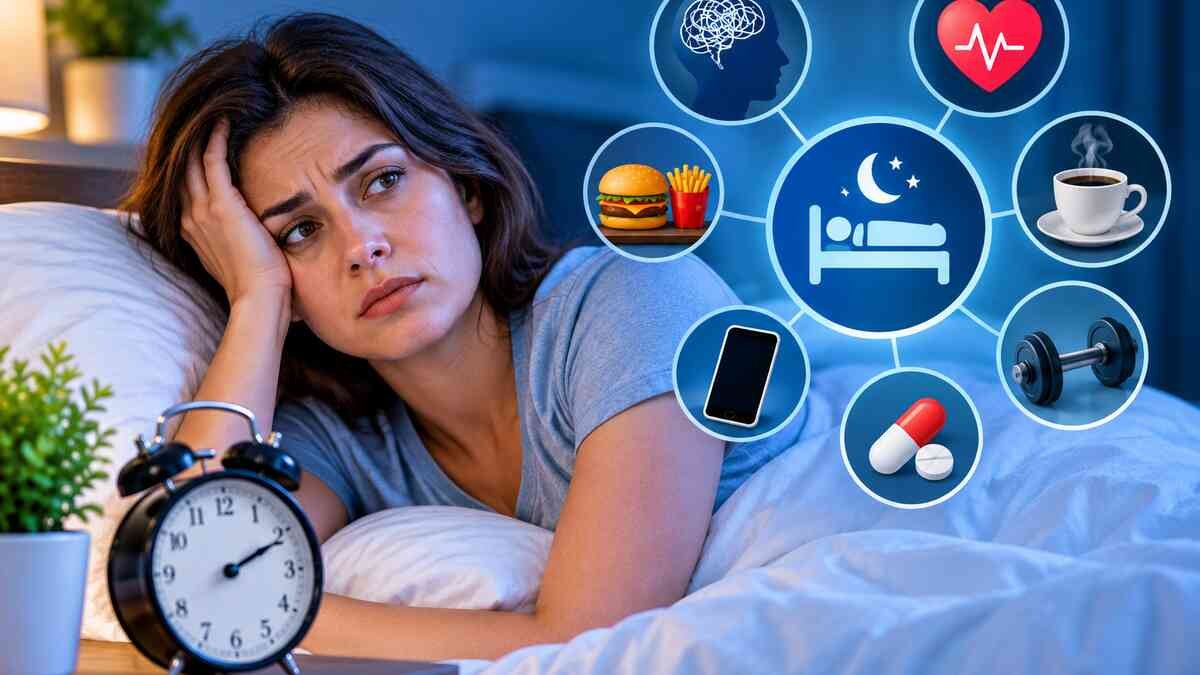

You toss and turn for a few hours, get up exhausted, and wonder whether it matters. Is a restless night just part of life, or can poor sleep become a real health concern? It is a fair question, and the honest answer depends on how often it happens and what else is going on.
Poor sleep is not always serious when it happens occasionally. However, persistent or severe sleep problems can affect concentration, mood, daily functioning, and overall health. Poor sleep may also be associated with conditions such as high blood pressure, diabetes, and depression. Medical advice is important when sleep difficulties continue or interfere with everyday life.
This guide explains when poor sleep becomes a concern, how inadequate sleep can affect the body and mind, which warning signs should not be ignored, and when to seek professional help. You will also find practical steps that may support better sleep. The goal is to inform, not to alarm, and this article cannot diagnose your situation.
What Is Poor Sleep?
Poor sleep means sleep that is too short, too disrupted, or not refreshing. It can show up in several ways:
- Difficulty falling asleep
- Waking often during the night
- Waking earlier than intended
- Sleeping fewer hours than you need
- Feeling unrefreshed after waking
- Daytime tiredness despite enough time in bed
Sleep quantity and sleep quality are related but different. You can spend eight hours in bed and still feel tired if your sleep is repeatedly broken. The Centers for Disease Control and Prevention (CDC) notes that sleep medicine groups recommend that adults ages 18 to 60 sleep at least seven hours per night, although individual needs vary.
Occasional poor sleep does not automatically signal a medical problem. What matters most is how often it happens, how long it lasts, how severe it is, and how much it affects your days. To learn what can contribute to it, see our guide to poor sleep risk factors.
When Does Poor Sleep Become Serious?
Poor sleep deserves attention when it becomes persistent, repeatedly interferes with daily life, or comes with symptoms of an underlying health condition. There is no single number of bad nights that makes poor sleep a medical condition. Persistence, symptoms, and the underlying cause are what count.
Occasional Poor Sleep Versus Persistent Sleep Problems
Temporary sleep disruption is common and often has an obvious trigger. Examples include:
- Stress before an important event
- A short illness
- Travel and jet lag
- An unusual work schedule
Persistent sleep problems look different. They may include repeated difficulty falling asleep, frequent nighttime waking, regular daytime exhaustion, ongoing trouble concentrating, or sleep disturbances lasting weeks or longer. The American College of Physicians (ACP) notes that chronic insomnia involves sleep difficulty at least three nights per week for at least three months that causes daytime distress or impairment. Only a clinician can diagnose it.
How Poor Sleep Affects Daily Functioning
When sleep is poor, the effects often show up during the day. People may notice:
- Difficulty focusing
- Reduced work or school performance
- Irritability
- Slower reaction times
- More mistakes and a higher risk of accidents
- Trouble managing everyday responsibilities
Why Persistent Poor Sleep Should Not Be Ignored
Repeated sleep difficulties may point to insomnia, sleep apnea, a mental health concern, or another underlying condition. Treating the cause often helps more than treating the sleeplessness alone. Our guide to poor sleep treatment options explains what is available.
Short-Term Effects of Poor Sleep on the Body
Even a short stretch of inadequate sleep can affect how you feel and perform.
Daytime Fatigue and Low Energy
Disrupted or short sleep can leave you drained and less motivated. Our guide on what causes fatigue covers other possible reasons for ongoing tiredness.
Difficulty Concentrating and Remembering Things
Sleep supports attention, memory, learning, and decision-making. The National Heart, Lung, and Blood Institute (NHLBI) explains that sleep plays an important role in brain and body function, so people who are short on sleep often find it harder to think clearly.
Mood Changes and Irritability
Inadequate sleep may increase emotional sensitivity, frustration, and difficulty coping with stress. Small problems can feel bigger than usual.
Slower Reaction Time and Accident Risk
Sleepiness can make driving and other tasks that need concentration more dangerous. CDC researchers report that drowsy drivers react more slowly, pay less attention, and make poorer decisions, and that drowsy driving crashes are more likely to cause injuries and deaths than non-drowsy crashes.
Reduced Physical Performance
Poor sleep can affect coordination, stamina, exercise performance, and recovery. Many people notice that workouts feel harder after a bad night.
Long-Term Health Risks Associated With Poor Sleep
Chronic sleep deficiency deserves attention, but it helps to be precise. Many of the links below are associations, which means poor sleep is connected with these conditions but does not necessarily cause them. Risk varies from person to person.
The NHLBI describes the health effects of sleep deficiency and reports that it is associated with several chronic conditions, including heart disease, high blood pressure, stroke, diabetes, obesity, and depression.
Cardiovascular Health
Persistent sleep problems are associated with high blood pressure, heart disease, and stroke. During normal sleep, blood pressure and heart rate typically dip, which gives the cardiovascular system a rest. Disrupted sleep may reduce that recovery time.
Metabolic Health and Diabetes
Inadequate sleep may influence how the body responds to insulin and manages blood sugar. This may raise the risk of type 2 diabetes over time, particularly alongside other risk factors.
Weight and Appetite Regulation
Sleep loss may affect hunger-related hormones and food choices, which can make weight management harder for some people. The relationship is complex, and sleep is only one of many factors involved.
Immune System Function
Sleep supports normal immune function. Inadequate sleep may affect the body’s ability to respond to infections, though the size of this effect varies.
Overall Health and Quality of Life
Ongoing sleep difficulties can reduce well-being and make existing health challenges harder to manage. None of this means poor sleep inevitably leads to illness. It means that persistent sleep problems are worth taking seriously.
How Poor Sleep Affects Mental and Emotional Health
Sleep and mental health influence each other. Our overview of sleep and mental health explains this two-way relationship.
Anxiety and Stress
Poor sleep can increase tension and worry and make daily stress harder to handle. In turn, anxiety can make it harder to sleep. You can learn more about what anxiety is and how to reduce stress.
Depression and Mood Disorders
Sleep disturbances are common in people with depression, and poor sleep may worsen mood symptoms. Some people with depression sleep too little, while others sleep much more than usual.
Emotional Regulation
When you are short on sleep, it can be harder to manage frustration and handle conflict. Relationships and work can feel more strained.
Cognitive and Psychological Well-Being
Persistent sleep difficulties may affect concentration, memory, motivation, and quality of life. Poor sleep does not automatically mean someone has a mental health condition. If you are concerned about your mood, a healthcare professional can help sort out what is going on.
Warning Signs That Poor Sleep May Be a Serious Problem
Some symptoms suggest that poor sleep may be linked to an underlying sleep disorder and deserve medical evaluation. Watch for:
- Feeling very sleepy during the day
- Regularly struggling to stay awake
- Repeatedly waking up gasping or choking
- Loud snoring combined with daytime sleepiness
- Persistent difficulty falling or staying asleep
- Frequent morning headaches (see what causes headaches)
- Trouble concentrating or remembering things
- Sleep problems that interfere with work, school, or relationships
The NHLBI explains that sleep apnea involves repeated breathing interruptions during sleep and needs medical evaluation. These warning signs do not confirm a diagnosis, but they are good reasons to ask for professional advice.
Safety note: If you fall asleep while driving or doing something potentially dangerous, treat it as urgent. Do not continue driving while sleepy, and talk with a healthcare professional promptly.
Common Causes and Conditions Behind Serious Sleep Problems
Poor sleep is often a symptom rather than an isolated problem. Common causes include:
- Chronic stress and anxiety
- Depression and other mental health conditions
- Insomnia
- Obstructive sleep apnea
- Restless legs syndrome
- Chronic pain
- Respiratory problems
- Irregular work schedules
- Excessive caffeine or alcohol
- Certain medications
Identifying the cause matters because the best response depends on what is disrupting sleep. For a fuller breakdown, read our guide on poor sleep risk factors.
When Should You See a Doctor About Poor Sleep?
Consider speaking with a healthcare professional if:
- Sleep difficulties happen regularly and continue over time
- Daytime sleepiness affects daily activities
- Poor sleep affects work, school, or relationships
- You regularly wake up choking or gasping
- You have loud snoring along with excessive daytime sleepiness
- Sleep problems occur alongside persistent pain or other symptoms
- You think a medication may be affecting your sleep
A healthcare professional may review your sleep habits, medical history, medications, and symptoms. Depending on the situation, they may recommend a sleep assessment or a sleep study.
Seek emergency care for severe or sudden symptoms, such as chest pain or serious trouble breathing. Our guide on when chest pain is an emergency explains what to look for.
How Can You Reduce the Health Risks of Poor Sleep?
Small, steady changes can support better sleep. These steps may help:
- Keep a consistent bedtime and wake-up time.
- Make your bedroom quiet, dark, and comfortable.
- Avoid caffeine later in the day.
- Limit alcohol and avoid nicotine.
- Reduce stimulating screen use before bed.
- Exercise regularly.
- Build a relaxing bedtime routine.
- Address stress and mental health concerns.
- Seek professional advice for persistent sleep difficulties.
Lifestyle changes can support better sleep, but they may not resolve an underlying sleep disorder. For more ideas, see our guides on how to improve sleep, the best foods for better sleep, and healthy habits.
Frequently Asked Questions About Poor Sleep
Is poor sleep dangerous?
Occasional poor sleep is usually not dangerous by itself. Persistent sleep problems, however, can affect health, concentration, mood, and daily functioning. Drowsiness can also raise the risk of accidents, especially while driving.
Can poor sleep cause long-term health problems?
Chronic insufficient or disrupted sleep is associated with several health risks, including cardiovascular and metabolic problems. These are associations, and individual risk varies.
How many nights of poor sleep are serious?
There is no universal number. Repeated sleep difficulties, daytime impairment, and concerning symptoms matter more than a specific count of nights. If problems last for weeks, it is reasonable to seek advice.
Can poor sleep affect the immune system?
Yes, it may. Sleep supports normal immune function, and inadequate sleep may interfere with some immune responses. The NHLBI notes that sleep helps the body regulate processes such as immune function.
Should I see a doctor for poor sleep?
Consider medical advice if sleep problems persist, affect daily life, or come with symptoms such as gasping, choking, or excessive daytime sleepiness. A clinician can look for treatable causes.
Conclusion
Poor sleep is not always a serious medical problem, especially when it happens occasionally. Persistent sleep difficulties, however, should not be ignored. They can affect concentration, mood, physical performance, and long-term health, and they sometimes signal an underlying condition.
The good news is that many causes can be identified and addressed. Start by looking at your habits and stress levels, and reach out to a healthcare professional if problems continue or interfere with your life. Help is available, and better sleep is often within reach.
Sources
- National Heart, Lung, and Blood Institute: Sleep Deprivation and Deficiency, Health Effects
- National Heart, Lung, and Blood Institute: Why Is Sleep Important?
- National Heart, Lung, and Blood Institute: Sleep Apnea
- Centers for Disease Control and Prevention: 1 in 3 Adults Don’t Get Enough Sleep
- Centers for Disease Control and Prevention: Drowsy Driving and Risk Behaviors, 10 States and Puerto Rico, 2011 to 2012 (MMWR)
- Centers for Disease Control and Prevention: Drowsy Driving, 19 States and the District of Columbia, 2009 to 2010 (MMWR)
- American College of Physicians: ACP Recommends Cognitive Behavioral Therapy as Initial Treatment for Chronic Insomnia
Medical Disclaimer
This article is for general educational purposes only and is not a substitute for professional medical advice, diagnosis, or treatment. Poor sleep can have many causes, and health risks differ from person to person. Talk with a qualified healthcare professional if you have persistent sleep difficulties or concerns about your health. If you have severe or sudden symptoms, such as chest pain or serious trouble breathing, seek emergency care right away.
4 thoughts on “Is Poor Sleep Serious? Health Risks, Warning Signs, and When to Seek Help”
Comments are closed.