
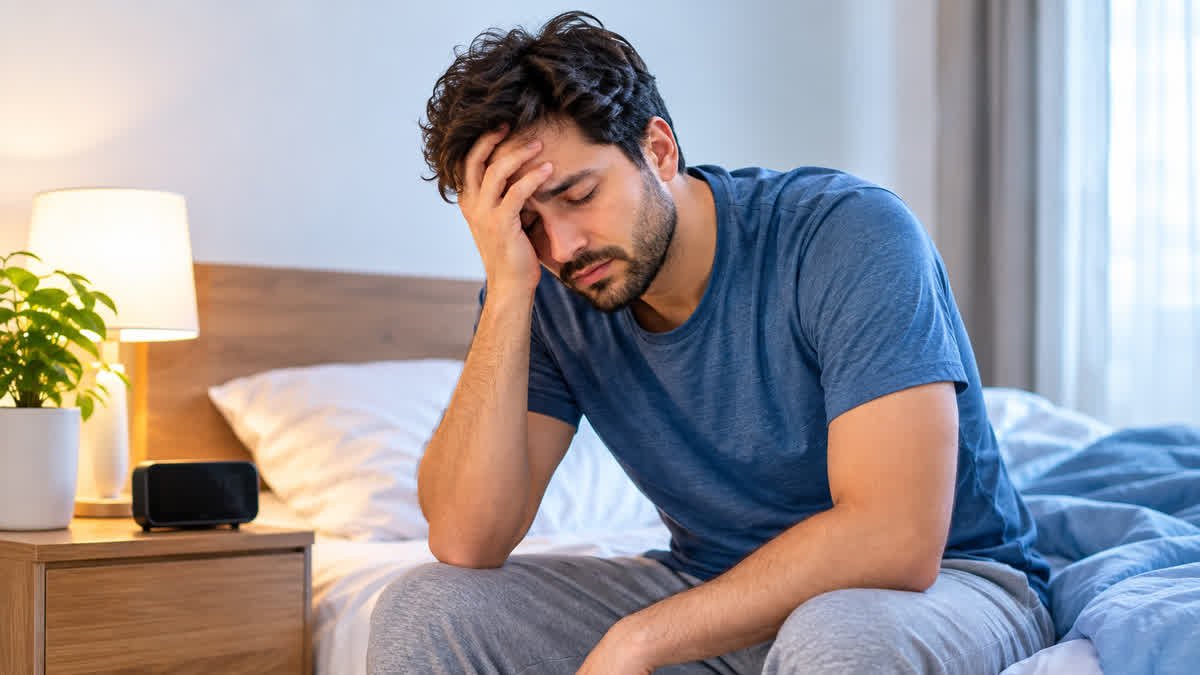

You were in bed for eight hours, yet you feel as though you barely slept. Waking up tired is a common experience, and it often leaves people wondering what they are doing wrong. The honest answer is that sleep length is only half the story; sleep quality matters just as much.
Interrupted sleep, stress, an irregular schedule, lifestyle habits, and medical conditions can all drain your energy before the day begins. Waking in the middle of the night and waking up exhausted in the morning are related but different problems, and this guide treats them separately where it helps. Understanding which one fits you is a useful first step.
Below, you will learn what waking up tired means, seven common causes, the symptoms that often travel with it, and practical ways to sleep better. You will also find out when to see a doctor and how clinicians evaluate sleep problems. This is general education, not a diagnosis.
What Does Waking Up Tired Mean?
Waking up tired means you do not feel rested or alert after your main sleep period, even though you spent enough time in bed. The CDC explains that good sleep is not only about how many hours you sleep, but how well you sleep. It lists signs of poor sleep quality that include trouble falling asleep, repeatedly waking during the night, and feeling sleepy or tired even after getting enough sleep.
Quick answer: Waking up tired usually means your sleep was too short, too fragmented, poorly timed, or disrupted by a sleep disorder or another health issue. Lying in bed for eight hours does not guarantee restorative sleep. If it happens most days, it is worth looking into.
Sleep duration and sleep quality are different things. Sleep quality means uninterrupted, refreshing sleep that moves through the natural stages. When something repeatedly pulls you out of deeper sleep, even briefly, you can wake up feeling as though you never fully rested.
Nighttime awakenings and morning fatigue are linked. Waking repeatedly can leave you tired the next day, but you can also wake up tired without remembering any awakenings. Brief arousals from sleep apnea, for example, often go unnoticed.
Occasional tiredness after a restless night is normal. Persistent unrefreshing sleep, meaning most mornings for several weeks, deserves more attention. For a closer look at how morning exhaustion feels, see CollectedMed’s guide to what waking up tired feels like.
Common Reasons You Are Waking Up Tired
Several factors can contribute, and they often overlap. For more background, see CollectedMed’s overview of what causes poor sleep and poor sleep risk factors. Also see the companion article on waking up tired in the morning.
1. Not Getting Enough Quality Sleep
The National Heart, Lung, and Blood Institute (NHLBI) describes sleep deficiency as a broader concept than simply sleeping too little. It includes not getting enough sleep, sleeping at the wrong time of day, not sleeping well, or having a sleep disorder. Any of these can leave you without the restorative sleep your body needs.
The CDC recommends that adults ages 18 to 60 get at least seven hours of sleep per night. Needs vary, and some people need more. Late bedtimes, early alarms, and inconsistent schedules can quietly shrink your sleep and build up sleep debt.
2. Frequent Nighttime Awakenings
Repeated interruptions keep you from staying in deeper sleep stages. Common triggers include noise, light, an uncomfortable mattress, a room that is too warm, a restless partner, pets, or physical discomfort. The Sleep Foundation notes that noise can cause sleep fragmentation, and that even low-level noise may shift you into lighter sleep or wake you briefly.
Some people wake and then struggle to fall back asleep. Worry, a racing mind, or checking the clock can make that harder. Health issues such as pain, nighttime heartburn, or frequent urination may also play a role, so a persistent pattern is worth mentioning to a clinician. See CollectedMed’s article on what makes poor sleep worse for common aggravators.
3. Stress and Anxiety
Ongoing stress keeps the body alert when it should be winding down. At night, that can mean racing thoughts, trouble relaxing, and waking in the early hours with worry. Poor sleep can then make stress feel harder to handle, creating a cycle.
Emotional well-being and sleep quality are closely connected. For more on this relationship, read about sleep and mental health, what anxiety is, and how to reduce stress. If anxiety or low mood is affecting your daily life, a healthcare professional can help.
4. Sleep Apnea and Breathing-Related Sleep Problems
Obstructive sleep apnea is a condition in which the airway narrows or becomes blocked during sleep, causing breathing to pause repeatedly. MedlinePlus explains that it occurs because of narrowed or blocked airways. The brain briefly wakes the body to restart breathing, often without the person remembering it.
According to the FDA, symptoms can include loud snoring, snorting or choking sounds, daytime sleepiness, waking with a dry throat or headache, and trouble concentrating. The NHLBI lists breathing that starts and stops, frequent loud snoring, and gasping for air. Not everyone who snores has sleep apnea, and not everyone with it snores.
Because it happens during sleep, many people do not know they have it, and a bed partner may be the first to notice. Professional evaluation matters, since a sleep study is often needed to diagnose it.
5. Irregular Sleep Schedule
Your body runs on an internal 24-hour sleep-wake rhythm known as the circadian rhythm. Going to bed and waking at very different times can leave that rhythm out of sync. The result is feeling sleepy at the wrong times and unrefreshed in the morning.
Shift work, travel, late weekend nights, and changing routines are common contributors. The NHLBI lists people with schedules that conflict with their internal body clocks, such as shift workers, as groups more likely to be sleep deficient.
6. Lifestyle Habits That Affect Sleep
Everyday habits can quietly erode sleep quality. The CDC lists several that matter, including turning off electronic devices at least 30 minutes before bedtime, avoiding large meals and alcohol before bed, and avoiding caffeine in the afternoon or evening.
Consider whether any of the following apply to you:
- Late-night screen use that keeps your mind stimulated
- Caffeine late in the day (see black coffee benefits for context on moderation)
- Alcohol in the evening, which may help you doze off but can disturb sleep later, according to research in Frontiers in Sleep
- A bedroom that is noisy, bright, or uncomfortable
- Little regular physical activity during the day
- Heavy meals close to bedtime
7. Underlying Health Conditions
Several medical issues can contribute to ongoing tiredness. The NHS and MedlinePlus list possibilities that include anemia, thyroid problems, diabetes, depression, and certain medicines. Sleep disorders such as insomnia and restless legs syndrome may also be involved.
Restless legs syndrome causes uncomfortable sensations in the legs and an urge to move them. According to the National Institute of Neurological Disorders and Stroke, symptoms are often worse in the evening or at night, which can disturb sleep.
Waking up tired does not automatically mean you have a disease. These conditions are possibilities for a clinician to consider, not conclusions you should draw alone. For more, see what causes fatigue, iron-rich foods, and diabetes symptoms.
Signs and Symptoms Associated With Waking Up Tired
Symptoms vary from person to person and depend on the underlying cause. Many people notice a cluster of the following:
- Feeling unrefreshed after waking. You feel as tired as you did at bedtime, even after a full night.
- Difficulty concentrating. Thinking feels slow, and focus slips more easily than usual. The NHLBI notes that sleep deficiency can cause problems with learning, focusing, and reacting.
- Daytime sleepiness. You feel drowsy during meetings, reading, or driving.
- Low energy throughout the day. Tasks that are usually easy feel heavy.
- Irritability or mood changes. You may feel short-tempered, anxious, or low.
- Frequent nighttime awakenings. You wake several times, or wake too early and cannot fall back asleep.
- Morning headaches. Some people wake with a headache, which can have many causes, including sleep-related breathing problems.
Having one or two of these does not mean something is wrong. A pattern that continues for weeks, or that affects your safety or daily life, is a reason to seek advice. Different groups can experience sleep trouble differently; see poor sleep symptoms in women and poor sleep symptoms in older adults. You can also review the early signs of poor sleep.
How to Stop Waking Up Tired and Improve Sleep Quality
No routine guarantees you will never feel tired, and the right approach depends on the cause. Still, the habits below are widely recommended and generally safe for healthy adults. For more depth, read CollectedMed’s guide to how to improve sleep and its overview of poor sleep treatment options.
1. Maintain a Consistent Sleep Schedule
The CDC recommends going to bed and getting up at the same time every day. Regular timing supports your circadian rhythm, so your body learns when to feel sleepy and when to feel alert. Try to keep the schedule steady on weekends too, as far as your life allows.
2. Create a Comfortable Sleeping Environment
Aim for a quiet, dark, and cool bedroom. The CDC suggests keeping the room quiet, relaxing, and at a comfortable temperature, and Harvard Health notes that most people sleep better in a slightly cool room, around 65 to 68 degrees Fahrenheit. Blackout curtains, earplugs, or a white noise machine can help. Replace a mattress or pillow that is worn or uncomfortable.
3. Reduce Screen Time Before Bed
Stimulating content and bright screens can make it harder to wind down. The CDC recommends turning off electronic devices at least 30 minutes before bedtime. Keeping phones and TVs out of the bedroom, or at least out of reach, can also reduce late-night scrolling.
4. Be Mindful of Caffeine Consumption
Coffee, tea, energy drinks, and some sodas contain caffeine. The CDC recommends avoiding caffeine in the afternoon or evening. Sensitivity varies, so you may need to experiment with an earlier cutoff.
5. Develop a Relaxing Bedtime Routine
A predictable wind-down tells your body that the day is ending. Options include reading a book, listening to calming music, gentle stretching, or relaxation exercises such as slow breathing. A warm shower may also feel relaxing. Foods and drinks can play a supporting role, and you can explore the best foods for better sleep.
6. Stay Physically Active During the Day
The CDC lists regular exercise as a habit that can improve sleep. Many people find that daytime activity supports better rest, though intense workouts very close to bedtime bother some. Walking is an easy place to start, as described in walking for health. To learn more, see sleep and exercise and the benefits of exercise.
7. Keep a Sleep Diary
A sleep diary can reveal patterns you might otherwise miss. The CDC suggests recording when you go to bed, wake during the night, wake in the morning, take naps, exercise, drink alcohol or caffeinated drinks, and take medications. Also note how tired you feel during the day.
Try keeping it for one to two weeks. It can help you spot triggers, and it gives a healthcare professional useful information if you decide to seek help.
When Should You See a Doctor About Waking Up Tired?
Persistent tiredness should not automatically be blamed on poor habits. The CDC advises talking with your healthcare provider if you regularly have problems sleeping or notice signs of common sleep disorders. Consider making an appointment if:
- Tiredness continues for several weeks (the NHS suggests seeing a GP if you have felt constantly tired for more than four weeks)
- Fatigue interferes with work, driving, relationships, or everyday activities
- You regularly wake up gasping or choking
- Loud snoring happens alongside daytime sleepiness
- Tiredness comes with unexplained changes in health, such as weight changes, shortness of breath, or low mood
- Sleep problems continue even after you improve your sleep habits
Seek urgent care for chest pain, severe breathlessness, fainting, or thoughts of self-harm. In the U.S., you can call or text 988 for the Suicide and Crisis Lifeline. For more context, read is poor sleep serious.
How Do Doctors Diagnose Sleep Problems?
Evaluation usually begins with a conversation. A clinician will ask about your sleep habits, symptoms, daily routine, and how tired you feel during the day. A sleep diary can make this discussion much more productive.
They may also review your medical history and your current medications, since some medicines affect sleep or cause drowsiness. A physical exam may check your nose, mouth, and throat, and a clinician may look at weight, blood pressure, and other factors. Blood tests may be used when indicated, for example to look for anemia or thyroid problems.
If a sleep disorder is suspected, the CDC notes that a provider can run tests, including sleep studies, to tell whether you have one. A sleep study measures breathing, movement, and sleep stages, and it may be done in a lab or at home depending on the situation. The FDA notes that diagnosing sleep apnea requires a sleep study.
Treatment depends on the cause. It may involve behavioral approaches, such as changes to sleep habits or therapy for insomnia, medical treatment for an underlying condition, or care from a sleep specialist. Never start or stop a medicine or supplement for sleep without talking with a healthcare professional first.
Frequently Asked Questions About Waking Up Tired
Why do I wake up tired even after 8 hours of sleep?
Sleep quality, nighttime interruptions, an off-schedule body clock, individual sleep needs, and medical conditions can all play a part. Time in bed also includes time spent awake, so actual sleep may be shorter than it feels. If it keeps happening, talk with a healthcare professional (CDC).
Is it normal to wake up tired every morning?
An occasional groggy morning is normal, especially after a short or restless night. Waking up tired every morning for weeks is less typical and deserves attention. It may reflect poor sleep quality, a sleep disorder, or another health issue (Cleveland Clinic).
Can stress make you wake up tired?
Yes, stress can make it harder to fall asleep and stay asleep, which lowers sleep quality. Racing thoughts and early-morning awakenings are common. The NHLBI notes that people with stress, anxiety, or other health problems may be more likely to be sleep deficient (NHLBI).
Why do I keep waking up during the night?
Common reasons include noise, light, temperature, discomfort, stress, alcohol, caffeine, and health conditions such as sleep apnea or restless legs syndrome. Occasional awakenings are normal. If you wake often or struggle to return to sleep, a sleep diary and a conversation with a clinician can help.
Does sleeping longer always help with tiredness?
Not always. Extra time in bed does not fix problems caused by poor sleep quality or an underlying condition. Very long sleep may even leave some people groggy, and a regular need for far more sleep than usual is worth mentioning to a clinician.
How can I wake up feeling refreshed?
Keep a consistent schedule, make your bedroom quiet, dark, and cool, limit late caffeine and alcohol, reduce screen use before bed, and stay active during the day. These habits help many people but do not work for everyone. If you still feel exhausted after a few weeks, speak with a healthcare professional.
Conclusion
Waking up tired can have many explanations, from short or interrupted sleep and stress to sleep apnea, irregular schedules, and other health conditions. Sleep quality matters as much as sleep duration, so more hours in bed will not always solve the problem. Consistent habits and a comfortable bedroom are a strong foundation for better rest.
If you keep waking up tired despite your best efforts, or you notice warning signs such as loud snoring or gasping, reach out to a healthcare professional. Help is available, and many people feel noticeably better once the cause is found. Start with one small change tonight, and give it a few weeks.
Sources
- About Sleep, Centers for Disease Control and Prevention
- Sleep Deprivation and Deficiency, National Heart, Lung, and Blood Institute
- Sleep Apnea Symptoms, National Heart, Lung, and Blood Institute
- Always Tired? You May Have Sleep Apnea, U.S. Food and Drug Administration
- Obstructive Sleep Apnea in Adults, MedlinePlus
- Fatigue, MedlinePlus
- Why Am I Tired All the Time?, NHS
- Restless Legs Syndrome Fact Sheet, National Institute of Neurological Disorders and Stroke
- Why You Wake Up Tired After 8 Hours of Sleep, Cleveland Clinic
- Sleep Hygiene: Simple Practices for Better Rest, Harvard Health Publishing
- Bedroom Environment, Sleep Foundation
- Associations of Substance Use and Positive Coping Behaviors with Sleep Quality, Frontiers in Sleep
Medical Disclaimer: This article is for general educational purposes only and is not medical advice. It does not diagnose, treat, or prevent any condition, and it cannot replace a visit with a qualified healthcare professional who knows your health history. Always talk with your doctor about symptoms that worry you, before starting or stopping any medicine or supplement, or before making major changes to your routine.