
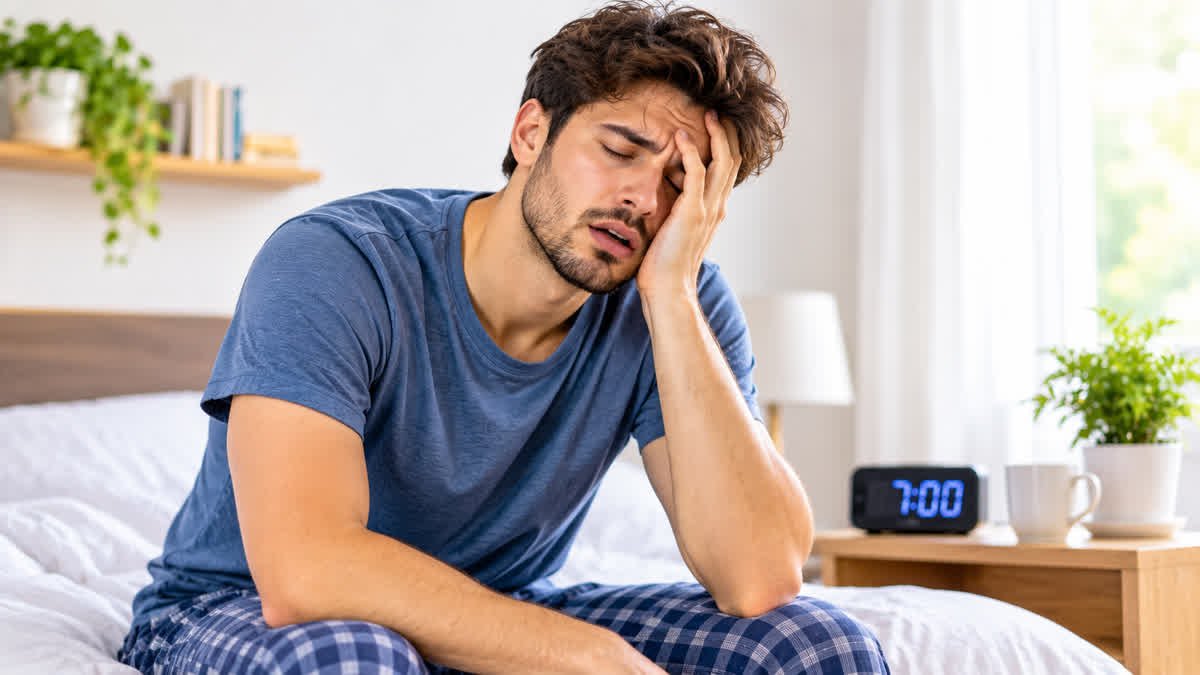

You went to bed early, kept your phone out of reach, and still woke up feeling wrecked. Waking up tired in the morning is one of the most common sleep complaints, and it can make the whole day feel like an uphill climb. The frustrating part is that time in bed does not always translate into rested mornings.
Morning fatigue can show up as grogginess, heavy limbs, foggy thinking, or low energy that hangs around well past breakfast. Sleep quality, daily habits, mental health, and medical conditions can all play a part. Often, more than one factor is at work at the same time.
This guide explains what morning tiredness means, walks through ten common causes, and answers the popular question of why you may feel exhausted after eight hours. You will also find realistic steps to feel better and clear signs that it is time to talk with a doctor. The information here is general and cannot diagnose your situation.
What Does Waking Up Tired in the Morning Mean?
Waking up tired simply means you do not feel rested or alert when you start your day. For some people it is a short bout of grogginess. For others it is a deep, heavy exhaustion that follows them through the morning.
It helps to separate a few terms. Sleepiness is a strong urge to doze off. Fatigue is a lack of energy or a feeling of weariness that rest does not fully fix. MedlinePlus describes fatigue as a feeling of weariness, tiredness, or lack of energy, and notes that it may signal a more serious condition when sleep, good nutrition, and lower stress do not relieve it.
Temporary grogginess right after waking is called sleep inertia. A scientific review of sleep inertia describes it as a period of sleepiness, disorientation, and impaired thinking that fades as time awake increases. The Sleep Foundation reports that it generally lasts about 15 to 60 minutes.
Morning tiredness becomes more concerning when it happens most days, lasts for weeks, or comes with other symptoms. For a closer look at how it feels, read CollectedMed’s guide on what waking up tired feels like. You can also see the broader overview of waking up tired.
10 Common Causes of Waking Up Tired in the Morning
Quick answer to “Why am I waking up tired in the morning?” Waking up tired in the morning can result from insufficient sleep, poor sleep quality, sleep apnea, insomnia, stress, or an irregular sleep schedule. Alcohol, caffeine, medications, and underlying health conditions may also contribute to morning fatigue. Persistent tiredness despite adequate sleep may require medical evaluation.
The causes below are not ranked by how likely they are for you. Think of them as a checklist of possibilities to explore, ideally with a healthcare professional if symptoms persist. CollectedMed’s overview of what causes poor sleep and its article on poor sleep risk factors add helpful background.
1. Not Getting Enough Sleep
The CDC tracks how many U.S. adults sleep less than recommended, and the number is large. The American Academy of Sleep Medicine recommends that adults get at least seven hours of sleep per night.
Late bedtimes combined with early alarms shrink your sleep without you noticing. Over days, the shortfall becomes sleep debt, and mornings feel progressively harder. Sleep inertia also tends to be worse after sleep loss, according to the scientific review mentioned above.
2. Poor Sleep Quality
Sleep that is broken up by frequent awakenings is less restorative, even if the total hours look fine. Noise, light, heat, an uncomfortable mattress, a snoring partner, or pets can all fragment sleep. You may not remember these awakenings at all.
This is why duration alone does not guarantee a rested morning. As Cleveland Clinic explains, how you sleep matters just as much as how long. If this sounds familiar, see the early signs of poor sleep.
3. Sleep Apnea
Obstructive sleep apnea is a condition in which the airway narrows or becomes blocked during sleep, causing breathing to pause. According to MedlinePlus, it occurs because of narrowed or blocked airways. The brain briefly rouses the body to restart breathing, often without the person remembering.
The FDA lists symptoms that include loud snoring, snorting or choking, daytime sleepiness, waking with a dry throat or headache, and trouble concentrating. It also notes that some signs may be less obvious in women. The NHLBI adds breathing that starts and stops and gasping for air.
Many people do not know they have it, because it happens during sleep. A partner may be the first to notice. If these signs sound familiar, ask a healthcare professional about evaluation, which often includes a sleep study.
4. Insomnia
Insomnia means trouble falling asleep, staying asleep, or waking too early, as described by MedlinePlus. Even if you get some sleep, it may be light and unsatisfying. Waking up tired often goes hand in hand with it.
Short-term insomnia often follows stress, a major life change, or a disrupted routine. Chronic insomnia may need professional support, and effective treatments exist. Browse CollectedMed’s guide to poor sleep treatment options for an overview.
5. Stress and Anxiety
Stress keeps the nervous system in a state of alert. At bedtime, that can mean racing thoughts, difficulty winding down, or waking in the small hours with worry. The result is lighter, more fragmented sleep.
Over time, emotional strain can leave you feeling drained before the day even starts. Sleep and anxiety also feed one another, since poor sleep can make worry harder to manage. See CollectedMed’s resources on what anxiety is, how to reduce stress, and sleep and mental health.
6. Irregular Sleep Schedule
Your circadian rhythm is the 24-hour internal clock that controls your sleep and wake cycle, according to the NHLBI. The NHLBI notes that staying up late and sleeping in on weekends can disrupt this rhythm.
Shift work, travel, and changing bedtimes can have a similar effect. When you wake at a time that does not match your body clock, mornings feel harder. The Hilditch and McHill review also notes that sleep inertia is affected by the time of day when a person wakes.
7. Alcohol and Caffeine
Alcohol may help some people fall asleep faster, but it often disrupts sleep later in the night. Research in Frontiers in Sleep reports that alcohol decreases REM sleep and increases late-night disturbance and wakefulness. That can leave you feeling unrefreshed.
Caffeine blocks the signals that promote sleepiness. It can help with morning grogginess, but late in the day it may delay or lighten sleep. MedlinePlus lists caffeine and alcohol among substances that can contribute to insomnia. For a balanced view, see CollectedMed’s article on black coffee benefits.
8. Depression and Mood Disorders
Depression can change sleep in different ways. Some people sleep too little or wake very early, while others sleep far more than usual. Morning exhaustion and low motivation are common experiences, though sleep changes vary from person to person.
Cleveland Clinic specialists note that mood conditions can contribute to tiredness even when you get enough sleep. If you also have persistent sadness, loss of interest, or hopelessness, please speak with a healthcare professional. You can learn more about depression on CollectedMed. If you ever have thoughts of harming yourself, call or text 988 in the U.S. or seek emergency care.
9. Medical Conditions and Nutritional Deficiencies
Several health problems can cause ongoing tiredness. The NHS and MedlinePlus list possibilities that include iron deficiency anemia, an underactive thyroid (hypothyroidism), and diabetes. Chronic conditions of the heart, lungs, kidneys, or liver may also contribute.
Low levels of nutrients such as iron, vitamin B12, or vitamin D may play a role for some people. That does not mean everyone should take supplements. Testing and treatment depend on the individual, so a clinician should guide those decisions. For food-based context, see iron-rich foods and vitamin B12 food sources, or read about diabetes symptoms.
10. Medications and Other Sleep Disorders
Some medicines can cause drowsiness or change sleep quality. MedlinePlus lists sedatives and antidepressants among medicines that may cause fatigue. Do not stop or change a prescription on your own. Talk with your prescriber or pharmacist if you suspect a medicine is involved.
Other sleep disorders can also be responsible. Restless legs syndrome causes an urge to move the legs that can disturb sleep. Narcolepsy and related hypersomnolence disorders cause excessive daytime sleepiness but are much less common. A sleep specialist can help sort these out.
Why Am I Waking Up Tired After 8 Hours of Sleep?
Quick answer: Eight hours in bed does not guarantee restorative sleep. Fragmented sleep, sleep apnea, a body clock that is out of sync, waking during a deep sleep stage, and individual differences in sleep need can all leave you tired after a full night.
Time in bed and time asleep are not identical. Minutes spent lying awake count toward the eight hours, so real sleep may be shorter than it feels. Fragmentation matters too, since many brief awakenings can reduce deep, restorative sleep.
Circadian misalignment is another factor. If your natural rhythm runs late, an early alarm may pull you out of sleep during your biological night. The Hilditch and McHill review notes that sleep inertia can be worse when waking occurs at that time.
Sleep apnea is a possibility worth knowing about, since it can leave people unrefreshed despite long nights. Sleep needs also vary. The CDC’s guidance of seven or more hours is a starting point, and the American Academy of Sleep Medicine suggests adjusting based on how you feel during the day.
Sleeping far more than nine hours can also bring grogginess for some people. If you regularly need very long sleep and still feel tired, mention it to a clinician. It may point to an underlying issue.
How to Stop Waking Up Tired in the Morning
No routine guarantees energetic mornings, and the best approach depends on the cause. Still, the habits below are widely recommended and generally safe for healthy adults. CollectedMed’s guides on how to improve sleep and what makes poor sleep worse provide more detail.
Maintain a Consistent Sleep Schedule
Try to go to bed and wake up at about the same time every day, including weekends. Regular timing supports your circadian rhythm, so your body knows when to feel sleepy and when to feel alert. The NHLBI notes that regular go-to-bed and wake-up times can especially benefit the heart, a bonus beyond energy.
Improve Your Sleep Environment
Aim for a bedroom that is dark, quiet, and comfortably cool. Blackout curtains, earplugs, a white noise machine, or a more supportive mattress and pillow may help. If a partner’s snoring or a pet is waking you, consider practical fixes for those too.
Limit Evening Caffeine and Alcohol
Caffeine sensitivity varies, so experiment with cutting it off earlier in the day. Avoid using alcohol as a sleep aid, since it can fragment sleep later in the night. Heavy late meals may also bother some people.
Create a Relaxing Bedtime Routine
A calming wind-down signals that the day is ending. Reading, gentle stretching, a warm shower, or quiet music are good options. Reduce stimulating screen use, such as work email or intense social media, in the hour before bed. See also foods that support better sleep.
Get Morning Light and Move Your Body
The NHLBI suggests waking with the sun or using bright light in the morning to help set your body clock. Even a few minutes by a window or outdoors can help. Pair it with gentle stretching or a short walk to feel more alert, as outlined in the health benefits of a morning walk.
Regular physical activity is generally linked with better sleep for many people. Learn more about sleep and exercise and walking for health. Research on exercise as a specific remedy for sleep inertia is still limited, so treat it as a reasonable habit, not a proven fix.
When Should You See a Doctor About Morning Fatigue?
Occasional tiredness after a short night is normal. See a healthcare professional if you are waking up tired most days, if it has lasted several weeks, or if it interferes with work, driving, or relationships. The NHS suggests seeing a GP when tiredness has lasted more than four weeks, which is a reasonable guide in the U.S. as well.
Seek evaluation sooner if morning tiredness comes with:
- Loud snoring, gasping, or pauses in breathing noticed by a partner
- Morning headaches or a dry mouth on waking
- Strong daytime sleepiness, including drowsiness while driving
- Unexplained weight changes
- Shortness of breath, chest discomfort, or leg swelling
- Ongoing low mood, anxiety, or loss of interest in activities
The NHLBI advises talking to your doctor if you constantly wake up feeling sluggish and listless or feel sleepy during the day. A clinician may review your sleep habits, medical history, and medications, and may order blood tests or a sleep study. A sleep diary kept for one to two weeks can make the visit more productive. For more context, read is poor sleep serious.
Seek urgent care for chest pain, severe breathlessness, fainting, or thoughts of self-harm.
Frequently Asked Questions
Why am I waking up tired every morning?
Common explanations include too little sleep, poor sleep quality, stress, an irregular schedule, alcohol or caffeine, and sleep disorders such as sleep apnea. Health conditions like anemia or thyroid problems may also contribute. If it continues for several weeks, a healthcare professional can help look for the cause (MedlinePlus).
Why do I wake up tired after 8 hours of sleep?
Sleep length does not guarantee sleep quality. Fragmented sleep, sleep apnea, and a body clock that is out of sync can leave you unrefreshed, and individual needs vary (Cleveland Clinic). Tracking how you feel over a couple of weeks can help you and your clinician spot patterns.
Is waking up tired a sign of sleep apnea?
It can be, but it is not proof. The FDA lists waking tired or with a headache among possible signs, along with loud snoring and daytime sleepiness. Many other conditions look similar, so a clinician needs to evaluate you, often with a sleep study (FDA).
Can dehydration cause morning tiredness?
Dehydration may contribute to sluggishness or headache in some people, but it is rarely the only reason for ongoing morning exhaustion. Drinking fluids steadily through the day is sensible. Very large amounts right before bed may cause nighttime bathroom trips that interrupt sleep.
Does sleeping too much make you tired?
It can for some people. Sleeping far beyond your usual need may leave you groggy, and unusually long sleep can be linked with conditions such as depression or sleep disorders. Cleveland Clinic specialists note that sleeping more than nine hours may feel less energizing than sleeping less (Cleveland Clinic).
How can I wake up feeling refreshed?
Keep a steady schedule, make your bedroom dark and quiet, limit late caffeine and alcohol, and get morning light and gentle movement. These habits help many people but do not work for everyone. If you still feel exhausted after a few weeks of consistent effort, speak with a healthcare professional.
Conclusion
Waking up tired in the morning has many possible causes, from short or broken sleep and stress to sleep apnea, alcohol, irregular schedules, and medical conditions. Sleep quality and consistency often matter as much as the hours you log. A brief stretch of grogginess is normal, but tiredness that lingers or lasts for weeks deserves attention.
Start with small changes: a steady schedule, a restful bedroom, morning light, and smarter evenings. If you keep waking up tired anyway, or notice warning signs such as loud snoring or gasping, reach out to a healthcare professional. Better mornings are often possible once the cause is found.
Sources
- Sleep Inertia, Sleep Foundation
- Sleep Inertia: Current Insights, Nature and Science of Sleep (PubMed Central)
- Always Tired? You May Have Sleep Apnea, U.S. Food and Drug Administration
- Obstructive Sleep Apnea in Adults, MedlinePlus
- Sleep Apnea Symptoms, National Heart, Lung, and Blood Institute
- Sweet Dreams: Researchers Explore Link Between Sleep and Health, National Heart, Lung, and Blood Institute
- Why You Wake Up Tired After 8 Hours of Sleep, Cleveland Clinic
- Fatigue, MedlinePlus
- Insomnia, MedlinePlus
- Why Am I Tired All the Time?, NHS
- FastStats: Sleep in Adults, CDC
- How Much Sleep Do I Really Need?, American Academy of Sleep Medicine
- Associations of Substance Use and Positive Coping Behaviors with Sleep Quality, Frontiers in Sleep
Medical Disclaimer: This article is for general educational purposes only and is not medical advice. It does not diagnose, treat, or prevent any condition, and it cannot replace a visit with a qualified healthcare professional who knows your health history. Always talk with your doctor about symptoms that worry you, before starting or stopping any medicine or supplement, or before making major changes to your routine.
1 thought on “Waking Up Tired in the Morning? 10 Causes and Solutions”
Comments are closed.