
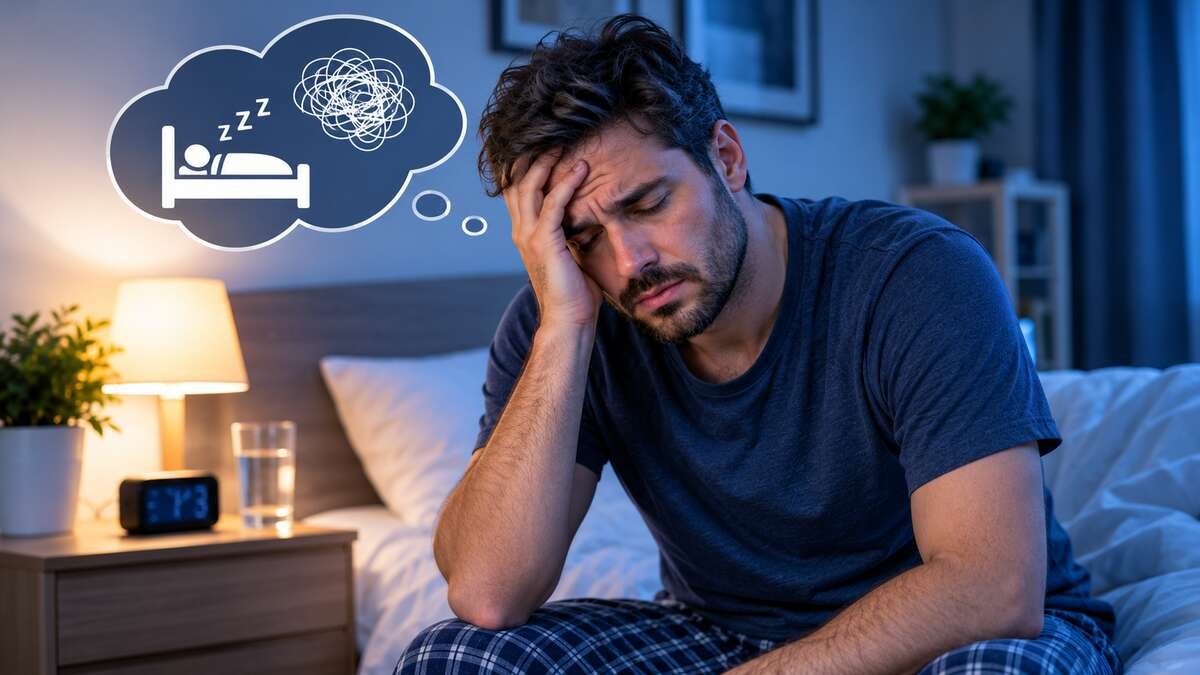

You go to bed on time, yet you wake up exhausted, struggle to focus at work, or find yourself unusually short-tempered by mid-afternoon. For many men, these are the first signs of poor sleep, and they are easy to dismiss as stress, aging, or just a busy life.
Poor sleep is not only about getting too few hours. Sleep quality matters too. Waking often, snoring loudly, or feeling unrefreshed after a full night in bed can all be signs that something is interrupting your rest. Most of these symptoms occur in both men and women, but some health concerns, such as sleep apnea and effects on sexual health, are especially relevant to men.
This guide covers the common nighttime and daytime symptoms of poor sleep in men, how sleep may relate to hormones, libido, and erectile function, and which conditions may be behind persistent problems. It also explains what you can try at home and when to talk with a healthcare professional. If you want broader background first, see our guide to what causes poor sleep.
What Does Poor Sleep Mean for Men?
Poor sleep means your sleep is too short, too broken, or not restorative enough, even if you spend plenty of time in bed. The Centers for Disease Control and Prevention (CDC) notes that healthy sleep depends on both how long and how well you sleep. Poor sleep can take several forms:
- Not getting enough hours of sleep
- Interrupted or fragmented sleep
- Trouble falling asleep
- Trouble staying asleep
- Waking too early
- Sleeping enough hours but still feeling tired
The CDC says adults aged 18 to 60 need at least 7 hours of sleep per night, although individual needs vary. Men can have poor sleep at any age, but sleep patterns and the health conditions that affect them can change through adulthood.
It also helps to separate occasional bad nights from a persistent pattern. A rough week during a stressful period is common. Problems that last for weeks, or that affect your work, mood, or safety, deserve more attention. Poor sleep is also not the same as insomnia, which is a specific sleep disorder. For more on the early warning signs, see our guide to early signs of poor sleep.
Most symptoms in this article occur in both men and women. We focus on the concerns that are especially relevant for men, without suggesting that any symptom is exclusive to men.
What Are the Common Nighttime Symptoms of Poor Sleep in Men?
Nighttime symptoms are what you or a bed partner may notice while trying to sleep. Having one now and then is common. A pattern that repeats is worth paying attention to.
1. Difficulty Falling Asleep
Lying awake for a long time, feeling mentally alert while physically tired, or being unable to relax at night can all point to poor sleep quality. Racing thoughts are a common reason. Persistent trouble falling asleep may be linked to insomnia, anxiety, or an irregular sleep schedule.
2. Frequent Nighttime Awakenings
Waking several times without an obvious reason, feeling restless, or struggling to fall back asleep can break up the deeper, restorative stages of sleep. Some men also wake to urinate often. This can have several causes, including prostate changes and other medical conditions, and the NHLBI lists urinating at night among the possible signs of sleep apnea. A clinician can help sort out the cause.
3. Loud Snoring and Interrupted Breathing
Snoring happens when air flows past relaxed tissues in the throat and makes them vibrate. Not everyone who snores has a sleep disorder, but the Mayo Clinic advises that snoring together with witnessed breathing pauses or excessive daytime sleepiness is a reason to see a doctor.
The National Heart, Lung, and Blood Institute (NHLBI) lists breathing that starts and stops, frequent loud snoring, and gasping for air as symptoms of sleep apnea. Other signs include restless sleep and waking suddenly short of breath. Snoring alone cannot diagnose sleep apnea. Obstructive sleep apnea is also more common in men than in women.
4. Waking Up Too Early
Waking earlier than you intended and being unable to fall back asleep may be linked to stress, anxiety, depression, insomnia, a changed schedule, or an underlying health condition. If it happens often, mention it to your healthcare professional.
5. Restless Sleep and Excessive Nighttime Movement
Frequent position changes, uncomfortable leg sensations, and waking because of discomfort can be signs of restless legs syndrome. The National Institute of Neurological Disorders and Stroke describes it as an irresistible urge to move the legs, often with uncomfortable sensations, and it tends to start or worsen during rest. Some people also have periodic limb movements during sleep, which can fragment rest. Persistent symptoms warrant a medical evaluation.
What Are the Daytime Symptoms of Poor Sleep in Men?
The effects of poor sleep often show up most clearly during the day. The NHLBI notes that sleep deficiency can interfere with work, school, driving, and social functioning, and that it can cause problems with learning, focusing, and reacting.
1. Persistent Fatigue and Low Energy
You may feel tired soon after waking, lack energy through the day, have less physical stamina, need frequent naps, or find it hard to finish daily tasks. Fatigue can persist even after enough time in bed if sleep is fragmented or a medical condition is involved. Fatigue also has many other causes, so see our overview of what causes fatigue.
2. Difficulty Concentrating and Memory Problems
Poor sleep can affect attention and thinking. Common signs include trouble focusing at work, forgetfulness, slower decision-making, a shorter attention span, and difficulty remembering information.
3. Irritability and Mood Changes
After a poor night, small problems can feel bigger. You may notice a short temper, frustration, greater sensitivity to stress, mood swings, or less emotional control. Sleep and mental health influence each other, so mood changes can both result from and add to poor sleep. Read more about sleep and mental health.
Irritability and low mood can overlap. If low mood, hopelessness, or worry is persistent, talk with a healthcare professional rather than assuming it is only a sleep issue.
4. Reduced Motivation and Productivity
Sleep problems can lower motivation, reduce work efficiency, make routines harder to keep, and reduce interest in physical activity. Increased daytime sleepiness, such as dozing off while sitting or reading, can add to the problem.
5. Morning Headaches and Feeling Unrefreshed
Morning headaches and a dry mouth on waking can occur with sleep-disordered breathing, including sleep apnea, according to the NHLBI. These symptoms have many other possible causes, so they should not be used alone to diagnose a condition. If they happen often, ask your healthcare professional about them.
How Does Poor Sleep Affect Men’s Sexual and Hormonal Health?
Sleep supports normal hormone regulation, and some sleep disorders have been linked to sexual difficulties. These topics can feel awkward to raise, but they are common and treatable concerns, and a clinician can discuss them with you without judgment. The links below are associations, and none of these symptoms is a diagnostic sign of poor sleep.
1. Reduced Sex Drive or Low Libido
Fatigue, stress, and mood changes from poor sleep can reduce interest in sex and make intimacy feel like effort. Low libido is multifactorial, though. Hormones, medications, relationship factors, depression, and chronic illness can all play a role, and poor sleep is only one possible contributor.
2. Poor Sleep and Testosterone Levels
Testosterone is involved in male reproductive health, muscle and bone, and energy. Its levels follow a daily rhythm that is linked to sleep. In a small laboratory study of 10 healthy young men, one week of sleeping about five hours per night lowered daytime testosterone by 10% to 15%, and participants reported lower vigor and mood.
That was a very small study of healthy young men in controlled conditions, so it does not show that poor sleep alone causes testosterone deficiency in everyday life. Fatigue also does not automatically mean low testosterone. If you have persistent symptoms such as low energy, low libido, and poor concentration, a healthcare professional can evaluate possible causes, and sleep problems are worth including in that conversation.
3. Erectile Dysfunction and Sleep Problems
Obstructive sleep apnea has been associated with erectile dysfunction (ED). A 2022 review describes a growing body of evidence for this association and several proposed mechanisms, including sleep fragmentation, low oxygen levels during sleep, and effects on blood vessels and the nervous system. Studies are not fully consistent, and some found no significant link in the general population.
ED has many causes, including cardiovascular disease, diabetes, hormonal factors, medications, and stress or anxiety. Cardiovascular health matters here (see our guide on blood pressure and heart health). Persistent erectile difficulties deserve a medical evaluation, and you may be asked about snoring and sleep as part of it.
Medical Conditions and Sleep Disorders That Can Cause Poor Sleep in Men
If your sleep stays poor despite good habits, an underlying condition may be involved. Only a healthcare professional can tell which one, but knowing the main possibilities helps you describe your symptoms.
1. Obstructive Sleep Apnea
Obstructive sleep apnea (OSA) involves repeated breathing interruptions during sleep, caused by narrowing or blockage of the airway. Typical signs include loud snoring, gasping, daytime fatigue, and trouble concentrating. The NHLBI also notes that sleep apnea is more common in men, and risk rises with age and excess weight.
As discussed above, OSA has also been associated with sexual health concerns. Many people do not know they have it, because it happens during sleep. Diagnosis usually involves a medical history, an exam, and a sleep study.
2. Insomnia
Insomnia means ongoing difficulty falling asleep, staying asleep, or waking too early despite having the chance to sleep, along with daytime effects. Short-term insomnia lasts less than three months, while chronic insomnia disorder involves symptoms at least three times per week for at least three months. Insomnia and OSA are different conditions with different treatments, and some people have both.
3. Restless Legs Syndrome
Restless legs syndrome causes uncomfortable sensations and an urge to move the legs, especially in the evening or while resting. Moving usually brings temporary relief. It can make falling asleep difficult. See the NINDS overview for more.
4. Mental Health Conditions and Chronic Pain
Anxiety and depression commonly affect sleep, and sleep problems can worsen them. Chronic back pain, arthritis, and other painful conditions can also keep you awake. The NHS lists stress, anxiety, depression, and long-term pain among the factors that can cause or worsen sleep trouble. Read more about depression and anxiety on CollectedMed.
What Causes Poor Sleep in Men?
Causes overlap, and most men have more than one. For a fuller list, see our guide to what causes poor sleep and our article on what makes poor sleep worse.
1. Stress and Work Pressure
Work demands, financial worries, and ongoing mental stress can keep the mind active at night. The NHLBI lists stress or worry about work, relationships, or money as a risk factor for insomnia.
2. Caffeine, Alcohol, and Nicotine
Stimulants and alcohol can interfere with normal sleep. In a small study, caffeine taken six hours before bedtime reduced total sleep time. Alcohol may make you drowsy at first but tends to disrupt sleep later in the night, and it can worsen snoring.
3. Irregular Sleep Schedules
Late bedtimes, shift work, shifting wake-up times, and too little time set aside for sleep can all lead to poor sleep.
4. Excessive Screen Time
Late-night phone and computer use can push bedtime later and keep your mind stimulated. Research links evening device use with lower sleep quality, although it mostly shows association rather than proven cause.
5. Weight and Other Health Factors
Excess body weight is an important risk factor for obstructive sleep apnea. Age, medications, chronic conditions, and family history also play a role.
How Can Poor Sleep Affect Men’s Overall Health?
The effects depend on the underlying sleep problem, how long it lasts, and your overall health. The NHLBI notes that people who do not sleep enough or wake often may have a higher risk of coronary heart disease, high blood pressure, obesity, and stroke. These are associations, and sleep is only one factor among many.
- Cardiovascular health: Sleep disorders are associated with high blood pressure, heart disease, and stroke. In one large NHLBI-supported study, sleep apnea was linked to a higher risk of stroke, especially in men.
- Metabolic health: Insufficient sleep is linked to higher blood sugar and a higher risk of diabetes, according to the NHLBI.
- Mental health: Sleep loss can affect mood, stress management, and emotional regulation.
- Thinking and performance: Poor sleep can affect concentration, memory, and decision-making.
- Sexual health: Possible associations with low libido and erectile difficulties, as discussed above.
How Can Men Improve Their Sleep Quality?
These steps help many people, but they will not solve every sleep problem. For a complete walkthrough, see our evidence-based guide on how to improve sleep quality.
1. Maintain a Consistent Sleep Schedule
Go to bed and get up at about the same time every day. The CDC recommends keeping this schedule on weekends too.
2. Reduce Caffeine and Alcohol
Keep caffeine to earlier in the day, and avoid using alcohol as a sleep aid. The NHLBI advises avoiding caffeine, nicotine, and alcohol close to bedtime.
3. Create a Comfortable Sleep Environment
Keep your bedroom dark, quiet, and comfortable, and keep screens and devices out of bed when you can.
4. Stay Physically Active
Regular activity supports general health and often helps sleep. Try finishing vigorous workouts a few hours before bed. See our guide on sleep and exercise.
5. Manage Stress
Relaxation exercises, mindfulness, journaling, or talking with a mental health professional can help. Our guide to reducing stress has more ideas.
6. Seek Treatment for Persistent Sleep Problems
For chronic insomnia, the American Academy of Sleep Medicine says CBT-I by itself is the most efficacious first-line treatment. Suspected sleep apnea needs a proper medical assessment, which may include a sleep study.
Consider seeing a healthcare professional if:
- Sleep problems last several weeks or affect daily life
- You snore loudly and have gasping, choking, or witnessed breathing pauses
- You feel very sleepy during the day or while driving
- You have persistent low libido or erectile difficulties
- Poor sleep comes with ongoing mood changes or pain
If you feel drowsy at the wheel, do not drive, and seek medical advice promptly. For more options, see our overview of poor sleep treatment options.
Frequently Asked Questions About Poor Sleep Symptoms in Men
What are the first signs of poor sleep in men?
Common early signs include daytime fatigue, trouble concentrating, irritability, and waking up unrefreshed. Some men first notice loud snoring or frequent nighttime awakenings. The CDC lists trouble falling asleep, repeated waking, and feeling tired despite enough hours as signs of poor sleep quality.
Can poor sleep affect testosterone levels in men?
It may. In a small study of healthy young men, a week of short sleep lowered daytime testosterone. Low testosterone has many possible causes, though, and fatigue alone does not mean you have it. A healthcare professional can evaluate persistent symptoms.
Does poor sleep cause erectile dysfunction?
Poor sleep has not been shown to cause ED on its own, but sleep disorders, especially obstructive sleep apnea, have been associated with erectile difficulties. ED can also result from cardiovascular, hormonal, psychological, and other medical factors. Persistent symptoms deserve medical evaluation.
Why do men snore loudly when sleeping?
Snoring occurs when air flows past relaxed tissues in the throat and makes them vibrate. Causes can include anatomy, weight, nasal congestion, alcohol, and sleep position. Loud snoring with gasping or breathing pauses may point to sleep apnea and should be checked.
How many hours of sleep do men need?
Most adults need at least 7 hours per night, according to the CDC. Individual needs vary, and sleep quality matters as much as duration.
Conclusion
Poor sleep can affect a man’s energy, concentration, mood, and sexual health, and it may signal conditions such as sleep apnea or insomnia. Notice persistent symptoms, look at possible contributors, and seek professional evaluation when needed. Sleep problems are often treatable, and early assessment can help find the cause.
Sources
- About Sleep, Centers for Disease Control and Prevention
- About Sleep and Your Heart Health, CDC
- Sleep Apnea Symptoms, National Heart, Lung, and Blood Institute
- Sleep Apnea Signs and Symptoms, NHLBI (archived)
- Who Is at Risk for Sleep Apnea?, NHLBI (archived)
- Insomnia Causes and Risk Factors, NHLBI
- Sleep Deprivation and Deficiency, NHLBI
- Why Is Sleep Important?, NHLBI
- Sleep Apnea and Stroke Risk, NHLBI-funded study (via AASM)
- Restless Legs Syndrome, National Institute of Neurological Disorders and Stroke
- Insomnia, NHS
- Sleep Problems, NHS Scotland Right Decisions
- Snoring, Mayo Clinic
- Effect of 1 Week of Sleep Restriction on Testosterone Levels in Young Healthy Men, JAMA
- Erectile Dysfunction and Obstructive Sleep Apnea: A Review, Frontiers in Psychiatry
- Combination Treatment for Chronic Insomnia Guideline, American Academy of Sleep Medicine
- AASM Behavioral and Psychological Treatment Guideline Coverage, Sleep Review
- Caffeine Effects on Sleep Taken 0, 3, or 6 Hours Before Going to Bed, Journal of Clinical Sleep Medicine
- Alcohol and Sleep, PubMed Central review
Medical Disclaimer: This article is for general educational purposes only and is not medical advice. It does not diagnose, treat, or prevent any condition, and it cannot replace a visit with a qualified healthcare professional. Every person’s health is different, so talk with your doctor about your own symptoms, medications, and treatment options before making changes.
2 thoughts on “Poor Sleep Symptoms in Men: Common Signs and Health Effects”
Comments are closed.