
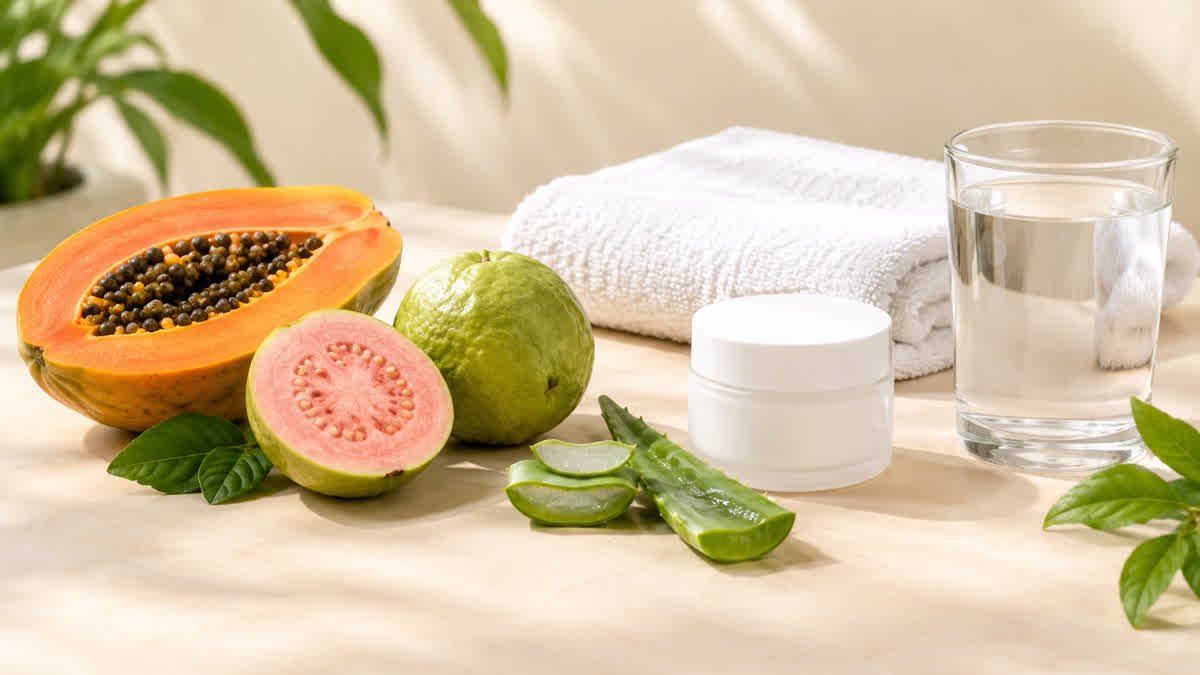

Many people want healthy, radiant-looking skin without a shelf full of expensive products. The good news is that the most dependable path to glowing skin is also the simplest: gentle care, daily sun protection, and healthy habits. “Glowing skin” is not a medical diagnosis, and healthy skin can still have visible pores, texture, and natural variations in tone.
Quick-fix remedies often promise more than they deliver, and some can irritate your skin. Dermatologist-backed basics (gentle cleansing, moisturizer, and sunscreen) beat most viral hacks.
This guide covers 12 practical tips, from cleansing and sleep to oatmeal and aloe vera. It also explains which popular ingredients to skip, shares a simple routine, and notes when to see a professional. This article is general information, not personal medical advice.
What Causes Dull or Tired-Looking Skin?
Skin can look dull for many reasons, and poor skincare is not always the cause. Common contributors include:
- Dryness and a weakened skin barrier, which can make skin look rough and flat.
- Buildup of dead skin cells on the surface.
- Sun exposure, which can contribute to uneven pigmentation and premature aging.
- Lifestyle factors such as too little sleep, smoking, and environmental irritants. The American Academy of Dermatology (AAD) notes that smoking speeds up skin aging.
- Skin conditions such as acne, eczema, or rosacea.
- Hormonal changes, genetics, and aging.
Dullness that lasts, or changes that appear suddenly, deserve a medical look. Our guide to dry skin explains one of the most common causes.
12 Natural Home Remedies for Glowing Skin
None of these tips is a cure or a quick fix. Think of them as habits that support healthy-looking skin over time, with realistic expectations for each.
1. Cleanse Your Face Gently
Use a mild, non-abrasive cleanser that does not contain alcohol. The AAD advises wetting your face with lukewarm water, applying cleanser with your fingertips, and patting dry with a soft towel. Washcloths, mesh sponges, and scrubbing can irritate skin.
Wash once in the morning, once at night, and after heavy sweating. Over-washing and hard scrubbing can leave skin looking worse, not brighter.
2. Moisturize to Support Skin Hydration
Moisturizer traps water in the skin, which can help it look smoother and more even. The AAD recommends applying it to damp skin, and moisturizing even if your skin is oily.
- Choose fragrance-free products if your skin is sensitive.
- Look for “non-comedogenic” labels if you are prone to breakouts.
- Expect more comfortable, supple-looking skin, not a change in your natural tone.
3. Apply Sunscreen Every Day
Sun protection is the most important step for healthy-looking skin over time. Sun exposure can contribute to uneven pigmentation, premature aging, and skin damage. The AAD recommends a broad-spectrum, water-resistant sunscreen with an SPF of 30 or higher, applied to skin not covered by clothing.
Reapply about every two hours outdoors, and after swimming or sweating. Shade and protective clothing help too, since no sunscreen blocks 100% of UV rays. Sunscreen is essential even if you follow a natural skincare routine, and people of all skin tones need it.
4. Drink Enough Water
Staying hydrated supports overall health, so drink regularly based on thirst, activity, and climate. If you have a medical condition that affects fluids, follow your clinician’s advice.
Drinking extra water will not automatically make skin glow. A systematic review found the evidence weak, with a slight increase in skin hydration after added water, particularly in people who drank less to begin with. A moisturizer does more for dry skin than a third liter of water.
5. Eat Fruits and Vegetables Rich in Nutrients
A varied diet supports normal skin function. Oranges, guava, and papaya provide vitamin C, while carrots, tomatoes, and leafy greens provide carotenoids and other nutrients. See our guides to foods high in vitamin C and leafy green vegetables.
Small studies have linked higher fruit and vegetable intake with subtle differences in skin color. No food, however, has been shown to brighten skin reliably or remove pigmentation. Treat these foods as part of a healthy pattern, not a beauty treatment.
6. Include Healthy Fats and Protein in Your Diet
Skin is living tissue, and it relies on adequate protein and essential fats for normal maintenance. Good sources include fish, eggs, beans, lentils, nuts, and seeds. Our guides to healthy fats and high-protein foods offer ideas.
Aim for balanced meals rather than restrictive “beauty diets.” Extreme eating plans can leave you short on nutrients and affect how you feel overall.
7. Get Consistent, Quality Sleep
Sleep supports general health and normal repair processes. Small studies suggest that sleep loss can make facial skin look duller, though the research is early. No amount of sleep will erase wrinkles or acne.
Keep a regular schedule and a calming bedtime routine. Our guide on how to improve sleep can help you build healthy sleep habits.
8. Try a Cool Compress for Temporary Puffiness
A clean, cool, damp cloth held gently against the skin for a few minutes may temporarily soothe skin and reduce the look of puffiness. Do not put ice directly on your skin, especially if it is sensitive. Expect a short-lived effect, and see a clinician if swelling is persistent, painful, or one-sided.
9. Consider a Simple, Gentle Oatmeal Soothing Mask
Colloidal oatmeal, a finely ground oat product, has an established role in soothing dry, itchy skin, and the FDA recognizes it as a skin protectant. Those findings come from products made for skin, not kitchen oats.
If you make a homemade version, keep it simple, and know that evidence for DIY masks is limited. Do not use it on broken skin, and stop if irritation occurs. Oatmeal is not a proven treatment for acne, scars, or pigmentation.
10. Use Aloe Vera Carefully
Aloe vera gel may feel soothing. The National Center for Complementary and Integrative Health (NCCIH) notes that topical aloe may speed burn healing and reduce burn-related pain, and it also lists some potential side effects such as burning, itching, or rash. Evidence that aloe improves overall radiance is limited.
Choose a product made for skin, ideally fragrance-free. Test a small area first, and stop using it if you notice redness, itching, or burning.
11. Manage Stress and Stay Physically Active
Stress can trigger or worsen certain skin conditions in some people. The AAD notes that stress can contribute to flare-ups of acne, eczema, psoriasis, and rosacea, and that healthy ways to manage it can help your skin.
Walking, stretching, breathing exercises, or any sustainable activity can help. Wash sweat off gently afterward. See our guides on how to reduce stress and walking for health.
12. Keep Your Routine Simple and Consistent
Start with cleanser, moisturizer, and sunscreen. The AAD advises limiting the number of skin care products you use, and notes that expensive products are not necessarily better.
Add new products one at a time so you can tell what causes a reaction. Consistent care usually beats a constantly changing lineup of remedies. For more habits, see our guide to healthy habits.
Natural Ingredients to Avoid Applying Directly to Your Face
“Natural” does not always mean safe. These popular social-media remedies can irritate or damage skin.
- Lemon juice: It is acidic and can irritate skin. If it is on your skin and you go into the sun, it can cause phytophotodermatitis, a phototoxic reaction that can cause redness, blisters, and lasting dark patches.
- Baking soda: It is alkaline and can disrupt the skin’s natural barrier, leaving skin dry and irritated.
- Toothpaste: It is made for teeth, not as a facial treatment, and can cause irritation.
- Harsh sugar or salt scrubs: They create friction, and scrubbing irritates the skin.
- Undiluted essential oils: They can trigger irritation or allergic reactions.
Reactions to skin products can be irritant or allergic, a pattern known as contact dermatitis. If you have sensitive skin, skip harsh DIY treatments. For stubborn pigmentation or acne, ask a dermatologist; our guide to what causes acne is a good starting point.
A Simple Morning and Night Routine for Glowing Skin
You do not need many products. This routine follows the AAD’s three basic steps: cleanse, moisturize, and protect.
Morning Routine
- Cleanse gently, or rinse with water if that suits your skin.
- Apply moisturizer.
- Finish with broad-spectrum SPF 30+ sunscreen (a moisturizer with sunscreen is fine if it meets those criteria).
Evening Routine
- Remove makeup, sunscreen, and daily grime with a gentle cleanser.
- Apply moisturizer.
- Use a targeted treatment only if you need it and it suits your skin.
Oily skin needs moisturizer too. If you have acne, eczema, rosacea, or very sensitive skin, you may need a more individualized routine. For dark spots or uneven tone, the AAD has skin care guidance for darker skin tones.
How Long Does It Take to Get Glowing Skin Naturally?
It depends on your skin type, age, environment, and what you are trying to improve. Dryness may look better within days as skin becomes better moisturized. Acne and pigmentation usually take longer and may need specific treatment.
Judge progress by comfort, dryness, and irritation rather than chasing an unrealistic “glass skin” ideal. Healthy skin comes in every tone and texture. Be wary of products that promise overnight transformation or permanent skin whitening. If symptoms persist or get worse, see a healthcare professional.
Frequently Asked Questions
How Can I Make My Skin Glow Naturally at Home?
Focus on gentle cleansing, regular moisturizing, daily sun protection, balanced meals, and enough sleep. Consistency matters more than any single ingredient. The AAD’s basic routine is a good starting point.
Which Home Remedy Is Best for Glowing Skin?
No single remedy works for everyone. A basic skincare routine of cleanser, moisturizer, and sunscreen is a better starting point than a homemade mask. Add one new product at a time.
Can I Get Glowing Skin in Seven Days?
Skin may look more hydrated within days, but longer-term change depends on your concern. Dramatic results in a week are unlikely, and remedies that promise them should raise doubts.
Is Aloe Vera Good for Glowing Skin?
Aloe gel may soothe some skin, but evidence for improving overall radiance is limited. Irritation is possible, so NCCIH suggests being aware of side effects like burning or itching. Test a small area first.
Does Drinking Water Make Skin Glow?
Adequate hydration supports health, but extra water is not a guaranteed way to improve skin. A systematic review found weak evidence, with the biggest effect in people who drank little water to begin with.
What Should I Avoid for Healthy-Looking Skin?
Avoid harsh scrubs, irritating DIY ingredients like lemon juice and baking soda, using too many products at once, tanning, smoking, and skipping sunscreen. The AAD notes that tanning prematurely ages the skin and raises skin cancer risk.
Conclusion: Build Healthy Habits for Naturally Glowing Skin
The most dependable routes to glowing skin are gentle cleansing, regular moisturizing, daily sunscreen, a balanced diet, enough sleep, and skipping irritating DIY remedies. Start with a few manageable habits, and adjust based on how your skin responds.
Skin looks different on everyone, and healthy skin is not one tone or texture. See a healthcare professional or dermatologist for persistent acne, painful or itchy rashes, worsening irritation, or sudden changes in skin color or texture.
For more, explore our guides on skin conditions like acne and overall healthy living.
Sources
- American Academy of Dermatology: Face Washing 101
- American Academy of Dermatology: How to Care for Your Skin Without Breaking the Bank
- American Academy of Dermatology: 10 Skin Care Secrets for Healthier-Looking Skin
- American Academy of Dermatology: Sunscreen FAQs
- American Academy of Dermatology: 5 Common Sunscreen Mistakes
- American Academy of Dermatology: Skin Care Secrets for Darker Skin Tones
- NHS: Contact Dermatitis, Diagnosis
- NCCIH: Aloe Vera
- Does dietary fluid intake affect skin hydration in healthy humans? A systematic review (Skin Res Technol)
- Colloidal oatmeal formulations as adjunct treatments in atopic dermatitis (J Drugs Dermatol)
- Practical Dermatology: Colloidal Oatmeal in the Treatment of Atopic Dermatitis
- CMAJ: Phytophotodermatitis, a phototoxic reaction to lime and lemon juice
- Sleep Deprivation Increases Facial Skin Yellowness (clinical trials)
- Fruit and vegetable intake and skin color in young women (cross-sectional study)
Medical Disclaimer: This article is for general education only and is not medical advice. It cannot diagnose or treat any skin condition, and it may not apply to your skin. Talk with a doctor or board-certified dermatologist about persistent acne, rashes, severe irritation, or sudden changes in skin color or texture. Stop using any product that causes burning, swelling, or pain, and seek urgent care for signs of a serious allergic reaction.