
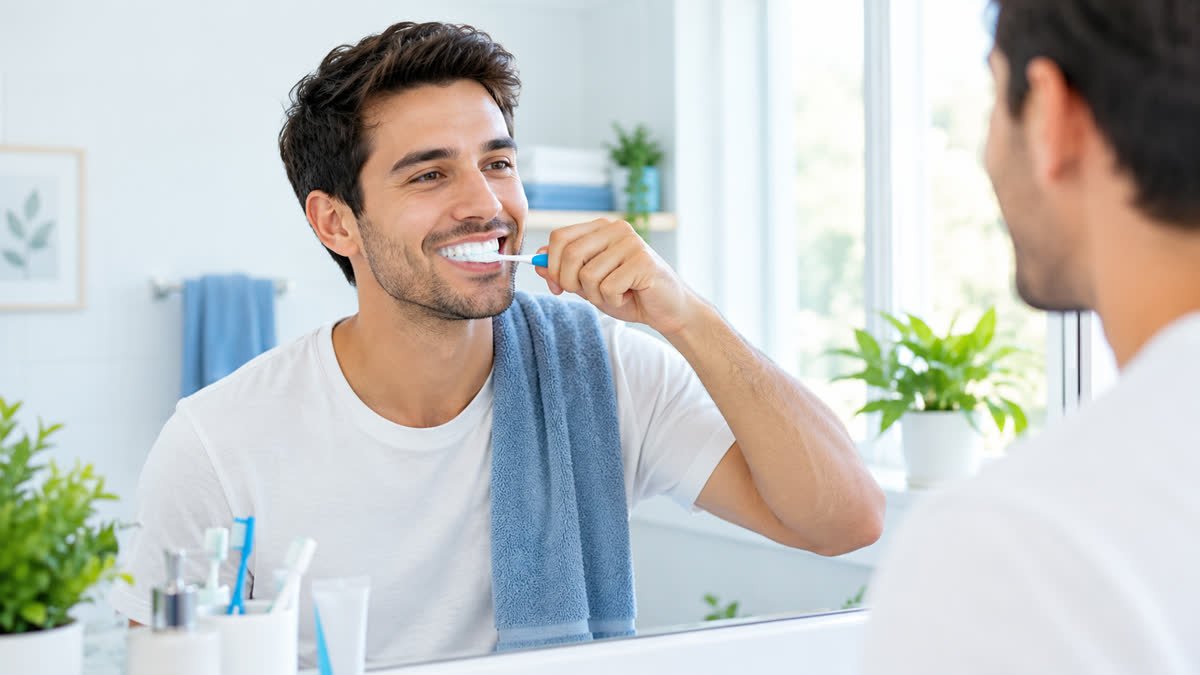

Bad breath, also called halitosis, is an unpleasant odor that comes from the mouth. It is very common, and it can affect confidence at work, in social settings, and in close conversations. The good news is that many everyday cases respond well to simple, affordable habits. Understanding what causes bad breath is the first step toward choosing the right fix.
In most people, odor comes from the mouth itself. Bacteria that break down food debris and other material can release smelly compounds, and the coating on the tongue is a frequent source. Dry mouth, gum disease, and tooth decay can also play a role. Some odors are temporary, such as morning breath or the lingering smell after garlic, onions, or coffee. Brushing alone does not always address every cause.
This guide explains seven practical ways to get rid of bad breath at home, followed by a simple daily routine, a list of home remedies to avoid, and clear signs that it is time to see a dentist or doctor. Home care can help many common cases. Bad breath that is persistent or unexplained deserves a professional evaluation, because it can signal a problem that mints and mouthwash will not solve.
What Causes Bad Breath?
Before trying solutions, it helps to know why breath becomes unpleasant. Common causes of bad breath are usually related to the mouth, though other factors can contribute. According to the Mayo Clinic, bad breath has many possible origins, and the cause often determines which approach works best.
- Bacteria in the mouth: Bacteria break down food particles and other material, producing compounds with an unpleasant smell.
- Tongue coating: Bacteria and debris can build up on the tongue, especially toward the back, where the surface is rougher.
- Food and drinks: Garlic, onions, coffee, and other strongly flavored items can temporarily affect breath.
- Dry mouth: Saliva helps wash away food particles and keeps the mouth in balance. When saliva decreases, odor can become more noticeable.
- Gum disease and tooth decay: Oral infections and untreated dental problems may cause persistent bad breath.
- Smoking and tobacco: Tobacco products can leave their own odor and may contribute to dry mouth and gum problems.
- Other health conditions: Tonsil problems, sinus or nasal conditions, and some medical conditions can sometimes play a part.
The most effective way to manage bad breath is to identify and address the underlying cause rather than relying only on mints or mouthwash. If you want to understand your personal situation better, read about the risk factors that may increase your chances of bad breath.
Seven Ways to Get Rid of Bad Breath at Home
The methods below are general, evidence-informed habits. They are not a substitute for individualized advice from a dentist or doctor, and not every method will matter equally for every person.
1. Brush Your Teeth Twice a Day
Regular brushing removes plaque, food debris, and bacteria that can contribute to bad breath. The American Dental Association (ADA) recommends brushing twice a day for two minutes with fluoride toothpaste. A soft-bristled toothbrush is generally the gentlest choice for teeth and gums.
Angle the bristles toward the gumline and use short, gentle strokes. Make sure you reach the outer, inner, and chewing surfaces of every tooth. Brushing too hard does not clean better, and it can irritate gums and wear down tooth surfaces over time.
Replace your toothbrush about every three to four months, or sooner if the bristles look frayed. A worn brush cleans less effectively. If you have had an illness, it is also reasonable to switch to a fresh brush.
Brushing helps control odor, but it cannot treat every possible cause. Gum disease, for example, needs professional care, and tongue coating needs separate attention. For a broader look at other common causes of bad breath, see our guide on what causes bad breath.
Practical tip: Brush before bed. Food debris and plaque left on teeth overnight can contribute to oral problems and stronger morning breath.
2. Clean Your Tongue Every Day

The surface of the tongue can trap bacteria, dead cells, and food debris. This coating is one of the most common sources of mouth odor, which is why many dental professionals recommend cleaning the tongue as part of a daily routine. The Mayo Clinic also lists tongue cleaning among the self-care steps for bad breath.
Use a tongue scraper or a soft toothbrush once a day. Start as far back as you can comfortably reach, then move forward in gentle strokes. Rinse the scraper or brush after each stroke so you are not spreading debris around.
Be gentle. Scraping too hard can cause soreness or irritate the tongue, and it does not make the cleaning more effective. If you gag easily, begin closer to the middle of the tongue and work your way back over time.
Tongue cleaning complements brushing and flossing rather than replacing them. If you are trying to recognize problems early, learn about the early signs of bad breath, such as a persistent coating on the tongue or a bad taste.
Practical tip: Add tongue cleaning to your normal morning oral-care routine so it becomes automatic.
3. Floss or Clean Between Your Teeth Daily
Food particles and plaque collect between teeth, where a toothbrush cannot reach well. Over time, trapped debris can break down and add to odor, and plaque in these spaces can lead to gum inflammation. The ADA advises cleaning between your teeth once a day with floss or another interdental cleaner.
Use gentle, controlled movements. Slide the floss between teeth, curve it around each tooth in a C shape, and move it up and down. Forcing floss into the gums can cause injury.
If you have larger gaps between teeth, braces, bridges, or implants, ask your dentist about interdental brushes, water flossers, or floss threaders. The right tool depends on the spacing and shape of your teeth.
Bleeding, painful, or persistently swollen gums should be assessed by a dental professional. Mild bleeding can happen when you first start flossing, but ongoing bleeding may be a sign of gum disease. For more strategies, see our overview of ways to manage bad breath.
Practical tip: Choose a time you can keep up consistently, such as right before bedtime.
4. Drink Water Regularly to Prevent Dry Mouth

Saliva clears food particles, neutralizes acids, and supports a healthy balance of bacteria in the mouth. When the mouth becomes dry, odor may become more noticeable. The National Institute of Dental and Craniofacial Research notes that dry mouth can have many causes, including medications and certain health conditions.
Sip water throughout the day, and drink it with meals. Having a few sips after eating strongly flavored foods can also help. Water is a simple, low-cost way to support saliva and rinse away loose debris.
It helps to consider whether other factors may be drying your mouth. Caffeine, alcohol, tobacco, and certain medications can all contribute. Sugar-free gum may stimulate saliva flow when appropriate, as discussed in the next section.
Keep in mind that drinking excessive amounts of water will not cure bad breath. Hydration helps with dry mouth and loose food debris, but it does not treat gum disease or tooth decay. If dry mouth persists, talk with a healthcare professional about possible causes and medication effects. Do not stop a prescribed medicine on your own.
Building this kind of routine fits into broader healthy habits that support overall health.
Practical tip: Keep a water bottle nearby, especially during hot weather or activities that increase fluid needs.
5. Use Sugar-Free Gum or Mints for Temporary Relief
Chewing sugar-free gum can stimulate saliva, which may help reduce odor linked to dry mouth. The ADA offers a Seal of Acceptance for some sugar-free gums, which can help you choose products that have been evaluated. Sugar-free mints may also freshen breath for a short time.
Look for gum that is sugar-free, and consider one that contains xylitol if it suits you. Chew after meals when brushing is not immediately possible. If you have jaw problems, such as temporomandibular joint pain, check with your dentist before chewing gum often.
Gum and mints are temporary aids. They do not replace brushing, cleaning between teeth, or dental treatment. Products that only add flavor can mask odor without treating gum disease, tooth decay, or other conditions.
Avoid sugary candies and mints, because sugar feeds mouth bacteria and can contribute to tooth decay. For a more complete approach, read our complete guide to getting rid of bad breath.
Practical tip: Use sugar-free gum as a convenient short-term option, not as your main bad breath treatment.
6. Adjust Your Diet and Rinse Your Mouth After Meals

What you eat can affect your breath, usually for a short time. Garlic, onions, and other strongly flavored foods are common triggers, and coffee and alcohol can also leave a lingering smell. Paying attention to your personal triggers can help you plan around important meetings or events.
Rinsing with plain water after meals helps clear loose food particles. It is a simple step you can take almost anywhere. It does not replace brushing, but it can help between cleanings.
A varied eating pattern supports both general and oral health. Include vegetables, fruits, whole grains, and protein sources, and limit sugary snacks and drinks. Our guide on what a balanced diet looks like and our list of healthy foods to eat every day can help you build meals that work for you.
Crunchy fruits and vegetables may stimulate saliva as you chew, but they do not replace toothbrushing. Be cautious with extreme diets as well. Prolonged fasting or very low-carbohydrate eating can change breath odor temporarily. If you are curious about this connection, our article on intermittent fasting explains how fasting patterns work.
No single food or “detox” drink has been shown to reliably cure persistent bad breath. If odor continues, look for an underlying cause rather than changing your diet again and again.
Practical tip: Keep water available after meals and maintain a varied, balanced eating pattern.
7. Avoid Tobacco and Maintain a Consistent Oral-Care Routine
Tobacco can contribute to unpleasant breath, dry mouth, gum disease, and other oral health problems. Avoiding smoking and other tobacco products is one of the most effective steps for both breath and overall health. If quitting feels hard, free support is available through Smokefree.gov, and your healthcare provider can discuss cessation options with you.
Alcohol can also dry the mouth and leave its own odor. Limiting alcohol may help if you notice it affects your breath.
If you wear dentures or another removable appliance, clean it as directed by your dentist. Remove dentures at night when advised and clean them properly. Appliances that are not cleaned well can hold bacteria and debris.
Keep up with routine dental checkups and professional cleanings as recommended. A dentist can find problems that are hard to see at home, such as early gum disease or decay under a filling. Consistency matters more than quick fixes, so replace breath-masking habits with a daily routine of brushing, interdental cleaning, tongue cleaning, and hydration.
These choices are part of a larger picture. For more ideas, explore healthy lifestyle habits and our healthy living tips.
Practical tip: Create a simple morning and evening checklist that is easy to maintain.
A Simple Daily Routine for Fresher Breath
You do not need expensive products to improve your breath. A short, steady routine is usually more helpful than trying many different items. Here is an example you can adapt.
Morning
- Brush for two minutes with fluoride toothpaste.
- Gently clean your tongue.
- Drink water if you are thirsty or your mouth feels dry.
During the day
- Drink water regularly.
- Rinse with plain water after meals when useful.
- Use sugar-free gum for temporary relief if appropriate.
- Avoid tobacco, and notice any food-related triggers.
Evening
- Brush before bed.
- Clean between your teeth.
- Clean dentures or oral appliances according to instructions.
Consistency is more useful than frequently switching products or trying unproven home remedies. If you would like help turning this into a lasting practice, our article on healthy daily habits offers ideas for building routines that last.
Home Remedies to Avoid
Some popular remedies can do more harm than good. A natural product is not automatically safe or effective, so it is wise to be cautious.
- Lemon juice and vinegar rinses: Their acidity may erode tooth enamel.
- Undiluted essential oils: These may irritate oral tissues and can be harmful if swallowed.
- Abrasive charcoal or powders: Depending on the product and how it is used, these may wear down enamel or irritate gums.
- Excessive mouthwash use: Some products can worsen dryness or irritate the mouth. Follow the label, and seek advice if symptoms continue.
- Aggressive tongue scraping: Forceful cleaning can cause soreness or injury.
- Unproven detox drinks: There is no reliable evidence that they remove the underlying causes of persistent bad breath.
If a remedy causes burning, soreness, or irritation, stop using it and ask your dentist about safer options.
When Should You See a Dentist or Doctor?
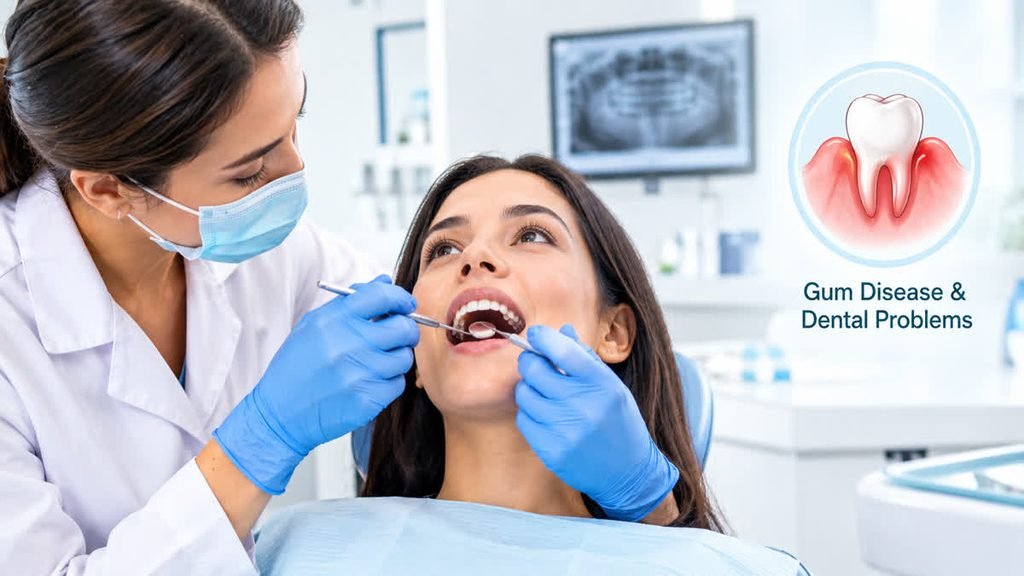
Home care may help ordinary oral odor, but persistent bad breath can point to a problem that needs treatment. A dentist is usually the best starting point when the main concern is bad breath that does not go away. The ADA also recommends seeing a dentist if bad breath continues despite good oral hygiene.
See a dentist if:
- Bad breath continues despite consistent oral hygiene.
- You have bleeding, swollen, or painful gums.
- You have tooth pain, visible decay, or a loose tooth.
- You notice a persistent bad taste, mouth sores, or a poorly fitting oral appliance.
- Dry mouth continues or makes eating and speaking uncomfortable.
Consider a medical assessment if:
- Bad breath occurs alongside persistent nasal, sinus, throat, or digestive symptoms.
- You suspect a medication is contributing to dry mouth. Do not stop prescribed medication without professional advice.
- You have other unexplained or ongoing symptoms.
Urgent warning: Fruity-smelling breath along with vomiting, abdominal pain, deep or rapid breathing, or confusion can signal diabetic ketoacidosis, which is a medical emergency. Seek emergency care right away rather than trying home remedies.
If you are unsure whether your symptoms are part of a larger issue, our overview of common health issues may help. If digestive symptoms accompany your bad breath, you can also read about common digestive problems.
Frequently Asked Questions
What is the fastest way to get rid of bad breath at home?
Brushing, cleaning your tongue, cleaning between your teeth, and drinking water can reduce common oral causes quickly. Sugar-free gum may offer short-term relief. The fastest useful approach depends on the cause, so persistent odor should be checked by a dentist.
Can drinking water help with bad breath?
Yes, water can ease dry mouth and wash away loose food particles. However, hydration alone will not treat tooth decay, gum disease, or other causes. The NIDCR offers more information on dry mouth.
Does cleaning your tongue really help bad breath?
Tongue cleaning can reduce odor-producing material on the tongue’s surface. It works best alongside brushing and daily cleaning between teeth. Clean gently to avoid irritating the tongue.
Can bad breath come from the stomach?
Most persistent bad breath starts in the mouth. Some gastrointestinal conditions may contribute in certain cases, but stomach problems should not automatically be assumed as the cause. See the Mayo Clinic for an overview of possible causes.
Why does my breath smell bad even after brushing?
Possible reasons include tongue coating, food trapped between teeth, dry mouth, gum disease, tooth decay, or another condition. Persistent odor after good oral hygiene warrants a dental assessment.
Do mints or mouthwash cure bad breath?
No. They may temporarily mask odor or provide short-term relief, depending on the product, but they do not necessarily treat the underlying cause. Look for products with the ADA Seal of Acceptance when choosing.
How long does it take to improve bad breath?
Some temporary odors improve after eating, drinking water, or cleaning the mouth. Odor linked to gum disease, tooth decay, or other conditions may persist until the cause is treated.
Conclusion
Bad breath is common, and in many cases it can be managed with simple daily habits. Brush twice daily with fluoride toothpaste, clean your tongue gently, clean between your teeth every day, and drink water regularly. Use sugar-free gum or mints for temporary relief only, choose a balanced diet and rinse with water after meals, and avoid tobacco while keeping a consistent oral-care routine.
Persistent bad breath is not simply a cosmetic issue. If it continues despite good oral hygiene, a dental professional can help identify the cause and recommend appropriate treatment.
Start with a consistent daily oral-care routine, and speak with your dentist if bad breath does not improve.
Sources
- Mayo Clinic: Bad breath, symptoms and causes
- Mayo Clinic: Bad breath, diagnosis and treatment
- American Dental Association (MouthHealthy): Bad Breath
- American Dental Association (MouthHealthy): Brushing Your Teeth
- American Dental Association (MouthHealthy): Flossing
- American Dental Association: Seal of Acceptance
- National Institute of Dental and Craniofacial Research: Dry Mouth
- Smokefree.gov: Quit smoking resources
- Mayo Clinic: Diabetic ketoacidosis
Medical Disclaimer: This article is for general educational purposes only and is not a substitute for professional medical or dental advice, diagnosis, or treatment. Always talk with your dentist or doctor about your own health needs, especially if you have persistent symptoms. Never ignore professional advice or delay seeking care because of something you read here. If you think you may be having a medical emergency, call 911 or your local emergency number right away.