
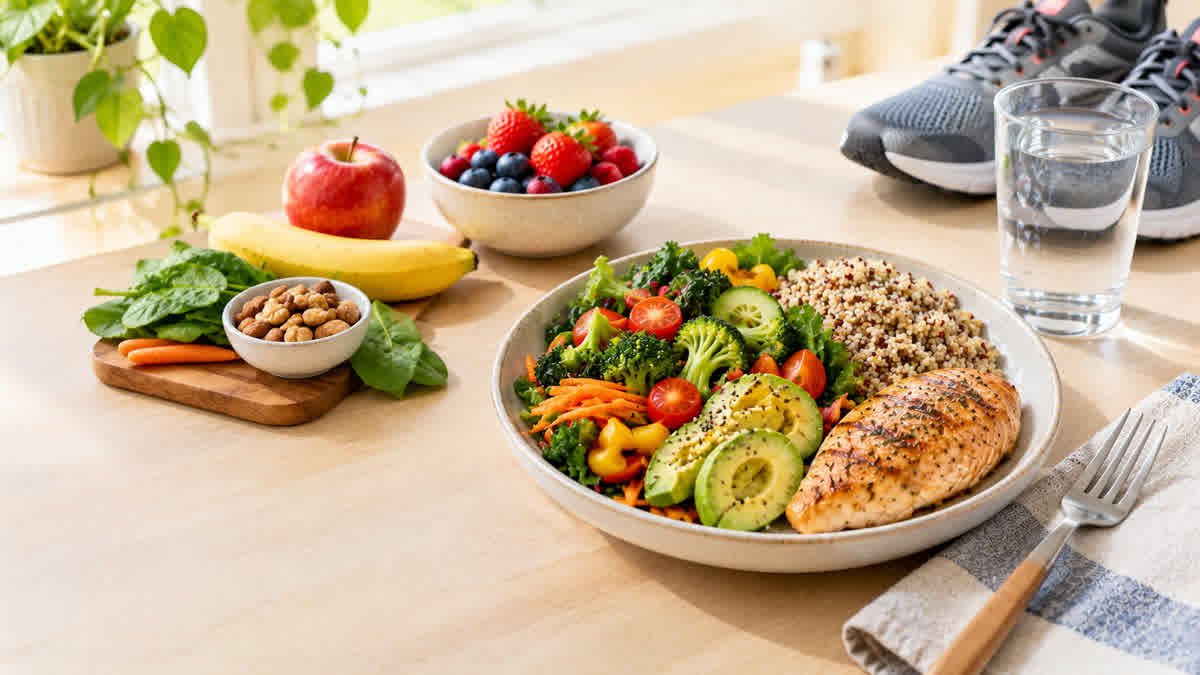

Wanting to see results quickly is completely understandable. Maybe you have an event coming up, a doctor’s recommendation to follow, or you simply feel ready for a change. That is why so many people search for ways of losing weight fast without relying on expensive products or extreme diets.
Here is the honest part: no food, drink, or home remedy reliably melts body fat overnight. What works for most people is a set of ordinary, steady habits: balanced meals, daily movement, enough sleep, and consistency. These may feel less exciting than a miracle drink, but they are the habits most likely to last.
This guide explains what you can realistically expect, then walks through 10 natural, evidence-informed habits you can start at home. You will also find a look at popular weight-loss drinks, a flexible one-day routine, mistakes to avoid, and advice on when to talk with a healthcare professional. For a broader foundation, our guide to healthy weight management habits is a helpful companion.
Can You Lose Weight Fast Naturally?
Weight loss generally happens when your body uses more energy than it takes in over time. This is often called an energy deficit. You can create one through food choices, physical activity, or a combination of both.
Early changes on the scale do not always reflect body fat. In the first days of a new eating plan, the number often drops because of changes in water, stored carbohydrate (glycogen), and the contents of the digestive tract. That early drop can feel motivating, but it does not mean the same pace will continue.
How quickly someone loses weight varies with starting weight, age, health conditions, medications, sleep, and daily routines. The CDC notes that people who lose weight at a gradual, steady pace of about 1 to 2 pounds (0.5 to 1 kg) a week are more likely to keep it off than people who lose weight more quickly. The same page cautions that unrealistic goals, such as losing 20 pounds in 2 weeks, can leave people feeling defeated.
Even modest weight loss can matter. According to the CDC, a smaller reduction in body weight may improve blood pressure, cholesterol, and blood sugar levels in people who are not at a healthy weight. Your own pace and goals may differ, so a healthcare professional can help you set targets that fit your situation.
10 Natural Home Remedies for Losing Weight Fast
In this article, “natural remedies” means everyday habits, not detoxes, miracle drinks, or supplements. Each habit below is a way to support weight management, not a guaranteed result.
1. Build Meals Around Fiber-Rich Foods
Fiber-rich foods include vegetables, beans, lentils, oats, whole grains, and whole fruit. MedlinePlus explains that fiber adds bulk to meals and helps you feel full sooner and for longer, which can support weight-loss efforts. Fiber is not a magic fix, but it can make meals more satisfying.
A simple example: instead of eating a very small lunch and feeling hungry an hour later, add lentils or a generous serving of vegetables to your plate. MedlinePlus also advises adding fiber slowly, since increasing it too quickly can cause gas, bloating, and cramps.
For ideas, see our list of high-fiber foods for digestive health and our overview of healthy eating patterns.
2. Include Protein in Your Meals
Protein sources include eggs, fish, chicken, plain yogurt, beans, lentils, tofu, and nuts. Michigan State University Extension notes that both animal and plant-based foods count as protein, so you can choose what fits your culture, budget, and health needs. Protein may also help you feel satisfied after meals.
Protein can help protect muscle during weight loss. A systematic review of randomized trials in adults over 50 found that people on higher-protein diets retained more lean mass and lost more fat mass while losing weight. Findings are not consistent across all studies, and the best amount is still unresolved.
Protein alone does not cause rapid fat loss. Needs vary, especially for people with kidney conditions, so ask your healthcare professional if you are unsure. Our guide to high-protein foods offers practical options.
3. Replace Sugary Drinks With Water or Unsweetened Drinks
Soda, sweetened tea, fruit drinks, sports drinks, and sugary coffee drinks can add many calories without making you feel full. The CDC reports that sugary drinks are the leading source of added sugars in the American diet and suggests choosing water instead. The CDC also states that consuming too many sugary drinks is associated with weight gain and obesity, and that replacing them with unsweetened water can help reduce added sugars.
Plain tea and black coffee can also fit into a healthy routine if you tolerate them well. Lemon water, cucumber water, and other infused waters are pleasant, but they do not directly burn fat. Their benefit comes from replacing higher-calorie drinks.
A practical start is swapping one sugary drink a day for water or sparkling water.
4. Use Simple Portion and Plate Strategies
A flexible plate guide can make portions easier without counting every calorie. Try filling about half your plate with fruits and vegetables, then dividing the rest between a protein source and a suitable portion of grains or other starches. Michigan State University Extension describes this approach as not a diet and not one-size-fits-all.
Eating slowly also helps. Tufts University’s Health & Nutrition Letter reports that eating quickly may delay feelings of fullness, and that participants in several studies felt fuller after eating a meal slowly. Pausing between bites gives you time to notice hunger and fullness cues.
Treat all of this as a guide, not a rigid rule, and never as a reason to skip meals.
5. Choose Whole Foods More Often
Meals built around minimally processed foods tend to be more filling and nutrient-rich. In a small NIH study of 20 adults, people ate more calories and gained weight on an ultra-processed diet, compared with a minimally processed diet, over two weeks. The researchers noted that less-processed foods can take more time and money to prepare, so convenience foods can still have a place in a balanced diet. No food needs to be labeled “good” or “bad.”
Small swaps are easier to maintain than big overhauls. Choose oats instead of a sugary breakfast cereal, since whole grains generally have more fiber than refined grains. Or choose fruit with plain yogurt instead of a high-sugar snack you eat often.
6. Walk Every Day
Walking is free, gentle, and easy to start at home. Begin with a manageable 10 to 15 minutes and add time gradually. Walking contributes to energy use and supports heart health.
The CDC says adults need at least 150 minutes of moderate-intensity activity a week, and that you do not have to do it all at once. You can break it into shorter sessions, such as 30 minutes a day on 5 days. The CDC also lists regular physical activity among the lifestyle factors that support a healthy weight. Work toward these amounts according to your ability, and remember that some activity is better than none.
To build a routine, read our guides on walking for weight loss and how many steps a day you should walk. You can also explore the best exercises for weight loss.
7. Add Beginner-Friendly Strength Exercises
Strength exercises can help preserve muscle while you lose weight. Simple options include chair squats, wall push-ups, resistance-band rows, and other bodyweight movements. The CDC recommends muscle-strengthening activity on at least 2 days a week for adults.
Researchers suggest that pairing adequate protein with resistance training may help preserve muscle mass, strength, and function during energy-restricted diets, particularly in older adults. The evidence is not consistent across all studies.
Start gently and focus on good form. Modify any movement if you have pain, limited mobility, or a medical condition. Our strength training for beginners guide explains how to get started safely.
8. Improve Sleep Quality
Sleep influences appetite, energy, and food choices. The CDC lists enough sleep as part of a lifestyle that supports a healthy weight. A research review in PubMed Central notes that short sleep is linked with higher rates of obesity and weight gain, and that some studies found increased hunger after restricted sleep.
A National Heart, Lung, and Blood Institute-funded study also found that irregular sleep schedules with weekend catch-up sleep were linked to weight gain in a small lab setting. Try keeping a regular sleep and wake time and creating a calming bedtime routine. Sleeping longer does not automatically burn body fat, but poor sleep can make healthy habits harder to keep.
For practical steps, see our guide on how to improve sleep.
9. Manage Stress Without Using Food as the Only Coping Tool
Stress can affect appetite, sleep, and daily routines, although the effects differ from person to person. Eating for comfort is common and nothing to feel ashamed about. The goal is to add more tools to your toolbox, not to take food away.
The CDC lists stress management among the lifestyle factors that support a healthy weight, and suggests looking for support from family, friends, or a healthcare professional. Short walks, breathing exercises, hobbies you enjoy, time with supportive people, and realistic daily goals can all help. Noticing hunger and fullness cues can also help you tell physical hunger from emotional hunger.
If stress or emotional eating feels overwhelming, a counselor or doctor can help. Our guide on how to reduce stress offers more ideas.
10. Track Habits and Plan Meals Ahead
Planning makes healthy choices easier on busy days. Decide on a few meals for the week, keep convenient nutritious foods available, and consider writing down your activity and eating patterns if that feels helpful. The NIDDK says successful programs help you set specific goals for healthy habits and track your progress.
Track more than the scale. Energy levels, strength, sleep, and waist measurements can show progress too. The CDC recommends monitoring nutrition, physical activity, sleep, and stress, and it notes that even modest weight loss can improve blood pressure, cholesterol, and blood sugar. Weight naturally fluctuates from day to day, and perfection is not required.
Natural Weight-Loss Drinks: What Helps and What Is Hype?
Water and other unsweetened drinks can help when they replace sugary beverages, because you cut calories without feeling deprived. This is the most reliable “drink strategy” available.
Green tea and black coffee are optional unsweetened choices if you enjoy them and tolerate caffeine. They are not guaranteed fat burners. You can read more in our articles on green tea health benefits and black coffee and weight loss.
Apple cider vinegar, lemon water, ginger water, and “detox” drinks are often promoted as shortcuts. There is no strong evidence that any of them produces substantial, lasting weight loss on its own. They may be fine as part of a meal plan if you enjoy them, but they should not replace balanced eating.
Be cautious with laxative teas, “detox” products, and very high caffeine intake. These can cause dehydration, cramping, or heart rhythm symptoms, and they cause fluid loss rather than fat loss. The National Center for Complementary and Integrative Health also notes that many weight-loss supplements have not been tested for safety and that “natural” does not necessarily mean “safe.”
Reinforce this point: a drink cannot replace a balanced eating pattern and regular movement.
A Simple One-Day Routine for Healthy Weight Loss
This is a flexible example, not a diet or a calorie prescription. Adjust portions to your energy needs, food preferences, culture, budget, and health requirements.
- Breakfast: Oats with plain yogurt and fruit, or eggs with whole-grain toast.
- Lunch: Vegetables, lentils or another protein, and a suitable serving of rice or whole grains.
- Snack, if hungry: Fruit, plain yogurt, or a small handful of nuts.
- Dinner: Fish, beans, tofu, chicken, or eggs with vegetables and a suitable starch.
- Movement: A short walk and, if appropriate, a brief beginner strength routine.
- Evening: A consistent bedtime and a few minutes to prepare for the next day.
If you take medication for diabetes or blood pressure, or have another medical condition, ask your healthcare professional how changes in meals and activity may affect you.
Weight-Loss Mistakes and Remedies to Avoid
Some shortcuts can do more harm than good. Be cautious about:
- Crash diets and severe calorie restriction. MedlinePlus states that rapid weight loss may not be safe for some people to attempt on their own. Very-low-calorie diets should only be used with appropriate clinical supervision.
- Prolonged fasting without guidance. Extended fasting can lead to fatigue, nutrient gaps, and overeating later.
- Detox teas, laxatives, or diuretics. These mainly cause fluid loss and can lead to dehydration and electrolyte problems.
- Unregulated slimming supplements. The NIH Office of Dietary Supplements says there is little scientific evidence that weight-loss supplements work, and that some products have been found to contain hidden prescription drugs.
- Excessive exercise without recovery or nutrition. Rest days matter. Our guide to rest days explains why.
- Skipping meals. This can backfire if it leads to intense hunger, overeating, or inadequate nutrition.
- Stopping or changing prescribed medicines to lose weight. Always speak with your prescriber first.
Rapid weight loss can increase the risk of muscle loss and nutritional problems. The NIDDK also notes that losing weight very quickly may raise the chance of forming gallstones. For an overview of current trends and claims, see our article on weight loss trends in 2026.
When to Speak With a Healthcare Professional
Talk with a doctor, registered dietitian, or other qualified professional before making major diet or exercise changes if you have diabetes, heart disease, kidney disease, or take medicines that may need adjusting. Weight loss can change how some medicines work, so dose changes should only come from your prescriber.
Seek advice if you are pregnant, breastfeeding, under 18, or have a history of disordered eating. Weight-loss attempts can carry extra risks in these situations.
Unexplained weight changes, or persistent difficulty managing your weight despite consistent effort, also deserve an assessment. Other health factors may be involved.
Natural approaches do not have to replace medical care. The NIDDK explains that treatment for overweight and obesity often starts with lifestyle changes, and that weight-loss medicines or surgery may help some people when lifestyle changes are not enough. If you are considering a structured program, the NIDDK’s guide to choosing a safe and successful weight-loss program lists what to look for and questions to ask.
Frequently Asked Questions
What is the fastest natural way to lose weight safely?
No single remedy works for everyone. A sustainable eating pattern, fewer sugary drinks, regular activity, and adequate sleep are useful starting points. The CDC notes that a gradual pace of about 1 to 2 pounds a week is more likely to be maintained.
Does lemon water help you lose weight?
Lemon water can be a low-calorie alternative to sugary drinks, which may help you reduce calories overall. It does not directly burn fat. Its value comes from what it replaces, not from the lemon itself.
Can I lose weight in seven days?
The scale may drop within a week, but much of a rapid change is often water weight rather than body fat. Meaningful, lasting fat loss generally takes longer. The NIDDK recommends realistic, steady goals in safe weight-loss programs. If you are curious about targeting a specific area, our guide on how to lose belly fat explains why spot reduction does not work as people hope.
Which foods help with weight management?
Vegetables, whole fruit, legumes, whole grains, and protein-rich foods are useful options within balanced meals. Fiber-rich foods can help you feel full, according to MedlinePlus. No single food produces substantial weight loss on its own.
Do I need to exercise every day to lose weight?
Regular movement helps, but it does not have to happen every day. The CDC says weekly activity can be spread out across the week and broken into shorter sessions. Recovery matters too, so adapt your routine to your ability and ask a professional if you have health concerns.
Are natural weight-loss remedies safe for everyone?
No. “Natural” does not automatically mean safe, particularly for supplements, restrictive diets, and people with medical conditions. The NCCIH advises talking with a healthcare provider before using a weight-loss supplement.
Final Thoughts
The most useful habits are the least dramatic ones: balanced meals, fiber and protein, fewer sugary drinks, daily movement, good sleep, and consistency. None of them promises overnight results, but together they can support steady, safer progress. Sustainable change matters more than the fastest possible change.
A practical next step is to choose two manageable habits for the coming week, such as a daily 15-minute walk and swapping one sugary drink for water. Once those feel easy, add another.
Sources
- Centers for Disease Control and Prevention. Steps for Losing Weight
- Centers for Disease Control and Prevention. Rethink Your Drink
- Centers for Disease Control and Prevention. Adult Activity: An Overview
- National Institute of Diabetes and Digestive and Kidney Diseases. Choosing a Safe & Successful Weight-loss Program
- National Institute of Diabetes and Digestive and Kidney Diseases. Treatment for Overweight & Obesity
- National Institute of Diabetes and Digestive and Kidney Diseases. Dieting & Gallstones
- MedlinePlus. Diet for Rapid Weight Loss
- MedlinePlus. High-Fiber Foods
- National Center for Complementary and Integrative Health. Weight Control
- NIH Office of Dietary Supplements. Dietary Supplements for Weight Loss
- National Heart, Lung, and Blood Institute. Study: Weekend “Catch-Up” Sleep Linked to Weight Gain
- National Library of Medicine, PubMed Central. Sleep deficiency and energy balance (research review)
Medical Disclaimer: This article is for general educational purposes only and does not replace professional medical advice, diagnosis, or treatment. Weight-loss needs differ from person to person, especially for people with medical conditions, those who take medicines, who are pregnant or breastfeeding, who are under 18, or who have a history of disordered eating. Always talk with a qualified healthcare professional before making major changes to your diet, exercise routine, or medicines. If you have severe or sudden symptoms, seek medical care right away.
1 thought on “Natural Home Remedies for Losing Weight Fast: 10 Safe and Effective Tips”
Comments are closed.