
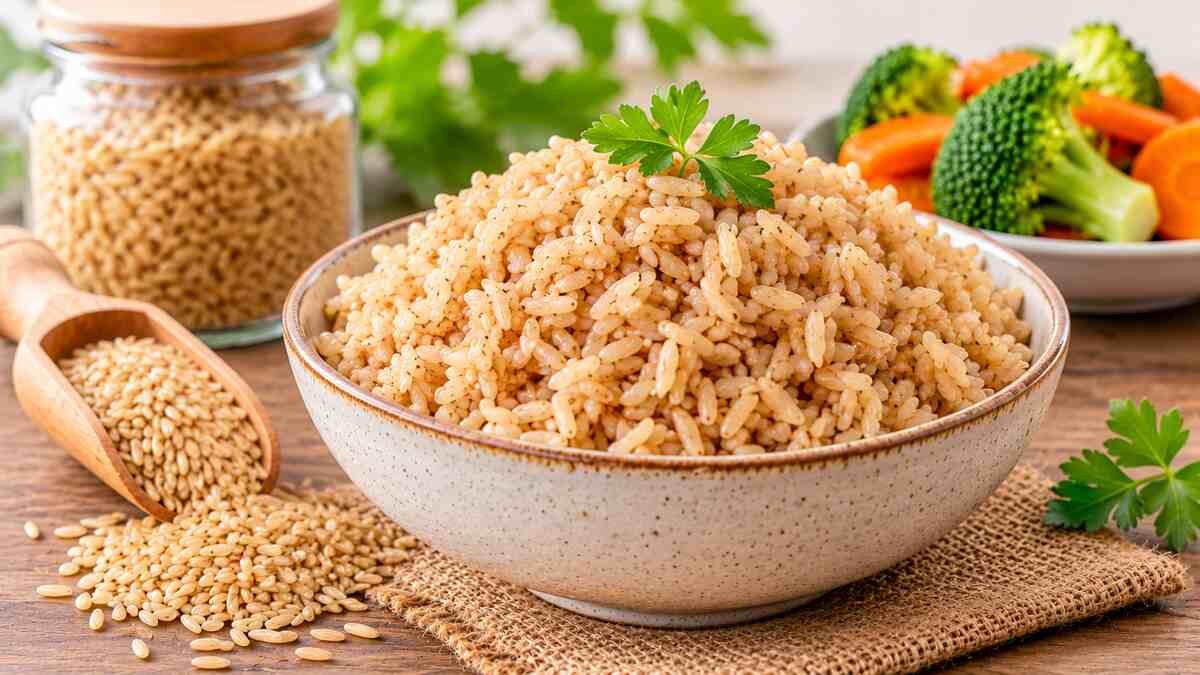

Yes, many adults can include brown rice in their daily diet, but eating it every day is not essential for good health. Brown rice is a whole grain that provides fiber, B vitamins, minerals, and carbohydrates. The amount you eat, the variety in your diet, and your individual health needs all matter.
Compared with refined white rice, brown rice keeps its bran and germ. These outer layers add fiber and naturally occurring nutrients. That is why brown rice often appears in healthy diet guidance, including the World Health Organization’s healthy diet fact sheet, which lists brown rice among whole-grain examples.
Daily consumption also raises fair questions. Rice can contain inorganic arsenic, and brown rice often contains more than white rice. This guide covers nutrition, benefits, arsenic, portion sizes, and who should take extra care, so you can decide what works for you. For a closer look at the grain itself, see our article on brown rice health benefits.
Is It Healthy to Eat Brown Rice Every Day?
For most healthy adults, eating brown rice regularly can fit into a balanced diet. The key word is balance. No single food needs to be eaten daily, and no single grain should do all the work.
Why Brown Rice Can Be a Healthy Daily Food
Brown rice is a whole grain. It keeps the bran, germ, and endosperm, while white rice keeps only the endosperm. The bran and germ supply fiber, B vitamins, magnesium, and other nutrients.
Whole grains are a core part of healthy eating patterns. The WHO lists whole grains such as brown rice alongside fruits, vegetables, legumes, and nuts as part of a healthy diet. Brown rice can also be a filling base for meals built around vegetables and protein.
See our guide to healthy foods to eat every day for more ideas.
Why Eating Brown Rice Every Day May Not Be Ideal for Everyone
Variety is the main reason. Relying on one grain can narrow the range of nutrients you get. Different grains bring different fibers, vitamins, and minerals.
Arsenic is the second reason. Rice absorbs arsenic from soil and water, and brown rice often contains more than white rice. Some people also need lower-fiber foods during certain digestive conditions. Daily rice should always be judged within your whole diet.
The Short Answer
Brown rice can be eaten regularly. It is better to build meals around a mix of grains, vegetables, legumes, and protein sources than to rely only on brown rice.
Brown Rice Nutrition Facts
Brown rice is mostly carbohydrate. It also provides some protein, fiber, and several minerals. Exact numbers vary by variety, serving weight, and cooking method.
What Nutrients Does Brown Rice Provide?
The table below shows approximate values for 1 cup (about 195 g) of cooked long-grain brown rice. Values are based on USDA FoodData Central entries.
| Nutrient | Approximate amount per 1 cup cooked |
|---|---|
| Calories | About 216 kcal |
| Carbohydrates | About 45 g |
| Protein | About 5 g |
| Dietary fiber | About 3.5 g |
| Fat | About 1.8 g |
| Magnesium | About 75 to 85 mg |
| Manganese | About 1.8 to 2 mg |
Values are estimates. Brands, varieties, and cooking methods differ, so check your product label or the USDA database for exact figures.
Why the Bran and Germ Matter
The bran is the fibrous outer layer. The germ is the small nutrient-rich core. Together, they supply most of the fiber and many of the vitamins and minerals in the whole grain.
Refined white rice has these layers removed. It cooks faster and has a softer texture. It also has less fiber and fewer naturally occurring nutrients, although many white rice products in the U.S. are enriched.
Is Brown Rice a High-Carbohydrate Food?
Yes. Brown rice is mainly a source of carbohydrates, and carbohydrates give your body energy. That does not make it unhealthy.
Carbohydrate content alone does not decide whether a food is healthy. Fiber, overall diet quality, portion size, and personal health needs all matter. For more on this topic, see our guide to the Mediterranean diet, which includes whole grains.
6 Potential Benefits of Eating Brown Rice Regularly
Brown rice may offer several benefits as part of a balanced diet. Much of the research looks at whole grains in general, not brown rice alone. The limits of the evidence are noted below.
1. Provides Dietary Fiber for Digestive Health
Brown rice has more fiber than white rice. Fiber adds bulk to stool and supports regular bowel movements. It also feeds beneficial gut bacteria.
If you are new to high-fiber foods, increase your intake gradually. Drinking enough fluids can also help. Brown rice does not cure constipation or digestive disease. For more options, read about high-fiber foods for digestive health and how to improve gut health.
2. May Support Blood Sugar Management
The fiber and intact structure of whole grains may slow digestion. This can lead to a gentler rise in blood sugar than some refined grains. A 2023 review in Frontiers in Nutrition notes that one analysis linked brown rice to a lower type 2 diabetes risk than white rice. The same review stresses that the overall evidence is limited.
Brown rice still contains carbohydrates and can raise blood glucose. People with diabetes should think about portion size and personal glucose response. Our diabetes diet guide and article on blood sugar offer more background.
3. Contributes to a Heart-Healthy Eating Pattern
Brown rice provides magnesium and other nutrients. Whole grains are also part of eating patterns linked to better heart health. These patterns usually include plenty of vegetables, legumes, and healthy fats.
Brown rice alone does not prevent heart disease. It works best as one part of a larger pattern. Explore our list of heart-healthy foods for more ideas.
4. May Support Weight Management
Fiber may help you feel full. Replacing refined grains with whole grains may also improve overall diet quality. That can make it easier to manage portions and snack less.
Brown rice does not cause weight loss by itself. Total calorie intake, activity, sleep, and other habits matter more. Learn more in our guide to weight management.
5. Provides Vitamins and Minerals
Brown rice contains B vitamins such as thiamine and B6. It also provides magnesium, phosphorus, selenium, and manganese. These nutrients support normal body functions, including energy metabolism and nerve and muscle function.
Brown rice is one contributor to your intake. It is not a treatment for any nutrient deficiency. If you suspect a deficiency, speak with a healthcare professional.
6. Offers a Versatile Whole-Grain Option
Brown rice pairs well with vegetables, beans, lentils, fish, eggs, and poultry. It works in bowls, soups, stir-fries, and salads. Cooked batches also store well in the refrigerator for meal prep.
You do not have to eat it daily to enjoy these benefits. Rotating brown rice with other whole grains, such as oats, barley, quinoa, and bulgur, adds variety. Pair it with legumes and leafy greens for a more complete meal.
What Happens If You Eat Brown Rice Every Day?
The effects depend on how much you eat and what else is on your plate. For most healthy adults, moderate daily portions are unlikely to cause problems. Still, there are trade-offs to understand.
Possible Positive Effects
Eating brown rice regularly as part of a balanced diet may:
- Increase your whole-grain intake.
- Add to your daily fiber intake.
- Improve variety if it replaces less nutritious refined-grain choices.
- Provide a convenient, affordable source of energy.
Possible Negative Effects
Daily brown rice may also have downsides:
- Digestive discomfort: Gas, bloating, or cramping can occur if fiber intake rises too quickly.
- Reliance on one grain: This can reduce dietary variety.
- Arsenic exposure: Frequent rice intake may raise long-term exposure to inorganic arsenic.
- Portion mismatch: Large portions may not fit your energy or carbohydrate needs.
Does Daily Brown Rice Consumption Guarantee Better Health?
No. Overall diet, lifestyle, portion sizes, and individual health conditions matter far more than any single food. A varied diet with plenty of vegetables, legumes, fruits, and lean proteins is a stronger foundation than any one grain.
Brown Rice and Arsenic: Is Daily Consumption Safe?
Arsenic is the most common concern about eating rice every day. The science is more nuanced than headlines suggest. Understanding it can help you respond with practical steps rather than fear.
Why Brown Rice May Contain More Arsenic
Rice is grown in flooded fields. This allows the plant to absorb more arsenic from soil and water than most other grains. Arsenic tends to build up in the outer layers of the grain, which are the bran and germ.
White rice has these layers removed. That is why brown rice often contains more arsenic. A 2023 review in Frontiers in Nutrition cited a Consumer Reports analysis of FDA data. It found average inorganic arsenic of about 154 ppb in brown rice and 92 ppb in white rice. A 2025 study of U.S. rice also found higher arsenic in brown rice than in white rice.
It also helps to know the two forms of arsenic. Organic arsenic compounds are generally considered less harmful. Inorganic arsenic is the form of greater concern for health.
Does Eating Brown Rice Every Day Increase Health Risks?
Risk depends on how much you are exposed to and for how long. Finding arsenic in a food does not automatically make that food unsafe. Long-term exposure to inorganic arsenic is a food-safety concern, and the FDA offers guidance on limiting it.
Age, overall diet, and other sources of arsenic also play a role. Drinking water from private wells can be one such source. The 2025 study above found that exposure from many rice products was relatively low for adults. It raised more concern for young children.
Ordinary brown rice intake does not inevitably cause disease. Some research even suggests the benefits of whole grains may outweigh the risks at typical intake. The Frontiers review, however, states that the balance of benefits and risks remains unclear. Because of that, its authors argue that nutrition messaging should not push brown rice over white rice.
One Harvard study offers added context. It found that people who ate white rice and people who ate brown rice had similar urinary inorganic arsenic levels. The study had a small number of brown rice eaters, so more research is needed.
How to Reduce Arsenic Exposure From Rice
Simple habits can lower your exposure without removing rice from your diet:
- Vary your grains. Rotate brown rice with oats, barley, quinoa, bulgur, and other whole grains.
- Cook rice like pasta. Use extra water and drain it afterward. The FDA reports that this can reduce inorganic arsenic by about 40 to 60 percent, depending on the rice. Some nutrients may be lost too.
- Rinse before cooking. Rinsing removes surface starch and debris, but it has a limited effect on arsenic.
- Mix your sources. Buy rice from different brands and regions when practical.
- Test private well water. Well water can add to your total arsenic intake.
Should You Stop Eating Brown Rice?
The evidence does not support a blanket recommendation to stop. A practical approach works better. Eat moderate portions, vary your grains, and follow local food-safety guidance. The Harvard T.H. Chan School of Public Health also discusses rice, whole grains, and arsenic in its Nutrition Source.
How Much Brown Rice Should You Eat Per Day?
There is no medically established daily amount for brown rice specifically. Needs differ widely from person to person.
Understanding Serving Sizes
A common reference serving is ½ cup of cooked brown rice. Many people eat about 1 cup cooked at a meal, which can also be appropriate. That depends on your appetite, activity level, and the rest of the meal.
How Much Brown Rice Is Too Much?
“Too much” depends on your situation. Consider these factors:
- Your total energy needs
- Your physical activity level
- Other carbohydrate sources in your diet
- Medical conditions such as diabetes
- The overall variety of your meals
A Practical Meal-Planning Approach
Think of rice as one part of the plate, not the whole plate. A simple approach is to fill about half your plate with vegetables. Add a protein source and a moderate portion of grain. These are general ideas, not medical advice. For more, see our guides on how many vegetables a day and how to eat more vegetables.
Brown Rice vs. White Rice: Which Is Better for Daily Eating?
Neither type is universally better. Each has strengths that suit different people.
| Feature | Brown rice | White rice |
|---|---|---|
| Grain type | Whole grain | Refined grain |
| Fiber | Generally higher | Generally lower |
| Bran and germ | Retained | Removed |
| Cooking time | Usually longer | Usually shorter |
| Arsenic | Often higher | Often lower |
| Digestive tolerance | May be less suitable during some digestive flare-ups | May be easier for some people to digest |
Should You Replace White Rice With Brown Rice?
Brown rice generally offers more fiber and naturally occurring nutrients. Many people find that a useful reason to choose it. White rice can also fit into a balanced diet, especially when paired with vegetables and protein.
Some people with digestive conditions may prefer lower-fiber options. Others may prefer white rice for taste or texture. Choose based on your own nutritional needs rather than treating one type as better for everyone.
Who Should Be Careful About Eating Brown Rice Every Day?
Most healthy adults can enjoy brown rice in moderation. A few groups should be more thoughtful.
People With Digestive Conditions
High-fiber foods may not suit some digestive flare-ups. If you have a digestive condition, ask your healthcare professional or a registered dietitian how much fiber is right for you. Our overview of common digestive problems may also help.
People Managing Diabetes
Brown rice still contains carbohydrates. Individualized portion planning and blood glucose monitoring can help you see how it affects you. Your care team can tailor advice to your medications and goals. Our guide to the A1C test explains one common way blood sugar control is measured.
Children and Pregnant Individuals
Dietary variety is especially important for children and during pregnancy. Rice-related arsenic exposure should be considered alongside overall nutrition. Follow local food-safety guidance and talk with a pediatrician, obstetric provider, or dietitian if you have questions.
Frequently Asked Questions About Eating Brown Rice Every Day
Can you eat brown rice every day?
Many adults can include brown rice in their daily diet, but eating it every day is not essential. Variety and portion size matter more. Rotating grains is a practical way to get a wider range of nutrients and limit arsenic exposure from one food.
Is brown rice healthy for daily consumption?
Brown rice provides fiber and nutrients that can contribute to a healthy diet. The WHO includes it among whole-grain examples. Eating a mix of grains is a simple way to diversify your nutrition.
How much brown rice should I eat daily?
There is no universal daily amount. A common cooked serving is about ½ cup, but individual needs vary. Your activity level, health conditions, and the rest of your meal all play a role.
Is brown rice better than white rice?
Brown rice generally contains more fiber and naturally occurring nutrients. White rice may be easier to digest for some people and often contains less arsenic. Neither is the right choice for everyone.
Can brown rice cause digestive problems?
Yes, in some people. Its fiber may cause gas or bloating, especially when fiber intake increases suddenly. Adding it gradually and drinking enough water can help.
Does brown rice contain arsenic?
Yes. Rice can absorb arsenic from soil and water, and brown rice often contains more than white rice, according to a 2023 review. Varying your grains and cooking rice in extra water can reduce exposure.
Can people with diabetes eat brown rice daily?
Brown rice can fit into an individualized diabetes meal plan. Portion size and personal blood glucose response are important. Check with your healthcare team or a dietitian for personal guidance.
Final Verdict: Should You Eat Brown Rice Every Day?
Brown rice can be part of a healthy eating pattern. Its fiber and nutrients make it a useful whole-grain choice. Eating it every day is not necessary for good health.
Portion size, food variety, and arsenic exposure deserve attention. Other grains can add variety and help diversify your diet.
Brown rice can be a nutritious part of your everyday meals, but the healthiest approach is not to rely on one grain alone. Enjoy moderate portions alongside vegetables, protein-rich foods, and other grains. A varied diet can help you benefit from whole grains while reducing dependence on a single food source.
Sources
- World Health Organization: Healthy diet
- U.S. Food and Drug Administration: What You Can Do to Limit Exposure to Arsenic
- Harvard T.H. Chan School of Public Health, The Nutrition Source: Rice
- Su LJ, Chiang TC, O’Connor SN. Arsenic in brown rice: do the benefits outweigh the risks? Frontiers in Nutrition. 2023
- Arsenic content and exposure in brown rice compared to white rice in the United States (2025)
- Wu H, Grandjean P, Hu FB, Sun Q. Consumption of White Rice and Brown Rice and Urinary Inorganic Arsenic Concentration. Epidemiology. 2015
- USDA FoodData Central
Medical Disclaimer: This article is for informational purposes only and is not a substitute for professional medical advice, diagnosis, or treatment. Always talk with a qualified healthcare professional about your personal diet and health needs, especially if you have a medical condition, are pregnant, or are making food choices for a child. Never ignore professional advice or delay seeking it because of something you read here.