
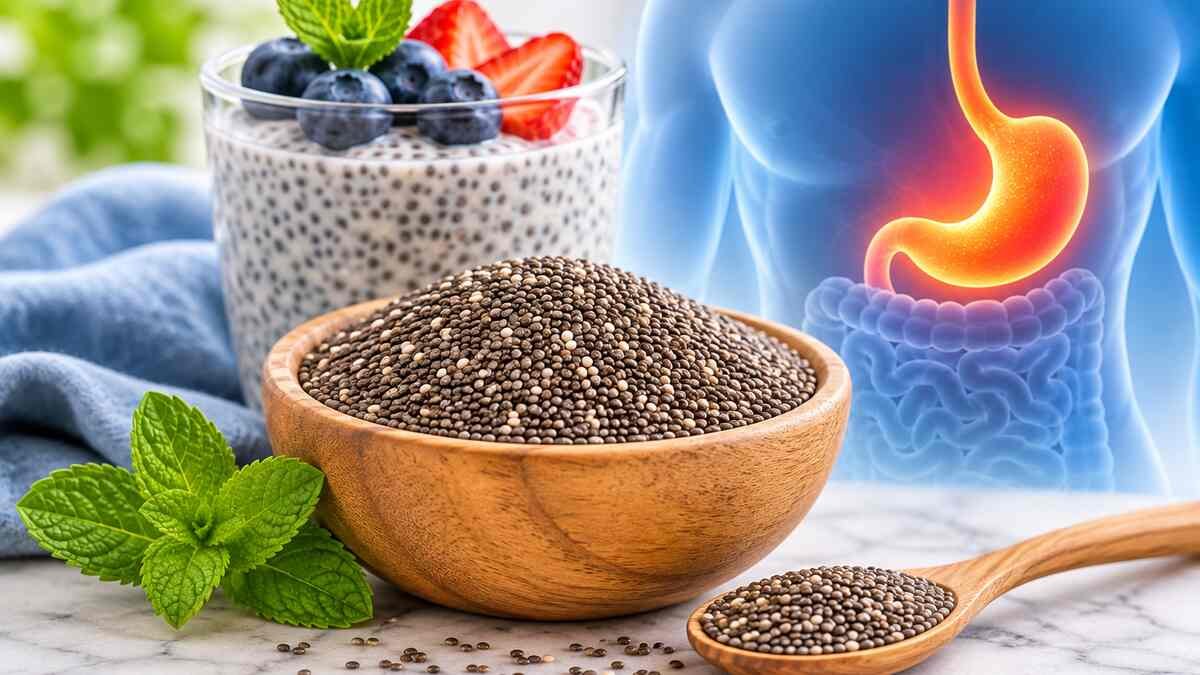

If you deal with heartburn, you probably read food labels a little differently. Many people with acid reflux wonder whether a fiber-rich food like chia seeds will soothe their symptoms or stir them up. The answer depends on the person, the portion, and how the seeds are prepared.
Chia seeds are a nutritious food with soluble fiber, plant-based omega-3 fats, and protein. They also absorb a lot of liquid and form a gel, which gives them a unique texture. Some people with reflux tolerate them well, while others notice bloating or discomfort.
In short, chia seeds can fit into some people’s diets when they have acid reflux, but there is no strong clinical evidence that they relieve heartburn or treat GERD. This guide explains what we know, what we do not, and how to try chia seeds in a way that is gentle on your digestion. For background on triggers, see our guide to what causes acid reflux.
Are Chia Seeds Good for Acid Reflux?
Short answer: Chia seeds can be included in some people’s diets when they have acid reflux, but there is no strong clinical evidence that they directly relieve heartburn or treat GERD. Their fiber may support general digestive health. Large servings can cause bloating or discomfort in some people.
Acid reflux happens when stomach contents flow back into the esophagus. When it happens often, it may be gastroesophageal reflux disease (GERD). Food is only one piece of that picture, and there is no single diet that works for everyone.
Can You Eat Chia Seeds If You Have Acid Reflux?
For many people, yes. Chia seeds are not generally considered a universal reflux trigger. They are also a source of fiber and nutrients that fit into a balanced eating pattern.
Individual tolerance matters most. No established medical guidance recommends chia seeds as a reflux treatment, so treat them as a food to test, not a remedy to rely on. Our guide to managing acid reflux at home offers other practical habits.
Do Chia Seeds Help Reduce Heartburn?
Dietary fiber supports normal digestive function. That is not the same as reducing stomach acid or easing heartburn. No strong direct clinical evidence shows that chia seeds do either.
A 2022 systematic review of dietary, nutraceutical, and probiotic interventions for GERD found that evidence to guide dietary management is limited in scope, quality, and feasibility. It also noted that dietary management should be long-term and individualized. Chia seeds were not among the foods studied.
Can Chia Seeds Make Acid Reflux Worse?
They might for some people. A big serving of fiber can cause gas, bloating, or abdominal discomfort, and that discomfort can overlap with or be mistaken for reflux symptoms. Portion size and preparation make a difference.
Nutritional Benefits of Chia Seeds for Digestive Health
Chia seeds are considered nutrient-dense because a small serving provides fiber, healthy fats, and minerals. You can read more in our overview of chia seeds health benefits.
Chia Seeds Nutrition Facts
| Nutrient | Approximate amount (28 g, about 2 tablespoons) |
|---|---|
| Calories | 138 to 140 kcal |
| Total carbohydrates | 12 g |
| Dietary fiber | 10 to 11 g |
| Protein | 4 to 5 g |
| Total fat | 8 to 9 g |
| Omega-3 ALA | About 5 g |
| Calcium | About 18% Daily Value |
Values are approximate and vary by product.
Why Is Fiber Important for Digestion?
Chia seeds contain soluble and insoluble fiber. Soluble fiber absorbs water and forms a gel. Insoluble fiber adds bulk and supports regular bowel movements.
Adequate fiber is important for overall digestive health. Browse more options in our list of high-fiber foods for digestive health.
Other Nutrients Found in Chia Seeds
Chia seeds also provide:
- Plant-based omega-3 fatty acids (ALA)
- Plant protein
- Magnesium
- Calcium
- Antioxidant plant compounds
These nutrients support general nutrition. They are not shown to prevent acid reflux.
How Do Chia Seeds Affect Digestion and Stomach Health?
The digestive properties of chia seeds are mostly about fiber and water absorption. They have not been shown to change how the stomach or esophagus handles acid.
Soluble Fiber and Its Role in Digestion
When chia seeds soak in liquid, soluble fiber forms a gel. That gel contributes to a thicker texture, and fiber in general supports digestive regularity. Better bowel regularity does not necessarily mean less reflux.
Chia seeds have not been shown to strengthen the lower esophageal sphincter or stop stomach contents from flowing backward.
Can Chia Seeds Support Gut Health?
Fiber feeds certain gut microbes and is linked with a healthy digestive system. That is a general digestive benefit, and it is separate from managing GERD symptoms. For wider habits, see our guide to improving gut health.
Do Chia Seeds Help With Constipation and Bloating?
Fiber can help support regular bowel movements, and chia seeds can add to your daily total. Raising fiber too fast can cause bloating and gas instead. Increase your intake gradually and drink enough fluids.
Can Chia Seeds Cause Acid Reflux or Heartburn?
Chia seeds are not an established trigger. Still, several features may matter for some people.
Can Eating Too Many Chia Seeds Cause Digestive Discomfort?
Large amounts of fiber may cause gas, bloating, or abdominal discomfort. These symptoms can make existing digestive complaints feel worse. Start small and keep portions moderate. Our article on eating chia seeds every day covers daily intake in more detail.
Does the Fat Content of Chia Seeds Trigger Acid Reflux?
A 28-gram serving has roughly 8 to 9 grams of fat. High-fat meals are commonly linked with reflux symptoms in some people. That does not establish chia seeds themselves as a trigger.
Because chia seeds are usually eaten in small amounts, they add little fat compared with fried or greasy meals. Pay attention to your own response.
Are Dry Chia Seeds Safe to Eat?
Dry chia seeds can absorb a lot of water and expand. Memorial Sloan Kettering advises never eating dry chia seeds on their own and describes a case report of seeds expanding in a man’s throat that needed emergency removal. Soak them or mix them into moist foods first.
People with swallowing difficulties should take extra care and ask a healthcare professional before using chia seeds.
Best Ways to Eat Chia Seeds If You Have Acid Reflux
These are meal ideas, not proven reflux remedies. Adjust them to avoid your own triggers.
1. Soaked Chia Seeds
Soak chia seeds in water or milk for at least 10 to 15 minutes until they form a gel. This preparation may be easier on your digestion than dry seeds, and it lowers the swallowing risk.
2. Chia Seed Pudding
Combine chia seeds with unsweetened low-fat milk or a plant-based milk you tolerate. Add a small portion of banana and optional non-acidic toppings. Skip any ingredient that personally triggers your symptoms.
3. Chia Seeds With Oatmeal
Stir a small amount of chia seeds into plain oatmeal for extra fiber. Oatmeal is a common breakfast that some people with reflux tolerate well.
4. Chia Seeds in Smoothies
Blend banana, unsweetened milk, and a small amount of soaked chia seeds. Avoid citrus fruits and other known personal triggers.
5. Chia Seeds With Yogurt
Plain, low-fat yogurt may work for people who tolerate dairy. Our article on yogurt for acid reflux explains what to consider.
How Much Chia Seeds Should You Eat With Acid Reflux?
No medically established chia seed dose exists for acid reflux. Go slowly and watch how you feel.
Start With a Small Serving
Try about 1 teaspoon to 1 tablespoon, soaked or mixed into a moist food. If you feel fine, you can increase the amount gradually. Do not eat large quantities hoping for a therapeutic effect.
Can You Eat Chia Seeds Every Day?
Many people can include chia seeds daily as part of a varied diet. Drink enough water, increase fiber slowly, and notice any symptoms afterward. If you have persistent reflux, discuss dietary changes with a healthcare professional.
Other Foods to Eat and Avoid When You Have Acid Reflux
Chia seeds are only one part of your diet. The overall pattern matters more.
Foods That May Be Better Tolerated
Many people report that these foods are easier on their symptoms:
- Oatmeal
- Bananas
- Melons
- Carrots
- Green vegetables
- Lean proteins
- Whole grains, depending on tolerance
Tolerance differs between people. See our guides on broccoli and acid reflux, almonds and acid reflux, and brown rice and acid reflux for more examples.
Common Acid Reflux Trigger Foods
Foods often reported to worsen symptoms include:
- Citrus fruits
- Tomatoes and tomato-based sauces
- Chocolate
- Coffee and caffeine
- Spicy foods
- High-fat and fried foods
- Peppermint
- Alcohol
The National Institute of Diabetes and Digestive and Kidney Diseases (NIDDK) suggests talking with your doctor about foods and drinks that seem to increase your symptoms. For more, read what makes acid reflux worse.
Why Is Individual Food Tracking Important?
Triggers vary from person to person. A simple food and symptom diary can help you find your own, so you do not have to cut out every food on a general list.
Lifestyle Tips to Manage Acid Reflux Naturally
Lifestyle habits can help some people, and they work best alongside medical care when needed. The American College of Gastroenterology GERD guideline includes lifestyle recommendations such as weight loss for people with overweight or obesity and avoiding meals before bedtime.
- Eat smaller meals instead of very large ones.
- Avoid lying down for at least 3 hours after eating. NIDDK says meals at least 3 hours before bed may improve nighttime symptoms.
- Identify and limit your personal triggers.
- Work toward a healthy weight if your doctor recommends it.
- Raise the head of your bed if you have nighttime reflux.
- Avoid smoking and tobacco.
These steps may help manage symptoms, but they do not replace medical treatment. Our natural remedies for acid reflux guide covers more at-home ideas.
Potential Side Effects and Precautions of Chia Seeds
Digestive Discomfort
Chia seeds may cause gas, bloating, abdominal discomfort, or changes in bowel movements, especially if you increase them quickly.
Choking and Swallowing Risks
Do not swallow spoonfuls of dry chia seeds. They expand when wet. Mix them into liquid or moist foods and let them soften first.
Allergic Reactions
Chia seed allergies are uncommon but possible. Stop eating them and seek care if you develop hives, swelling, or trouble breathing.
When Should You Avoid Chia Seeds?
Talk with a healthcare professional before using chia seeds if you have a swallowing disorder, a known chia allergy, or significant digestive symptoms after eating them.
When to Seek Medical Care
Do not assume your symptoms are simple reflux. See a healthcare professional if you have:
- Difficulty or pain when swallowing
- Repeated vomiting
- Unexplained weight loss
- Signs of gastrointestinal bleeding, such as black stools or vomiting blood
- Symptoms that persist or keep coming back
Chest pain should not be automatically blamed on reflux. Seek urgent medical care if chest pain comes with shortness of breath, sweating, pain spreading to the arm or jaw, or fainting. Read more in our guides to when to see a doctor for acid reflux and when chest pain is an emergency.
Frequently Asked Questions About Chia Seeds and Acid Reflux
Are chia seeds good for acid reflux?
They can be included in some reflux-friendly diets, but there is no strong evidence that they directly relieve acid reflux. Tolerance varies, so start with a small, soaked portion. A 2022 review found limited evidence overall for dietary approaches to GERD.
Can chia seeds cause heartburn?
They are not an established universal trigger. Large servings may cause bloating or discomfort in some people, which can feel like reflux. Keep a food diary to see how you respond.
Should I soak chia seeds if I have acid reflux?
Soaking is a practical way to prepare them, because the seeds absorb liquid before you eat them. It is generally preferable to eating them dry. Memorial Sloan Kettering advises against eating dry chia seeds on their own.
Is chia seed pudding good for acid reflux?
Some people tolerate it, particularly when it is made with low-fat, non-triggering ingredients and eaten in moderate portions. Avoid toppings or sweeteners that bother you.
Can chia seeds reduce stomach acid?
No convincing clinical evidence shows that chia seeds reduce stomach acid production. They are a food, not an acid-reducing treatment.
Are chia seeds better than flaxseeds for acid reflux?
Not enough evidence exists to say that either seed is better for acid reflux. Your own tolerance matters more than the type of seed.
Can I eat chia seeds before bed if I have acid reflux?
It is generally better to avoid eating close to bedtime. NIDDK notes that finishing meals at least 3 hours before lying down may improve nighttime symptoms.
Final Verdict: Should You Eat Chia Seeds for Acid Reflux?
Chia seeds are rich in fiber and nutrients, and they may support general digestive health as part of a balanced diet. There is not enough evidence that they directly treat acid reflux or GERD, and large servings may cause bloating or discomfort. Soaking them and starting with a small portion can help you find out whether they suit you.
Your own triggers and overall eating habits matter most. If reflux is frequent, severe, or comes with any warning signs, see a healthcare professional rather than relying on food changes alone. For more background, visit our overview of chia seeds and type 2 diabetes or whether chia seeds lower blood sugar.
Sources
- National Institute of Diabetes and Digestive and Kidney Diseases. Eating, Diet, & Nutrition for GER & GERD.
- Katz PO, Dunbar KB, Schnoll-Sussman FH, et al. ACG Clinical Guideline for the Diagnosis and Management of Gastroesophageal Reflux Disease. American Journal of Gastroenterology. 2022.
- Martin Z, Spry G, Hoult J, et al. What is the efficacy of dietary, nutraceutical, and probiotic interventions for the management of gastroesophageal reflux disease symptoms? A systematic literature review and meta-analysis. Clinical Nutrition ESPEN. 2022.
- Memorial Sloan Kettering Cancer Center. Chia: Purported Benefits, Side Effects & More.
- Harvard T.H. Chan School of Public Health. Chia Seeds: The Nutrition Source.
- U.S. Department of Agriculture. FoodData Central: Seeds, chia seeds, dried.
Medical Disclaimer: This article is for general educational purposes only and is not a substitute for professional medical advice, diagnosis, or treatment. Acid reflux and GERD can have different causes, and symptoms such as chest pain can be serious. Talk with your doctor or a registered dietitian before changing your diet, especially if you have frequent symptoms, trouble swallowing, or take medication.