

Your inbox is overflowing, your thoughts are racing, and your shoulders have crept up toward your ears. Many people notice in moments like this that their breathing has become quick and shallow, often without realizing it. Stress can change how we breathe, and the way we breathe can, in turn, shape how stressed we feel.
Deep breathing is a simple, free practice that may help calm the body and support emotional regulation. By slowing the breath and letting the belly move naturally, many people find it easier to settle into a more relaxed state. It has become a popular wellness habit because it needs no equipment, takes only a few minutes, and can be done almost anywhere. It also fits well alongside natural ways to reduce stress and other everyday healthy habits.
In this guide, you will learn what deep breathing is, what the research does and does not show, and how to try five beginner-friendly techniques. You will also find safety tips, a simple daily routine, and answers to common questions. The goal is practical, evidence-informed guidance that sets realistic expectations.
1. What Is Deep Breathing?
Deep breathing is the practice of taking slow, comfortable breaths that fill the lungs more fully than the quick, shallow breaths many of us take when we are tense. The National Center for Complementary and Integrative Health (NCCIH) lists it among several relaxation techniques that aim to bring on the body’s natural relaxation response.
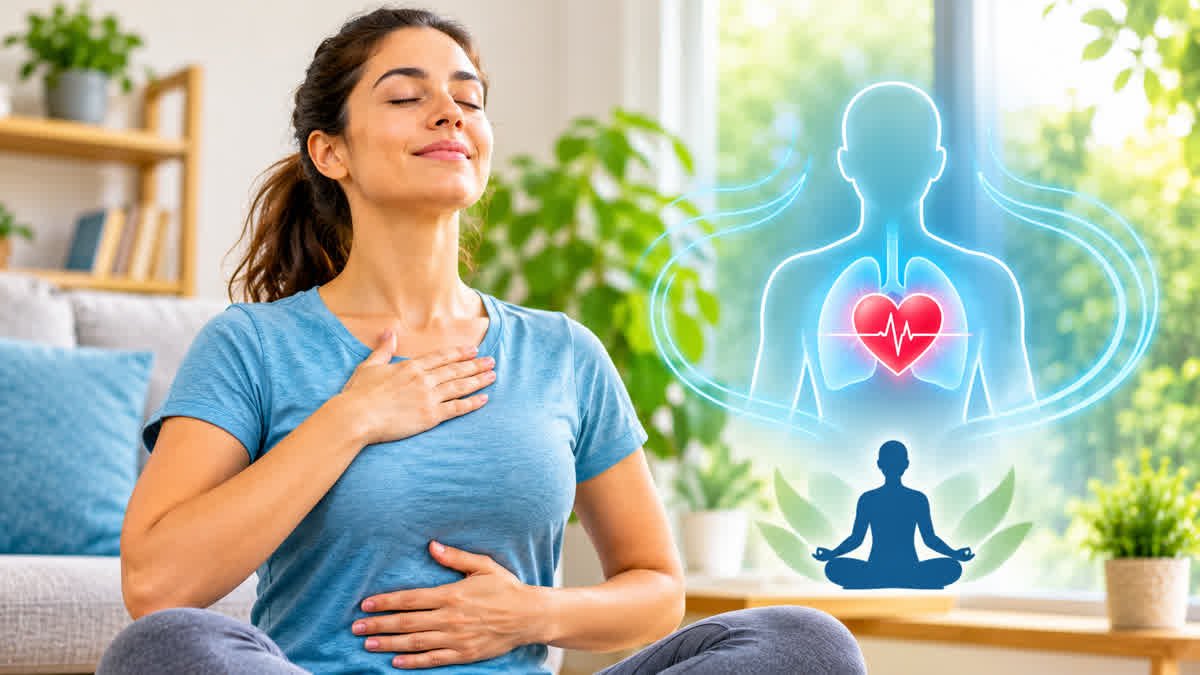
During shallow chest breathing, the upper chest and shoulders do most of the work. In slower diaphragmatic breathing, the diaphragm (a large, dome-shaped muscle at the base of the lungs) does more of the work, and the belly rises gently as you inhale. Cleveland Clinic describes the diaphragm as the most efficient muscle for breathing.
Breathing patterns often change during stress. The heart rate and breathing rate rise, and breathing may become faster and more chest-focused. Practicing controlled breathing gives you a way to notice that shift and respond to it on purpose.
What Is Diaphragmatic Breathing?
Diaphragmatic breathing, also called belly breathing or abdominal breathing, is a style of deep breathing that engages the diaphragm. As the diaphragm moves downward, the lungs expand and the abdomen moves outward. Watching or feeling your belly rise and fall can be a helpful sign that you are breathing in a relaxed way.
Is Deep Breathing the Same as Slow Breathing?
Not exactly. Depth and speed are separate qualities of a breath. Deep breathing often becomes slower and more comfortable, but for relaxation, a gentle, unforced rhythm usually works better than the biggest breath possible.
Why Do People Practice Deep Breathing?
People turn to deep breathing for relaxation, stress management, emotional awareness, and general well-being. It pairs naturally with other habits, such as a morning walk or a short break between tasks.
2. 10 Evidence-Informed Benefits of Deep Breathing
Research on deep breathing is promising but still developing. Many studies are small and use different techniques, so the benefits below are possibilities rather than guarantees.
1. Helps Reduce Stress
NCCIH explains that the relaxation response slows the heart rate, lowers blood pressure, and decreases levels of stress hormones, in contrast to the stress response. NCCIH also notes that a 2019 review found preliminary evidence that diaphragmatic breathing exercises may help reduce stress. For more strategies, see our guide on how to reduce stress.
2. May Help Ease Anxiety
A 2023 meta-analysis of randomized controlled trials found that breathwork was associated with lower self-reported anxiety compared with control conditions. The effect was small to moderate, and most studies carried a moderate risk of bias. Controlled breathing may help some people with anxious feelings, but it is not a cure. You can learn more in our overview of what anxiety is.
3. Supports Emotional Regulation
Pausing to take a few slow breaths can create a small gap between a trigger and your reaction. That moment may make it easier to respond thoughtfully. This benefit rests largely on self-reported experience, so view it as a helpful habit rather than a proven treatment.
4. Promotes Relaxation
Slower, gentler breathing is a core feature of the relaxation response described by NCCIH. Many people notice a calmer mind and less physical tension after a few minutes of practice.
5. May Support Healthy Blood Pressure
A 2019 meta-analysis of 17 studies found that slow breathing lowered systolic blood pressure by about 5.6 mmHg and diastolic pressure by about 3 mmHg in people with hypertension or prehypertension. However, the studies varied widely, and a 2022 review of device-guided slow breathing did not find a significant reduction compared with usual care. Breathing exercises are not a substitute for blood pressure treatment, so talk with your clinician before changing any plan. You can read more about high blood pressure and ways to lower it.
6. May Reduce Muscle Tension
Stress often shows up as tight shoulders, a clenched jaw, or a stiff neck. Slow, relaxed breathing can go hand in hand with letting those muscles soften.
7. Supports Mindfulness
Focusing on the breath gives the mind a steady anchor in the present moment. Gently returning to the sensation of breathing when attention drifts is itself a mindfulness skill.
8. May Improve Stress-Related Sleep Difficulties
When a busy mind makes it hard to wind down, a few minutes of calm breathing before bed may help some people relax. The evidence for sleep specifically is more limited than for stress, so think of breathing as one part of a bedtime routine. Our article on how to improve sleep covers other helpful habits.
9. Encourages Better Awareness of Breathing Patterns
Practicing intentional breathing helps you notice when you are holding your breath or breathing quickly. That awareness can act as an early signal that stress is building.
10. Provides an Accessible Stress-Management Tool
Deep breathing requires no equipment and very little training, and you can practice it almost anywhere. NCCIH notes that relaxation techniques are generally considered safe for healthy people.
3. How Deep Breathing Works: The Science Behind Relaxation
When you face a threat or a stressful demand, the body activates its stress response, often called fight-or-flight. According to NCCIH, heart rate and breathing rate go up, blood vessels narrow, and stress hormones are released. The relaxation response is the body’s counterbalance, marked by slower breathing, a lower heart rate, and lower blood pressure.
Breathing runs automatically but can also be controlled on purpose. A systematic review of breathing practices describes a two-way relationship in which stress affects breathing and breathing patterns can affect stress.
Deep Breathing and the Autonomic Nervous System
The autonomic nervous system controls involuntary functions such as heart rate, blood pressure, and digestion. It has two main branches: the sympathetic branch, which prepares the body for action, and the parasympathetic branch, which supports rest and recovery. A narrative review notes that diaphragmatic breathing may influence several body systems by modulating autonomic function.
Does Deep Breathing Activate the Parasympathetic Nervous System?
Slow, controlled breathing may increase parasympathetic activity, which can support relaxation. A meta-analysis of slow-paced breathing found immediate reductions in systolic blood pressure and increases in heart rate variability. Still, the nervous system is not a simple on/off switch, and both branches work together continuously.
Deep Breathing and the Stress Hormone Cortisol
Some research suggests breathing practices may influence stress markers such as cortisol. NCCIH states that slow, deep breathing may modestly lower blood pressure and cortisol, and a 2019 JBI systematic review found improved salivary cortisol in one of three studies. Because the studies were few and small, results should be treated as encouraging but not conclusive.
Why Slow Breathing Can Feel Calming
A slower rhythm, steady attention, and the feedback of a relaxing body may all contribute to a calmer feeling. Focusing on the breath also draws attention away from worries.
4. Deep Breathing for Stress and Anxiety Relief
Stress can make breathing faster and shallower. Slowing the breath may help reduce physical arousal, such as a racing heart. A meta-analysis of 12 randomized trials with 785 adults found that breathwork was associated with lower self-reported stress, with similar findings for anxiety and depressive symptoms, though the evidence has limitations.
Breathing exercises work best as one tool among several. They can complement therapy, regular movement, good sleep, and social support. Avoid forceful or extra-large breaths, since gentle breathing is both safer and usually more calming. If you want to explore related approaches, see our guides on exercise and mental health and panic attacks.
Can Deep Breathing Calm Anxiety Quickly?
Some people notice a calming effect within a few minutes. Others need more practice, or find that focusing on the breath feels uncomfortable at first. Both experiences are common, and neither means you are doing it wrong.
Deep Breathing During Stressful Moments
Short breathing breaks can fit into everyday life. You might try one:
- Before a presentation
- During a stressful stretch at work
- Before an important conversation
- After a tense commute
- When you feel emotionally overwhelmed
Deep Breathing vs. Other Stress-Relief Techniques
Mindfulness trains attention, progressive muscle relaxation tenses and releases muscle groups, and physical activity uses movement to ease tension. Breathing is quick to start and easy to do in public, but it is not necessarily better or worse than the others. Many people combine them.
5. Deep Breathing and Mental Clarity: Does It Improve Focus?
When stress and distraction pile up, concentration often suffers. A short breathing break can act as a mental reset by redirecting attention to one simple sensation.
Can Deep Breathing Improve Concentration?
Breathing exercises may help some people feel calmer and more focused, especially when stress is the main obstacle. The effect is likely indirect, and research on direct improvements in cognitive performance is limited.
Deep Breathing for Brain Fog
If your thinking feels cloudy, breathing can be a gentle relaxation and attention tool, but it should not be expected to cure brain fog. Persistent fogginess, especially with fatigue or other symptoms, deserves a conversation with a healthcare professional. See our article on what causes fatigue.
6. Deep Breathing Benefits for Sleep and Relaxation
Stress and mental tension can make it hard to wind down at night. Deep breathing can be one calming step in a bedtime routine, alongside dimmed lights and consistent sleep and wake times. The key is comfort: avoid forcing a specific rhythm, because trying too hard can increase alertness.
It is also important to know the limits. Breathing exercises can support relaxation, but they are not a treatment for chronic insomnia. If sleep problems last for weeks, see our guides on what causes poor sleep and poor sleep treatment options.
Can Deep Breathing Help You Fall Asleep?
Slow breathing may help some people relax before sleep, although effects vary. It may work best when paired with other healthy sleep habits. Our overview of sleep and mental health explains how closely the two are connected.
Deep Breathing Before Bed
Try a gentle practice of 3 to 5 minutes in a comfortable position, such as lying on your back with a hand on your belly. Breathe in softly through your nose and let the exhale be slow and unhurried. If your mind wanders, simply return to the feeling of the breath.
Breathing Exercises for Nighttime Stress
If racing thoughts keep you awake, a comfortable breathing rhythm can give your mind something steady to follow.
7. 5 Deep Breathing Techniques to Try at Home
Choose the technique that feels most natural. The NHS recommends gentle, comfortable breathing for a few minutes, practiced regularly.
1. Diaphragmatic Breathing (Belly Breathing)
- Sit or lie down comfortably.
- Place one hand on your chest and the other on your abdomen.
- Breathe in gently through your nose and let your abdomen rise naturally.
- Exhale comfortably without forcing the breath.
The hand on your chest should stay relatively still. Cleveland Clinic notes that it may feel tiring or awkward at first, and that lying down can make it easier to learn.
2. Box Breathing
Box breathing uses four equal parts: inhale for four counts, hold for four, exhale for four, and pause for four. The breath-hold is optional, so skip it if it feels uncomfortable. You can also shorten the counts to three.
3. 4-7-8 Breathing
This pattern involves inhaling for four counts, holding for seven, and exhaling for eight. It is popular for relaxation, though it has been studied less than simple slow breathing. Beginners can use shorter counts and should never force a breath-hold.
4. Pursed-Lip Breathing
Breathe in gently through your nose, then exhale slowly through lightly pursed lips, as if cooling a hot drink. Keep the exhale relaxed rather than forceful. Cleveland Clinic also includes pursed-lip exhalation in its diaphragmatic breathing instructions.
5. Slow Rhythmic Breathing
Breathe in and out at a steady, comfortable pace. If it feels natural, let the exhale be slightly longer than the inhale. The NHS suggests counting steadily as you breathe if counting helps you focus.
8. How to Practice Deep Breathing Daily: A Beginner’s Routine
Start small. Three to five minutes of comfortable breathing is enough to begin, and consistency matters more than length. NCCIH notes that relaxation techniques are skills that tend to work better with regular practice.
Pick a quiet, comfortable position, and attach your practice to something you already do, like your morning coffee. Avoid forcing deep breaths or holding your breath for long.
A Simple 5-Minute Deep Breathing Routine
- Sit comfortably with your shoulders relaxed.
- Notice your natural breathing for a few breaths.
- Gently breathe in through your nose.
- Let your abdomen expand naturally.
- Exhale slowly without strain.
- Repeat at a comfortable rhythm for about five minutes.
- Return to normal breathing if anything feels uncomfortable.
When Is the Best Time to Practice Deep Breathing?
There is no single best time. Many people practice in the morning, during work breaks, before bed, or whenever stress appears. Choose a time you can stick with. Building this into a broader routine of healthy habits can make it easier to maintain.
9. Deep Breathing Mistakes and Safety Precautions
Deep breathing is generally considered safe for healthy people, but a few common mistakes can reduce its benefits. These include breathing too deeply or rapidly, forcing long breath-holds, trying advanced techniques without guidance, expecting instant results, and practicing in an uncomfortable position. Ignoring dizziness or lightheadedness is another mistake to avoid.
Can Deep Breathing Cause Dizziness?
Yes, it can. Overly deep or rapid breathing can lower carbon dioxide levels in the blood, which may cause lightheadedness or tingling. If this happens, stop the exercise, return to natural breathing, and sit or lie down until you feel normal.
Who Should Be Careful With Deep Breathing Exercises?
People with significant respiratory or cardiovascular conditions, or those who experience breathing-related symptoms, should seek individualized advice from a healthcare professional. Cleveland Clinic suggests talking with your provider if you have a condition such as COPD, asthma, or anxiety. NCCIH also notes rare reports that certain relaxation techniques may worsen symptoms in people with epilepsy, certain psychiatric conditions, or a history of abuse or trauma. If breathing exercises cause distress, stop and speak with a clinician. Chest pain or severe shortness of breath requires prompt medical attention; see our guides on chest pain and shortness of breath.
Can Deep Breathing Replace Anxiety Treatment?
No. Breathing exercises can complement professional care, but they should not replace appropriate treatment for anxiety disorders or other mental health conditions. NCCIH advises against using relaxation techniques in place of conventional care or to delay seeing a doctor. If anxiety interferes with daily life, consider learning more about therapy and speaking with a qualified professional.
10. Frequently Asked Questions About Deep Breathing
What are the main benefits of deep breathing?
Deep breathing may help reduce stress, promote relaxation, and support emotional well-being. Slow, controlled breathing can encourage the body’s relaxation response, and regular practice may also support anxiety management and mindfulness. Effects vary, and breathing is not a substitute for medical treatment (NCCIH).
How many minutes should you practice deep breathing daily?
Three to five minutes is a practical starting point, according to the NHS. Cleveland Clinic suggests 5 to 10 minutes, several times a day, when first learning diaphragmatic breathing. Choose an amount you can maintain comfortably.
Does deep breathing reduce anxiety?
It may help some people. A meta-analysis of randomized trials linked breathwork to lower self-reported anxiety, though the effect was small to moderate and the studies had limitations. Deep breathing works best as a complement to other care, not a replacement.
Can deep breathing lower blood pressure?
Slow breathing may modestly lower blood pressure in some people, according to a 2019 meta-analysis, but results across studies are mixed. It should not replace prescribed treatment. Ask your clinician before making changes to a blood pressure plan.
Is deep breathing good for your brain?
Deep breathing may support attention and calm by reducing stress and encouraging mindfulness. Research on direct effects on brain function is still limited, so it is best viewed as a relaxation and focus tool.
Does deep breathing help you sleep?
It may help some people relax before bed, particularly when stress is keeping them awake. Evidence specific to sleep is limited, and breathing is not a treatment for chronic insomnia.
What is the best deep breathing technique for beginners?
Diaphragmatic (belly) breathing is a common starting point because it is simple and well described by sources such as Cleveland Clinic. Slow rhythmic breathing is another gentle option. Skip breath-holding until you feel comfortable.
Can deep breathing reduce stress immediately?
Some people feel calmer within minutes, but responses vary. Regular practice may make the effect more reliable over time.
Conclusion: Make Deep Breathing a Simple Daily Wellness Habit
Deep breathing may help support relaxation, stress management, emotional regulation, and overall mental well-being. Gentle breathing works better than forced breathing, and consistency matters more than perfection. Because it is accessible throughout the day, it can fit alongside other healthy habits such as movement, sleep, and nutrition.
For more ideas, explore the mental health and wellness resources on CollectedMed, including our guide to how to live a healthy lifestyle.
Sources
- National Center for Complementary and Integrative Health. 5 Things To Know About Relaxation Techniques for Stress
- National Center for Complementary and Integrative Health. Stress and Relaxation Techniques
- NHS. Breathing exercises for stress
- Cleveland Clinic. Diaphragmatic Breathing
- Fincham GW, et al. Effect of breathwork on stress and mental health: a meta-analysis of randomised-controlled trials. Scientific Reports. 2023.
- Hopper SI, et al. Effectiveness of diaphragmatic breathing for reducing physiological and psychological stress in adults: a quantitative systematic review. JBI Database of Systematic Reviews and Implementation Reports. 2019.
- Chaddha A, et al. Device and non-device-guided slow breathing to reduce blood pressure: a systematic review and meta-analysis. Complementary Therapies in Medicine. 2019.
- de Freitas Gonçalves KS, et al. Device- and non-device-guided slow breathing in hypertension: a systematic review and meta-analysis. Health Science Reports. 2022.
- Hamasaki H. Effects of diaphragmatic breathing on health: a narrative review. Medicines. 2020.
- Breathing practices for stress and anxiety reduction: conceptual framework of implementation guidelines based on a systematic review. PMC.
- The effect of slow-paced breathing on cardiovascular and emotion functions: a meta-analysis and systematic review. Mindfulness. 2024.
Medical Disclaimer: This article is for general information and education only. It is not medical advice, and it does not replace care from a doctor or other qualified health professional. Breathing exercises affect people differently, and they are not a treatment or cure for any condition. Talk with a healthcare professional about your own health, especially if you have a breathing, heart, or mental health condition, or if you feel dizzy, unwell, or distressed.
2 thoughts on “Benefits of Deep Breathing: How Deep Breathing Improves Stress, Anxiety, and Overall Health”
Comments are closed.