
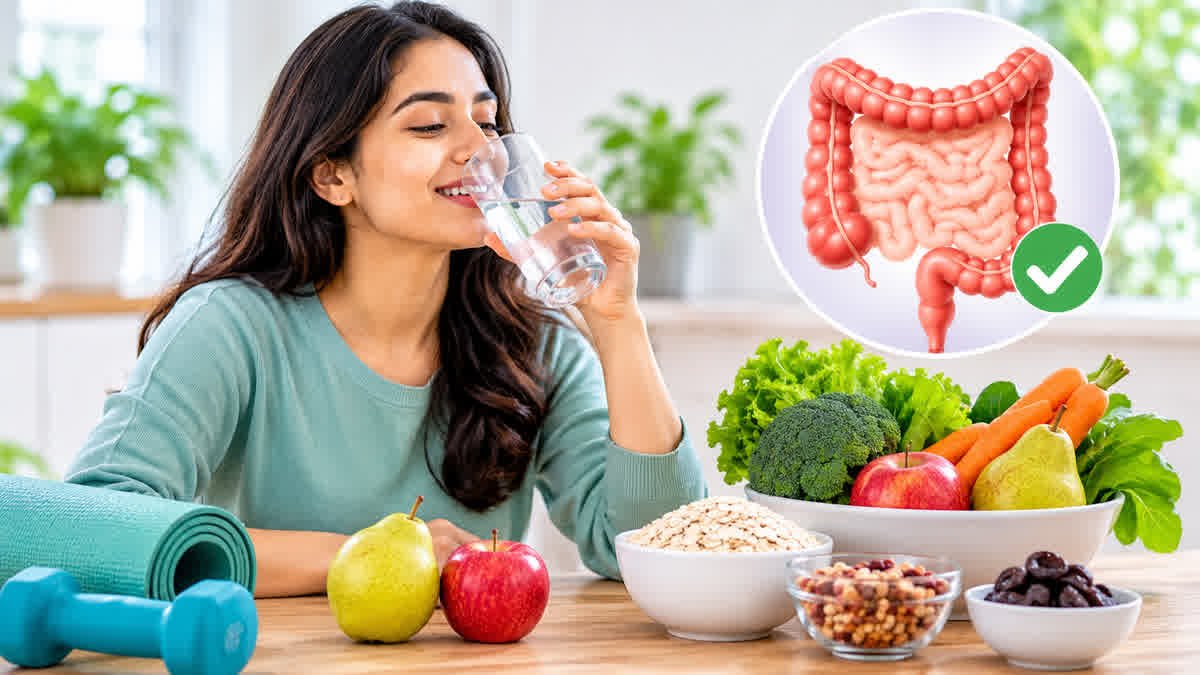

Constipation is a common digestive problem that can mean hard stools, infrequent bowel movements, and difficulty passing stool. For many people, it is occasional and improves with simple changes at home. It is also rarely a sign of something serious.
You can often manage occasional constipation at home by eating more fiber-rich foods, drinking enough fluids, staying physically active, and building a regular bathroom routine. Fruits, vegetables, whole grains, and legumes can support healthy bowel movements. If constipation lasts or comes with concerning symptoms, talk with a healthcare professional.
This guide covers 10 practical, evidence-informed tips, along with realistic expectations about timing. Improvement may take several days or longer, and no single food or habit works for everyone. This is general education, not personal medical advice.
What Is Constipation?
The National Institute of Diabetes and Digestive and Kidney Diseases (NIDDK) describes constipation as fewer than three bowel movements a week, hard, dry, or lumpy stools, stools that are difficult or painful to pass, or a feeling that not all stool has passed. Many people also have belly discomfort or bloating.
Bowel habits differ from person to person. The National Institute on Aging points out that there is no right number of daily or weekly bowel movements, so a change from your own normal pattern is what counts.
Common Causes of Constipation
Constipation can have several causes at once. Common ones include:
- Not eating enough dietary fiber
- Not drinking enough fluids
- Limited physical activity
- Ignoring the urge to use the bathroom
- Changes in diet or daily routine
- Certain medications
- Some underlying health conditions
The NIDDK lists these and notes that constipation may have more than one cause at a time. Because causes differ, home approaches will not work equally well for everyone. For a deeper look, see our guide to constipation risk factors, and to learn how doctors find the cause, read how constipation is diagnosed.
1. Eat More Fiber-Rich Foods
Fiber is the part of plant foods your body does not digest. It adds bulk to stool and helps it hold water, which can make stool softer and easier to pass. The NIDDK recommends eating enough fiber and drinking plenty of liquids so the fiber works better.
Best High-Fiber Foods for Constipation
Good choices include:
- Fruits: apples (with the skin on), pears, oranges, berries, and prunes
- Vegetables: broccoli, carrots, spinach, green peas, and leafy greens
- Whole grains: oatmeal, brown rice, and whole-wheat bread
- Legumes: lentils, chickpeas, kidney beans, and peas
- Nuts and seeds: almonds, chia seeds, and flaxseeds
The NIDDK lists whole grains, legumes, fruits, vegetables, and nuts as good sources of fiber. For more ideas, see our guides to high-fiber foods for digestive health and the health benefits of legumes.
Increase Fiber Gradually
Adding fiber too fast can cause gas and bloating. Add a little at a time so your body can adjust. The NIDDK advises that adults generally need 22 to 34 grams of fiber a day, depending on age and sex, and individual needs vary.
2. Drink Enough Water and Other Fluids
Fluids help dietary fiber do its job. If you eat more fiber without enough liquid, stools may not soften as you would hope. The NIDDK recommends drinking plenty of water and other liquids if you eat more fiber or take a fiber supplement.
Water, clear soups, and other suitable drinks all count toward your daily intake. The NHS suggests drinking plenty of fluids and avoiding alcohol when you are constipated.
It is worth being realistic about what water can do. The evidence is limited. A Mayo Clinic gastroenterologist quoted by the Center for Science in the Public Interest says the issue has not been well studied. If you are truly dehydrated, fluids can help, but drinking far more than you need is not a guaranteed fix.
Can Warm Water Help Constipation?
Warm water can be a comfortable way to stay hydrated, and some people like sipping it in the morning. There is limited evidence that warm water works better than regular water for constipation, so choose whichever you will drink consistently.
How Much Water Should You Drink?
Needs vary with age, body size, activity, climate, and health conditions. The NIDDK advises asking a health care professional how much liquid you should drink each day based on your size, health, activity level, and where you live. People with heart or kidney conditions should follow their own medical advice. Our guide to hydrating vegetables can help you add fluid through food.
3. Eat Fruits That May Help Relieve Constipation
Fruit can be a tasty way to add fiber and fluid. It works best as part of an overall balanced diet, not as an instant remedy.
Prunes
Prunes (dried plums) provide fiber and naturally occurring sugar alcohol (sorbitol) that can draw water into the bowel. The Mayo Clinic notes that prunes are a good source of fiber and contain natural agents that draw fluids into the colon. Start with a small portion, since too many can cause gas or loose stools.
Apples and Pears
Apples and pears provide fiber and water. The NHS lists fruits that contain sorbitol, such as apples, apricots, grapes, raspberries, and strawberries, as helpful additions.
Kiwi and Berries
Kiwifruit has some of the best research behind it. The British Dietetic Association’s 2025 guideline for chronic constipation in adults supports 2 to 3 kiwifruit a day for at least four weeks. Berries add fiber to snacks and breakfasts. Learn more in our article on kiwi health benefits.
4. Include More Vegetables in Your Daily Diet
Vegetables contribute fiber and water and support digestive health. Helpful choices include:
- Broccoli
- Spinach
- Carrots
- Green peas
- Sweet potatoes
- Leafy vegetables
Practical ways to add more:
- Add vegetables to breakfast eggs or lunch sandwiches
- Serve cooked vegetables with dinner
- Make vegetable soups
- Combine vegetables with beans and whole grains
Raw and cooked vegetables both contribute fiber. See our guides on how to eat more vegetables, vegetables for gut health, and the health benefits of sweet potatoes.
5. Stay Physically Active
Regular movement may support normal bowel function. The NIDDK lists regular physical activity among the steps that may help relieve constipation.
The research is not as strong as many people assume. The same Mayo Clinic expert says there is not a lot of evidence that exercise helps constipation, though many patients report better bowel habits when they are more active, and it is good for overall health.
Walking and Constipation
Walking is a convenient way to add activity. A daily walk, even a short one, is an easy place to start. See our guide to walking for health.
Other Gentle Activities
Other options include:
- Light cycling
- Gentle stretching
- Recreational activities
- Moving regularly throughout the day instead of sitting for long periods
Aim for consistency, not intensity. Choose activities that fit your health and abilities, and check with your clinician if you have a medical condition.
6. Establish a Healthy Bathroom Routine
Good bathroom habits can make bowel movements easier.
Do Not Ignore the Urge to Have a Bowel Movement
Repeatedly delaying bathroom visits can contribute to constipation. The NIDDK and NHS both list ignoring the urge as a cause. Go when you feel the need, when you can.
Try a Consistent Bathroom Schedule
Try to use the bathroom at about the same time each day. The NIDDK suggests that trying to go 15 to 45 minutes after breakfast may help, since eating stimulates the colon to move stool. Some gastroenterologists also note that colon contractions tend to be stronger first thing in the morning.
Use a Comfortable Toilet Position
Rest your feet on a small footstool so your knees sit above your hips. The NHS advises resting your feet on a low stool and raising your knees above your hips if possible.
Avoid Excessive Straining
Give yourself enough time, relax your muscles, and avoid forceful or prolonged straining. If you are straining often, mention it to a healthcare professional.
7. Choose Foods That Support Digestive Health
A balanced eating pattern helps. Aim for a variety of:
- Whole grains
- Fresh fruits
- Vegetables
- Beans and lentils
- Nuts and seeds
Limit relying on low-fiber processed foods, such as some fast foods, packaged snacks, and highly refined grain products. The NIDDK’s guidance for families lists chips, fast food, and processed foods as examples of low-fiber choices. You do not need to eliminate entire food groups. For a broader plan, see what a balanced diet looks like and our tips on how to improve gut health.
8. Consider Fiber Supplements When Appropriate
Fiber supplements can help when food alone is not enough. Bulk-forming supplements, such as psyllium or methylcellulose, absorb water and add bulk to stool. The NIDDK lists fiber supplements among over-the-counter options, and the AGA-ACG guideline for chronic idiopathic constipation recommended fiber supplementation.
If you try one:
- Follow the package directions
- Start low and increase gradually (possible side effects include gas, bloating, and abdominal discomfort)
- Drink enough fluid with it
Talk with a healthcare professional first if you have persistent constipation, trouble swallowing, or symptoms that could mean a blockage. High-fiber approaches should be used with caution in people with obstructive symptoms or fecal impaction.
9. Understand When Over-the-Counter Remedies May Be Appropriate
Some people need extra help when lifestyle changes are not enough. The main categories are:
- Fiber supplements: add bulk
- Osmotic laxatives: draw water into the bowel
- Stool softeners: increase the water content of stool
- Stimulant laxatives: trigger the bowel muscles to contract
The right option depends on your circumstances and the cause of your constipation. Ask a pharmacist or healthcare professional before choosing one, especially for children and teenagers, during pregnancy, if you have a medical condition, or if you take regular medications.
Do not rely on laxatives for long without medical guidance. The NIDDK notes that stimulants should be used only if constipation is severe or other treatments have not worked, and the NHS says laxatives should only be used for a short time. Our guide to constipation treatment options explains each type in more detail.
10. Manage Daily Habits That May Contribute to Constipation
Small routine choices add up. Consider these:
- Keep meal times fairly consistent
- Respond to bathroom urges instead of postponing them
- Make time for regular movement
- Stay hydrated
- Manage stress, since the NHS lists stress, anxiety or depression among common causes (see how to reduce stress)
- Avoid sudden, unnecessary changes in eating habits
A consistent routine can support digestive health over time.
When Should You See a Doctor for Constipation?
Home care works for many people, but not always. Seek medical advice if you have:
- Constipation that does not improve with appropriate self-care
- Repeated episodes of constipation
- Unexplained changes in bowel habits
- Blood in the stool or rectal bleeding
- Unexplained weight loss
- Persistent abdominal discomfort
The NIDDK says to see a doctor if symptoms do not go away with self-care or if you have a family history of colon or rectal cancer. The NHS also lists being regularly constipated, regularly bloated, or tired all the time as reasons to see a GP.
Urgent warning signs: Severe abdominal pain, repeated vomiting, significant abdominal swelling, or an inability to pass stool or gas may signal a serious problem and need urgent medical assessment. The NIDDK also lists fever and constant abdominal pain among the symptoms that need prompt care. Do not keep trying home remedies if these occur. Our article on when abdominal pain is an emergency has more detail.
How Long Does It Take to Relieve Constipation at Home?
Timing varies. The NHS says you may notice a difference within a few days, but sometimes it takes a few weeks before symptoms improve. A British guideline summary notes that the effects of a higher-fiber diet may begin after a few days but should be tried for at least a month before judging results.
Consistency matters, and results depend on the cause and severity. No food or remedy works within a fixed time for everyone. If symptoms persist, do not ignore them.
Frequently Asked Questions About Managing Constipation at Home
What is the fastest way to relieve constipation at home?
There is no guaranteed instant home remedy. Enough fluids, gradually increased fiber, gentle activity, and a comfortable bathroom routine may help over days. Some over-the-counter products work faster; the NHS says most laxatives work within 3 days.
What foods help relieve constipation naturally?
Prunes, pears, apples, kiwifruit, vegetables, legumes, oatmeal, and whole grains are commonly suggested. Introduce them gradually. Kiwifruit has guideline support in chronic constipation at 2 to 3 pieces a day.
Does drinking water help with constipation?
Staying hydrated helps, especially when you increase fiber, because the NIDDK advises drinking plenty of liquids with extra fiber. However, drinking far more than you need is unlikely to help if you are already well hydrated.
Is walking good for constipation?
Regular walking and other activity may support bowel movements, and the NIDDK lists activity among self-care steps. Evidence that exercise relieves constipation is limited, but it is good for overall health.
Can constipation go away on its own?
Mild, occasional constipation may improve with changes in diet and daily habits. Persistent symptoms need evaluation, since the NIDDK recommends a doctor visit if symptoms do not clear with self-care.
When should I stop treating constipation at home?
Stop and get medical advice if symptoms persist, worsen, or come with bleeding or other concerning signs. Severe pain, vomiting, or an inability to pass gas or stool needs urgent assessment.
Final Thoughts
Eating a balanced, fiber-rich diet, drinking adequate fluids, staying active, and building healthy bathroom habits are sensible first steps for occasional constipation. Fiber supplements and over-the-counter products can help when needed, ideally with guidance from a pharmacist or clinician.
Constipation is common, and appropriate lifestyle changes may help many people manage occasional symptoms. If home care is not working, or if you notice warning signs, seek professional advice.
Sources
- Treatment for Constipation, NIDDK
- Eating, Diet, & Nutrition for Constipation, NIDDK
- Symptoms & Causes of Constipation, NIDDK
- Definition & Facts for Constipation, NIDDK
- Eating, Diet, & Nutrition for Constipation in Children, NIDDK
- Constipation, NHS
- Constipation in Adults, NHS 111 Wales
- Constipation: Symptoms, Causes and Treatment, NHS (A to Z)
- Constipation: Diagnosis and Treatment, Mayo Clinic
- Concerned About Constipation?, National Institute on Aging
- Can coffee, fluids, or physical activity help with constipation?, Center for Science in the Public Interest
- Dietary and lifestyle advice in management of constipation (summary of the British Dietetic Association 2025 guideline), GPnotebook
- ACG, AGA guideline first to recommend magnesium oxide, senna for chronic constipation, Healio
Medical Disclaimer: This article is for general educational purposes only and is not medical advice. It cannot diagnose any condition or replace the care of a doctor or other qualified healthcare professional. Home remedies do not work for everyone, and some are not suitable for children, pregnant people, or those with health conditions. Talk with a healthcare professional or pharmacist before starting a fiber supplement, laxative, or other treatment. If you have severe abdominal pain, repeated vomiting, marked abdominal swelling, fever, blood in your stool, or cannot pass stool or gas, seek medical care right away.